
Blog
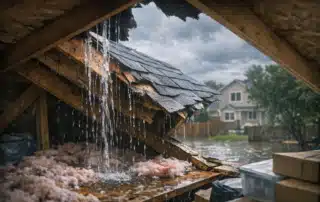
Understanding Insurance for Summer Water Damage Claims
How Insurance Treats Summer Water Damage Claims Summer water damage often catches homeowners off guard, and the insurance answer is rarely simple. Most standard homeowners policies cover water damage that is sudden and accidental but exclude damage from gradual leaks or flooding. That single distinction decides thousands of summer water damage claims each year. Knowing [...]

Tips for Managing Fire Hazards During Summer Festivals
Colorado summer festivals draw thousands of people onto dry grass, near propane grills, and around firework displays during the driest months of the year. Each of these conditions creates real fire hazards that can turn a family event into an emergency in minutes. This article breaks down the specific risks at local events and the [...]
How to Protect Your Home’s Exterior Paint from Summer Sun Damage
Why Summer Sun Damage Hits Colorado Homes Harder Colorado sits above 5,000 feet, and that altitude changes everything for your paint. Thinner air means UV radiation strikes exterior surfaces with more force than at sea level. That intensity drives summer sun damage faster than most homeowners expect. Below, you learn how sun breaks down paint, [...]

Dealing with Lingering Odors After Water Extraction
The water is gone, the carpets look dry, and yet a musty smell still hangs in the air. That gap between visible dryness and true recovery is where lingering odors live. It catches most homeowners off guard. Odor after water extraction signals moisture or contamination you cannot see. The smell is not cosmetic. It points [...]

Preparing Your Home for Late Summer Wildfires
August and September mark the driest, most dangerous stretch of Colorado's fire season. Late summer wildfires ignite fast because months of heat have cured grasses, drained soil moisture, and stressed pine stands into perfect fuel. At ARC Restoration, our crews respond to fire and smoke damage across the Front Range, and the homes that fare [...]

How to Prevent Water Damage from Summer Storm Runoff
Colorado's July and August afternoons can drop an inch of rain in under an hour. That kind of downpour turns dry ground into sheets of water racing toward your foundation. Preventing water damage from summer storm runoff starts before the first monsoon cloud forms. This post covers where runoff enters homes, which fixes stop it, [...]

Avoiding Fire Risks with Outdoor Summer Activities
A single ember from a backyard grill can ignite a fence, a deck, or dry grass in seconds. Colorado summers combine low humidity, high winds, and holiday gatherings, which makes outdoor fire safety a real concern for homeowners. This post breaks down the fire risks tied to specific summer activities and how to stop them [...]

How to Identify and Fix Summer Storm Damage Quickly
A single Colorado summer storm can drop hail the size of golf balls and flood a basement in under an hour. The first 24 hours after a storm decide whether you face a minor fix or a five-figure repair bill. This post shows you how to handle summer storm damage repair from the moment the [...]

Tips for Maintaining Your Home’s Foundation During Hot Summers
Summer heat does more damage to your foundation than most Colorado homeowners realize. When temperatures climb past 90 degrees for weeks, the soil around your house dries out and shrinks. That shrinking pulls support away from your foundation and leads to cracks, settling, and costly repairs. Foundation maintenance during summer comes down to one goal: [...]

Protecting Your Basement from Summer Groundwater Intrusion
Summer storms in Colorado dump inches of rain in minutes, and that water has to go somewhere. When the ground around your foundation reaches saturation, summer groundwater intrusion pushes moisture straight into your basement. Homeowners who felt safe all winter suddenly find damp carpet in July. This post explains why summer conditions raise your flooding [...]
How Insurance Treats Summer Water [...]
Colorado summer festivals draw thousands [...]
Why Summer Sun Damage Hits [...]


