
Flooded Basement
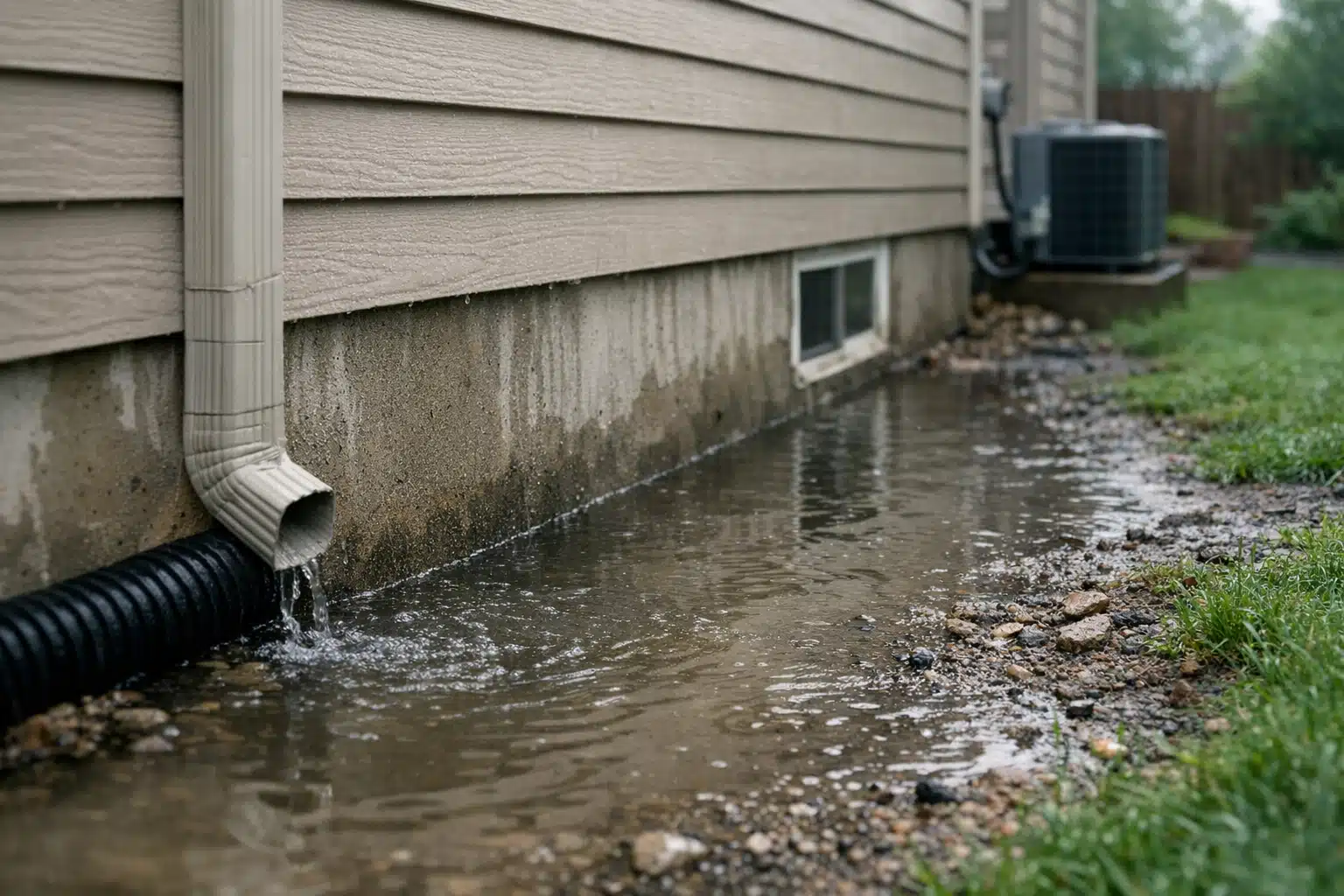
Protecting Your Basement from Summer Groundwater Intrusion
Summer storms in Colorado dump inches of rain in minutes, and that water has to go somewhere. When the ground around your foundation reaches saturation, summer groundwater intrusion pushes moisture straight into your basement. Homeowners who felt safe all winter suddenly find damp carpet in July. This post explains why summer conditions raise your flooding risk, how to spot early warning signs, and the exact steps that keep water out. You will learn what works, what fails, and when to call for help. Why Summer Groundwater Intrusion Happens Summer groundwater intrusion is water entering a basement because the soil around [...]

Summer Garage Flooding: Prevention and Cleanup
Summer storms in Colorado can dump an inch of rain in under an hour. When that water finds your garage, it soaks drywall, ruins stored boxes, and creeps into the house within minutes. Garage flooding prevention matters most from June to September, when monsoon-season downpours overwhelm drains and driveways. This post covers why garages flood in summer, how to stop it before it starts, and what to do the moment water gets inside. Every step comes from real cleanup jobs across the Front Range. Why Garages Flood More in Summer Summer flooding rarely comes from slow leaks. It comes from [...]
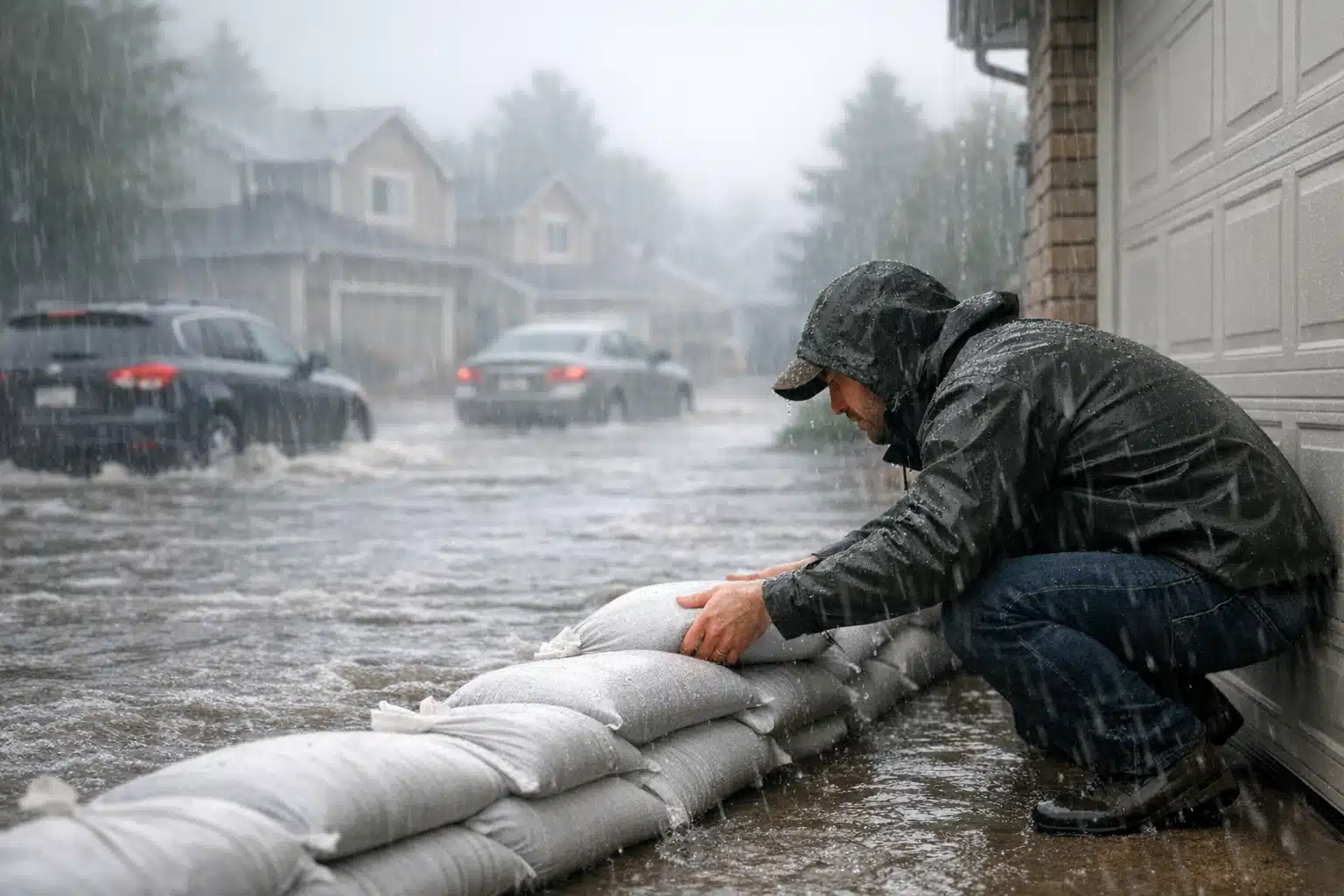
Preparing for Flash Floods: A Colorado Homeowner’s Guide
Why Colorado's Summer Flash Floods Catch Homeowners Off Guard A clear July afternoon can turn into six inches of water in your basement by dinnertime. That speed is what makes Colorado flash floods so dangerous. Most flooding here does not come from spring snowmelt. It comes from the summer monsoon season between mid-July and mid-September. Good flash flood preparation starts before the first thunderhead builds over the foothills. This post walks Colorado homeowners the exact steps to protect a home, room by room, before the water arrives. The Mid-Summer Threat Most Coloradans Underestimate Colorado's flash flood season peaks when the [...]
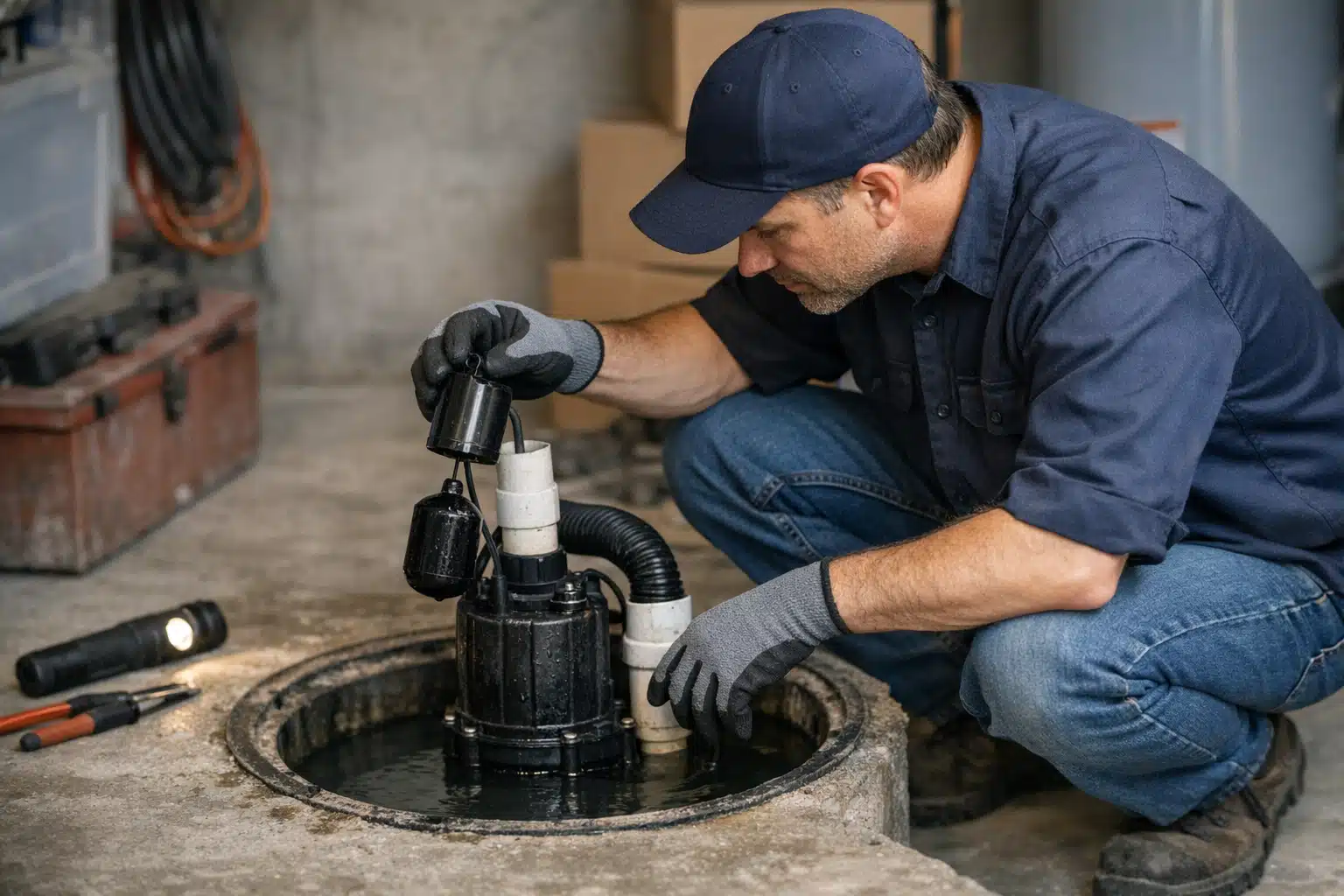
The Importance of Regular Sump Pump Maintenance
A sump pump that sits untouched for a year has a 30% chance of failing right when Colorado's spring melt arrives. That failure often shows up as four inches of water across a finished basement floor. Regular sump pump maintenance is the difference between a dry March and a five-figure water damage claim. This post covers why maintenance matters, what fails most, and the exact checks that keep your pump running during heavy rain and snowmelt. You will learn a seasonal schedule built around Front Range weather patterns. Why Sump Pump Maintenance Matters Before Spring Rains A sump pump moves [...]
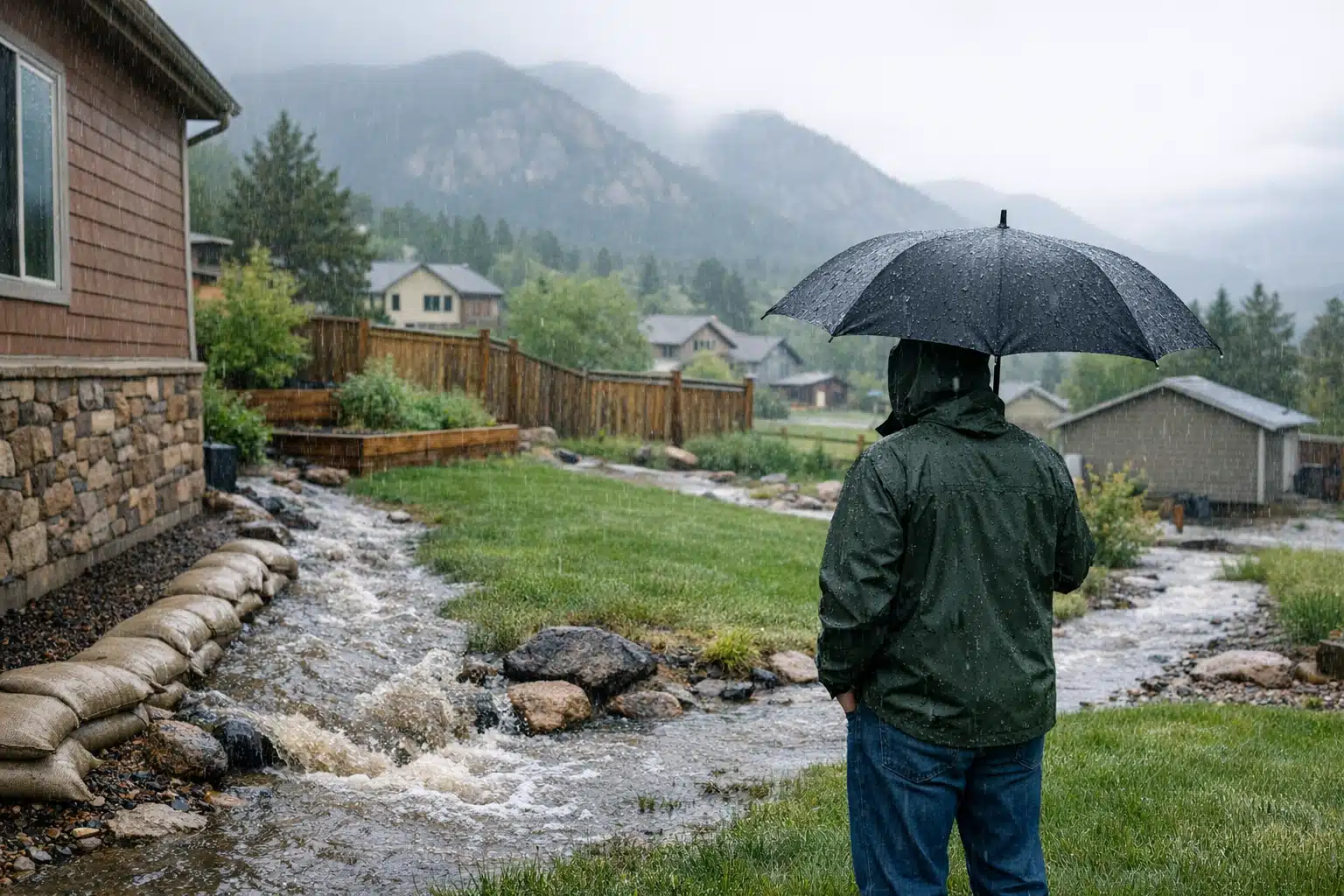
How to Prepare Your Home for Flash Flooding in Late Spring
Late spring flash flooding strikes Colorado homes with devastating speed, often developing from clear skies to dangerous water levels in just six hours. The combination of rapid snowmelt, afternoon thunderstorms, and saturated ground creates the perfect storm for flash flooding that can cause tens of thousands of dollars in damage. This guide covers specific preparation steps that Colorado homeowners can take before late spring flood season arrives. You'll learn how to identify your property's unique flood risks and implement targeted protection measures. Understanding Late Spring Flash Flooding Patterns Flash flooding in late spring differs significantly from other seasonal floods because [...]
How to Protect Your Basement from Spring Groundwater Flooding
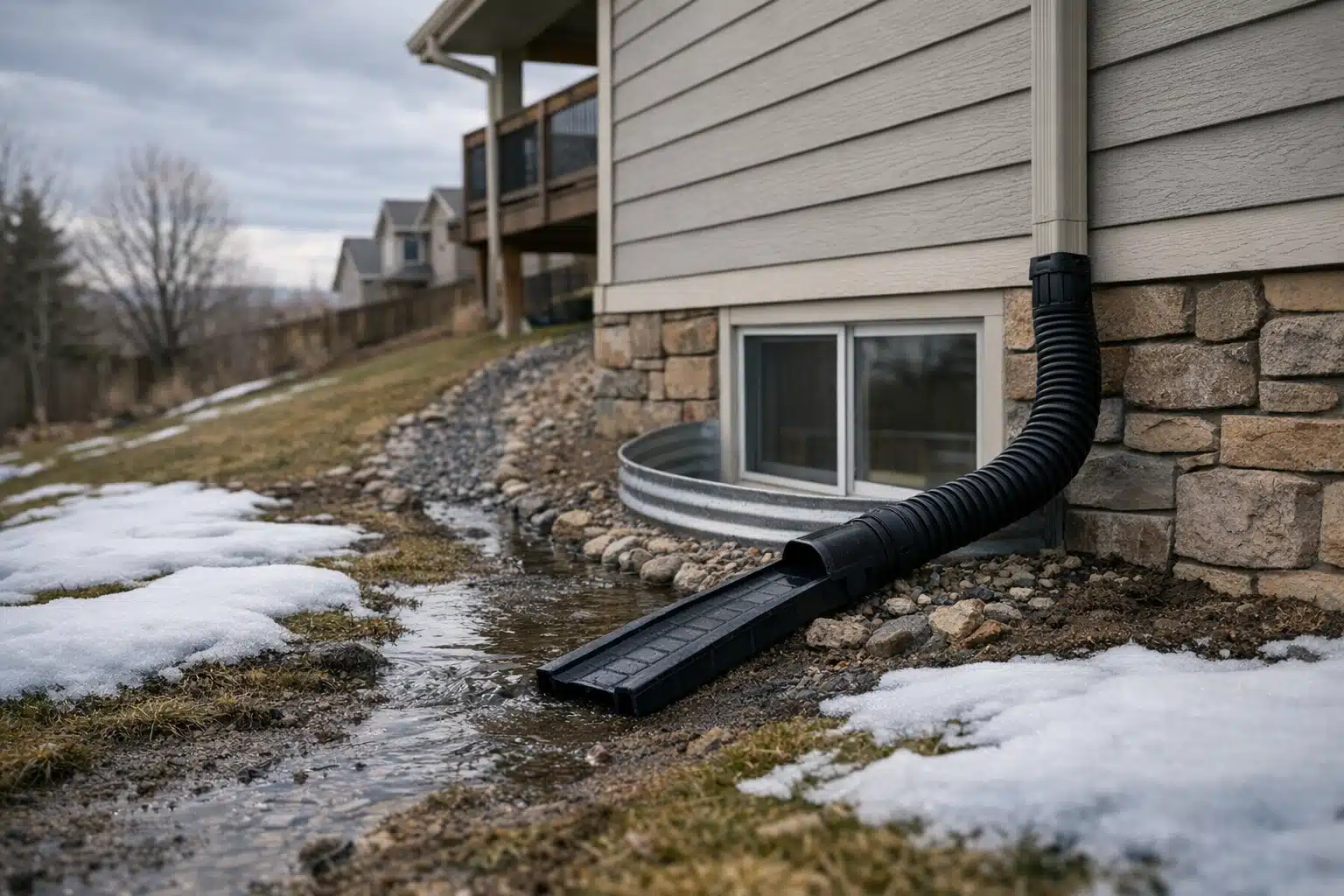
Spring snowmelt combined with heavy rainfall creates the perfect storm for groundwater flooding in Colorado basements. When soil becomes saturated, hydrostatic pressure builds against foundation walls and pushes water through the smallest cracks and gaps. The window between March and May presents the highest risk for basement water damage. Snow accumulated over winter months melts rapidly during warm spring days, overwhelming drainage systems that may still be partially frozen. Understanding Spring Groundwater Patterns Groundwater flooding occurs when the water table rises above basement floor level, creating pressure that forces water through foundation walls and floors. Spring conditions amplify this process [...]

How to Prevent Basement Flooding During Spring Showers
Spring weather brings beautiful blooms and warmer temperatures, but it also delivers heavy rainfall that can turn your basement into a disaster zone. Prevent basement flooding by taking proactive steps before the first major storm hits your Colorado home. This guide covers the most effective strategies to protect your basement during spring showers. You'll learn how to identify vulnerable areas, maintain critical systems, and implement barriers that keep water where it belongs. Inspect and Test Your Sump Pump System Your sump pump serves as your basement's first line of defense against flooding during heavy spring rain. This mechanical guardian removes [...]
Spring Flood Preparation: Protecting Your Home from Spring Thaws
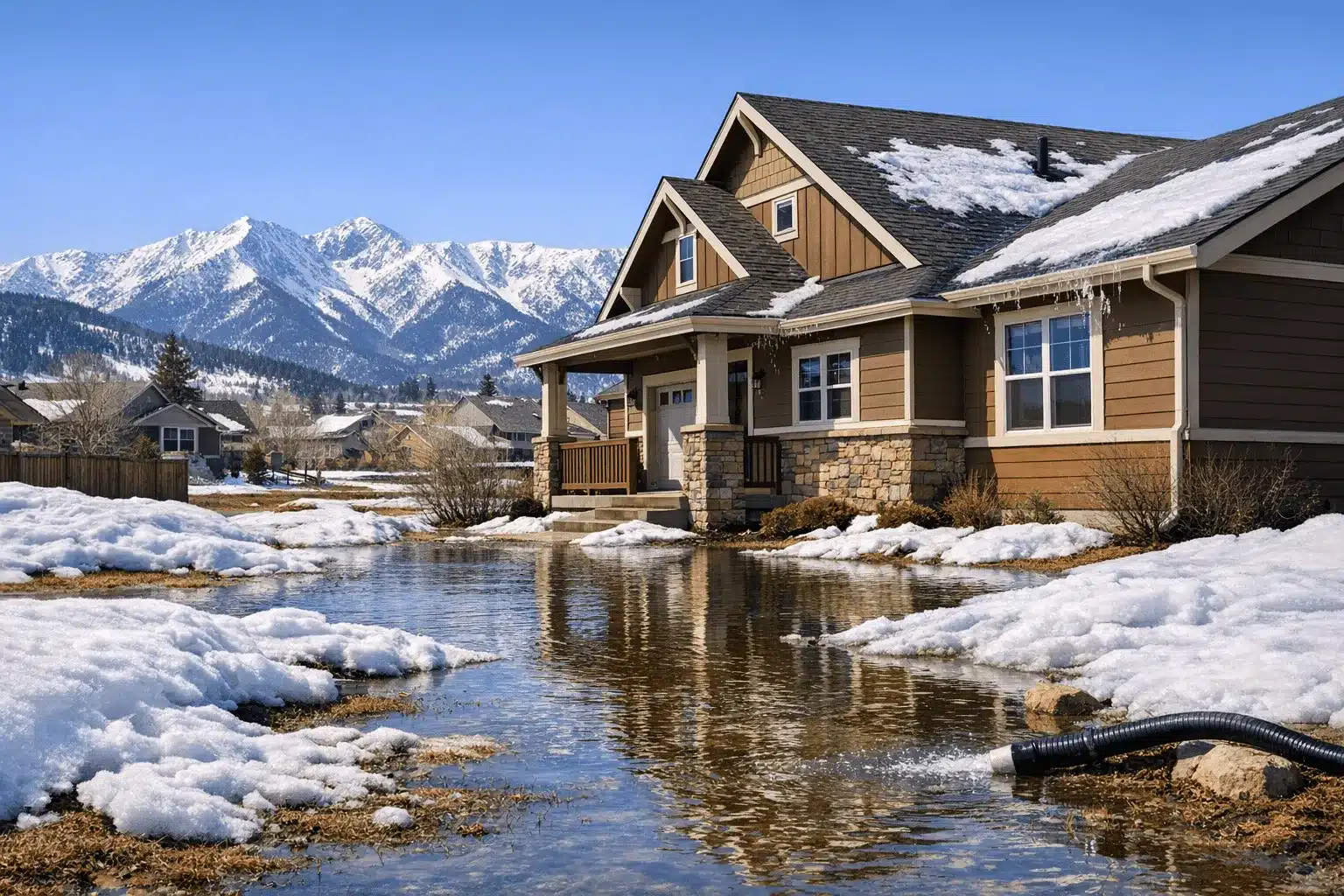
Colorado's spring thaw brings warmer weather and increased flooding risks to homes across the state. Melting snow combined with spring rains can overwhelm drainage systems and cause significant water damage. Spring flood preparation starts before the snow melts and water levels rise. This guide covers actionable steps to protect your home from spring flooding. You'll learn how to identify vulnerable areas, implement protective measures, and know when to call professionals. Understanding Spring Flood Risks in Colorado Spring flooding occurs when snowmelt combines with rainfall to create excessive water flow. The ground often remains frozen beneath the surface, preventing proper water [...]
Sump Pump Sizing & Redundancy: Backup Systems for Denver Basements
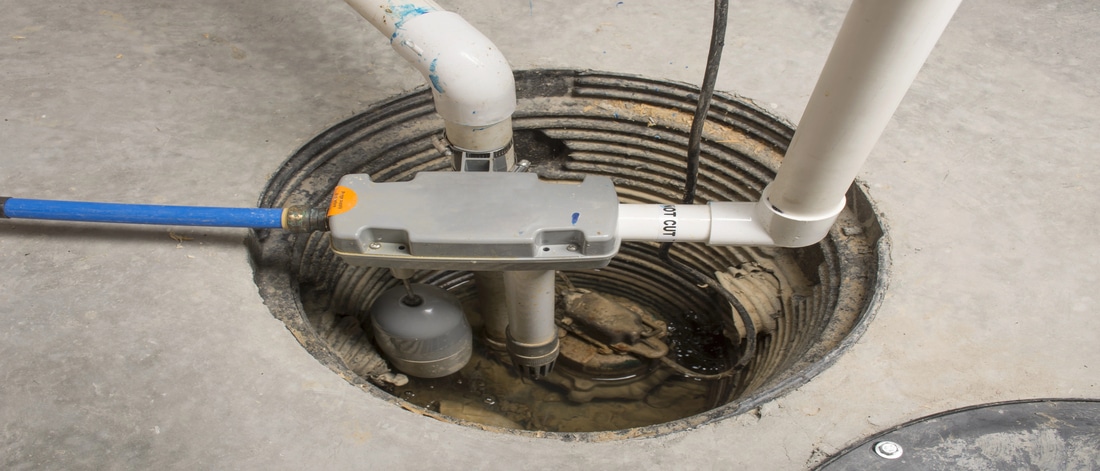
Denver’s clay-heavy soil and fluctuating groundwater make proper sump pump sizing critical for basement protection. Standard formulas based only on square footage often fall short, leading to flooding when pumps lack enough capacity, lift height, or backup support. Effective sump pump systems in Denver must be designed for site-specific conditions, including soil drainage, groundwater levels, basement depth, and stormwater runoff. For many homes, this means pairing a properly sized primary pump with a reliable backup system to ensure protection during power outages, mechanical failures, or extreme weather events. Understanding Denver's Unique Basement Water Challenges Denver’s mile-high location and semi-arid climate [...]
Signs of Hidden Water Damage After a Basement Flood
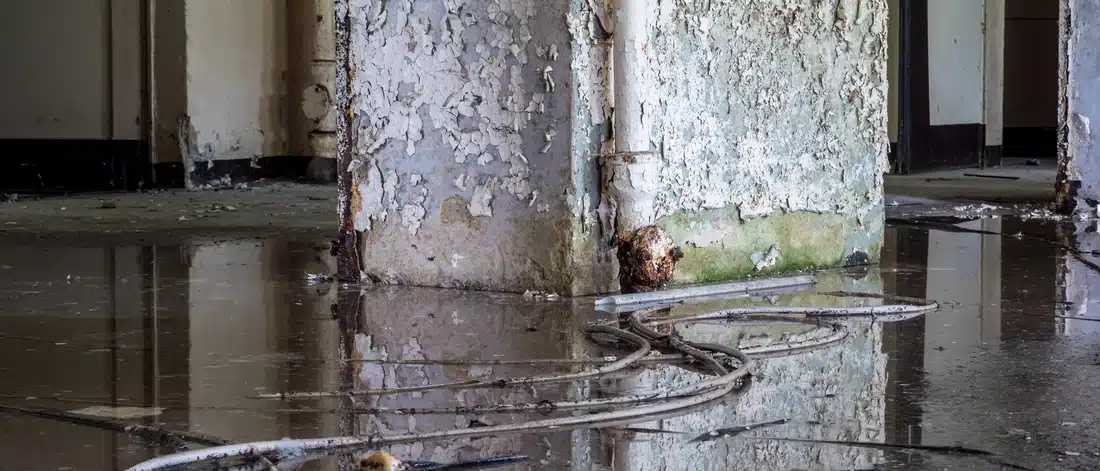
After a basement flood, the visible water may disappear quickly, but the most serious damage often remains hidden. Moisture can linger inside walls, beneath flooring, and within foundation materials long after the basement looks dry. This trapped water slowly breaks down building materials, creates ideal conditions for mold growth, and can compromise both the structural integrity of your home and the air you breathe. Hidden water damage isn’t something most homeowners can see or detect on their own. Without professional inspection and proper drying, moisture left behind can lead to rotting wood, weakened drywall, foundation damage, and costly secondary problems. [...]
Services
Recent Post
Understanding Insurance for Summer Water Damage Claims
How Insurance Treats Summer Water [...]
Tips for Managing Fire Hazards During Summer Festivals
Colorado summer festivals draw thousands [...]
How to Protect Your Home’s Exterior Paint from Summer Sun Damage
Why Summer Sun Damage Hits [...]


