
How to Protect Your Basement from Spring Groundwater Flooding
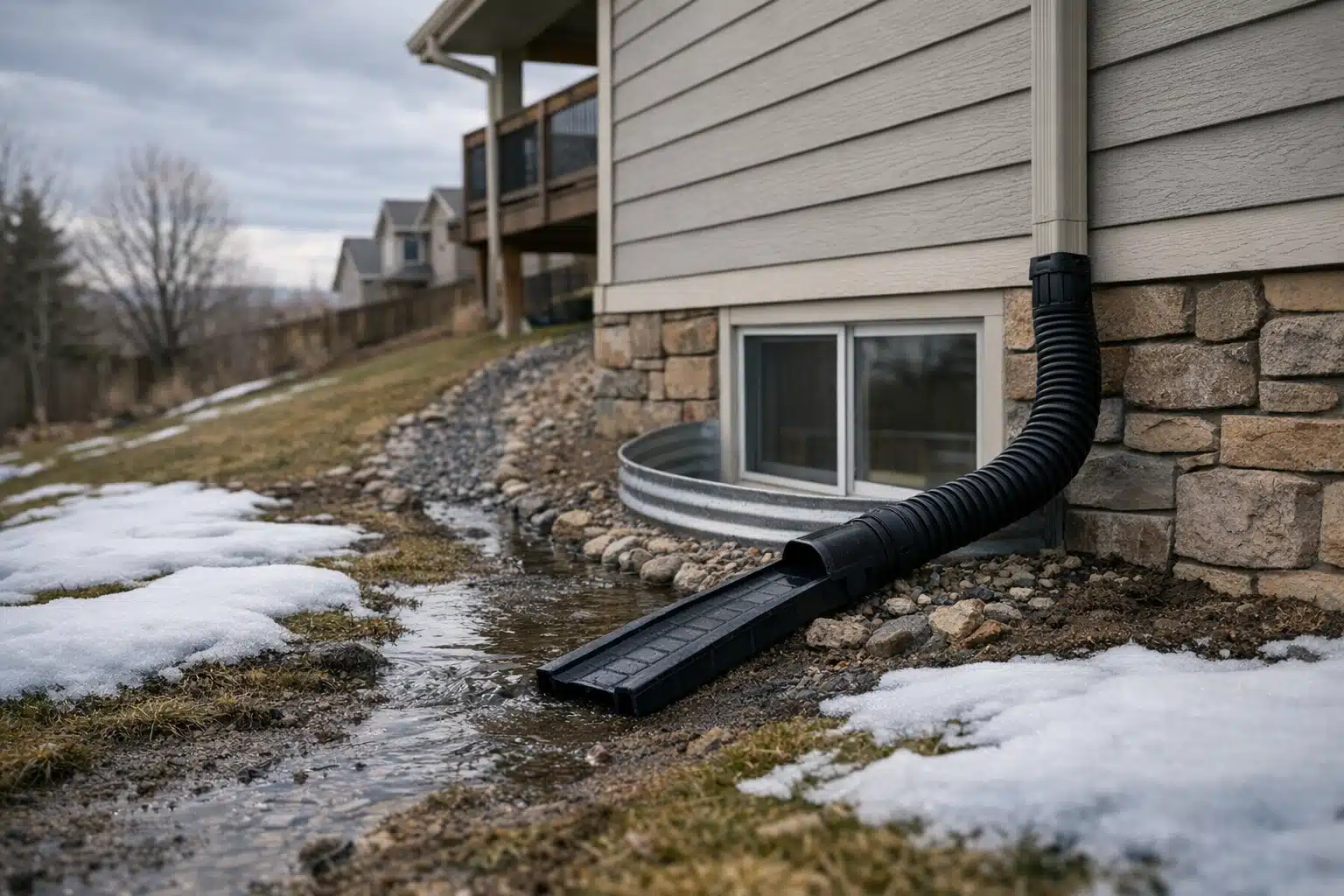
Spring snowmelt combined with heavy rainfall creates the perfect storm for groundwater flooding in Colorado basements. When soil becomes saturated, hydrostatic pressure builds against foundation walls and pushes water through the smallest cracks and gaps.
The window between March and May presents the highest risk for basement water damage. Snow accumulated over winter months melts rapidly during warm spring days, overwhelming drainage systems that may still be partially frozen.
Understanding Spring Groundwater Patterns
Groundwater flooding occurs when the water table rises above basement floor level, creating pressure that forces water through foundation walls and floors. Spring conditions amplify this process through three key factors.
Frozen ground acts like a concrete barrier, preventing normal water absorption. When temperatures fluctuate between freezing and thawing, soil becomes alternately hard and saturated, creating unpredictable drainage patterns.
Rapid snowmelt produces more water than soil can absorb, especially when ground remains partially frozen. A single warm week can release weeks’ worth of accumulated precipitation directly into the water table.
Early Warning Signs of Rising Groundwater
Basement humidity levels above 60% often signal groundwater pressure building against foundation walls. Check humidity with a digital hygrometer during March and April when risk peaks.
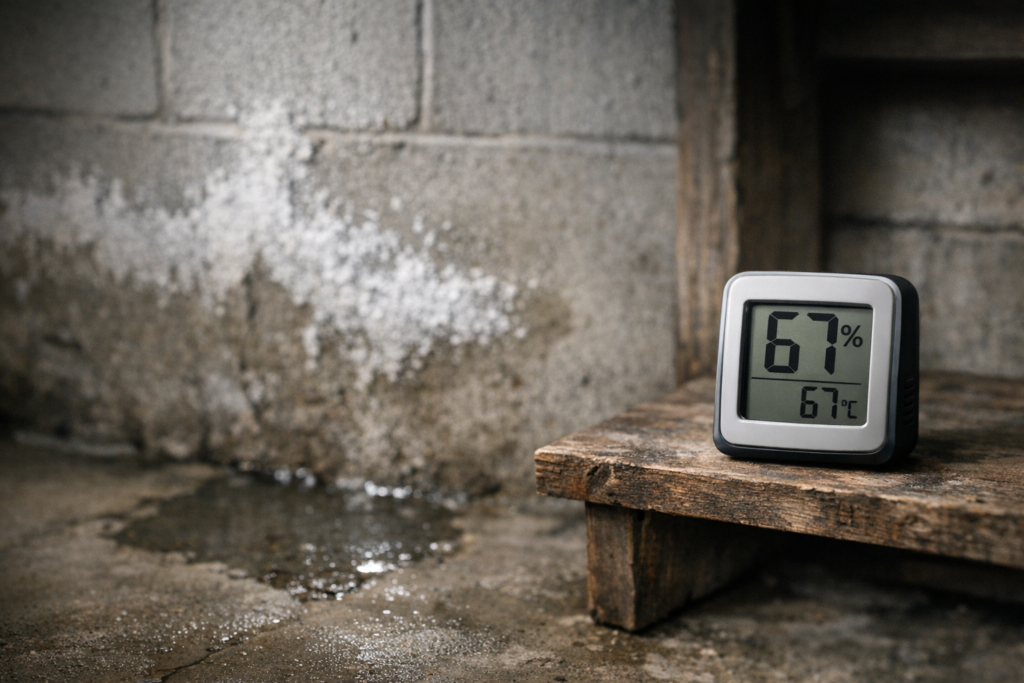
Watch for these specific indicators of groundwater intrusion:
- White chalky residue on basement walls (efflorescence)
- Musty odors that worsen during warm spring days
- Damp spots on basement floors near exterior walls
- Condensation on basement windows and pipes
- Cracks in foundation walls that appear wet or dark
Document these signs with photos and dates. Patterns help identify which areas face the greatest groundwater pressure.
Exterior Drainage and Grading Solutions
Proper grading directs spring runoff away from foundation walls before it can saturate surrounding soil. Ground should slope at least 6 inches over the first 10 feet from your foundation.
Downspout and Gutter Management
Clean gutters before spring melt begins, removing leaves and debris that accumulated over winter. Clogged gutters overflow directly against foundation walls, creating concentrated groundwater pressure points.
Extend downspouts at least 10 feet from the foundation. Splash blocks and underground extensions prevent water from pooling near basement walls during heavy spring runoff.
French Drain Installation
French drains intercept groundwater before it reaches foundation walls. Install these systems 2-3 feet from exterior walls at a depth below the basement floor level.
Timing matters for French drain installation. Complete excavation and installation before spring melt season arrives, typically by late February in Colorado.
Foundation Sealing and Waterproofing
External waterproofing creates a barrier between groundwater and basement walls. This method requires excavation around the foundation perimeter but provides the most reliable basement protection against hydrostatic pressure.
Crack Repair Before Spring
Foundation cracks expand during freeze-thaw cycles, creating larger entry points for groundwater. Repair visible cracks using hydraulic cement or polyurethane injection before soil becomes saturated.
Monitor hairline cracks throughout winter months. Cracks wider than 1/8 inch require professional assessment, as they may indicate structural movement that worsens during spring ground shifts.
Interior Basement Sealing
Basement wall sealers provide a temporary barrier against minor groundwater seepage. Apply crystalline waterproofing compounds that react with moisture to form permanent seals within concrete pores.
Clean basement walls thoroughly before sealer application. Remove existing paint, efflorescence, and loose concrete to ensure proper bonding.
Sump Pump Systems for Spring Protection
Sump pumps remove groundwater that accumulates beneath basement floors before it rises to floor level. Spring conditions require pumps capable of handling sudden volume increases from rapid snowmelt.
Sizing and Capacity Requirements
Calculate pump capacity based on basement square footage and local groundwater conditions. Standard 1/3 horsepower pumps handle most residential basements, but properties with high water tables need 1/2 horsepower or larger systems.
Install backup power systems for sump pumps. Spring storms often cause power outages when pumps are needed most. Battery backup systems provide 8-12 hours of operation during outages.
Sump Pit Maintenance
Test sump pump operation monthly during winter to ensure spring readiness. Pour water into the pit until the float switch activates and verify smooth pump operation.
Clean sump pits before spring melt season. Remove debris, check discharge pipes for ice blockages, and verify that float switches move freely.

They are knowledgeable, organized, and genuinely care about doing things the right way. If you’re looking for a restoration company that values communication and accountability, this is a team worth calling.
 Posted on Google
Soil Management Around Foundations
Clay-heavy soils common in Colorado hold water against foundation walls, increasing hydrostatic pressure during spring saturation. Amend soil composition within 10 feet of foundations to improve drainage.
Replace clay soil with sandy loam or add coarse sand to existing soil. This modification allows faster water penetration and reduces surface pooling during spring melt periods.
Strategic Landscaping
Plant deep-rooted vegetation 15-20 feet from foundations to absorb excess groundwater. Avoid planting trees or large shrubs closer than this distance, as roots can damage foundation walls and drainage systems.
Create swales or bioretention areas to capture and slowly release spring runoff. These features prevent overwhelming soil around foundations while managing larger volumes of meltwater.
Interior Basement Drainage Systems
Perimeter drain systems installed inside basement foundations capture groundwater that penetrates exterior walls. These systems direct water to sump pumps or exterior drainage points.
Install interior drainage when exterior solutions prove insufficient or impractical. This approach works particularly well for older foundations where external excavation poses structural risks.
Vapor Barrier Installation
Plastic vapor barriers on basement walls prevent moisture transmission through concrete and masonry. Install barriers over interior waterproofing compounds for maximum protection against groundwater intrusion.
Seal barrier edges with construction adhesive and overlap seams by at least 6 inches. Pay special attention to areas around utility penetrations where groundwater commonly enters.
Professional Assessment and Monitoring
Annual foundation inspections identify vulnerabilities before spring groundwater threatens basement spaces. Professional assessments detect problems invisible to untrained eyes, including minor foundation settlement and early crack formation.
Monitor groundwater levels using observation wells if your property has recurring flooding issues. These simple installations track water table fluctuations and help predict when protective measures need activation.
Document all protective measures with photos and maintenance records. This information proves valuable for insurance claims and helps track system effectiveness over multiple spring seasons.
Emergency Response Planning
Develop specific response procedures for spring groundwater emergencies. Keep pumps, hoses, and moisture detection equipment readily accessible during high-risk periods from March through May.
Establish relationships with water damage restoration professionals before emergencies occur. Quick response prevents minor groundwater intrusion from becoming major structural damage and mold growth.
Protecting your basement from spring groundwater flooding requires combining multiple strategies tailored to your property’s specific conditions. Regular maintenance and proactive measures provide the best defense against Colorado’s challenging spring water conditions.
If groundwater has already entered your basement, immediate professional intervention prevents long-term damage and health hazards. Contact ARC Restoration at 720-799-2434 for emergency water extraction and complete restoration services throughout Colorado.
Sources
- Federal Emergency Management Agency – Basement Flooding Guidance
- Environmental Protection Agency – Moisture Control for Indoor Air Quality
- Colorado State University Extension – Groundwater Characteristics of Colorado
Protecting your basement from spring groundwater flooding involves understanding the risks and implementing various preventive measures. The combination of snowmelt and heavy rainfall during spring creates significant challenges for homeowners in Colorado.
- Groundwater flooding occurs when the water table rises, pushing water through foundation walls and floors. Early warning signs include high humidity levels and visible cracks in the foundation.
- Proper grading and effective drainage systems, such as French drains, help direct water away from foundations. Regular maintenance of gutters and downspouts is also essential.
- Sump pumps are crucial for managing groundwater accumulation, and they should be tested monthly to ensure they function properly during peak risk periods.
To protect your basement from spring groundwater flooding, ensure proper drainage around your home by maintaining gutters and downspouts. Additionally, consider installing a sump pump and waterproofing your basement walls to prevent water intrusion. Regularly check for cracks in the foundation and seal them to minimize water entry.


