
Why Spring is the Best Time to Inspect Your Attic for Damage
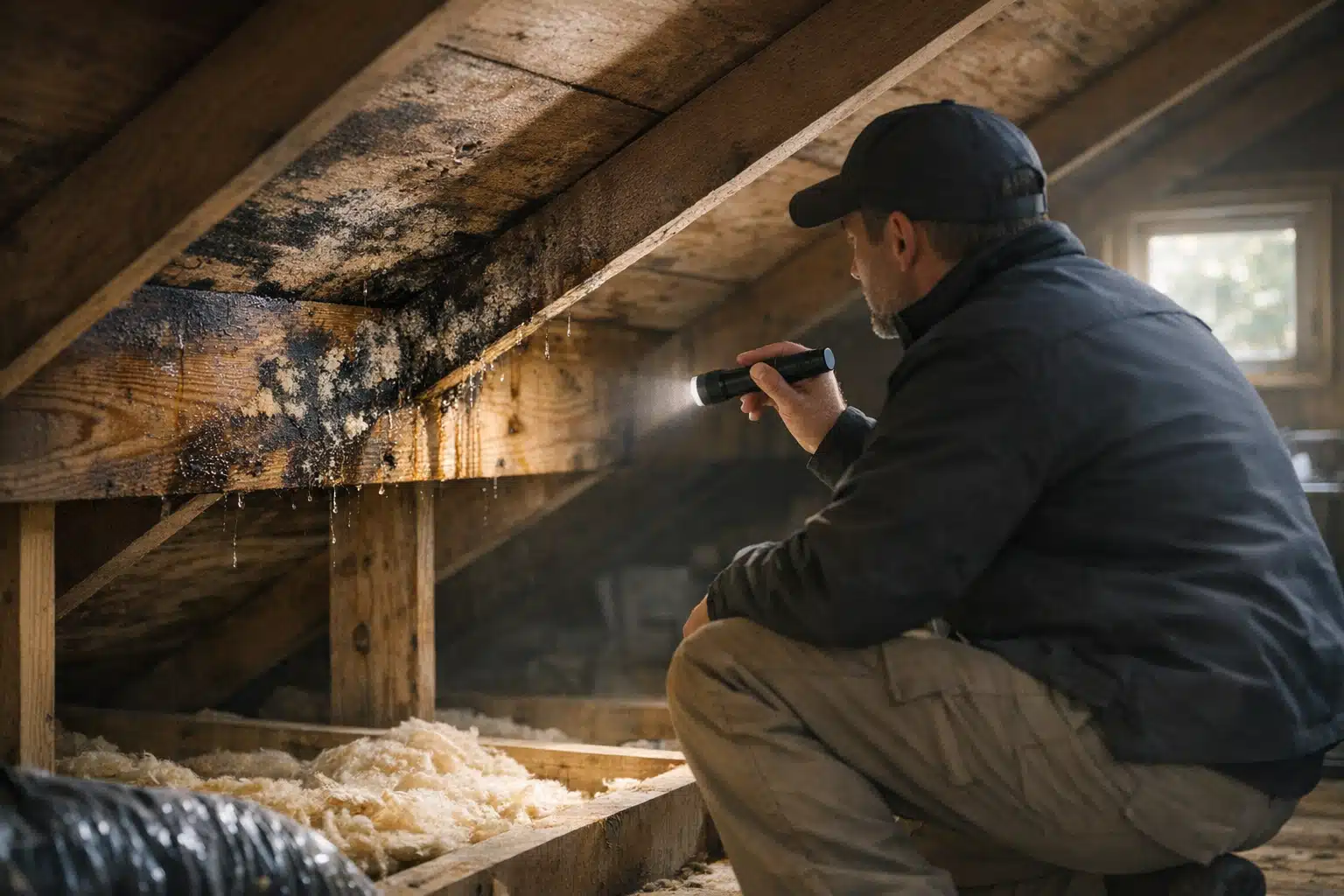
Spring weather creates the perfect conditions to discover winter damage hiding in your attic. After months of temperature swings, ice formation, and moisture buildup, your attic may harbor problems that could cost thousands if left unchecked.
An attic inspection during spring reveals damage patterns that winter weather creates but warmer temperatures make visible. You’ll learn exactly what to look for, when to schedule your inspection, and which warning signs demand immediate attention.
Winter Weather Creates Hidden Attic Damage
Colorado’s harsh winter conditions subject attics to extreme stress that becomes apparent only when spring arrives. Ice dams form when heated attic air melts roof snow, creating water that refreezes at roof edges and forces moisture into structural components.
Temperature fluctuations between 10°F and 50°F cause building materials to expand and contract repeatedly. This cycle loosens fasteners, creates gaps in insulation, and allows moisture penetration that supports mold growth during spring’s humid conditions.
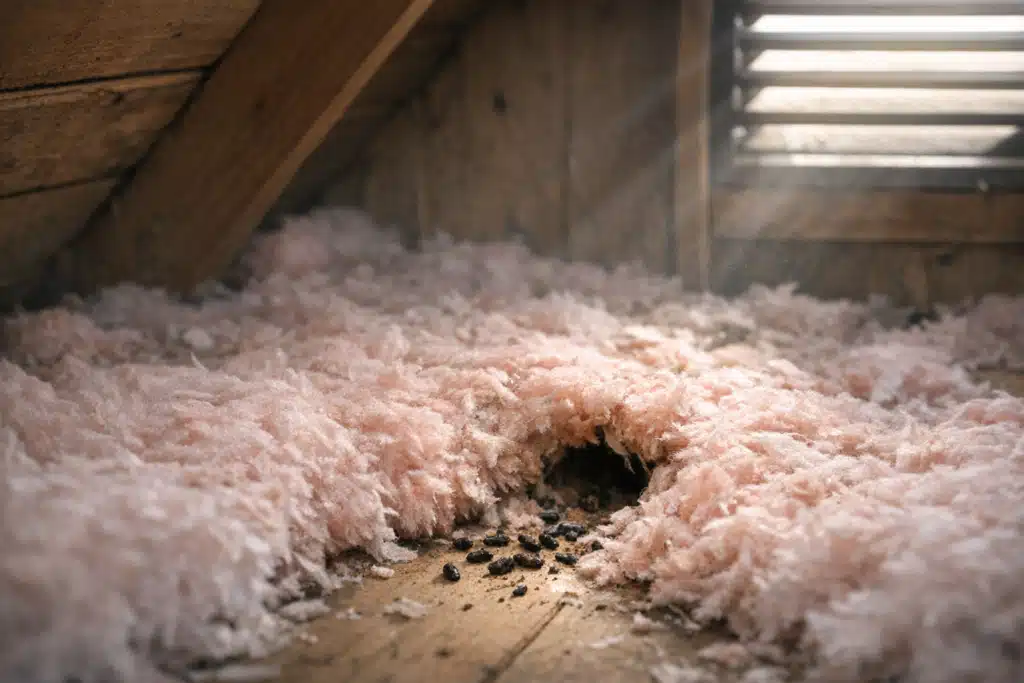
Rodents and wildlife seek warm shelter during winter months, often entering through small gaps that become larger problems. Their activity damages insulation, creates entry points for moisture, and leaves waste that poses health risks when spring cleaning begins.
Why Spring Timing Makes Your Attic Inspection Most Effective
Temperature Stability Reveals True Damage
Spring temperatures between 45°F and 65°F provide stable conditions where moisture damage becomes visible without extreme cold masking problems. Water stains, mold growth, and structural damage show clear patterns when temperatures remain consistent for several days.
Condensation patterns that winter weather creates become obvious during spring’s moderate humidity levels. You can distinguish between active leaks requiring immediate repair and historical damage that needs monitoring.
Preparation Time Before Summer Heat
Spring attic inspection allows adequate time to complete repairs before summer heat stress begins. Addressing insulation gaps, air leaks, and ventilation problems during moderate weather prevents energy loss when cooling costs peak in July and August.
Material availability and contractor scheduling work in your favor during spring months. Emergency repairs during peak summer or winter seasons often cost 30-40% more due to demand and weather constraints.
Critical Areas to Examine During Spring Maintenance
Roof Deck and Structural Components
Examine roof sheathing for dark stains, soft spots, or visible sagging that indicates moisture damage. Press gently on suspicious areas – healthy wood should feel solid, while damaged sections may feel spongy or flex under light pressure.
Check rafters and trusses for new cracks, splits, or separation at connection points. Winter’s freeze-thaw cycles can compromise structural integrity, creating safety hazards that require immediate professional evaluation.
- Water stains: Brown or gray discoloration indicating active or past leaks
- White deposits: Mineral buildup from repeated water exposure
- Rust streaks: Metal fastener corrosion suggesting ongoing moisture issues
- Mold growth: Black, green, or white patches on wood surfaces
Insulation Performance and Condition
Winter moisture exposure causes insulation to clump, settle, or develop gaps that reduce thermal performance. Wet insulation loses up to 50% of its R-value and creates conditions for mold growth that spring’s warming temperatures accelerate.
Look for areas where insulation appears compressed, discolored, or missing entirely. These spots allow heated air to escape during winter and cooled air to escape during summer, increasing energy costs year-round.
Ventilation System Function
Spring conditions allow you to assess ventilation effectiveness when both intake and exhaust systems should move air freely. Ice buildup during winter can damage soffit vents, ridge vents, or exhaust fans, creating imbalanced airflow.
Test exhaust fans by holding tissue paper near the unit – it should draw toward the fan strongly. Check soffit vents for debris, pest nests, or damage that blocks air intake needed for proper circulation.
Warning Signs That Require Immediate Professional Attention
Certain damage patterns discovered during spring inspection indicate problems beyond typical homeowner repairs. Recognizing these signs helps you prioritize professional evaluation and prevents minor issues from becoming major structural problems.
Structural Integrity Concerns
- Sagging roof deck: Visible deflection between rafters indicating structural weakness
- Cracked or split framing: Stress damage that compromises load-bearing capacity
- Separated connections: Loose or failed joints between structural components
- Multiple leak points: Several areas showing water damage suggesting widespread roofing failure
Mold and Moisture Problems
Active mold growth covering more than 10 square feet requires professional remediation to prevent health risks and structural damage. Spring’s increased humidity can accelerate mold growth that winter moisture started.
Standing water or saturated insulation indicates ongoing leaks that need immediate repair. These conditions create ideal environments for rapid mold expansion and wood rot that weakens structural components.

 Posted on Google
Creating Your Spring Attic Inspection Schedule
Plan your attic inspection for late March through early May when temperatures remain stable for at least one week. This timing allows winter damage to become visible while providing adequate repair time before summer heat stress begins.
Schedule inspection during daylight hours on a clear day when you can safely navigate attic spaces and identify problems without weather interference. Avoid rainy periods that might mask leak sources or create safety hazards on wet surfaces.
Professional vs. DIY Assessment
Homeowners can safely examine accessible areas for obvious damage signs, but professional inspection provides comprehensive evaluation including structural integrity, electrical safety, and hidden moisture problems. Professional inspectors use moisture meters, thermal cameras, and structural knowledge that reveals problems invisible to untrained eyes.
Consider professional inspection if your home experienced severe winter weather, ice dam formation, or any interior signs of water damage such as ceiling stains or unexplained humidity increases.
Long-term Benefits of Spring Attic Care
Regular spring maintenance prevents small problems from developing into expensive repairs that can cost $5,000 to $15,000 for major structural damage or mold remediation. Early detection allows targeted repairs that maintain your home’s value and safety.
Proper attic maintenance reduces energy costs by maintaining insulation effectiveness and air sealing performance. Homes with well-maintained attics typically see 15-25% lower heating and cooling costs compared to those with neglected attic systems.
Spring attic inspection protects your family’s health by identifying mold growth, pest infestations, or air quality problems before they affect living spaces. Prevention costs far less than remediation and eliminates health risks associated with contaminated air circulation.
Spring attic inspection serves as your first line of defense against winter damage while preparing your home for summer’s demanding conditions. Taking action now prevents costly repairs and protects your investment through proactive maintenance.
If your inspection reveals damage beyond basic maintenance, contact ARC Restoration at 720-799-2434 for professional assessment and restoration services that restore your attic’s protective function.
Sources
- U.S. Department of Energy – Where to Insulate in Your Home
- EPA – Mold Cleanup in Your Home
- Colorado State University Extension – Ice Dams
Spring is the ideal time to inspect attics for damage caused by winter conditions, as warmer temperatures reveal hidden issues that could lead to costly repairs. A thorough inspection can identify problems like moisture damage, insulation issues, and pest infestations, allowing homeowners to address them before summer heat sets in.
- Spring weather makes it easier to spot damage patterns that winter created. Ice dams and temperature fluctuations can lead to serious issues in attics.
- Homeowners should check for water stains, mold growth, and structural integrity during their inspection. These signs indicate whether immediate repairs are needed.
- Scheduling inspections from late March to early May allows for timely repairs and helps maintain energy efficiency throughout the year.
Spring is ideal for inspecting your attic because the weather conditions help reveal any winter damage that may have occurred. The transition from cold to warmer temperatures can expose issues like ice formation and moisture buildup, which could lead to costly repairs if not addressed promptly.


