
Mold Removal
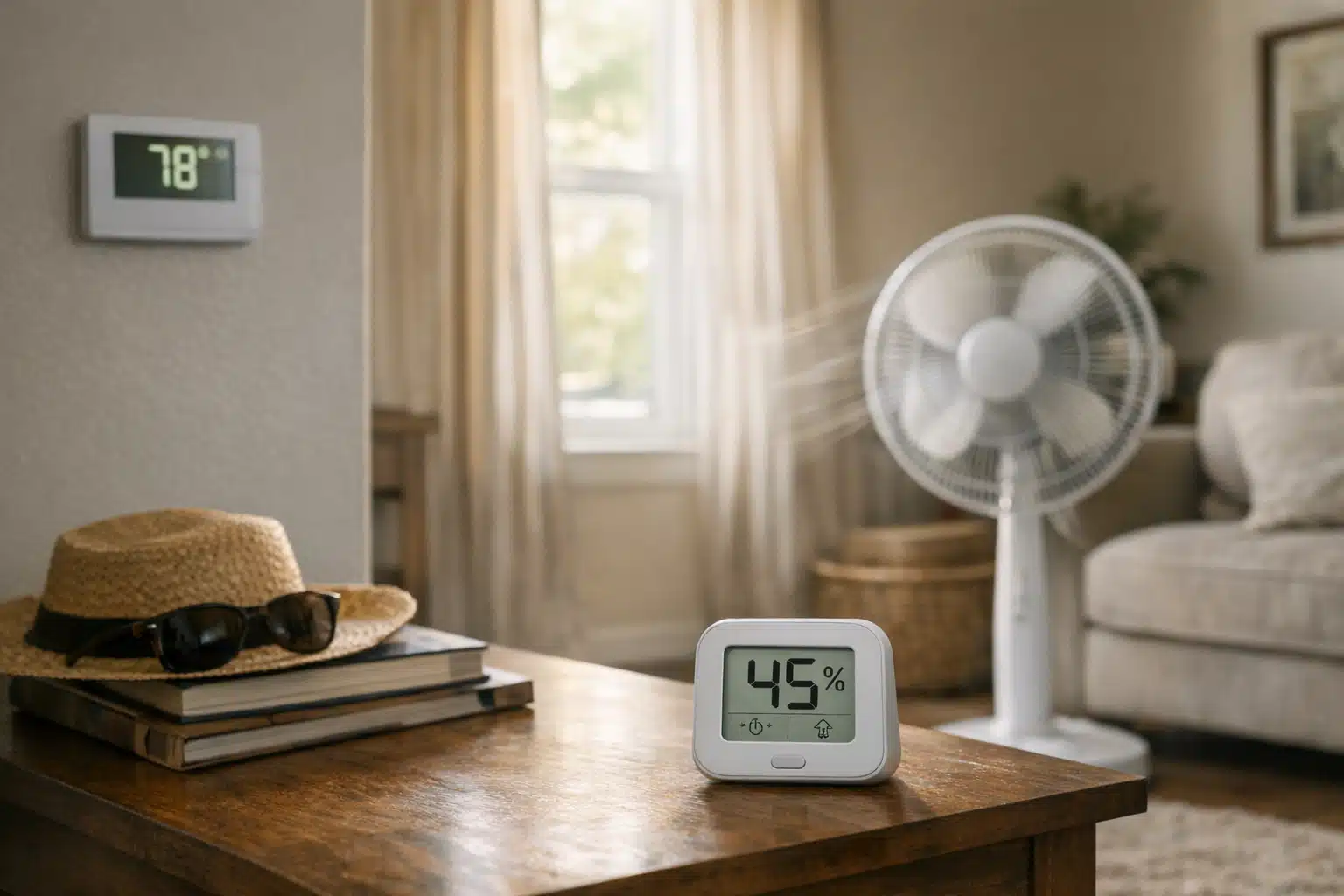
How to Prevent Mold When Leaving Your Home for Summer Vacation
A closed-up house in July is a mold factory waiting to start. When you lock the door for a two-week trip, indoor humidity climbs, air stops moving, and any small water problem gets weeks to spread unchecked. The good news: you can prevent mold during vacation with a short checklist done the day before you go. This article covers exactly what to shut off, what to leave running, and where mold shows up first in Colorado homes. Everything here comes from restoration jobs our crews have run after homeowners returned to a musty smell and stained drywall. Why Empty Homes [...]
Preventing Mold in Summer Vacation Homes
Mold can spread across a vacation home in as little as 48 hours, and empty summer properties give it the exact conditions it wants. When no one is around to spot the first musty smell or damp corner, small problems become expensive ones. This post covers vacation home mold prevention for owners who visit only a few weeks a year. You will learn why summer creates high mold risk, the specific numbers to watch, and a checklist you can hand to a caretaker. The goal is a home that smells clean when you walk in, not one that greets you [...]
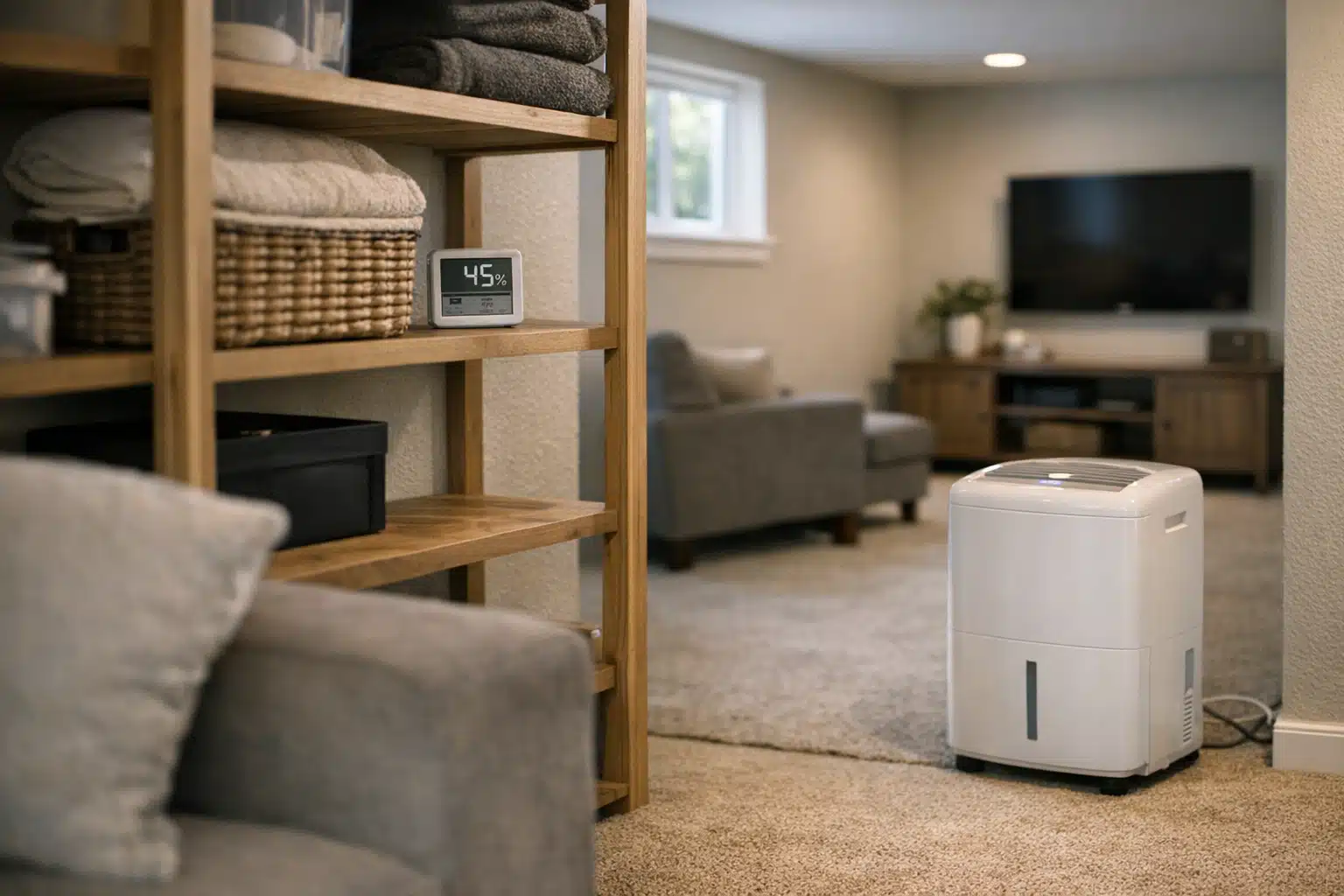
Summer Mold Prevention Tips for Humid Areas in Your Home
Mold can colonize a damp bathroom wall in as little as 24 to 48 hours during a hot Colorado summer. When afternoon monsoon storms push outdoor moisture up and air conditioners run all day, the humid areas of your home become breeding grounds for spores. This post covers where mold starts, what warning signs to watch for, and the exact steps for effective summer mold prevention. You will learn how to control humidity, protect vulnerable rooms, and know when a small problem needs expert help. Why Summer Humidity Fuels Mold Growth Mold needs three things to grow: moisture, a food [...]
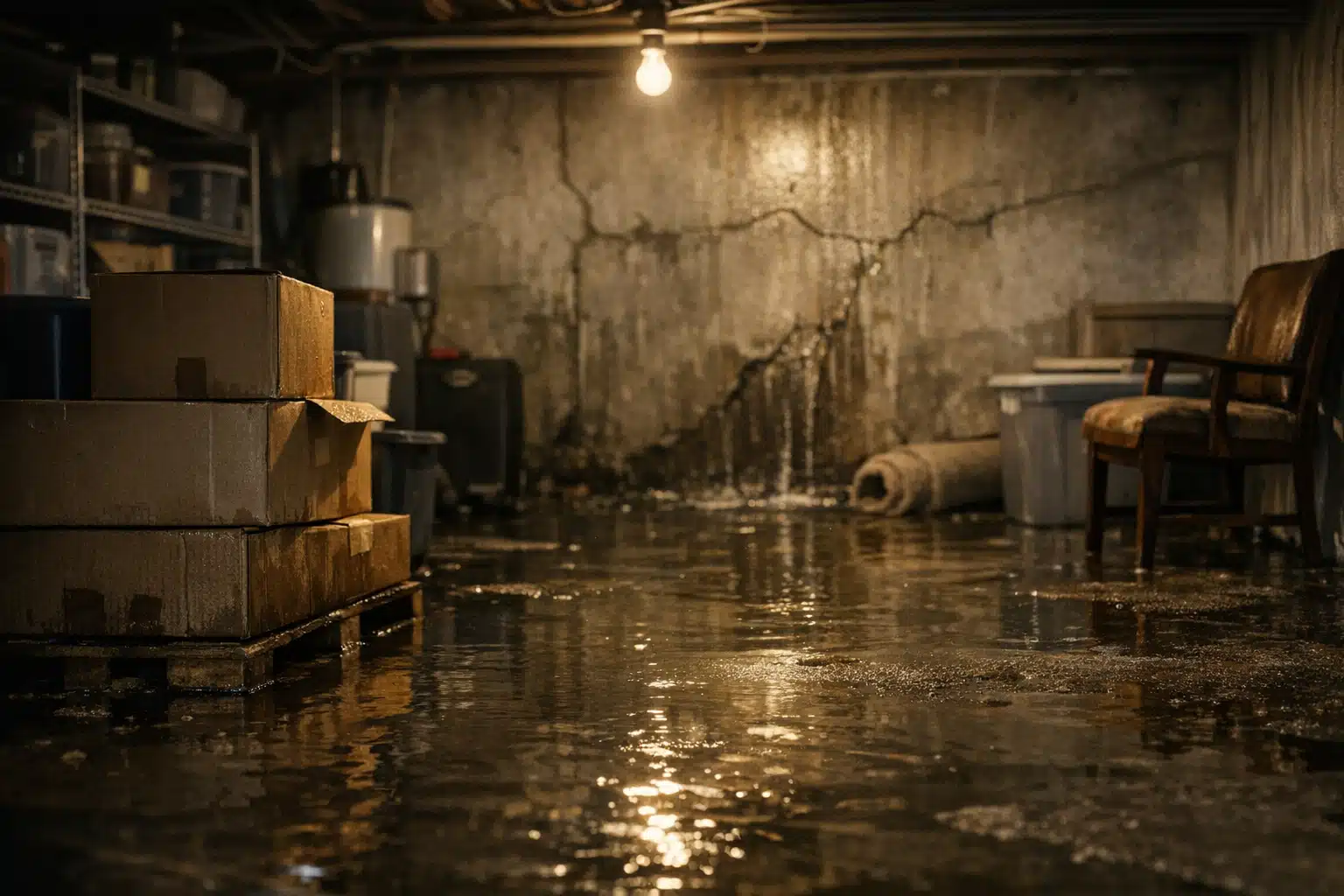
Do You Need Mold Testing After Heavy Spring Rain?
Heavy spring rain brings more than just relief from winter's grip. When storm water infiltrates your home through damaged roofs, foundation cracks, or overwhelmed drainage systems, it creates perfect breeding conditions for mold. Mold testing becomes a critical consideration when moisture persists beyond 48 hours in your living spaces. Spring storms in Colorado can dump several inches of rain in just hours. This sudden influx often overwhelms homes that have weathered months of freeze-thaw cycles, creating new vulnerabilities that allow water intrusion. Why Spring Rain Creates Perfect Mold Conditions Mold spores exist everywhere in nature, but they need three elements [...]

Spring Mold Inspection: Why It’s Important for Healthy Living
Spring brings melting snow, increased humidity, and the perfect conditions for mold growth in your home. A professional mold inspection during this season can reveal hidden moisture problems that developed over winter, protecting your family's health before small issues become major contamination events. Colorado's dramatic temperature swings create unique mold challenges that many homeowners miss until symptoms appear. This guide reveals why spring timing matters and what inspection professionals look for during peak mold season. Why Spring Creates Perfect Mold Conditions Mold spores remain dormant during cold winter months but activate rapidly when temperatures rise above 60°F and humidity exceeds [...]

The Role of Dehumidifiers in Preventing Spring Mold and Mildew
Spring rains and snowmelt in Colorado create the perfect breeding ground for mold and mildew inside homes. While most homeowners focus on cleaning gutters and checking for roof leaks, the real battleground against mold happens indoors where dehumidifiers serve as your first line of defense. Indoor humidity levels above 60% during spring months can trigger mold growth within 24 to 48 hours. Understanding how to deploy dehumidifiers strategically can save you from costly mold remediation projects later. Why Spring Creates Perfect Mold Conditions Colorado's spring weather patterns create a humidity trap inside homes. Outdoor temperatures fluctuate between freezing nights and [...]
Mold Stain Removers vs. Remediation: What’s Cosmetic vs. Structural
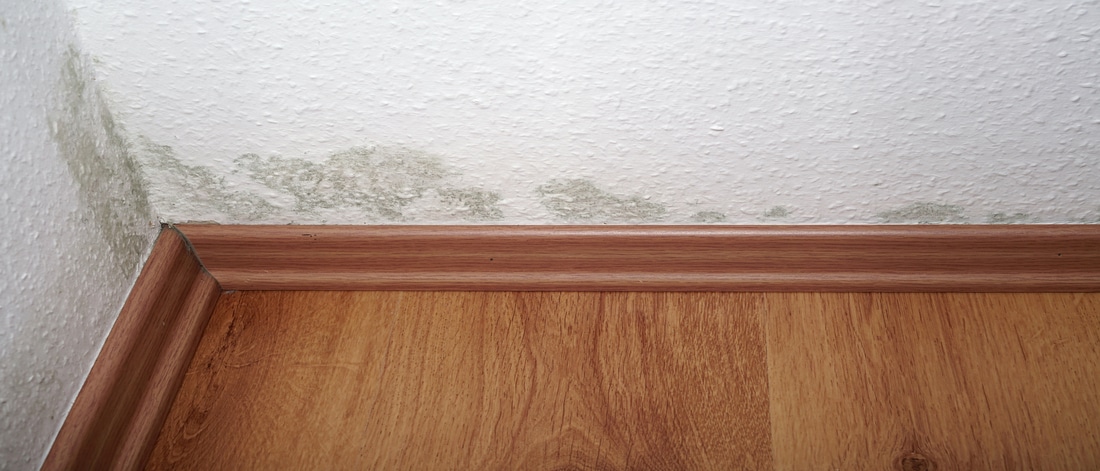
When homeowners notice dark patches on walls or basement surfaces, it’s common to reach for a mold stain remover, but that only addresses the visible discoloration. These products provide a cosmetic fix while hidden mold continues to grow beneath the surface, releasing spores and compromising indoor air quality. This false sense of cleanliness can lead to ongoing health risks and costly structural damage. True mold remediation goes beyond surface cleaning by removing contaminated materials, treating affected areas, and correcting the moisture issues that allow mold to thrive, eliminating the problem at its source, not just masking it. Understanding the Fundamental [...]
Preparing Your HVAC System for Spring to Prevent Mold Growth
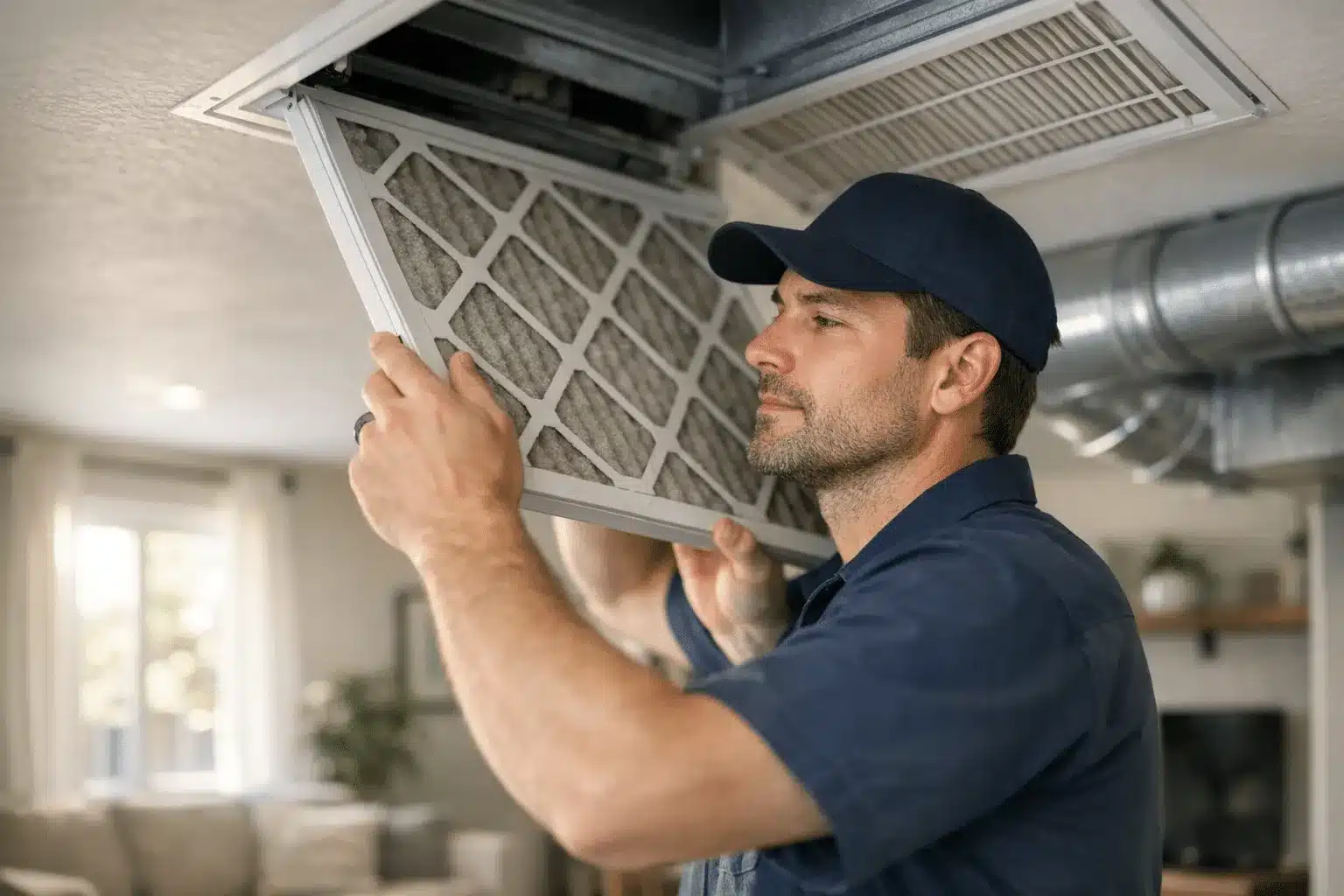
Spring's arrival brings warmer temperatures and higher humidity levels that create perfect conditions for mold growth in your HVAC system. Proper HVAC maintenance performed before the season begins can prevent costly mold remediation and protect your family's health. Colorado's unique climate presents specific challenges as winter transitions to spring. Temperature fluctuations and melting snow increase moisture levels in homes, making your heating and cooling system vulnerable to mold development. Why Spring HVAC Maintenance Prevents Mold Growth Mold spores thrive in warm, moist environments with poor air circulation. Your HVAC system can become a breeding ground when winter condensation combines with [...]
Understanding the Risks of Spring Mold Growth and How to Combat It
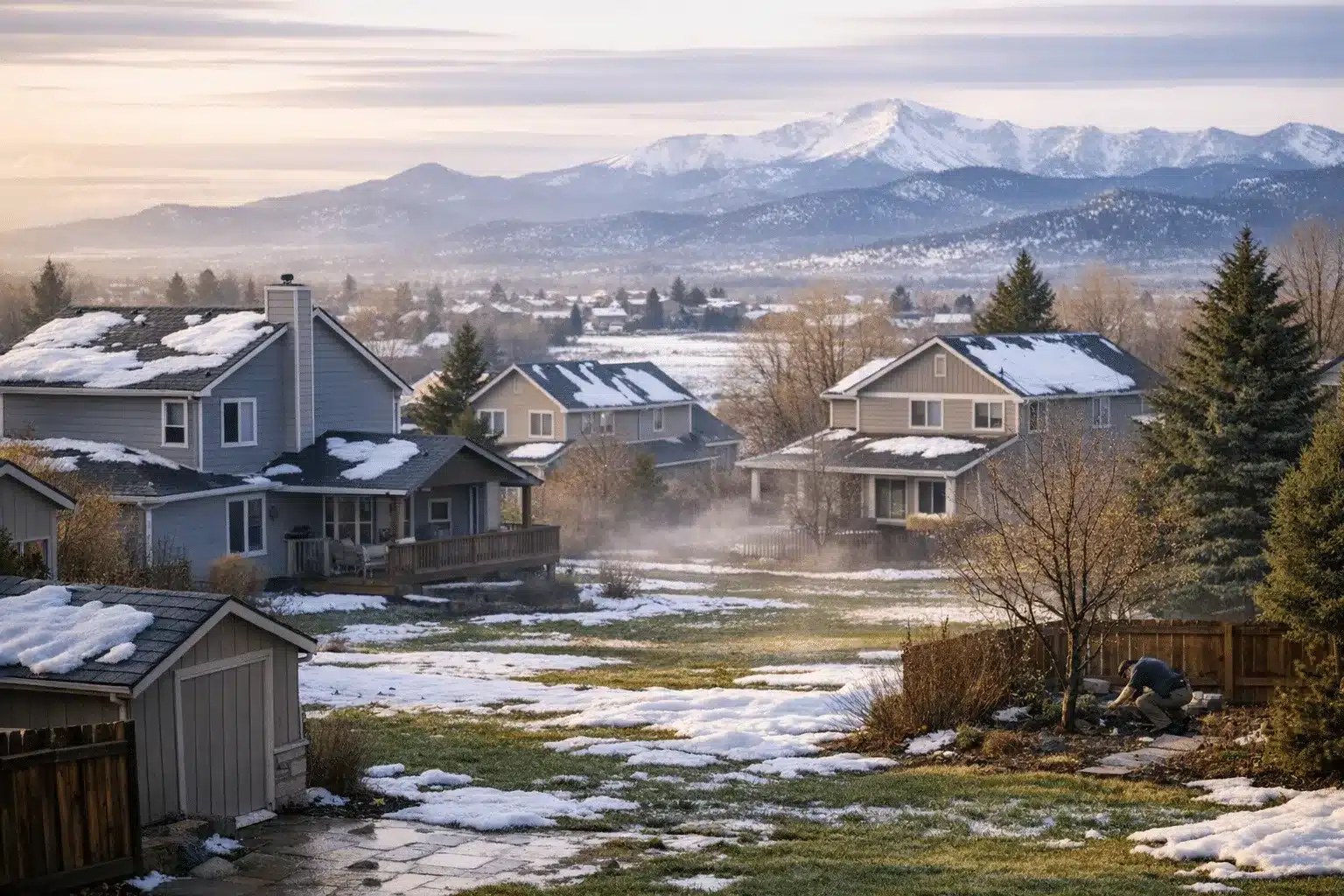
Spring weather creates perfect conditions for mold to flourish in homes across Colorado. Rising humidity levels combined with temperature fluctuations make spring mold growth a serious concern for homeowners. This seasonal shift brings unique challenges that many property owners overlook. Understanding these risks helps you protect your home and family from potentially dangerous mold exposure. Why Spring Creates Perfect Conditions for Mold Growth Spring weather patterns create an ideal environment for mold spores to multiply rapidly. Warmer temperatures activate dormant spores while increased humidity provides the moisture mold needs to thrive. Colorado's spring climate brings several factors that accelerate mold [...]

Crawl Space Drying Basics: Humidity
Maintaining proper humidity in your crawl space is essential to protecting your home’s structure, air quality, and overall health. According to the Environmental Protection Agency (EPA), the ideal relative humidity range is 30–50%, while levels above 60% create conditions where mold spores rapidly multiply. Research from the American Society of Heating, Refrigerating, and Air-Conditioning Engineers (ASHRAE) confirms that high humidity promotes moisture buildup, mold growth, and wood decay. Excess humidity doesn’t stay confined below your floors. Through the stack effect, up to 40% of the air on your main level comes from your crawl space, carrying moisture, odors, and contaminants [...]
Services
Recent Post
Understanding Insurance for Summer Water Damage Claims
How Insurance Treats Summer Water [...]
Tips for Managing Fire Hazards During Summer Festivals
Colorado summer festivals draw thousands [...]
How to Protect Your Home’s Exterior Paint from Summer Sun Damage
Why Summer Sun Damage Hits [...]


