
How to Prevent Mold When Leaving Your Home for Summer Vacation
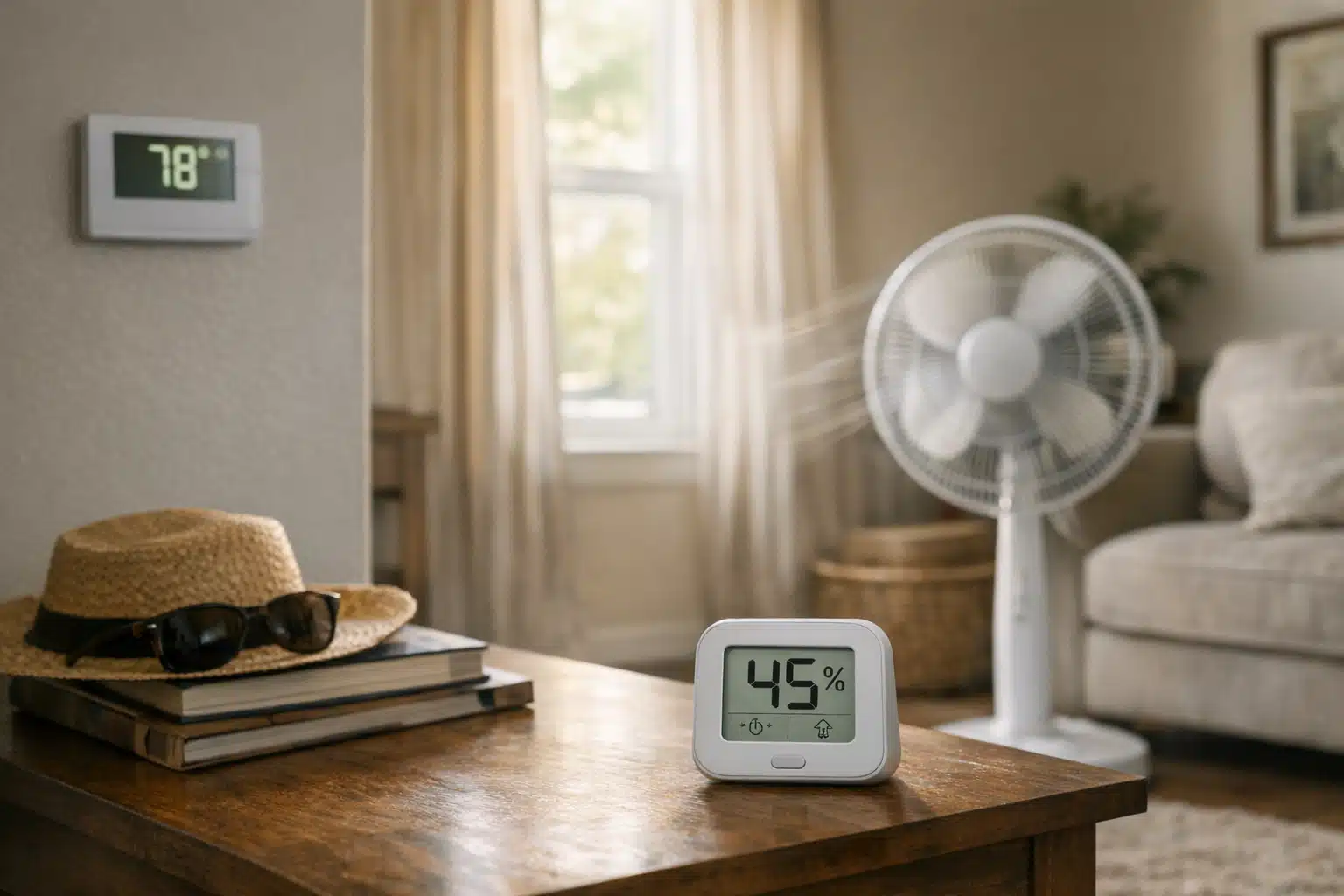
A closed-up house in July is a mold factory waiting to start. When you lock the door for a two-week trip, indoor humidity climbs, air stops moving, and any small water problem gets weeks to spread unchecked.
The good news: you can prevent mold during vacation with a short checklist done the day before you go. This article covers exactly what to shut off, what to leave running, and where mold shows up first in Colorado homes.
Everything here comes from restoration jobs our crews have run after homeowners returned to a musty smell and stained drywall.
Why Empty Homes Grow Mold in Summer
Mold needs three things: moisture, a food source, and time. An empty summer home hands over all three at once.
When the AC is off, indoor temperatures in a Denver-area home can hit the high 80s. Warm air holds more moisture, and drywall, wood trim, and carpet padding feed mold spores.
Relative humidity above 60% is the trigger. Mold can begin growing on damp surfaces in 24 to 48 hours. Two weeks of unattended humidity is more than enough for visible colonies.
Colorado’s summer humidity trap
Colorado is dry outside, which fools many homeowners into skipping precautions. The risk is indoors, not out.
Afternoon monsoon storms in July and August spike outdoor moisture fast. If a window seal fails or a swamp cooler leaks during a storm, that water sits for your entire trip.
How to Prevent Mold During Vacation: A Pre-Trip Checklist
Prevent mold during vacation by controlling humidity, stopping water sources, and keeping air moving. Work through these steps the day before departure.
- Set your thermostat to 78-80°F, not “off.” Running the AC intermittently pulls moisture from the air and keeps humidity in check.
- Check indoor humidity with a $15 hygrometer. Aim to keep it between 30% and 50%.
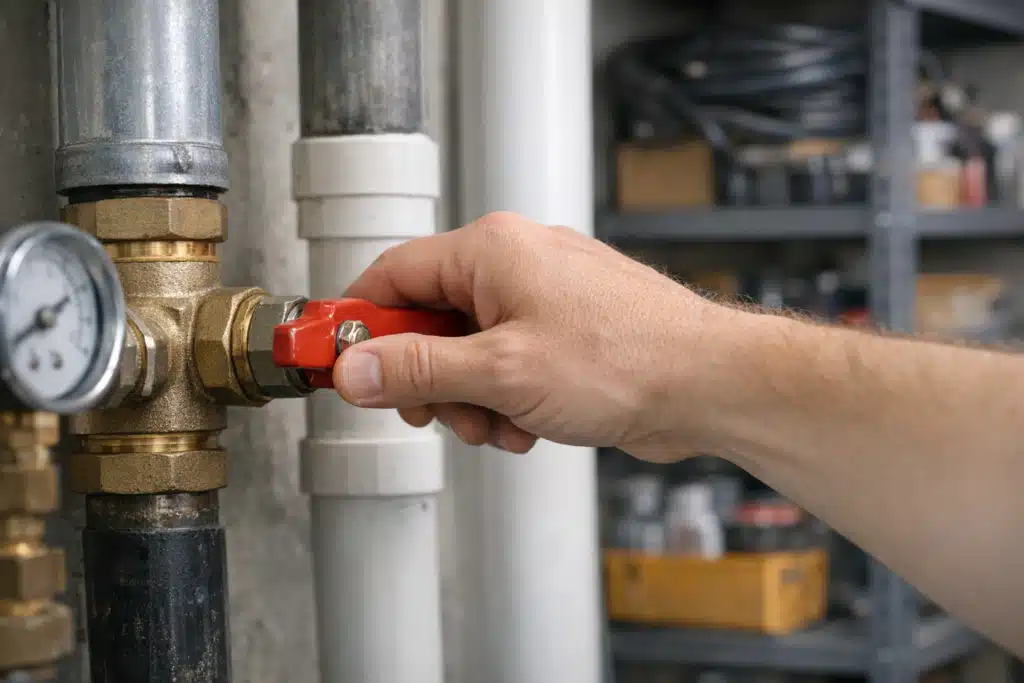
- Shut off the main water supply. A burst supply line to a washing machine or toilet can flood a home for days.
- Drain and turn off water heaters if you are gone longer than two weeks.
- Empty and clean the refrigerator if you plan to unplug it, then leave the door propped open.
- Run bathroom and kitchen exhaust fans on timers, or leave interior doors open for airflow.
- Clear gutters and check downspouts. Overflow from a summer storm drives water into basements and crawl spaces.
Should you leave the AC running?
Yes, leave the AC running at a higher setpoint. Many homeowners shut it off to save money, then pay far more in mold remediation.
A programmable thermostat at 78°F costs a few dollars a week to run. Compare that to ,000 to ,000 for a mid-size mold cleanup after a two-week trip.
Stop Water Leaks Before You Leave
Undetected leaks cause most vacation mold jobs we respond to. A slow drip becomes a saturated cabinet base over 14 days.
Walk the house and inspect the spots that fail most:
- Under kitchen and bathroom sinks — feel supply-line connections for moisture.
- Water heater base and drain pan — look for rust or standing water.
- Washing machine hoses — replace any that are cracked or bulging.
- Toilet supply valves — hairline drips soak subfloors fast.
- Refrigerator ice-maker lines — a common source of hidden kitchen leaks.
- Basement and crawl space — check for damp spots after recent rain.
Replacing a braided washing machine hose beats returning to a flooded laundry room. This single swap prevents one of the most costly water losses we see.
Install a smart water shutoff
A smart leak detector sends an alert to your phone when it senses moisture. Some models close the main valve automatically.
For a home you leave empty several weeks each summer, this device pays for itself the first time it catches a leak. Place sensors near the water heater, washer, and under the kitchen sink.
Control Humidity While You’re Away
Humidity control is the single biggest defense for an empty home. Even without a leak, trapped moist air feeds mold on closet walls and behind furniture.
Use these humidity tools
- AC in “auto” mode at 78°F removes moisture during each cooling cycle.
- A dehumidifier with a drain hose runs unattended without filling a tank. Route the hose to a floor drain.
- Moisture absorbers in closets and bathrooms handle small pockets of damp air.
Basements need extra attention because cool concrete condenses moisture. A basement dehumidifier set to 50% is worth the electricity for a long trip.
Keep interior air moving
Stagnant air lets moisture settle on surfaces. Set your HVAC fan to “on” instead of “auto” so air circulates even when the AC is not cooling.
Open closet and cabinet doors that hide dead-air pockets. Mold loves the dark corner behind a closed pantry.

 Posted on Google
Summer Home Care for Extended Absences
Trips longer than three weeks call for extra summer home care beyond the basic checklist. The longer the gap, the more a small problem grows.
Ask a neighbor, friend, or house-sitter to check in every few days. Give them one job: look and smell for water and mustiness.
A quick walk-through every three days catches problems while they are still cheap to fix. A stain caught at day three is a wipe-down. The same stain at day 21 is a wall cavity remediation.
What your check-in person should look for
- Water stains on ceilings or around windows
- A musty or earthy smell near entry
- Damp carpet edges along exterior walls
- Standing water near appliances
- Condensation on windows or basement walls
Second homes and mountain properties
Mountain cabins and second homes face wider temperature swings. Cool nights and warm days drive condensation inside closed structures.
For properties you visit only a few times each summer, a monitored humidity sensor gives peace of mind. Many connect to WiFi and alert you when moisture climbs.
What to Do If You Return to Mold
If you come home to a musty smell or visible growth, act fast and limit spread. Small surface mold on a hard surface can be cleaned. Growth on porous materials like drywall and carpet usually needs removal.
- Do not run the HVAC system. It spreads spores to other rooms.
- Photograph everything for your insurance claim.
- Find the moisture source and stop it if you safely can.
- Keep people with allergies or asthma out of affected rooms.
- Call a restoration team for anything larger than about 10 square feet.
Mold hidden inside walls needs moisture testing and containment. A crew that handles this weekly will find the source and dry the structure before rebuilding.
Key Takeaways
Prevent mold during vacation by keeping humidity below 50%, running the AC at 78°F, and shutting off the main water supply. Stop leaks before you go and ask someone to check the home every few days on long trips.
A few dollars in electricity and a $12 hose beat thousands in remediation after a summer away.
If you return to water damage or mold, ARC Restoration handles Colorado cleanup and remediation. Call or text 720-799-2434, email office@advancedrestorationcolorado.com, or visit https://advancedrestorationcolorado.com.
Sources
- U.S. Environmental Protection Agency – Mold Cleanup in Your Home
- U.S. Environmental Protection Agency – Mold Course Chapter 2: Why and Where Mold Grows
- Centers for Disease Control and Prevention – About Mold
- U.S. Department of Energy – Thermostats
Preventing mold in your home during summer vacations is essential, as closed spaces can quickly become breeding grounds for mold due to humidity and stagnant air. Following a simple checklist before leaving can help mitigate these risks and protect your property.
- Set your thermostat to 78-80°F to control humidity and keep air circulating. Check indoor humidity levels and aim for 30% to 50%.
- Shut off the main water supply and inspect for leaks to prevent water damage while you are away.
- Consider asking someone to check your home every few days during extended absences to catch any potential issues early.
To prevent mold while away on summer vacation, ensure your home is well-ventilated and humidity levels are controlled. Use dehumidifiers, leave air conditioning on, and check for leaks before you leave. Sealing windows and doors can also help maintain a dry environment, reducing the risk of mold growth.


