
Understanding Insurance for Summer Water Damage Claims
Understanding summer water damage claims is essential for homeowners, as insurance coverage varies significantly based on the cause of the damage. Knowing the distinctions between covered and excluded scenarios can help ensure claims are filed correctly and efficiently.
- Most standard homeowners policies cover sudden and accidental water damage but exclude gradual leaks and flooding. Understanding these distinctions is key to a successful claim.
- Commonly covered damages include storm-related rain and appliance failures, while flooding from rising water is typically excluded.
- Documenting damage promptly and following proper claim procedures can greatly influence the outcome of a claim, especially in borderline cases.
Homeowners insurance typically covers sudden and accidental water damage during summer, such as burst pipes or unexpected leaks. However, it usually excludes damage resulting from gradual leaks or flooding, which means homeowners should review their policies carefully to understand their coverage limits.
How Insurance Treats Summer Water Damage Claims
Summer water damage often catches homeowners off guard, and the insurance answer is rarely simple. Most standard homeowners policies cover water damage that is sudden and accidental but exclude damage from gradual leaks or flooding.
That single distinction decides thousands of summer water damage claims each year. Knowing where your situation falls can mean the difference between a paid claim and a denial.
This post breaks down what summer conditions cause covered losses, which ones get denied, and the exact steps to file a strong claim.
What Summer Conditions Actually Cause Water Damage
Summer creates water damage in ways that differ from winter freezes. The cause of the damage determines whether your policy responds.
Sudden Storm and Monsoon Damage
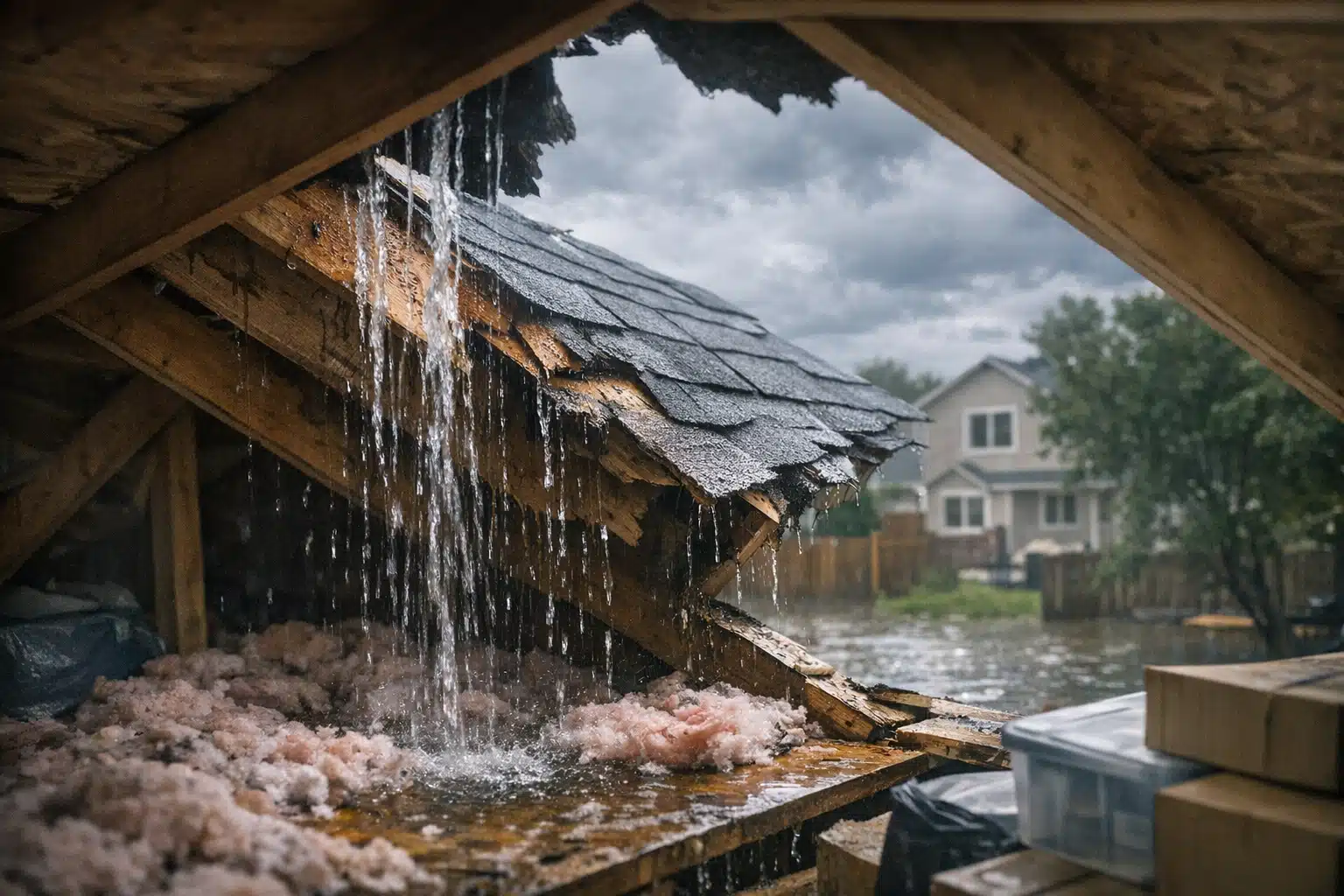
Colorado’s summer monsoon season brings heavy afternoon downpours from July into September. When wind-driven rain enters a home after a storm damages the roof, most policies treat it as a covered loss.
An example: hail cracks your roof shingles, and rain pours into the attic that same week. The rain damage tied to the storm event is usually covered.
Air Conditioning and Appliance Failures
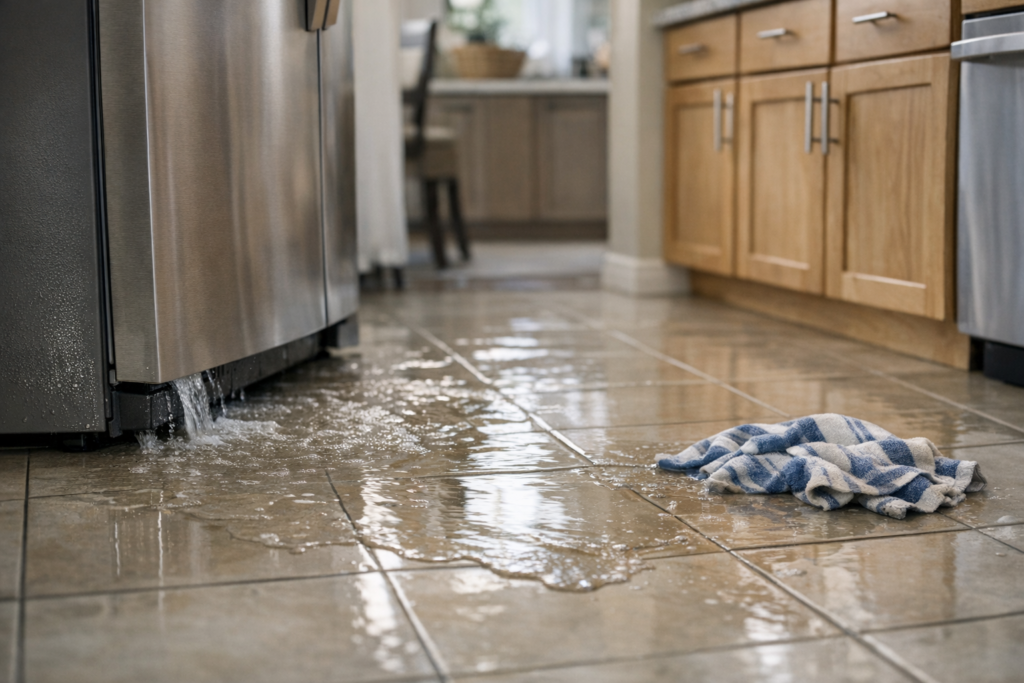
Summer runs your AC hard, and condensate lines clog with algae and debris. A sudden overflow that soaks a ceiling or floor is commonly covered as accidental discharge.
Refrigerator water lines and washing machine hoses fail more in heat. A burst supply line that floods a kitchen counts as sudden damage under most policies.
Groundwater and Flooding
Rising groundwater and surface flooding are excluded from standard homeowners policies. Flood damage requires a separate policy from the National Flood Insurance Program or a private flood carrier.
If a flash flood pushes water under your door, homeowners insurance will not pay. This is the most misunderstood point in summer water damage claims.
Covered vs. Excluded: A Quick Comparison
Insurance understanding starts with knowing which side of the line your damage sits on. Here is how common summer scenarios sort out.
Usually covered:
- Rain entering after storm-damaged roof or windows
- Burst washing machine hose or supply line
- Sudden AC condensate overflow
- Water heater tank rupture
- Accidental overflow from a broken appliance
Usually excluded:
- Flood water from rivers, creeks, or heavy rainfall pooling outside
- Groundwater seeping through the foundation
- Slow leaks that went unnoticed for weeks
- Damage from poor maintenance or old, corroded pipes
- Backed-up sewer lines without a sewer backup endorsement
Why Gradual Damage Gets Denied
Gradual water damage is the leading reason summer claims fail. Insurers argue that slow leaks reflect a maintenance issue, not a sudden accident.
A dripping pipe behind a wall that rots framing over two months rarely qualifies. Adjusters look for water staining, mold growth, and corrosion that signal an ongoing problem.
The takeaway: report damage fast. A leak found and reported the same day reads very differently than one discovered after visible mold sets in.
The Mold Timing Problem
Summer heat and humidity speed mold growth to 24 to 48 hours after water exposure. Many policies cap mold coverage or exclude it when it stems from neglected leaks.
Fast drying protects both your home and your claim. Documented same-day mitigation strengthens the argument that the loss was sudden.
How to File a Strong Summer Water Damage Claim
A well-documented claim moves faster and gets denied less. Follow these steps in order after you find water damage.
- Stop the source if you can do so safely. Shut off the water supply or cover a roof breach.
- Photograph everything before cleanup. Capture standing water, damaged materials, and the failure point.
- Call your insurer and open a claim the same day when possible.
- Start mitigation immediately. Policies require you to prevent further damage, and fast action supports the sudden-loss argument.
- Keep receipts for water extraction, drying equipment, and temporary repairs.
- Save damaged items until the adjuster inspects, unless they pose a health risk.
Skipping mitigation can void part of your coverage. Your policy language usually requires reasonable steps to limit the loss.

 Posted on Google
What Adjusters Look For in Summer Claims
Adjusters investigate the cause and the timeline before approving payment. Their findings shape your payout.
They inspect for signs the damage was sudden versus prolonged. Rust, layered water lines, and established mold suggest a long-term leak.
They also check whether maintenance failures contributed. A condensate drain never cleaned or a hose visibly worn can reduce or deny a claim.
How Documentation Changes the Result
Timestamped photos and a same-day claim date carry real weight. Restoration reports that log moisture readings and dry-out progress support the sudden-loss position.
ARC Restoration provides moisture mapping and drying logs that adjusters accept as evidence. That paperwork often decides borderline summer water damage claims.
Coverage Add-Ons Worth Reviewing Before Summer
Standard policies leave gaps that summer conditions expose. Review these endorsements before storm season peaks.
- Sewer and drain backup endorsement: covers water pushed back through drains during heavy rain.
- Flood insurance: the only coverage for rising water and surface flooding.
- Sump pump failure coverage: pays when a pump quits during a storm.
- Service line coverage: covers underground pipe failures on your property.
A short call to your agent before July can close gaps that would otherwise cost thousands.
What to Do When a Claim Is Denied
A denial is not always final. Many summer water damage claims are overturned with better evidence.
Request the denial reason in writing. If the insurer cites gradual damage, counter with dated photos and a restoration report showing sudden onset.
You can request a second inspection or hire an independent adjuster. A restoration company that documented the loss can supply supporting records.
Conclusion
Summer water damage claims come down to one question: was the damage sudden and accidental, or gradual and preventable? Storm-driven rain and burst appliance lines usually qualify, but flooding and slow leaks do not without specific coverage. Fast reporting and strong documentation decide most borderline cases.
ARC Restoration handles emergency water extraction, drying, and the documentation that supports your claim. Call or text 720-799-2434, email office@advancedrestorationcolorado.com, or visit https://advancedrestorationcolorado.com to start your recovery.
Sources
- Insurance Information Institute – Understanding Water Damage Coverage
- FEMA National Flood Insurance Program – FloodSmart
- U.S. Environmental Protection Agency – Mold Cleanup in Your Home


