
Fire Restoration
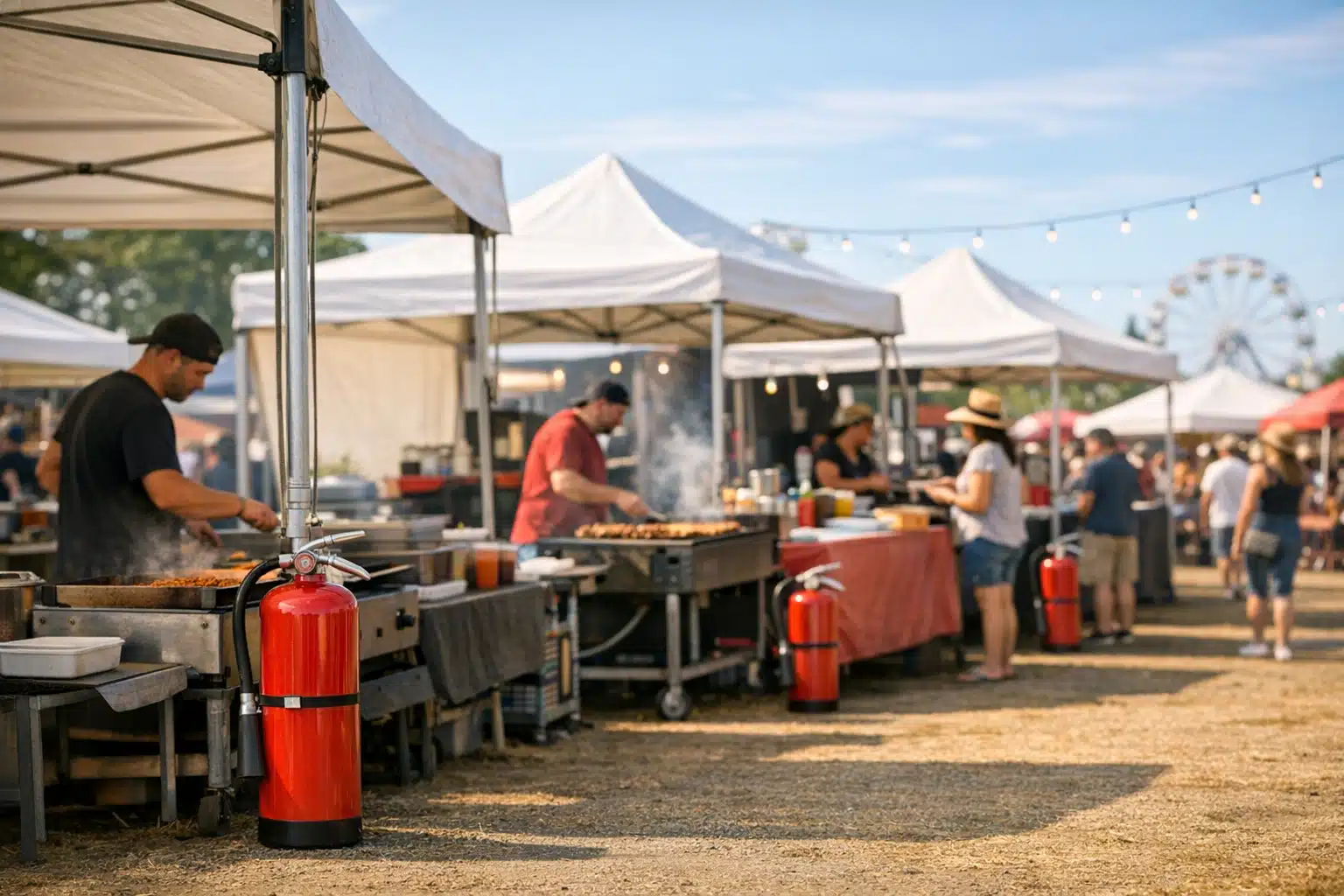
Tips for Managing Fire Hazards During Summer Festivals
Colorado summer festivals draw thousands of people onto dry grass, near propane grills, and around firework displays during the driest months of the year. Each of these conditions creates real fire hazards that can turn a family event into an emergency in minutes. This article breaks down the specific risks at local events and the steps that keep people and property safe. Organizers, vendors, and attendees all share responsibility for fire prevention. Knowing where the danger sits lets you act before flames spread. Why Summer Festivals Carry Elevated Fire Risk in Colorado Summer festivals combine open flame, dense crowds, and [...]
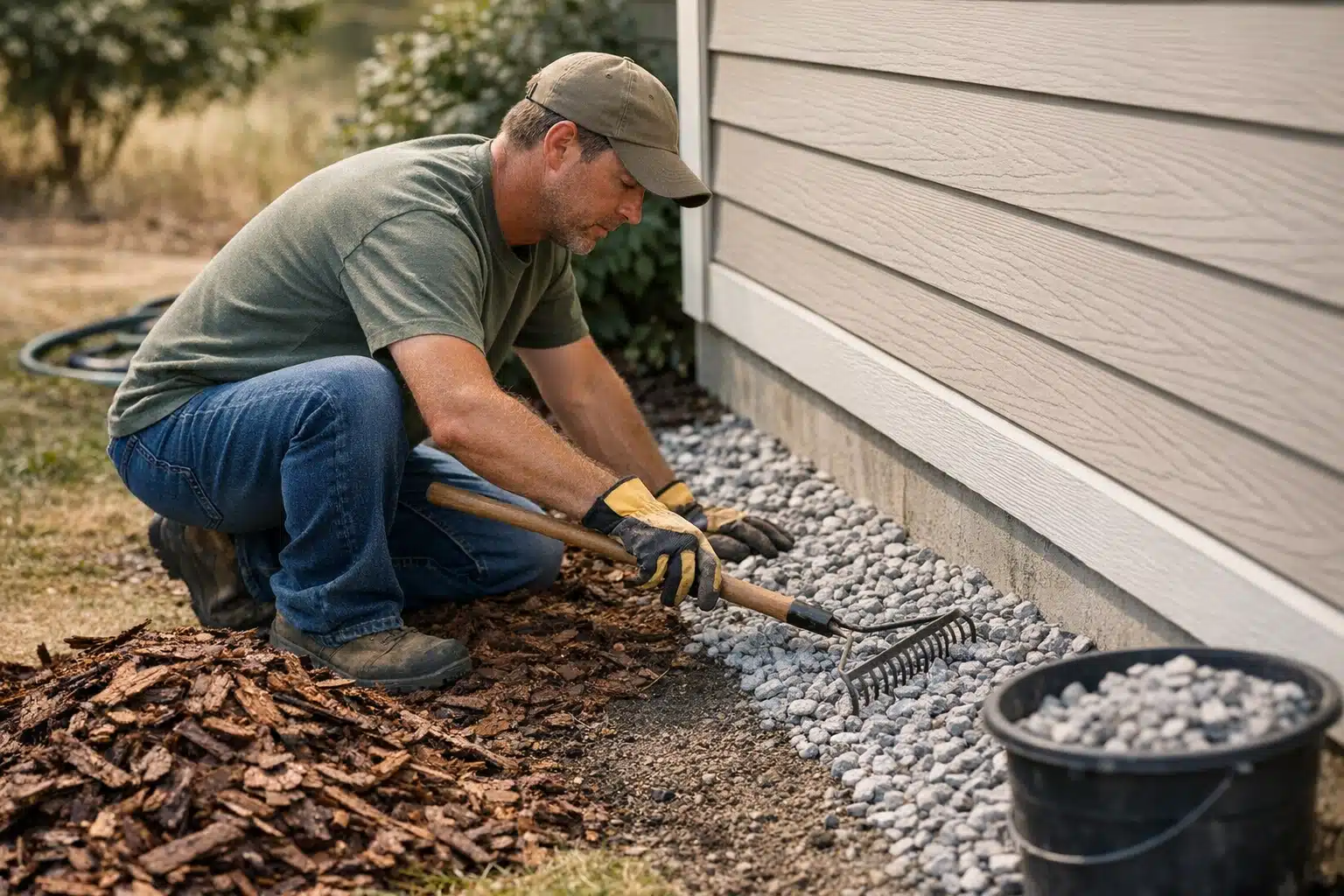
Preparing Your Home for Late Summer Wildfires
August and September mark the driest, most dangerous stretch of Colorado's fire season. Late summer wildfires ignite fast because months of heat have cured grasses, drained soil moisture, and stressed pine stands into perfect fuel. At ARC Restoration, our crews respond to fire and smoke damage across the Front Range, and the homes that fare best share the same habits. This post walks you through the exact steps to harden your property before the peak burn window hits. Why Late Summer Wildfires Behave Differently Late summer wildfires burn hotter and spread faster than spring fires. By August, the fine fuels [...]
Avoiding Fire Risks with Outdoor Summer Activities
A single ember from a backyard grill can ignite a fence, a deck, or dry grass in seconds. Colorado summers combine low humidity, high winds, and holiday gatherings, which makes outdoor fire safety a real concern for homeowners. This post breaks down the fire risks tied to specific summer activities and how to stop them before they start. At ARC Restoration, our crews respond to fire damage across the Front Range every summer. Most of what we see traces back to a handful of avoidable mistakes. Why Outdoor Fire Safety Matters More in Colorado Summers Colorado's dry climate turns small [...]
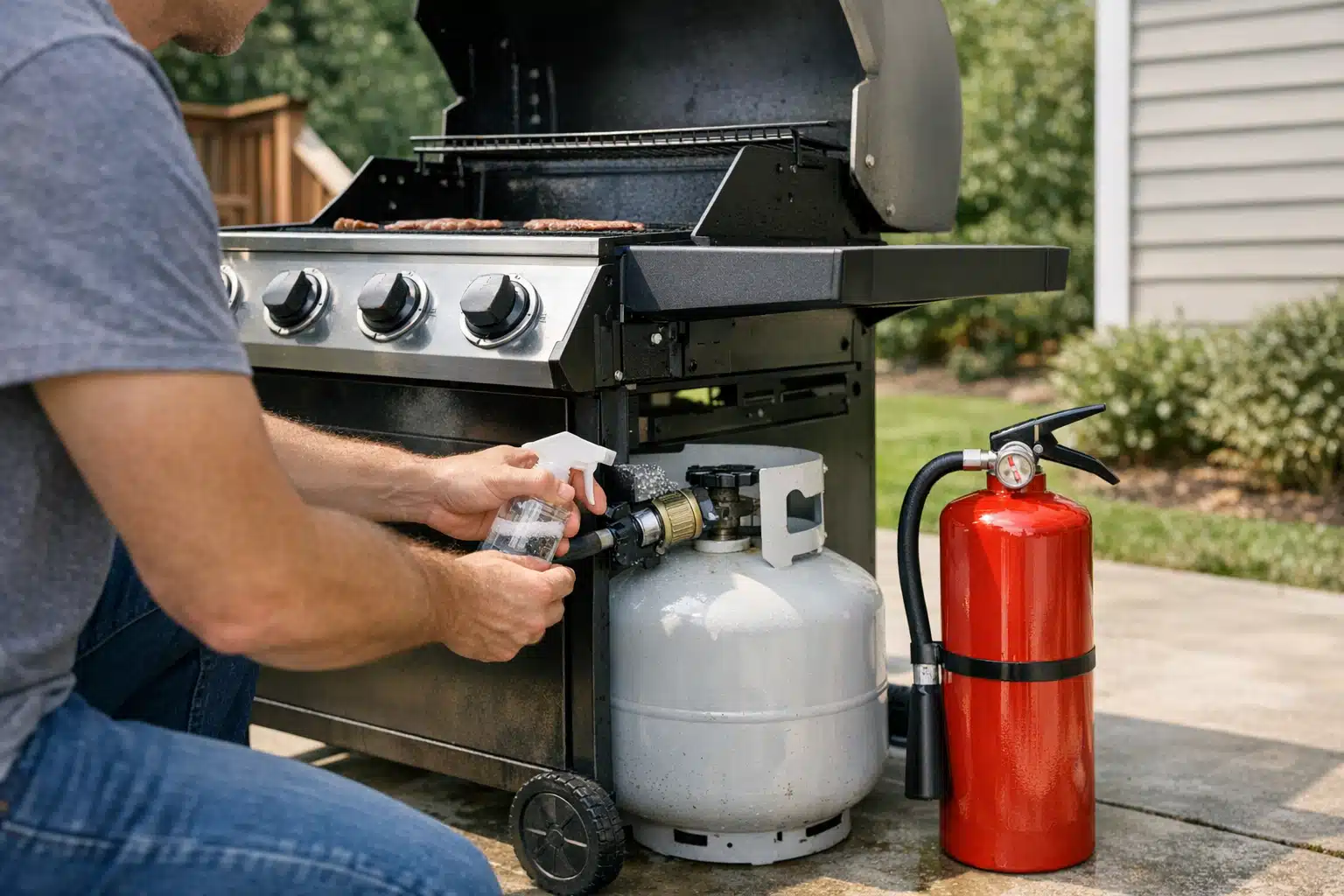
Summer Grilling Safety: Avoiding Fire Hazards
Every July, fire departments across Colorado respond to backyard grill fires that started with a small, avoidable mistake. A grease buildup ignites. A propane hose leaks. A grill placed too close to vinyl siding melts and catches. Grilling safety comes down to a handful of specific habits that stop small sparks from becoming structure fires. This post covers where to place your grill, how to handle propane and charcoal, and what to do when flames spread. Each tip targets a real cause of summer fire hazards we see in restoration work. Why Summer Grilling Causes More Fires Than You Think [...]
How to Address Fire Damage After a Summer Lightning Strike
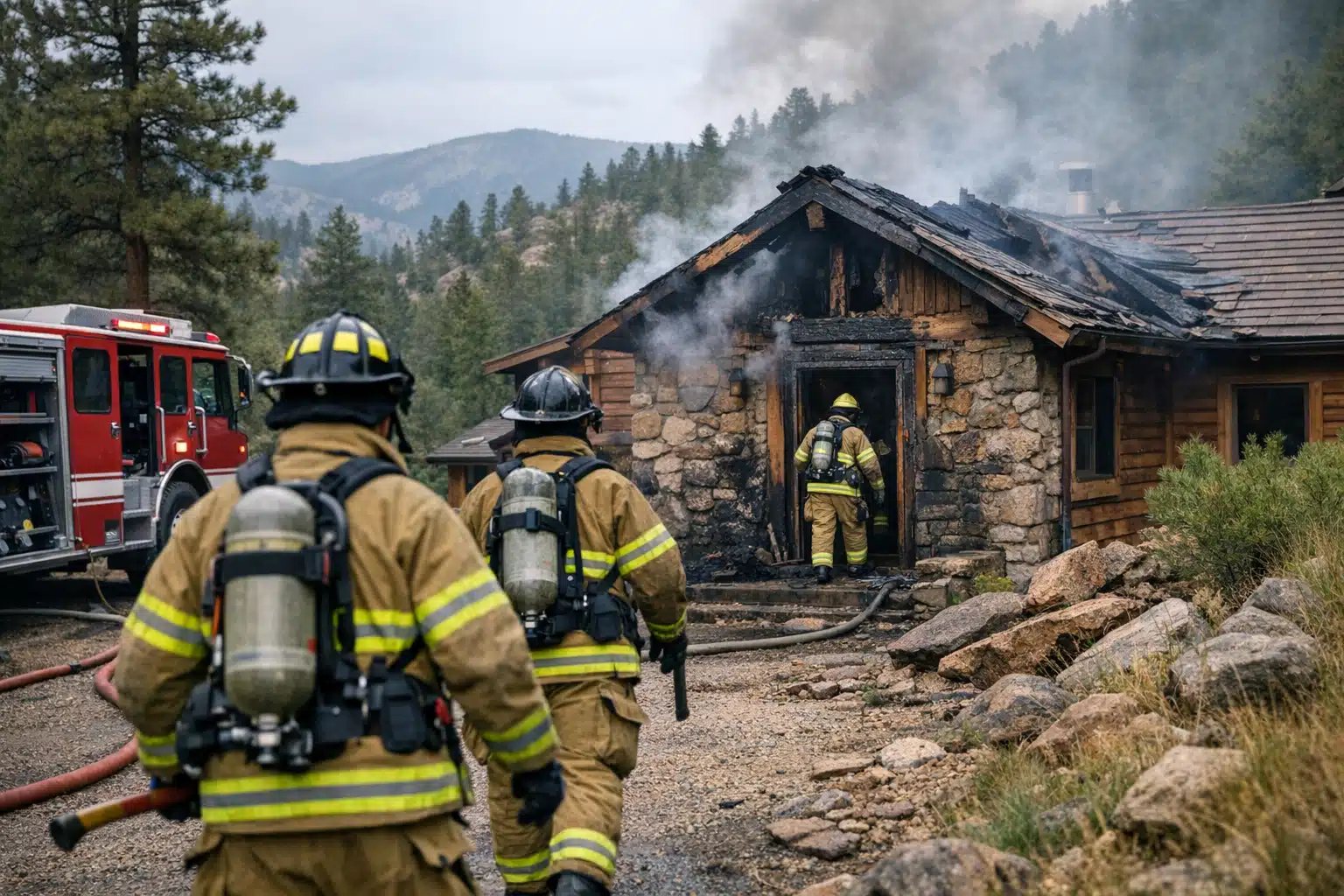
A single lightning bolt can push 300 million volts into a Colorado home in under a millisecond. That energy has to go somewhere, and in mountain and Front Range homes, it can ignite fires inside walls and attics long before you smell smoke. Fire damage restoration after a summer lightning strike starts with knowing where the hidden damage hides. Colorado's monsoon season, from July into September, brings dry-air thunderstorms that spark both structure fires and wildfires. This post covers how lightning fires start, what to do in the first hours, and how ARC Restoration repairs the specific damage a strike [...]
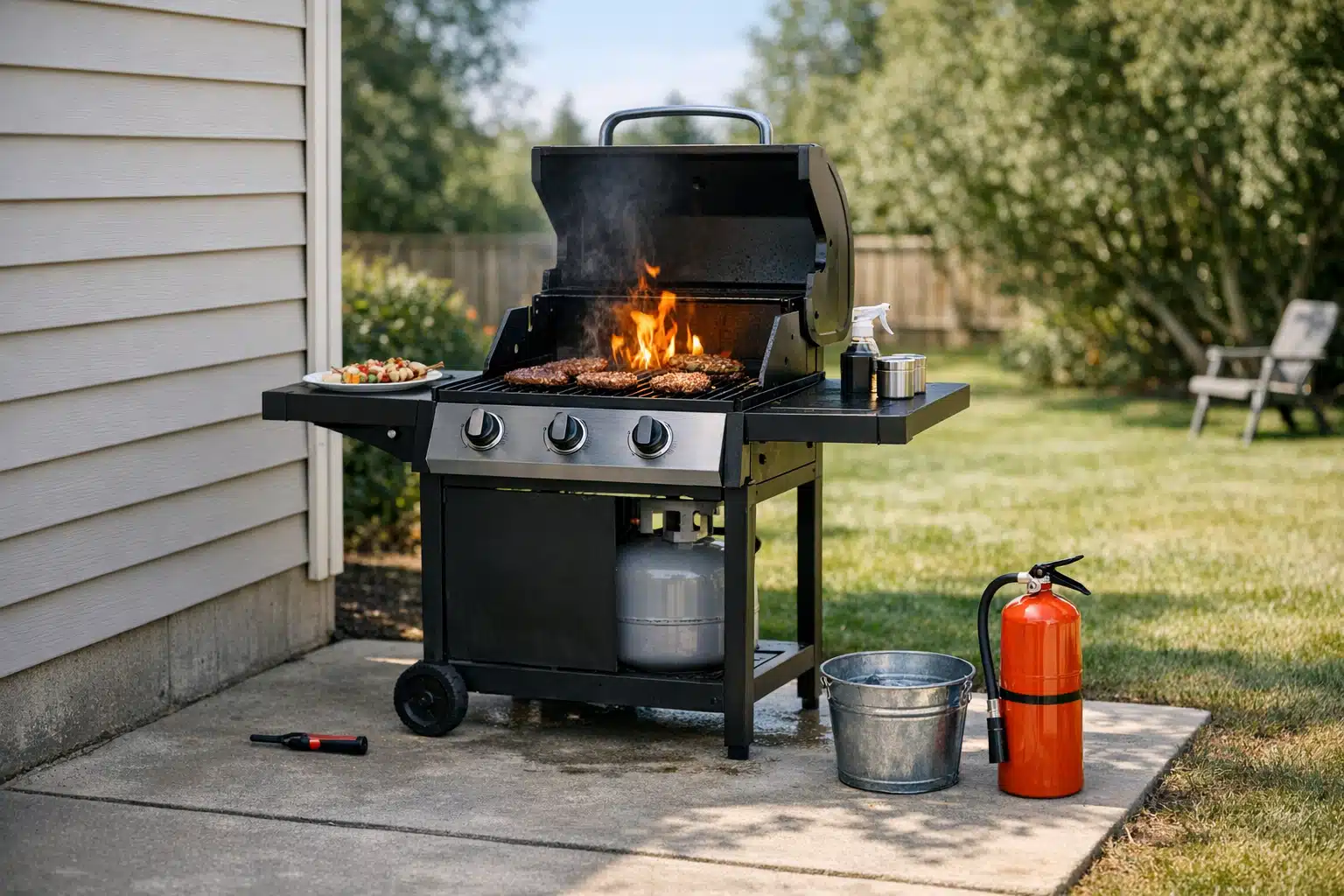
How to Choose the Right Fire Extinguisher for Summer Grilling
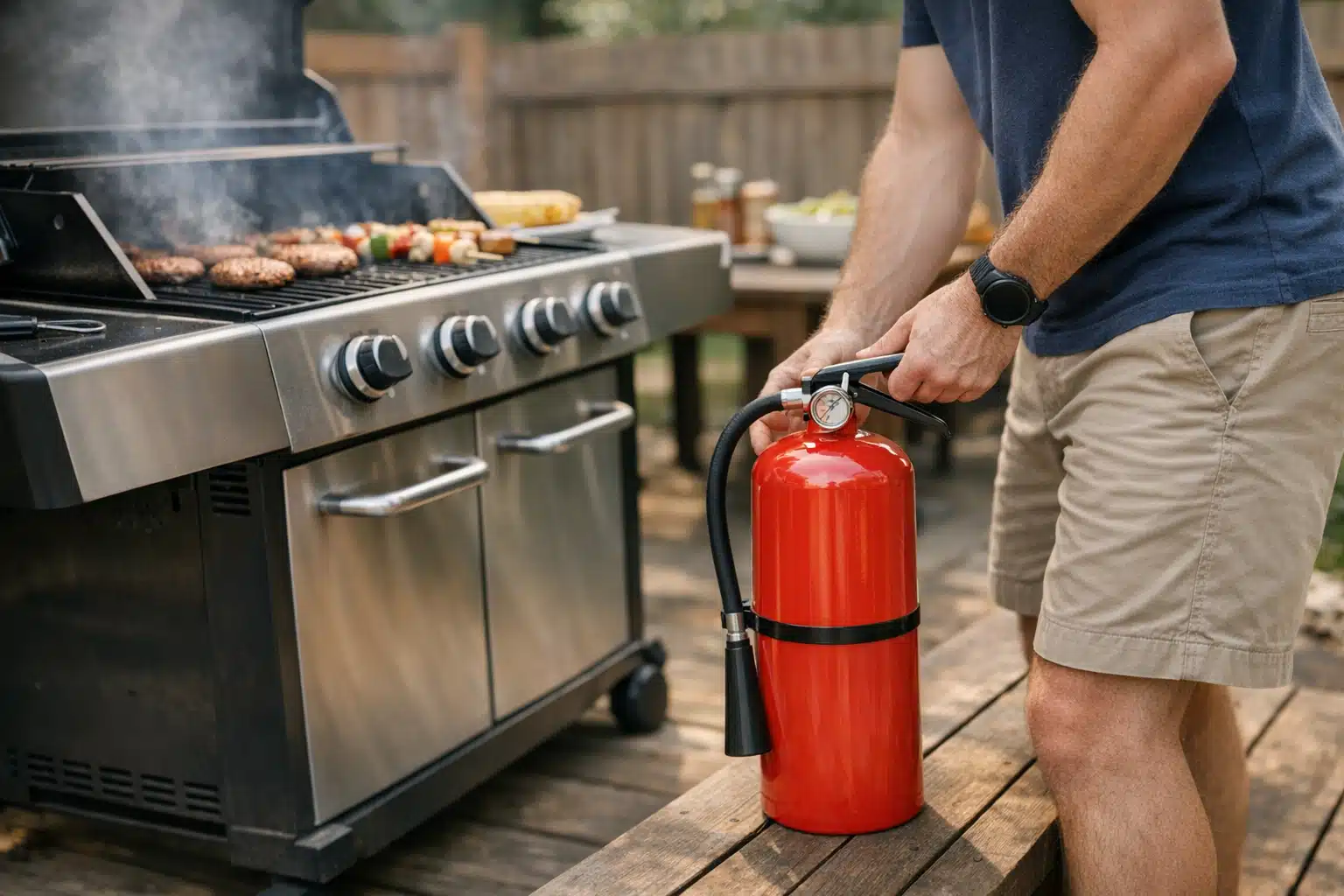
Every July, fire departments across the country respond to a spike in backyard grill fires. The most common mistake homeowners make is grabbing the wrong extinguisher or reaching for a garden hose. A summer fire extinguisher matched to your grill setup can stop a flare-up before it reaches your deck, siding, or fence. This post covers which extinguisher classes fight grill fires, how to size and place your unit, and the specific hazards that show up between Memorial Day and Labor Day. Why Grill Fires Need a Specific Extinguisher Grill fires involve two fuel types: flammable liquids and grease. A [...]

Deodorizing vs. Restoring: Why Cleaning Smoke Isn’t Enough
Property owners often assume that eliminating smoke odor means a property is safe, but deodorizing and true restoration are not the same. Surface cleaning and odor treatments only mask the smell, leaving behind toxic residues embedded deep within porous materials like drywall, insulation, and wood. These contaminants, including VOCs, formaldehyde, and other carcinogens, continue to off-gas into the air long after the fire is out, posing ongoing health risks. Proper restoration goes beyond odor removal, targeting contamination at its source through advanced testing, specialized equipment, and removal of compromised materials. Understanding the difference isn’t just about cleanliness—it’s about safety, liability, [...]
Asbestos & Lead Considerations During Water/Fire Mitigation
When water or fire damage affects older buildings, hidden hazards like asbestos and lead can turn a routine cleanup into a serious health risk. Properties built before 1980 often contain asbestos-containing materials or lead-based paint, both of which can become dangerous when disturbed by flooding or fire. Water damage can break down materials and release asbestos fibers into the air, while fire can transform lead paint into toxic airborne particles. Federal regulations require testing and air monitoring before any mitigation begins, making proper inspection, containment, and certified abatement essential steps before standard restoration work can safely move forward. Understanding the [...]

Wildfire Smoke vs. Structure Smoke: Different Particles
Smoke exposure isn’t one-size-fits-all. While wildfire smoke and structure fire smoke are often treated as the same hazard, they contain very different particles that pose very different health risks. Wildfires burn natural vegetation, producing fine particulate matter, while structure fires consume plastics, treated wood, and synthetic materials that release ultrafine, chemically toxic particles capable of penetrating deep into the lungs and bloodstream. Understanding these differences is critical for proper protection, cleanup, and long-term health, especially for firefighters, restoration professionals, and property owners affected by fire damage. What Makes Wildfire Smoke Unique Wildfire smoke contains different chemicals than smoke from burning [...]
Tips for Preventing House Fires While Grilling
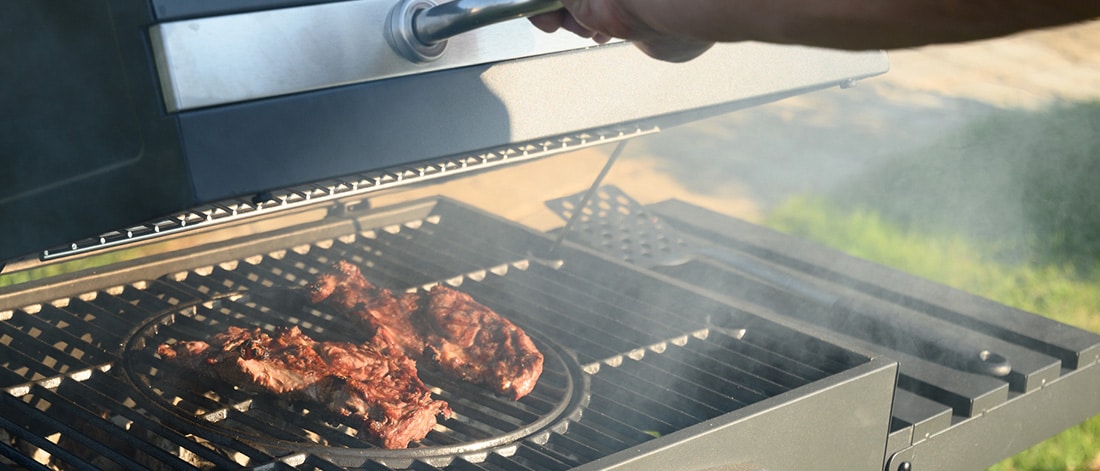
According to the National Fire Protection Association (NFPA), grills cause an average of 10,600 fires each year, highlighting the importance of safety, whether you use a gas grill, charcoal grill, or smoker. Grilling is a beloved activity that brings friends and family together over delicious meals and warm summer evenings, but it also carries potential fire risks that should never be overlooked. Many of these fires result from simple mistakes or a lack of proper maintenance. By prioritizing safety and following essential precautions, you can enjoy your outdoor cooking without endangering your home or loved ones. These expert tips for [...]
Services
Recent Post
Understanding Insurance for Summer Water Damage Claims
How Insurance Treats Summer Water [...]
Tips for Managing Fire Hazards During Summer Festivals
Colorado summer festivals draw thousands [...]
How to Protect Your Home’s Exterior Paint from Summer Sun Damage
Why Summer Sun Damage Hits [...]


