
How to Address Fire Damage After a Summer Lightning Strike
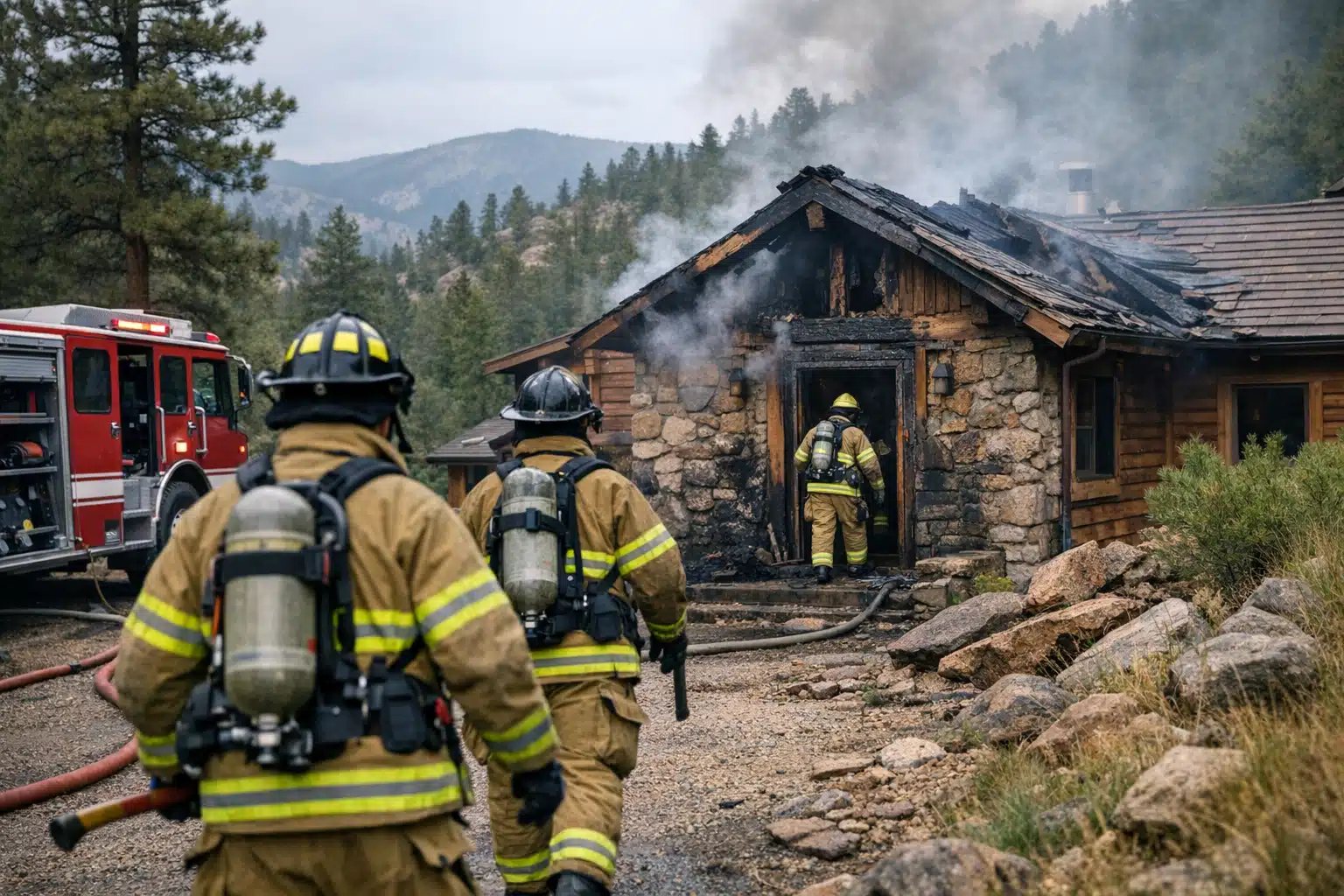
A single lightning bolt can push 300 million volts into a Colorado home in under a millisecond. That energy has to go somewhere, and in mountain and Front Range homes, it can ignite fires inside walls and attics long before you smell smoke. Fire damage restoration after a summer lightning strike starts with knowing where the hidden damage hides.
Colorado’s monsoon season, from July into September, brings dry-air thunderstorms that spark both structure fires and wildfires. This post covers how lightning fires start, what to do in the first hours, and how ARC Restoration repairs the specific damage a strike leaves behind.
Why Summer Lightning Strikes Cause Fire Damage in Colorado
Lightning strike damage is destruction caused when a bolt’s electrical current travels into a structure and ignites materials or overloads wiring. Colorado sees more of this than most states.
The state ranks among the top in the country for lightning density during summer storms. High elevation puts homes closer to storm activity. Dry July and August air means static builds fast and strikes hit hard.
Three things make Colorado lightning fires distinct:
- Dry fuel load: Low summer humidity leaves attic wood and insulation ready to burn.
- Remote strikes: Foothill and mountain homes may see fire spread before crews arrive.
- Whole-home surges: One strike can fry wiring across every circuit at once.
Direct Strikes vs. Surge Damage
A direct strike hits the roof, chimney, or a nearby tree and jumps to the structure. This causes visible flame and structural burns.
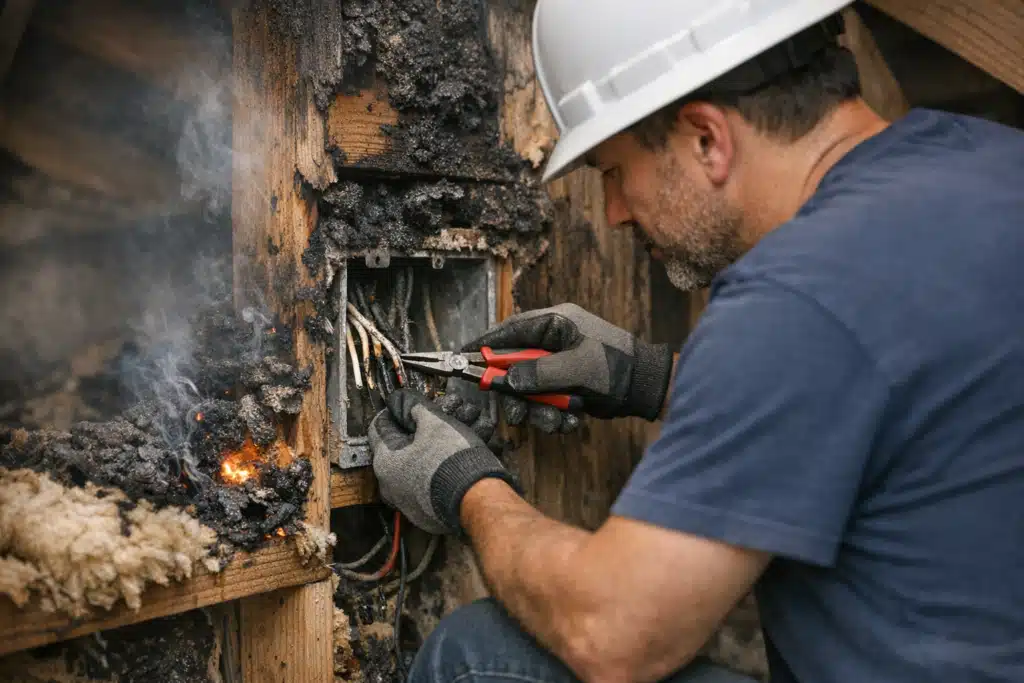
A surge travels in from power lines or grounding systems. It overheats wiring inside walls, which can smolder for hours before igniting.
The First Hours After a Lightning Fire
What you do in the first few hours shapes the entire repair effort. Follow these steps in order.
- Get everyone out. Leave the home even if you see no flames. Smoldering wall fires produce carbon monoxide.
- Call 911. Report a possible lightning fire so crews check hidden spaces.
- Do not re-enter. Attic and roof fires weaken framing you cannot see from below.
- Shut off power at the meter only if you can reach it safely from outside.
- Photograph everything from a safe distance for your insurance claim.
- Call a fire damage restoration team. Early cleanup limits smoke and soot spread.
Reach ARC Restoration at 720-799-2434 once the fire department clears the scene. We respond across the Front Range around the clock.
Hidden Fire Damage a Lightning Strike Leaves Behind
Lightning fires cause damage that visual inspection misses. This is where a strike differs from a kitchen or fireplace fire.
Attic and Roofline Damage
Most Colorado lightning fires start at the highest point of the home. Bolts hit metal flashing, satellite dishes, or roof vents first.
Fire can burn along rafters while the ceiling below shows nothing. We inspect attics with thermal cameras to find heat pockets and charred framing.
Wiring and Electrical Systems
A surge can melt wire insulation inside your walls without tripping a single breaker. That damaged wiring becomes a fire risk months later.
Every lightning-struck home needs an electrical inspection before power is restored. We coordinate with licensed electricians during repair.
Smoke and Soot Migration
Smoke from an attic fire drifts down into living spaces and HVAC ducts. Soot settles on walls, fabrics, and inside vents you rarely open.
Left untreated, acidic soot etches metal and stains drywall within days. Fast cleaning prevents permanent damage to surfaces and belongings.
How ARC Restoration Handles Fire Damage Restoration After a Strike
Our repair work follows a set order built around lightning-specific damage. Each step targets a problem a strike creates.
- Structural assessment: We check roof framing, attic spaces, and load-bearing walls for burn damage.
- Board-up and tarp: We seal roof holes and broken openings against summer rain.
- Water extraction: Firefighting water and monsoon rain both need removal before mold starts.
- Soot and smoke cleaning: We treat surfaces, contents, and duct systems to stop acidic damage.
- Odor removal: We use thermal fogging and air scrubbers to clear smoke smell from framing.
- Reconstruction: We rebuild roofs, attics, walls, and finishes back to pre-loss condition.
We document each stage for your insurance carrier. This keeps your claim moving and reduces out-of-pocket cost.
Working With Colorado Insurance Claims
Lightning fire claims move faster when damage is documented from day one. We photograph, log, and itemize every affected area.
Our team speaks directly with adjusters about hidden attic and wiring damage they might overlook. This protects your payout for repairs you cannot see.

 Posted on Google
Preventing Lightning Fire Damage Before the Next Storm
You cannot stop lightning, but you can reduce what it destroys. A few upgrades cut fire risk on Colorado homes.
- Install a lightning protection system. Rods and grounding cable route current safely into the earth.
- Add whole-home surge protection. This shields wiring and appliances from power-line surges.
- Clear roof debris. Dry pine needles in gutters and valleys catch sparks fast.
- Trim overhanging branches. A struck tree can drop fire onto your roof.
- Test smoke alarms monthly. Attic-adjacent alarms give early warning of hidden fires.
Homes above 7,000 feet face higher strike odds during monsoon months. Protection matters more the higher you live.
Key Takeaways
Summer lightning strikes in Colorado start fires in attics, roofs, and wiring that stay hidden from view. Acting fast, evacuating, and calling a fire damage restoration team limits smoke, soot, and structural loss. Prevention steps like surge protection and lightning rods reduce risk before the next storm rolls off the Rockies.
If lightning has struck your home, call ARC Restoration at 720-799-2434, text the same number, or email office@advancedrestorationcolorado.com. Visit https://advancedrestorationcolorado.com to request emergency response.
Sources
- National Weather Service – Lightning Safety
- NFPA – Lightning and Home Fire Safety
- U.S. Fire Administration – Home Fire Prevention
Lightning strikes can cause hidden fire damage in Colorado homes, igniting materials and overloading wiring. Understanding the risks and taking immediate action is essential for effective fire damage restoration.
- Lightning fires often start in attics and roofs, making early detection crucial. They can cause damage that is not visible during initial inspections. Fast action and professional restoration help limit further damage and ensure safety.
- A single lightning bolt can push 300 million volts into […] A single lightning bolt can push 300 million volts into a Colorado home in under a millisecond.
- That energy has to go somewhere, and in mountain and Front Range homes, it can ignite fires inside walls and attics long before you smell smoke.
Addressing fire damage after a summer lightning strike involves identifying hidden damage within walls and attics, as lightning can ignite fires that may not be immediately visible. It is crucial to conduct a thorough inspection and engage professional restoration services to ensure all affected areas are properly treated and restored.


