
Preparing Your Home for Late Summer Wildfires
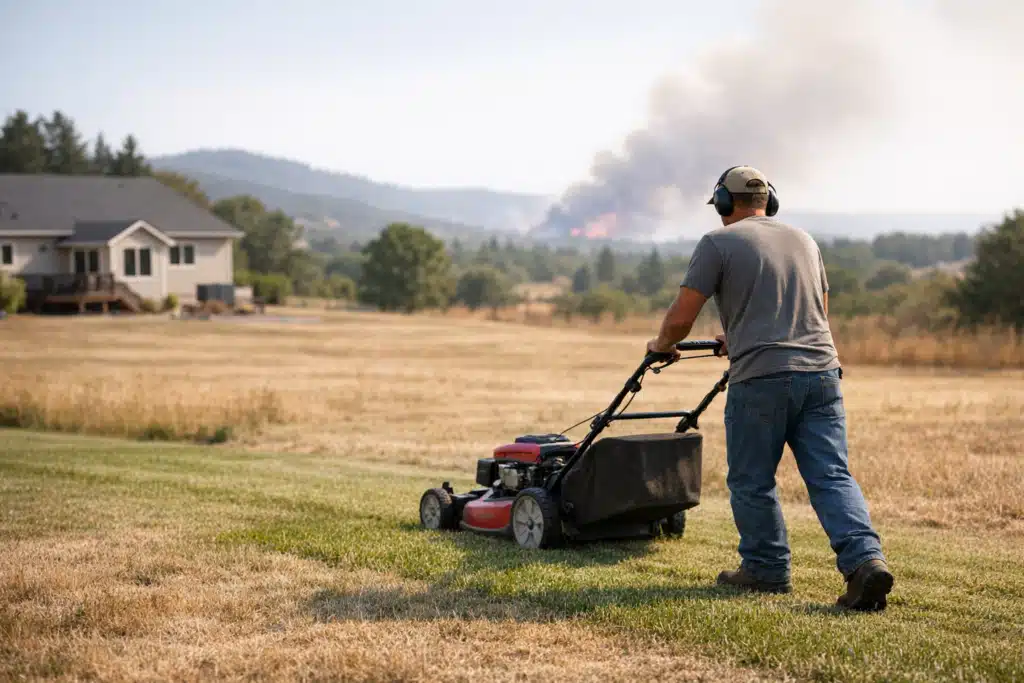
Late summer wildfires in Colorado pose significant risks due to dry conditions and fast-spreading flames. ARC Restoration provides essential steps for homeowners to prepare their properties and ensure safety before the peak fire season.
- Create defensible space around your home by clearing flammable materials and maintaining vegetation.
- Seal gaps to prevent embers from entering your home and ensure reliable water access for firefighting.
- Assemble a go-bag with essential items for quick evacuation and establish personal evacuation triggers.
To prepare your home for late summer wildfires, clear flammable materials from around your property, maintain a defensible space by trimming vegetation, and ensure your roof and gutters are free of debris. Additionally, consider using fire-resistant building materials and creating an emergency plan for your family.
August and September mark the driest, most dangerous stretch of Colorado’s fire season. Late summer wildfires ignite fast because months of heat have cured grasses, drained soil moisture, and stressed pine stands into perfect fuel. At ARC Restoration, our crews respond to fire and smoke damage across the Front Range, and the homes that fare best share the same habits.
This post walks you through the exact steps to harden your property before the peak burn window hits.
Why Late Summer Wildfires Behave Differently
Late summer wildfires burn hotter and spread faster than spring fires. By August, the fine fuels around Colorado homes — cheatgrass, gambel oak, fallen ponderosa needles — carry almost no moisture. A single ember can start a spot fire 100 feet ahead of the main flame front.
The 2020 Cameron Peak and East Troublesome fires both accelerated in late summer and fall conditions. East Troublesome grew roughly 100,000 acres in one night. That speed leaves little time to react, which is why preparation done in July matters more than any plan made during an evacuation.
Most homes that burn during wildfires ignite from wind-blown embers, not direct flame contact. Embers travel over a mile and land in gutters, vents, and dry mulch beds.
Step 1: Build Defensible Space in Three Zones
Defensible space is the buffer you clear between your home and surrounding vegetation. Colorado fire agencies divide it into three zones based on distance from the structure.
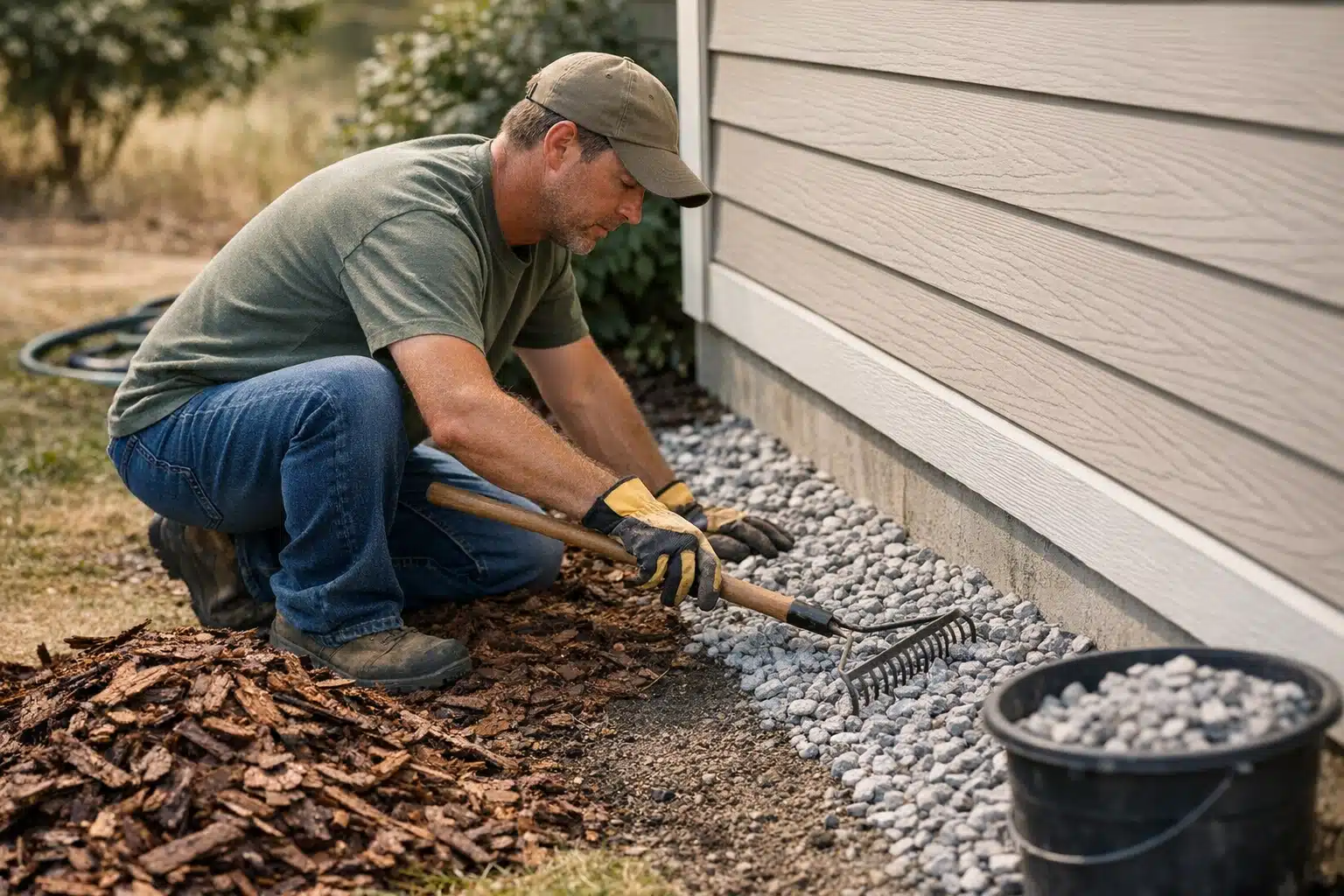
Zone 1: 0 to 5 feet (the ember-catch zone)
This band around your foundation should hold nothing flammable. Embers collect here first.
- Replace bark mulch with crushed rock or gravel
- Move firewood stacks and propane tanks at least 30 feet away
- Clear dead leaves from under decks and porches
- Remove plants that touch siding or window frames
Zone 2: 5 to 30 feet (the reduced-fuel zone)
Break up continuous vegetation so fire cannot climb or run toward the house.
- Mow grass to under 4 inches and keep it that way into September
- Space tree crowns at least 10 feet apart
- Prune branches 6 to 10 feet up from the ground
- Keep shrubs from forming a ladder into tree canopies
Zone 3: 30 to 100 feet (the transition zone)
Thin dense stands and remove dead trees. Space groups of trees and clear ground fuels between them. On steep slopes, extend this zone further since fire climbs uphill faster.
Step 2: Seal Your Home Against Embers
Ember-proofing closes the small gaps where burning debris enters a structure. This work matters most for late summer wildfires, when high winds push embers into every opening.
- Screen all vents with 1/8-inch metal mesh — attic, soffit, foundation, and gable vents included
- Clean gutters and roof valleys of dry needles and leaves every few weeks in August
- Box in open eaves so embers cannot lodge under the roofline
- Install weather stripping under garage doors to block ground-level embers
- Replace single-pane windows with dual-pane tempered glass where budget allows
Class A roofing and metal mesh screens are two of the highest-impact upgrades a homeowner can make. Wood shake roofs remain one of the biggest liabilities in mountain communities.
Step 3: Prepare Water and Power Access
Fire crews and homeowners both need reliable water when a wildfire approaches. Power lines often fail early, which knocks out well pumps and city pressure.
- Keep at least 100 feet of garden hose that reaches every side of the house
- Store a portable pump if you draw from a well or pond
- Mark your water source so firefighters can locate it
- Test any backup generator before fire season peaks
A single accessible spigot on each exterior wall lets you wet down hot spots and catch small ignitions early.
Step 4: Assemble a Late Summer Go-Bag
A go-bag holds what your household needs for a fast evacuation. Late summer wildfires can force evacuation orders within an hour of ignition near populated foothills.
Pack these items now and store the bag near your exit:
- Copies of insurance policies, IDs, and property records
- Prescription medications and a first-aid kit
- N95 masks for smoke exposure
- Phone chargers and a battery pack
- Cash, since card readers fail during outages
- Pet food, leashes, and carriers
Photograph every room and store the images in the cloud. This documentation speeds up insurance claims if your home is damaged.
Step 5: Know Your Evacuation Triggers
Fire prevention on your property means nothing if you leave too late. Set personal thresholds before smoke ever appears on the horizon.
- Sign up for county emergency alerts in your area
- Map two separate driving routes out of your neighborhood
- Agree on a family meeting point outside the fire zone
- Decide in advance what you take and what you leave
When a pre-evacuation notice arrives, load your vehicle and park it facing the road. Waiting for a mandatory order costs the minutes that matter most.

 Posted on Google
What Late Summer Smoke Does to Your Home
Even homes far from the flames suffer during late summer wildfires. Smoke drifts for miles and forces fine particulate into attics, HVAC systems, and soft furnishings.
Smoke residue is acidic and corrodes metal, etches glass, and stains porous surfaces within days. The longer it sits, the harder and more expensive the cleanup becomes.
Running your HVAC during heavy smoke pulls particulate deep into ductwork. Set the system to recirculate and swap filters immediately after air quality clears.
After the Fire: What ARC Restoration Handles
Recovery from wildfire damage rarely stops at the burned structure. Our crews treat smoke odor, soot residue, and water damage left by suppression efforts.
Common work after a Front Range wildfire includes:
- Soot and ash removal from walls, ceilings, and HVAC systems
- Smoke odor treatment using thermal fogging and ozone
- Contents cleaning for salvageable furniture and belongings
- Structural drying when firefighting water saturates floors and framing
We document damage for insurance and coordinate directly with adjusters. Acting fast limits secondary damage from lingering soot and moisture.
Your Late Summer Fire Prevention Checklist
Run this list every August to keep your property defended:
- Clear the 0-to-5-foot zone of all flammable material
- Mow, prune, and thin vegetation out to 100 feet
- Screen every vent with metal mesh
- Clean gutters and roof debris repeatedly
- Stage hoses and test water access
- Pack and store your go-bag
- Set evacuation triggers and alert sign-ups
Take Action Before Fire Season Peaks
Late summer wildfires give little warning, but a hardened home and a clear evacuation plan tilt the odds in your favor. Defensible space, ember-proofing, and early evacuation triggers are the steps that save structures. If smoke or fire reaches your property, fast cleanup limits the long-term damage.
ARC Restoration handles smoke, soot, and water damage restoration across Colorado’s Front Range. Call or text us at 720-799-2434, email office@advancedrestorationcolorado.com, or visit https://advancedrestorationcolorado.com.
Sources
- Colorado State Forest Service – Protect Your Home From Wildfire
- National Fire Protection Association – Firewise USA
- Ready.gov – Wildfires
- USDA Forest Service – Cameron Peak Fire Information


