
Do You Need Mold Testing After Heavy Spring Rain?
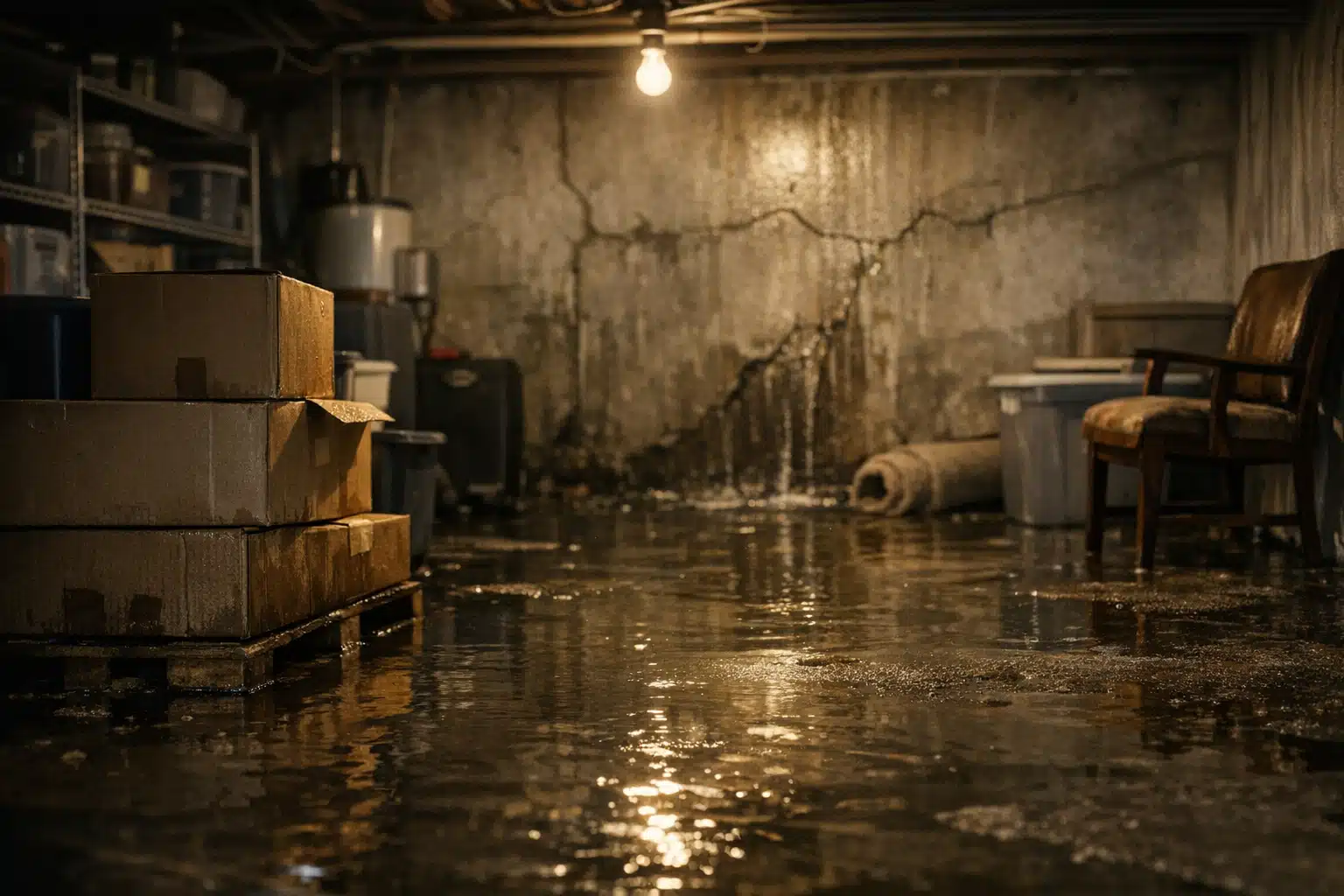
Heavy spring rain brings more than just relief from winter’s grip. When storm water infiltrates your home through damaged roofs, foundation cracks, or overwhelmed drainage systems, it creates perfect breeding conditions for mold. Mold testing becomes a critical consideration when moisture persists beyond 48 hours in your living spaces.
Spring storms in Colorado can dump several inches of rain in just hours. This sudden influx often overwhelms homes that have weathered months of freeze-thaw cycles, creating new vulnerabilities that allow water intrusion.
Why Spring Rain Creates Perfect Mold Conditions
Mold spores exist everywhere in nature, but they need three elements to colonize: moisture, organic material, and temperatures between 40-100°F. Spring rain delivers the moisture component while your home’s building materials provide the food source.
Colorado’s spring weather patterns make mold growth particularly problematic. Daytime temperatures climb into the 60s and 70s while nighttime lows drop into the 40s. This temperature fluctuation creates condensation on surfaces that may have absorbed moisture during recent storms.
Water damage from spring rains often occurs in these specific areas:
- Basements and crawl spaces where groundwater seepage increases
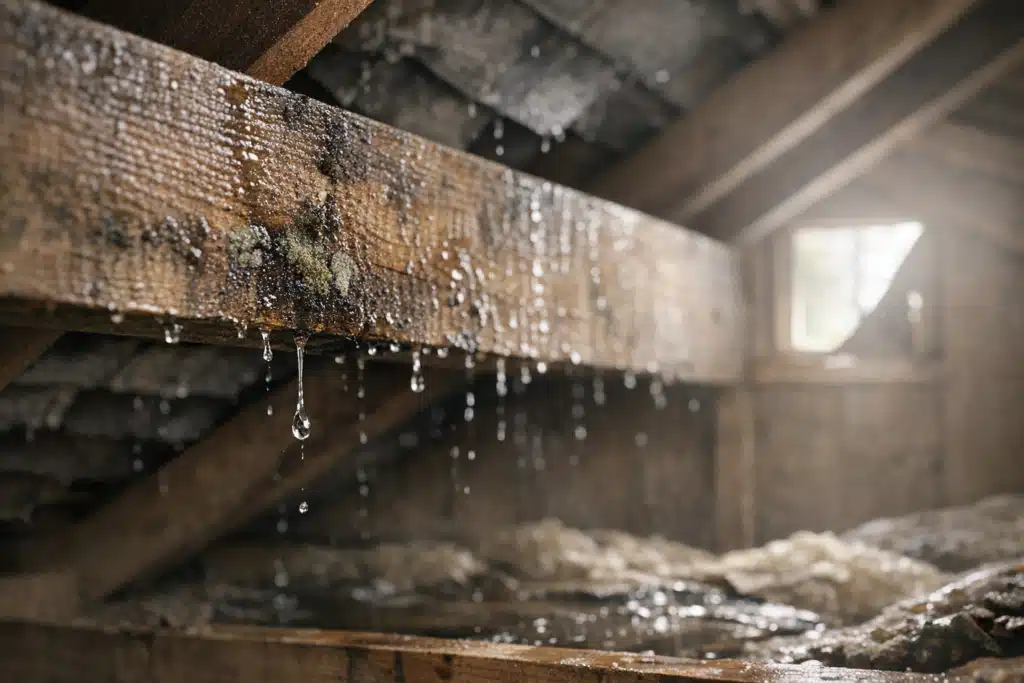
- Attic spaces compromised by winter ice dams or damaged shingles
- Window frames and doors where caulking has deteriorated
- HVAC systems that pull humid outdoor air into ductwork
- Wall cavities behind siding damaged by freeze-thaw cycles
The 24-48 Hour Window
Mold begins developing within 24 to 48 hours when moisture levels exceed 60% relative humidity. Spring rains often push indoor humidity well above this threshold, especially in areas with poor ventilation.
Temperature swings accelerate the process. A basement that stays damp and reaches 65°F during afternoon hours provides ideal growing conditions, even if overnight temperatures drop significantly.
When Mold Testing Becomes Necessary
Mold testing should occur when you observe specific indicators that suggest active growth or when health symptoms appear after water intrusion events. Visual inspection alone cannot identify all mold species or determine spore concentrations in your indoor air.
Visible Signs That Warrant Testing
These observable conditions indicate potential mold colonization requiring professional assessment:
- Dark staining on drywall, especially near baseboards or ceiling corners
- Peeling paint or wallpaper in areas that experienced moisture
- Warped wood flooring or baseboards
- White, fuzzy growth on concrete basement walls
- Discolored grout lines or tile surfaces
Health Symptoms Following Water Events
Respiratory symptoms that develop within days or weeks of significant rainfall may indicate mold exposure. Common symptoms include persistent coughing, throat irritation, nasal congestion, or eye irritation that worsens when spending time indoors.
Individuals with asthma or compromised immune systems often experience symptoms before mold becomes visually apparent. Testing can identify airborne spore concentrations before colonies become established.
Hidden Moisture Areas
Spring rain infiltration often occurs in concealed spaces where visual inspection proves impossible. Professional testing becomes essential when moisture meters detect elevated readings behind finished surfaces or when infrared cameras reveal temperature differentials suggesting hidden water intrusion.
Types of Mold Testing After Water Damage
Three primary testing methodologies help determine mold presence and species identification following spring rain events. Each serves specific purposes depending on your situation’s circumstances.
Air Sampling
Air samples capture airborne spores throughout your living spaces. This method proves most effective for detecting mold growth in hidden areas like wall cavities or above ceiling tiles. Lab analysis identifies specific species and provides spore concentration counts.
Air sampling works best 24-48 hours after suspected exposure when spore levels peak. Testing immediately after cleaning or during windy conditions may produce inaccurate results.
Surface Sampling
Direct surface samples from suspected growth areas provide definitive species identification. Tape lifts, swab samples, or small material sections undergo microscopic examination and culturing.
This method confirms whether visible discoloration represents active mold growth or merely staining from previous moisture events. Surface sampling cannot determine airborne spore concentrations affecting indoor air quality.
Bulk Material Testing
Sections of building materials like drywall, insulation, or wood undergo laboratory analysis to determine contamination levels. This approach proves necessary when considering material removal versus remediation cleaning.
Bulk sampling helps determine contamination depth within porous materials. Results guide remediation scope decisions and help prevent inadequate cleanup efforts.
Cost Considerations and Testing Timeline
Professional mold testing typically ranges from $300-800 depending on sample quantity and testing methods employed. Air sampling generally costs less than comprehensive surface and bulk material analysis.
Laboratory results require 3-5 business days for standard analysis. Rush processing reduces turnaround time to 24-48 hours but increases costs by 50-100%.
Insurance Coverage Factors
Many homeowner policies exclude mold testing and remediation costs unless mold results from a covered peril like burst pipes. Spring rain infiltration often falls under maintenance-related exclusions rather than sudden and accidental damage provisions.
Document water intrusion immediately with photographs and contact your insurance carrier within 24-48 hours. Some policies provide limited mold coverage when contamination results from covered water damage events.

They are knowledgeable, organized, and genuinely care about doing things the right way. If you’re looking for a restoration company that values communication and accountability, this is a team worth calling.
 Posted on Google
DIY Testing Limitations
Home test kits available at retail stores provide limited value for post-storm mold assessment. These products cannot quantify spore concentrations or identify specific species that may pose health risks.
Professional testing equipment calibrated for accuracy costs thousands of dollars. Certified technicians understand sampling protocols that prevent cross-contamination and ensure representative results.
DIY approaches often miss critical sampling locations or fail to identify moisture sources requiring immediate attention. False negative results may delay necessary remediation while conditions worsen.
Prevention Strategies for Spring Storm Season
Proactive moisture control reduces mold testing needs following heavy spring rain events. Regular maintenance identifies vulnerabilities before storms expose them to water intrusion.
Key prevention measures include:
- Inspect and repair roof systems before spring storm season arrives
- Clean gutters and downspouts to handle increased water volume
- Seal foundation cracks and basement wall penetrations
- Test sump pump operation before heavy rain periods
- Maintain proper attic ventilation to prevent condensation buildup
- Monitor indoor humidity levels with digital hygrometers
Immediate Post-Storm Actions
Quick response following spring rain events minimizes mold development potential. Extract standing water within 24 hours and increase air circulation in affected areas.
Run dehumidifiers to maintain indoor humidity below 50% and position fans to promote rapid drying. Remove saturated porous materials like carpet padding that cannot be adequately dried within 48 hours.
When to Call Restoration Professionals
Contact certified restoration specialists when water damage affects more than 10 square feet of area or when contamination occurs in HVAC systems. Professional equipment extracts moisture from building materials faster than consumer-grade options.
Structural drying requires specific knowledge about vapor pressure, psychrometrics, and material drying rates. Improper drying techniques often leave residual moisture that enables mold growth weeks after the initial water event.
Professional restoration also includes antimicrobial treatments that inhibit mold development during the drying process. These specialized products provide protection that standard cleaning cannot achieve.
Spring rain events create unique challenges for Colorado homeowners, but prompt action and professional assessment can prevent long-term mold problems. When moisture persists beyond 48 hours or health symptoms develop, mold testing provides the information needed to protect your family’s wellbeing and your property investment.
Don’t wait for visible mold growth to address moisture concerns. Contact ARC Restoration at 720-799-2434 for professional water damage assessment and mold testing services that keep your home safe and healthy.
Sources
- CDC – Basic Facts about Mold and Dampness
- EPA – Mold Cleanup in Your Home
- IICRC – Water Damage Restoration Guidelines
- ASHRAE – Indoor Air Quality Standards
Heavy spring rain can lead to mold growth in homes due to moisture infiltration. Mold testing is essential when humidity levels remain high for over 48 hours or when health symptoms arise after water intrusion.
- Mold spores require moisture, organic material, and specific temperatures to grow, making spring rain a prime condition for mold. Homes in Colorado are particularly vulnerable due to temperature fluctuations and moisture levels.
- Indicators for mold testing include dark stains on walls, peeling paint, and respiratory symptoms after water events. Professional testing can identify hidden mold and airborne spore concentrations.
- Proactive measures like inspecting roofs and maintaining proper ventilation can help prevent mold issues. Quick response to water intrusion is crucial to minimize mold development.
Mold testing is important after heavy spring rain because prolonged moisture can lead to mold growth in homes. If water enters through damaged roofs or foundation cracks and remains for more than 48 hours, testing helps identify mold presence, ensuring a safe living environment and preventing health issues.


