
Mold Stain Removers vs. Remediation: What’s Cosmetic vs. Structural
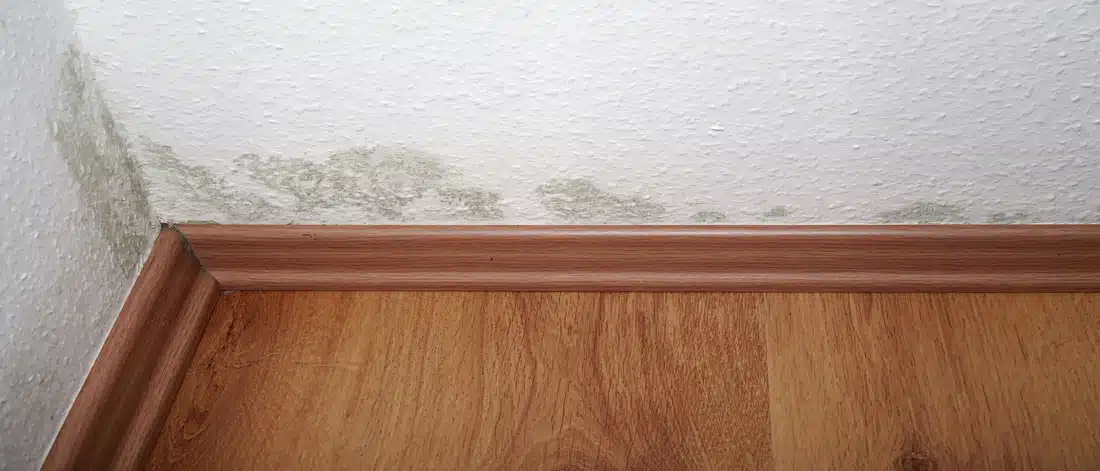
When homeowners notice dark patches on walls or basement surfaces, it’s common to reach for a mold stain remover, but that only addresses the visible discoloration. These products provide a cosmetic fix while hidden mold continues to grow beneath the surface, releasing spores and compromising indoor air quality. This false sense of cleanliness can lead to ongoing health risks and costly structural damage. True mold remediation goes beyond surface cleaning by removing contaminated materials, treating affected areas, and correcting the moisture issues that allow mold to thrive, eliminating the problem at its source, not just masking it.
Understanding the Fundamental Difference Between Stain Removal and Remediation
When homeowners find dark patches on walls or ceilings, they must make an important choice about health and safety: remove the visible stain or fix the mold problem completely. These two approaches work in very different ways.
Stain removal handles only what you can see on the surface. People use bleach-based products or special cleaners to make the dark spots disappear. But this method leaves mold colonies alive inside porous materials like drywall, wood, and insulation. This surface-level cleaning does not eliminate the biological contamination that affects the air you breathe indoors. The mold stays active beneath the clean-looking surface.
Mold remediation works differently. Professional remediators find where moisture comes from, seal off affected areas to prevent spore spread, remove contaminated building materials, treat surfaces with antimicrobial solutions, and set up systems to stop future growth.
This complete process targets the entire mold ecosystem—including spores (reproductive cells), hyphae (root-like structures), and mycotoxins (toxic chemicals mold produces). Remediation also fixes environmental problems like water leaks, poor ventilation, and humidity issues that let mold grow in the first place.
The distinction between these approaches matters for home safety. Surface cleaning that looks effective can actually allow hidden mold colonies to spread behind walls and under floors. Active mold releases spores into household air, which can trigger respiratory problems, allergic reactions, and asthma attacks in occupants.
Long-term mold growth also damages structural components like wooden beams and joists, weakening the building framework.
Proper remediation requires moisture meters to detect water in building cavities, containment barriers with negative air pressure to control spore movement, HEPA filtration systems to clean air during work, and post-remediation testing to verify complete removal.
This scientific approach ensures both visible contamination and hidden growth are eliminated while preventing recurrence through moisture control strategies.
The Hidden Dangers of Treating Only Surface-Level Mold Discoloration
Cleaning visible mold stains makes walls and ceilings look clean, but this simple fix hides three serious problems that damage buildings and harm people’s health.
Surface cleaning leaves the mold root system alive underneath. These roots keep growing inside walls and under floors where you can’t see them. The wet conditions that helped mold grow in the first place stay unchanged. Water damage, leaks, or high humidity continue feeding the mold problem.
When people think the mold is gone because surfaces look clean, they wait too long to fix the real issue, while hidden damage gets worse.
Poor mold treatment causes these problems:
- Weakened building parts – Mold eats away at wood beams, wall boards, and insulation materials
- Ongoing air pollution – Mold spores spread through heating and cooling ducts into every room
- Hidden poison buildup – Toxic mold chemicals (mycotoxins) collect inside walls even when surfaces appear clean
- Faster breakdown – Materials rot more quickly, leading to expensive repairs later
Expert mold inspectors find water sources and measure how far mold has spread. Surface cleaning cannot fix these deeper issues. Proper mold removal requires finding leaks, fixing drainage problems, controlling indoor moisture levels, and removing contaminated materials.
Without addressing these root causes: water intrusion points, ventilation failures, and humidity imbalances, the biological contamination returns within weeks or months.
Building occupants face respiratory irritation, allergic reactions, and immune system stress from ongoing spore exposure. Property owners risk foundation damage, structural instability, and decreased building value when mold colonization continues unchecked beneath cosmetic fixes.
The Science Behind Why Mold Keeps Coming Back After Cleaning
Mold organisms survive cleaning attempts through three biological mechanisms that most surface treatments cannot reach. Fungal spores push deep into porous materials like drywall and wood, forming colonies inside these substrates. Hyphal networks extend microscopic branches that anchor firmly into building materials such as ceiling tiles, insulation, and structural lumber. Dormant spores wait inside these materials and spring back to life when moisture returns, regenerating entire colonies on surfaces that appeared clean.
| Cleaning Approach | Depth of Treatment |
| Surface cleaners (bleach, vinegar) | 0-2mm penetration |
| Antimicrobial sprays | 2-5mm penetration |
| Material contamination depth | 10-50mm depth |
| Required remediation | Full material removal |
This gap between cleaning depth and contamination depth explains why mold keeps returning. Surface treatments like household cleaners or bleach cannot reach the embedded growth living inside walls, floors, and ceilings. Professional mold remediation addresses contamination at structural levels by removing compromised building materials like infected drywall, subflooring, and insulation rather than applying temporary surface solutions. The underlying moisture sources, such as leaking pipes, roof damage, or condensation problems, must be eliminated along with infected substrates. Without removing both the water source and the contaminated materials, mold regeneration will continue indefinitely.
Signs Your Mold Problem Goes Beyond Surface Stains
When you see dark spots or patches spreading across your walls or ceilings, you need to figure out if the mold has grown deeper than what you can see.
Some clues tell you whether you’re dealing with a simple stain you can wipe away or a serious problem that needs an expert.
Watch for these warning signs:
- Smells that won’t go away – If you still smell a musty, earthy odor after you clean the visible stains, mold is growing inside your walls, under flooring, or in your ventilation system, where you can’t see it.
- Damaged building materials – When drywall feels soft or crumbles easily, paint bubbles up or peels off in sheets, or wood becomes spongy, water has soaked deep into these materials, and mold is eating away at them from the inside.
- Mold keeps coming back – If you clean a spot and the same dark patches appear in that exact location within a few weeks, the mold roots are still alive beneath the surface and keep pushing through.
These signs mean the mold has infected your building materials deep below what you can see.
You need a professional mold remediation specialist to inspect your property, test the air quality, remove contaminated materials safely, and fix the moisture source that allowed the fungal growth to take hold.
Common Areas Where Cosmetic Cleaning Isn’t Enough
Some parts of homes and buildings create perfect conditions for mold to grow deep inside walls and structures. When mold reaches these areas, wiping surfaces with cleaning products won’t solve the problem and might give people a false sense of safety.
- Shower and Bathtub Walls: Water seeps through cracked grout lines and old caulk around tubs and showers. This water gets trapped inside walls where mold grows on wood frames, insulation, and drywall backing. The mold you see on tile represents only a small portion of the actual problem.
- Under Floors with Water Damage: When floors get wet from leaks or flooding, water soaks into the wooden subfloor and floor joists underneath. Mold colonies establish themselves on these structural wood members. Standing on the floor above, you can’t see this hidden growth destroying the home’s foundation.
- Heating and Cooling Systems: Air ducts and HVAC equipment provide dark, sometimes damp spaces where mold thrives. The ventilation system then blows mold spores into every room of the building. Mold also grows on the metal, insulation, and filter surfaces inside these mechanical systems.
- Basement Walls and Floor Edges: Basements often have humidity problems and temperature differences that cause condensation. Moisture collects on rim joists (where the floor meets the foundation) and concrete walls. This constant dampness allows mold to penetrate deep into wooden beams and structural supports.
- Attic Spaces: Roof leaks and poor air circulation create moisture problems in attics. Mold damages roof sheathing (the wooden boards under shingles), rafters, and insulation. This deterioration weakens the roof structure itself.
These problem areas need trained mold remediation specialists, not household cleaning products. Professionals remove contaminated materials, fix moisture sources, and treat affected structures properly.
What Happens to Structural Materials When Mold Goes Untreated
Mold colonies that grow without treatment create enzymes that eat away at organic building materials. The mold converts structural components like wood and drywall into food for itself. This biological process weakens the building’s framework and creates safety hazards that simple cleaning cannot fix.
Wood framing suffers the worst damage. The mold breaks down cellulose (the main substance in wood), which weakens important structural elements like joists, studs, and rafters. These weakened wood pieces lose their ability to hold up the weight of the building. Drywall also loses strength as mold grows into both the gypsum core and the paper covering.
The damage gets worse in these ways:
- Wooden beams develop soft spots and surfaces that crumble when touched.
- Floor joists (horizontal support beams under floors) sag under regular weight.
- Wall studs (vertical support beams inside walls) lose their shape and ability to resist pressure.
- Ceiling materials become brittle and may fall.
Professional mold remediation experts need to step in when the mold has grown deep into structural elements beyond just the surface. At this stage, affected materials must be removed and replaced rather than just cleaned. The depth of mold penetration determines whether cleaning or full replacement is necessary to restore building safety.
Building inspectors and structural engineers evaluate the extent of fungal decomposition to determine if the load-bearing capacity meets building codes. Insurance claims often require documentation of both surface contamination and structural penetration levels.
Health Risks Associated With Inadequate Mold Treatment
When mold removal is incomplete, spores and tiny pieces stay behind in your home. These particles float through the air you breathe and cause health problems for everyone living in the building.
Breathing Problems Are Most Common
People exposed to leftover mold spores often develop respiratory issues. Asthma gets worse. Sinus infections become chronic and refuse to go away. Some people develop hypersensitivity pneumonitis, a serious lung condition where the immune system attacks inhaled mold particles.
Serious Risks for Vulnerable People
People with weak immune systems face dangerous infections from pathogenic molds like Aspergillus species. Cancer patients, organ transplant recipients, HIV-positive individuals, and elderly persons cannot fight off these fungal invaders as healthy people can.
Mycotoxins Damage Multiple Body Systems
Certain mold species produce toxic chemicals called mycotoxins. Stachybotrys chartarum (black mold), Aspergillus flavus, and Penicillium species release these poisons into indoor environments.
Mycotoxin exposure causes brain fog, memory problems, persistent exhaustion, and weakens the immune system’s ability to protect your body.
Moisture Sources: The Root Cause That Stain Removers Can’t Fix
Certified mold remediation specialists use specific tools to find where water enters your home:
- Thermal imaging cameras show wet spots hidden inside walls, ceilings, and floors
- Moisture meters tell exactly how much water sits inside wood, drywall, and concrete
- Pressure tests find cracks and gaps where humid outdoor air sneaks into your home
- Plumbing inspections catch both obvious leaks and slow drips that only happen sometimes
Real mold remediation fixes two problems at once: it removes the visible mold growth and repairs whatever brings water into your building. This dual approach stops mold from coming back.
Remediation teams make specific repairs to pipes, roofs, foundations, and ventilation systems. They also adjust humidity controls and improve air circulation to keep moisture levels safe.
How to Assess Whether You Need Remediation or Just Stain Removal
Determining whether you’re dealing with simple surface staining or active mold growth is key to choosing the right solution. Start by evaluating the affected area for moisture, musty odors, and the appearance of the discoloration. Surface stains are typically flat and limited to visible areas, while active mold often looks fuzzy or textured and continues spreading over time.
Using a moisture meter can provide a clearer answer. This tool measures how much moisture is present in materials like wood, drywall, and flooring. Elevated readings, generally above 16% in wood or 1% in drywall, indicate conditions where mold can actively grow, signaling a deeper issue than surface staining.
In many cases, professional remediation is necessary. The Environmental Protection Agency (EPA) recommends hiring certified specialists when mold covers more than 10 square feet, is present in HVAC systems, results from contaminated water such as sewage backups, or is accompanied by structural damage. Warped wood, soft drywall, or deteriorating materials are strong indicators that mold has penetrated beyond the surface.
Water-damaged materials like drywall, insulation, and ceiling tiles can trap moisture and harbor mold internally, making surface cleaning ineffective. When the problem extends into structural components, it can compromise both the safety of the building and indoor air quality.
If you’re unsure about the extent of the issue, professional mold testing can provide clarity. Experts use advanced tools and lab analysis to detect hidden mold, identify species, and measure spore levels. This ensures the right approach is taken—avoiding ineffective cleaning methods and reducing ongoing health risks. Certified remediation professionals not only remove contamination but also address the underlying moisture source and confirm that the mold has been fully eliminated.
When DIY Mold Stain Removers Are Appropriate and Safe
Property owners can handle mold stains without professional help when the growth meets certain size limits, appears in accessible locations, and comes from simple causes.
Safe cleaning applies to surface stains from bathroom humidity or minor spills on hard surfaces like ceramic tile, glass windows, or sealed countertops.
Safe Conditions for DIY Mold Cleaning
Size and Spread
- Contaminated area measures less than 10 square feet (Environmental Protection Agency standard).
- Growth appears as visible stains on surfaces rather than fuzzy patches extending into walls or ceilings.
Moisture Source
- Stains result from everyday condensation, small leaks, or minor water exposure.
- Water damage does not involve sewage backup, flood water, or plumbing failures inside walls.
- No ongoing moisture problems exist that need building repairs.
Material Type
- Mold grows only on non-porous materials (surfaces that don’t absorb water).
- Stains have not penetrated into drywall, wood, insulation, or carpet.
Required Safety Equipment
People cleaning mold must wear:
- N95 face mask (filters mold spores from breathing air).
- Waterproof gloves (prevent skin contact).
- Safety glasses (protect eyes from cleaning solution splash and airborne spores).
When to Call Mold Remediation Professionals
Contact certified mold removal specialists if:
- Stains reappear within weeks after cleaning (indicates hidden water problems or contamination inside building materials).
- The affected person has asthma, chronic lung disease, a weakened immune system, or mold allergies.
- Growth covers areas larger than a small bathroom.
- Mold appears after sewage problems or flooding events.
What Professional Mold Remediation Really Involves
When mold growth becomes too large for homeowners to handle safely or grows deep into walls and floors, certified mold remediation specialists use proven methods that go far beyond wiping down surfaces.
These trained technicians set up containment zones using thick plastic barriers and specialized air filtration machines equipped with HEPA filters to trap microscopic mold spores and prevent contamination from spreading to clean rooms.
Professional remediation teams use scientific instruments like moisture meters and infrared thermal imaging cameras to locate hidden water leaks behind walls and under floors while mapping the full extent of fungal colonization.
Building materials with porous surfaces, including gypsum dryboard, fiberglass insulation batts, and textile floor coverings, must be physically cut out and disposed of because cleaning cannot eliminate spores embedded deep within these materials.
Hard, non-porous surfaces like metal ductwork, glass, and sealed concrete receive antimicrobial chemical treatments only after workers physically remove all visible fungal growth.
Remediation companies perform verification testing after completing the physical work. This includes laboratory analysis of air samples and detailed visual inspections to confirm that airborne spore concentrations have returned to normal background levels found in healthy indoor environments.
Written reports and photographic evidence document that workers followed industry standards set by organizations like the Institute of Inspection, Cleaning and Restoration Certification (IICRC) and the Environmental Protection Agency (EPA).
This comprehensive process fixes the root causes of fungal problems: water intrusion from plumbing failures, roof leaks, foundation cracks, and inadequate ventilation, while repairing structural damage to wooden framing members and support beams.
Surface cleaning products and household bleach cannot address these fundamental building science issues that allow toxic mold species like Stachybotrys chartarum (black mold) to thrive.
Professional Mold Testing: When and Why You Need It
Knowing when to pay for professional mold testing requires understanding specific situations that matter more than just seeing mold or smelling bad odors. Testing becomes necessary when people living in a building develop breathing problems, allergic reactions, or long-term health issues without a clear reason.
Mold hidden inside walls, above ceilings, or under floors needs laboratory testing to identify the specific type and how much exists.
Professional testing provides important information for:
- Checking after cleanup to confirm all mold removal and verify the space is safe to use again
- Legal proof is needed for insurance claims or property disagreements
- Mold type identification to separate dangerous varieties like Stachybotrys chartarum (black mold) from harmless surface molds like Cladosporium
- Indoor air quality measurements to determine contamination levels in all affected areas of the building
Certified environmental hygienists (trained specialists who test for health hazards) use three main methods: air sampling to capture airborne mold spores, surface sampling to test visible growth areas, and bulk material analysis to examine contaminated building materials like drywall or insulation.
These tests create detailed remediation plans that tell property owners exactly how to fix the mold problem.
The process takes 24 to 48 hours for laboratory results, which include mold genus and species names, spore concentration counts measured in colony-forming units per cubic meter (CFU/m³), and comparison to outdoor baseline levels.
The Cost Difference: Short-Term Cleaning vs. Long-Term Solutions
At first glance, mold stain removers seem like the budget-friendly option—but they only provide a temporary fix. Most products cost between $10 and $50 per bottle, and repeated use adds up as mold continues to return. These solutions address visible discoloration while leaving behind hidden growth and unresolved moisture issues inside materials like drywall, insulation, and wood framing.
Professional mold remediation requires a higher upfront investment, typically ranging from $500 for small areas to $6,000 or more for widespread contamination. However, this cost covers comprehensive solutions, removing affected materials, eliminating moisture sources, improving ventilation, applying antimicrobial treatments, and using specialized equipment like HEPA filtration and industrial dehumidifiers. These steps target the root cause, not just the symptoms.
When you compare long-term costs, the difference becomes clear. Spending a few hundred dollars each year on temporary cleaning can easily exceed $1,000 over time, without ever solving the problem. In contrast, a single remediation service eliminates the conditions that allow mold growth, helping prevent future damage, protect indoor air quality, and preserve the structural integrity of the property.
Homeowners often mistake mold stain removers for effective solutions, but these products only address visible mold while hidden colonies continue to thrive. True mold remediation involves comprehensive treatment that eliminates both the visible and underlying issues, ensuring a safer living environment.
- Mold stain removers only mask the problem, leaving hidden mold to grow and release spores. This can lead to health risks and structural damage over time.
- Professional remediation includes removing contaminated materials and addressing moisture sources to prevent future growth.
- Signs of deeper mold issues include persistent odors, damaged materials, and recurring stains, indicating the need for expert intervention.
Mold stain removers only address visible discoloration on surfaces, providing a cosmetic fix while hidden mold continues to grow. In contrast, mold remediation involves removing contaminated materials, treating affected areas, and correcting moisture issues, effectively eliminating the mold problem at its source and improving indoor air quality.


