
How to Choose Storm-Resistant Roofing for Your Home
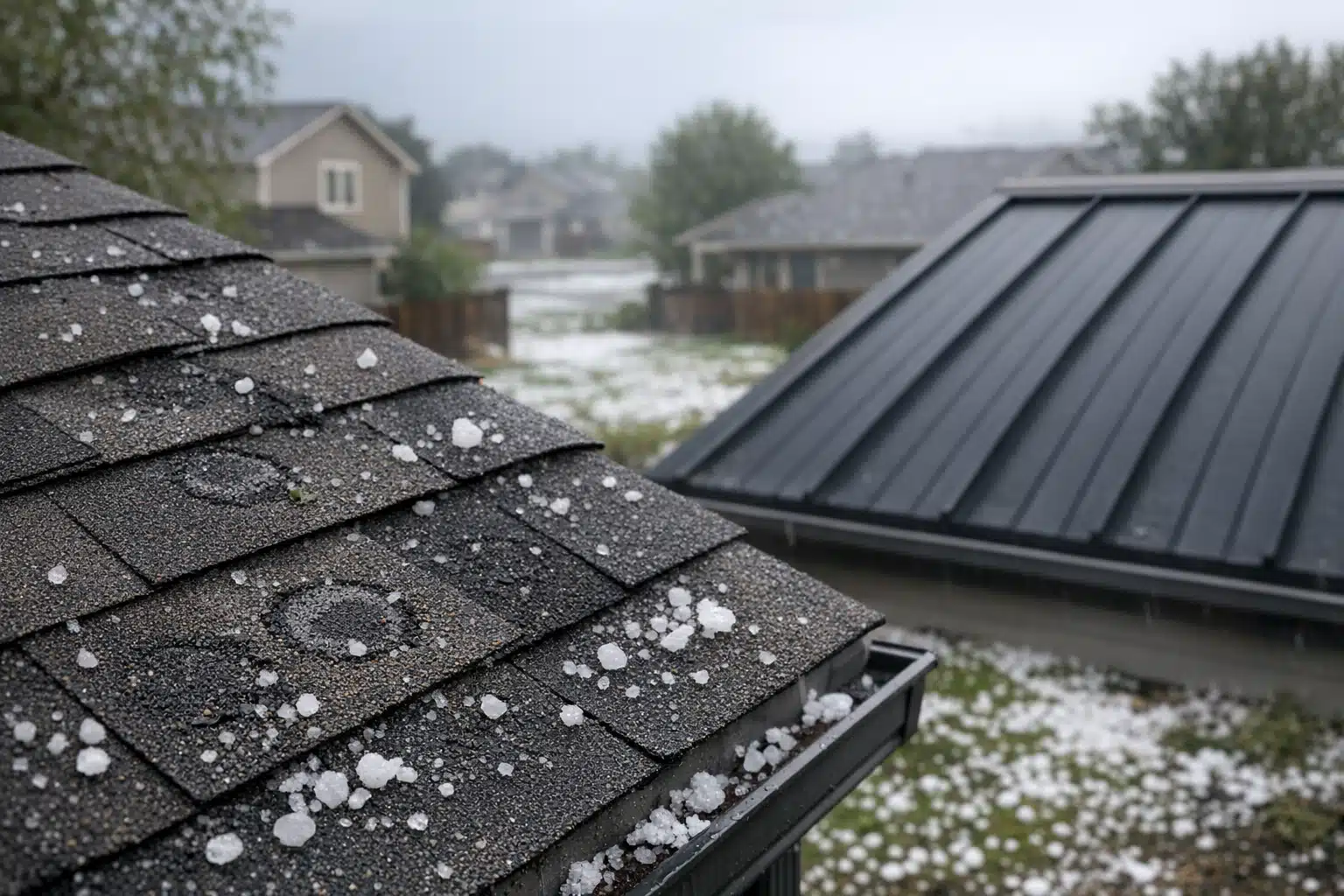
Colorado homeowners face an average of 39 hail days per year, making storm-resistant roofing a critical investment rather than an optional upgrade. The right roofing material can mean the difference between minor repairs and a complete roof replacement after severe weather strikes.
Choosing storm-resistant roofing involves evaluating materials, understanding impact ratings, and matching your selection to local weather patterns. This guide walks you through the key factors that determine how well your roof will perform when nature unleashes its fury.
Understanding Storm Damage and Roofing Vulnerabilities
Hail, wind, and ice create three distinct types of damage that affect different roofing materials in specific ways. Hail impact creates granule loss on asphalt shingles and denting on metal surfaces. Wind uplift tears at shingle edges and flashing connections. Ice dams force water under roofing materials, causing leaks and structural damage.
Impact resistance ratings range from Class 1 (lowest) to Class 4 (highest protection). Class 4 materials withstand impacts from 2-inch steel balls dropped from 20 feet without cracking or splitting. Many insurance companies offer discounts of 10-30% for Class 4 installations.
Wind ratings measure a roof’s ability to resist uplift forces. Standard asphalt shingles typically resist winds up to 60-90 mph, while high-performance options handle 110-130 mph gusts without failure.
Regional Weather Patterns That Affect Material Choice
Colorado’s Front Range experiences golf ball-sized hail 2-3 times more frequently than the national average. The Denver metro area sees the highest concentration of severe hailstorms between April and July.
Mountain communities face different challenges, including heavy snow loads and freeze-thaw cycles that stress roofing materials. Foothills areas deal with both hail and extreme temperature swings that can cause material expansion and contraction.
Storm-Resistant Roofing Material Options
Each roofing material offers distinct advantages for weather protection, with performance varying based on installation quality and local climate conditions.
Impact-Resistant Asphalt Shingles
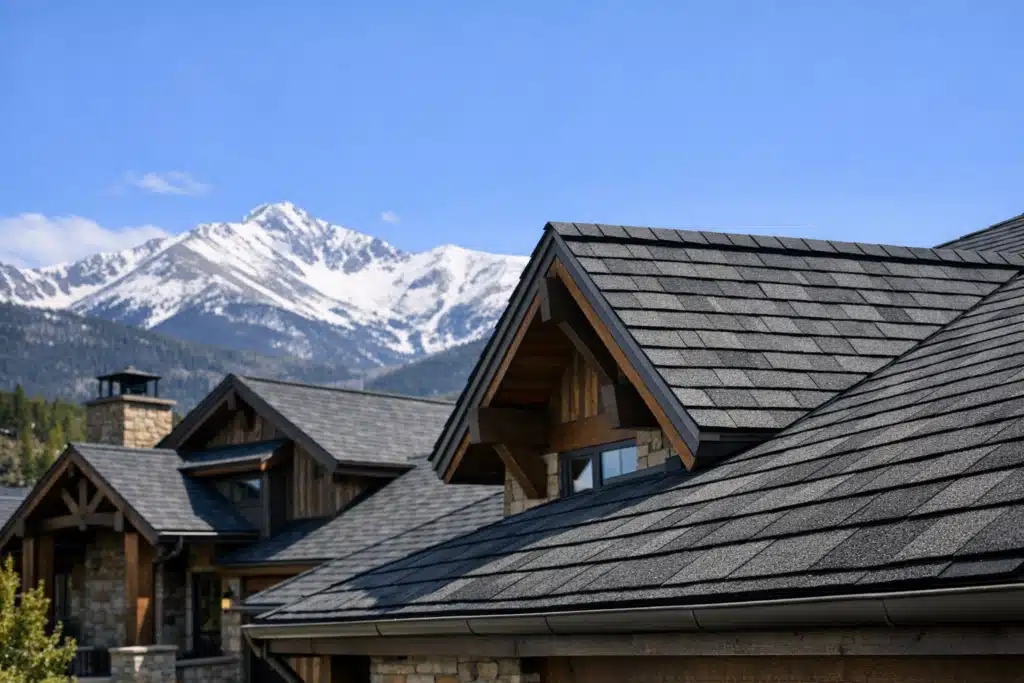
Modified asphalt shingles incorporate styrene-butadiene-styrene (SBS) polymer modification that makes them flexible and impact-resistant. These shingles bend rather than crack when struck by hail, returning to their original shape after impact.
- Performance: Class 3 and Class 4 ratings available, with Class 4 options resisting 2-inch hail impacts
- Cost: 15-25% more expensive than standard shingles
- Lifespan: 25-30 years with proper maintenance
- Wind resistance: Up to 130 mph when properly installed
Popular brands include GAF Timberline HD-Z, CertainTeed Landmark Solaris, and Owens Corning Duration Storm. Each uses different polymer formulations but achieves similar impact resistance through enhanced flexibility.
Metal Roofing Systems
Standing seam metal roofs excel in both impact and wind resistance due to their continuous panel design and mechanical seaming. The metal’s natural flexibility allows it to absorb hail impacts without permanent damage in most cases.
- Aluminum: Lightweight, corrosion-resistant, Class 4 impact rating possible
- Steel: Stronger than aluminum, requires coating for corrosion protection
- Copper: Premium option with natural patina, excellent longevity
- Zinc: Self-healing properties, 60+ year lifespan
Metal roofing handles wind speeds exceeding 140 mph when properly fastened. The interlocking panel design creates a continuous surface that resists uplift better than individual shingles.
Synthetic and Composite Materials
Synthetic slate and shake products combine recycled materials with impact-resistant polymers. These materials mimic natural textures while offering superior storm protection.
Composite shingles from manufacturers like DaVinci Roofscapes and Brava achieve Class 4 impact ratings while maintaining the appearance of cedar or slate. They resist UV degradation, freeze-thaw cycles, and high winds without the weight penalties of natural materials.
Clay and Concrete Tiles
Concrete tiles offer excellent hail resistance due to their density and thickness. Modern concrete formulations include fiber reinforcement that prevents cracking from thermal expansion.
Clay tiles work best in areas with less severe hail since they can crack under heavy impact. However, their wind resistance exceeds most other materials when properly installed with hurricane clips and foam adhesives.
Key Selection Factors for Storm Resistance
Impact Rating Requirements
Class 4 impact resistance provides the highest level of hail protection available in residential roofing. This rating requires materials to withstand repeated impacts from 2-inch steel balls without showing cracks, splits, or granule loss exceeding specified limits.
Class 3 materials handle 1.75-inch impacts and offer good protection for most Colorado locations. Areas with frequent severe weather benefit from the additional protection that Class 4 materials provide.
Wind Uplift Performance
Wind uplift ratings indicate how much upward force a roofing system can resist before failure. Standard installations typically handle 60-90 mph winds, while enhanced attachment methods increase resistance to 110+ mph.
Attachment spacing plays a crucial role in wind performance. Shingles installed with six nails instead of four show significantly better wind resistance. Metal panels require clips spaced every 12-18 inches depending on local wind loads.
Thermal Performance and Expansion
Colorado’s extreme temperature swings stress roofing materials through repeated expansion and contraction cycles. Materials that maintain flexibility across temperature ranges perform better long-term.
Light-colored materials reflect more heat, reducing thermal stress and cooling costs. Metal roofing with reflective coatings can reduce surface temperatures by 50-70 degrees compared to dark asphalt shingles.
Installation Considerations for Maximum Protection
Proper Fastening and Attachment
Storm resistance depends heavily on installation quality, not just material selection. Shingles require specific nail placement, penetration depth, and spacing to achieve rated wind resistance.
Ring-shank nails provide 40% better holding power than smooth nails in typical roof sheathing. Nail placement within the nail zone prevents premature seal failure and wind-driven rain infiltration.
Underlayment and Deck Preparation
Synthetic underlayment offers superior tear resistance and moisture protection compared to felt paper. Self-adhering membranes in valleys and around penetrations create waterproof barriers that prevent ice dam damage.
Deck sheathing thickness affects fastener holding power. OSB panels thicker than 7/16 inch provide better nail holding, while plywood offers superior moisture resistance in exposed conditions.
Ventilation System Integration
Balanced ventilation prevents ice dam formation and reduces uplift forces during high winds. Ridge vents combined with soffit intakes create continuous airflow that moderates temperature extremes.
Wind-resistant vent designs prevent rain infiltration during storms while maintaining necessary airflow. Sealed ridge vents and baffled soffit vents perform better than basic louver designs in severe weather.

 Posted on Google
Cost Analysis and Return on Investment
Storm-resistant roofing typically costs 20-40% more than standard materials initially but provides significant long-term value through reduced repair needs and insurance savings.
Class 4 impact-resistant shingles cost $150-$250 per square installed, compared to $100-$180 for standard shingles. Metal roofing ranges from $400-$800 per square depending on material and complexity.
Insurance Discounts and Incentives
Colorado insurance companies offer hail discounts ranging from 5-35% for impact-resistant roofing. State Farm, Allstate, and USAA provide some of the largest discounts for Class 4 installations.
The discount typically pays for the material upgrade within 8-12 years through reduced premiums. Homes with Class 4 roofing also experience faster claim settlements and fewer coverage disputes after storm damage.
Longevity and Maintenance Savings
Storm-resistant materials last longer between replacements, reducing lifecycle costs. Impact-resistant shingles maintain their protective granules longer, while metal roofing can last 50+ years with minimal maintenance.
Reduced repair frequency saves money and inconvenience. Homes with storm-resistant roofing average 60% fewer emergency repairs after severe weather events compared to standard installations.
Making Your Final Selection
Choose roofing materials based on your specific location’s weather patterns, budget constraints, and long-term plans. Homes in high-hail areas benefit most from Class 4 impact resistance, while wind-prone locations prioritize uplift ratings above 110 mph.
Work with contractors experienced in storm-resistant installations, as proper technique affects performance more than material selection alone. Request references from recent Class 4 installations and verify proper licensing and insurance coverage.
Consider your home’s architectural style and neighborhood requirements when selecting materials. Many storm-resistant options now offer traditional appearances without sacrificing protection.
Selecting the right storm-resistant roofing protects your home and reduces long-term maintenance costs through fewer repairs and insurance claims. Focus on impact ratings, wind resistance, and proper installation to maximize your investment’s protection value.
When storm damage does occur, professional assessment and repair ensure your roof continues providing optimal protection. Contact ARC Restoration at 720-799-2434 for expert evaluation of your roofing needs and storm damage restoration services.
Sources
- National Weather Service – Colorado Hail Climatology
- National Institute of Standards and Technology – Impact-Resistant Roofing Research
- U.S. Department of Energy – Cool Roofs and Energy Efficiency
- Insurance Institute for Business & Home Safety – Hail Damage Research
Choosing storm-resistant roofing is essential for Colorado homeowners due to the frequent hail and severe weather conditions. This guide outlines the key factors to consider, including material types, impact ratings, and local weather patterns.
- Colorado experiences an average of 39 hail days per year, making durable roofing a necessity. Impact-resistant materials can save homeowners from costly repairs and insurance claims after storms.
- Class 4 roofing materials offer the highest protection against hail, while wind ratings are crucial for resisting uplift forces during severe weather.
- Proper installation is vital for maximizing the effectiveness of storm-resistant roofing, as it significantly influences performance and longevity.
To choose storm-resistant roofing for your home, consider materials like metal, asphalt shingles, or tile that can withstand severe weather. Evaluate the durability ratings and warranties offered by manufacturers, and consult with local roofing professionals to ensure the selected option meets your area's specific weather challenges.


