
Understanding the Risks of Spring Mold Growth and How to Combat It

Spring weather creates perfect conditions for mold to flourish in homes across Colorado. Rising humidity levels combined with temperature fluctuations make spring mold growth a serious concern for homeowners.
This seasonal shift brings unique challenges that many property owners overlook. Understanding these risks helps you protect your home and family from potentially dangerous mold exposure.
Why Spring Creates Perfect Conditions for Mold Growth
Spring weather patterns create an ideal environment for mold spores to multiply rapidly. Warmer temperatures activate dormant spores while increased humidity provides the moisture mold needs to thrive.
Colorado’s spring climate brings several factors that accelerate mold development:
- Temperature fluctuations between 60-80°F activate mold spores
- Increased humidity from melting snow and spring rains
- Poor ventilation in homes closed up during winter months
- Condensation buildup from temperature differences between indoor and outdoor air
These conditions can cause mold colonies to double in size within 24-48 hours when moisture levels exceed 60% relative humidity.
Hidden Moisture Sources in Spring
Spring brings moisture into homes through channels that remain dry during other seasons. Melting snow creates water intrusion points around foundations and roof lines.
Basement flooding becomes more common as groundwater levels rise from snowmelt. Attics experience condensation when warm indoor air meets cold roof surfaces during temperature swings.
Health Risks Associated with Spring Mold Growth
Mold exposure during spring months can trigger serious health problems, especially for individuals with respiratory conditions or compromised immune systems. Symptoms often develop within hours of exposure to elevated mold spore concentrations.

Common health effects include:
- Respiratory symptoms: Coughing, wheezing, and difficulty breathing
- Allergic reactions: Sneezing, runny nose, and eye irritation
- Skin irritation: Rashes, itching, and dermatitis
- Neurological symptoms: Headaches, fatigue, and difficulty concentrating
Children and elderly individuals face higher risks from mold exposure. Their developing or weakened immune systems cannot effectively filter airborne toxins produced by certain mold species.
Toxic Mold Species Active in Spring
Stachybotrys chartarum (black mold) thrives in spring’s humid conditions and produces mycotoxins that cause severe health reactions. Aspergillus species multiply rapidly in temperatures between 68-86°F common during Colorado springs.
These species release volatile organic compounds that create the musty odor associated with mold problems. Early detection prevents colonies from reaching dangerous concentration levels.
Identifying Early Signs of Mold Problems
Visual indicators of mold growth become more apparent during spring months when colonies expand rapidly. Dark spots or discoloration on walls, ceilings, or around windows signal active mold growth.
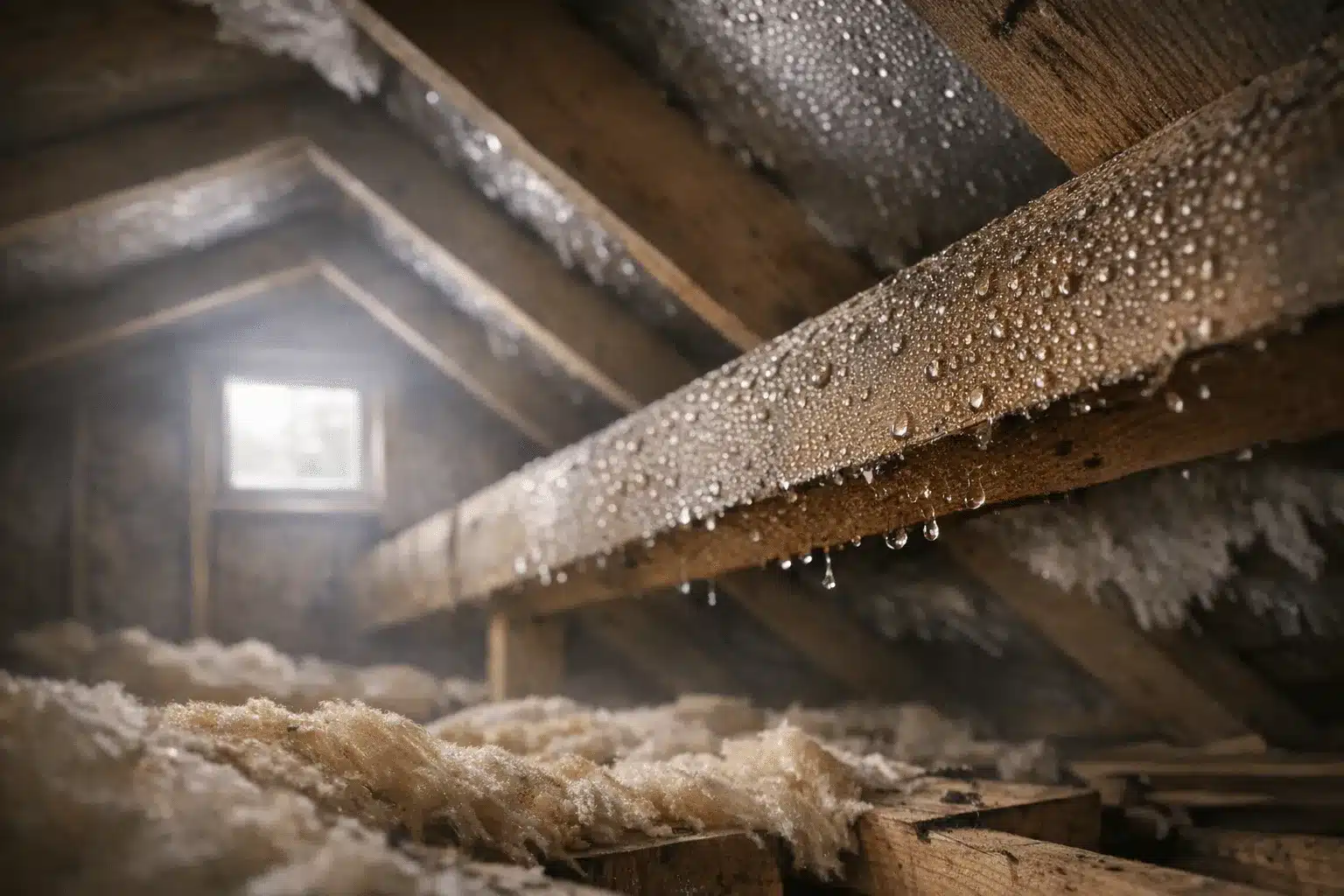
Key warning signs include:
- Musty odors that intensify in humid weather
- Water stains or discoloration on surfaces
- Peeling paint or wallpaper bubbling
- Increased allergy symptoms when indoors
- Condensation on windows or walls
Mold often grows in hidden areas like behind drywall, under carpeting, or inside HVAC ducts. Professional inspection can detect hidden colonies before they spread to visible areas.
High-Risk Areas in Spring
Basements experience the highest mold growth rates during spring due to groundwater seepage and poor ventilation. Bathrooms and kitchens face increased risk from steam and humidity buildup.
Crawl spaces and attics require special attention during temperature transitions. These areas trap moisture from condensation and lack adequate air circulation to prevent mold establishment.
Effective Mold Prevention Strategies
Mold prevention requires controlling moisture levels and improving air circulation throughout your home. Maintaining indoor humidity below 50% prevents most mold species from establishing colonies.
Essential prevention measures include:
- Install dehumidifiers in basements and crawl spaces
- Improve ventilation with exhaust fans in bathrooms and kitchens
- Repair water leaks immediately upon discovery
- Clean gutters to prevent water damage near foundations
- Seal foundation cracks before spring thaw begins
Regular HVAC maintenance ensures proper air circulation and removes moisture buildup in ductwork. Change filters monthly during spring to prevent mold spores from circulating throughout your home.
Humidity Control Techniques
Whole-house dehumidifiers provide consistent moisture control during humid spring weather. Portable units work effectively in problem areas like basements or rooms with poor ventilation.
Monitor humidity levels with digital hygrometers placed in multiple rooms. Take immediate action when readings exceed 55% relative humidity for more than 24 hours.

I’ve had the opportunity to get to know Chris and his team, and learn more about how this company operates, and I’m consistently impressed by their professionalism and integrity. In the restoration industry responsiveness and trust matter, and this team clearly takes both seriously.
They are knowledgeable, organized, and genuinely care about doing things the right way. If you’re looking for a restoration company that values communication and accountability, this is a team worth calling.
 Posted on Google
Professional Remediation vs. DIY Approaches
Small mold patches covering less than 10 square feet can often be addressed with proper cleaning techniques and safety equipment. Larger infestations require professional remediation to prevent health risks and ensure complete removal.
Professional remediation becomes necessary when:
- Mold covers areas larger than 10 square feet
- Growth appears in HVAC systems or ductwork
- Water damage affects structural materials
- Residents experience severe health symptoms
- Previous DIY efforts failed to eliminate the problem
Certified mold remediation specialists use containment procedures and specialized equipment to prevent spore dispersal during removal. They also address underlying moisture sources to prevent recurrence.
When to Call Professionals Immediately
Contact professional remediation services if you discover mold growth after flooding or major water damage. These situations create conditions for rapid mold expansion that overwhelm DIY cleaning efforts.
Black mold or other toxic species require immediate professional attention. Attempting removal without proper equipment can release dangerous concentrations of mycotoxins into living spaces.
Long-Term Protection Strategies
Seasonal maintenance schedules help prevent mold problems before they develop. Spring inspections should focus on areas where winter moisture accumulation creates favorable conditions for growth.
Create a comprehensive protection plan that includes:
- Monthly humidity monitoring in all living areas
- Quarterly HVAC system maintenance and filter replacement
- Annual professional inspections of hidden areas
- Immediate response protocols for water damage incidents
Document moisture levels and maintenance activities to identify patterns that indicate potential problems. This data helps professionals diagnose issues more quickly if remediation becomes necessary.
Spring mold growth poses serious health and property risks that require proactive prevention measures. Control humidity levels, improve ventilation, and address moisture sources before mold colonies establish themselves.
If you discover mold growth in your Colorado home or need professional assessment of moisture problems, contact ARC Restoration at 720-799-2434. Our certified specialists provide comprehensive mold remediation and prevention services to protect your family’s health and your property investment.
Sources
- EPA – Mold Cleanup in Your Home
- CDC – Basic Facts about Mold and Dampness
- ASHRAE – Standards and Guidelines for Indoor Air Quality
Spring weather in Colorado creates ideal conditions for mold growth, posing significant risks to homeowners. Understanding these risks and implementing prevention strategies is essential for protecting homes and health.
- Rising humidity and temperature fluctuations during spring activate dormant mold spores. Homeowners should be aware of hidden moisture sources like melting snow and condensation.
- Mold exposure can lead to serious health issues, especially for vulnerable individuals such as children and the elderly.
- Effective prevention includes maintaining indoor humidity below 50%, improving ventilation, and addressing water leaks promptly.
Spring mold growth refers to the proliferation of mold in homes during the spring season, driven by increased humidity and temperature changes. These conditions create an ideal environment for mold spores to thrive, posing health risks and potential damage to property if not addressed promptly.


