
How to Prevent Basement Flooding During Spring Showers

Spring weather brings beautiful blooms and warmer temperatures, but it also delivers heavy rainfall that can turn your basement into a disaster zone. Prevent basement flooding by taking proactive steps before the first major storm hits your Colorado home.
This guide covers the most effective strategies to protect your basement during spring showers. You’ll learn how to identify vulnerable areas, maintain critical systems, and implement barriers that keep water where it belongs.
Inspect and Test Your Sump Pump System
Your sump pump serves as your basement’s first line of defense against flooding during heavy spring rain. This mechanical guardian removes water that accumulates in your basement’s lowest point, but only when it functions properly.
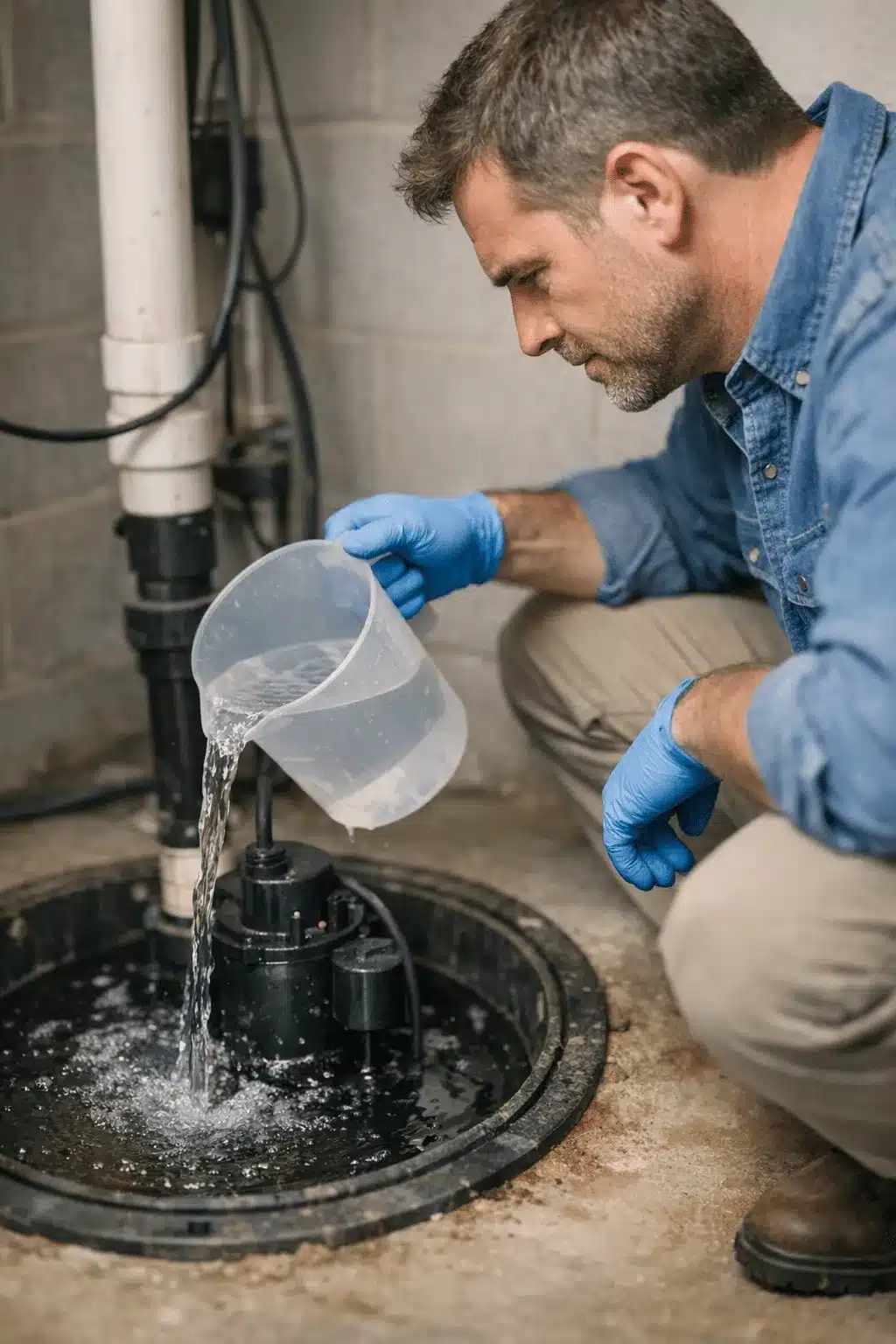
Test your sump pump monthly by pouring water into the sump pit until the float rises and activates the pump. The water should drain quickly and completely. If the pump struggles, makes unusual noises, or fails to start, replace it before spring storms arrive.
Essential Sump Pump Maintenance Tasks
- Clean debris from the sump pit and intake screen
- Check that the discharge pipe directs water at least 6 feet from your foundation
- Verify the backup power source works during outages
- Replace pumps older than 7-10 years, even if they appear functional
Install a backup sump pump if you rely on a single unit. Spring storms often cause power outages exactly when you need pumps most.
Clear Gutters and Improve Drainage Systems
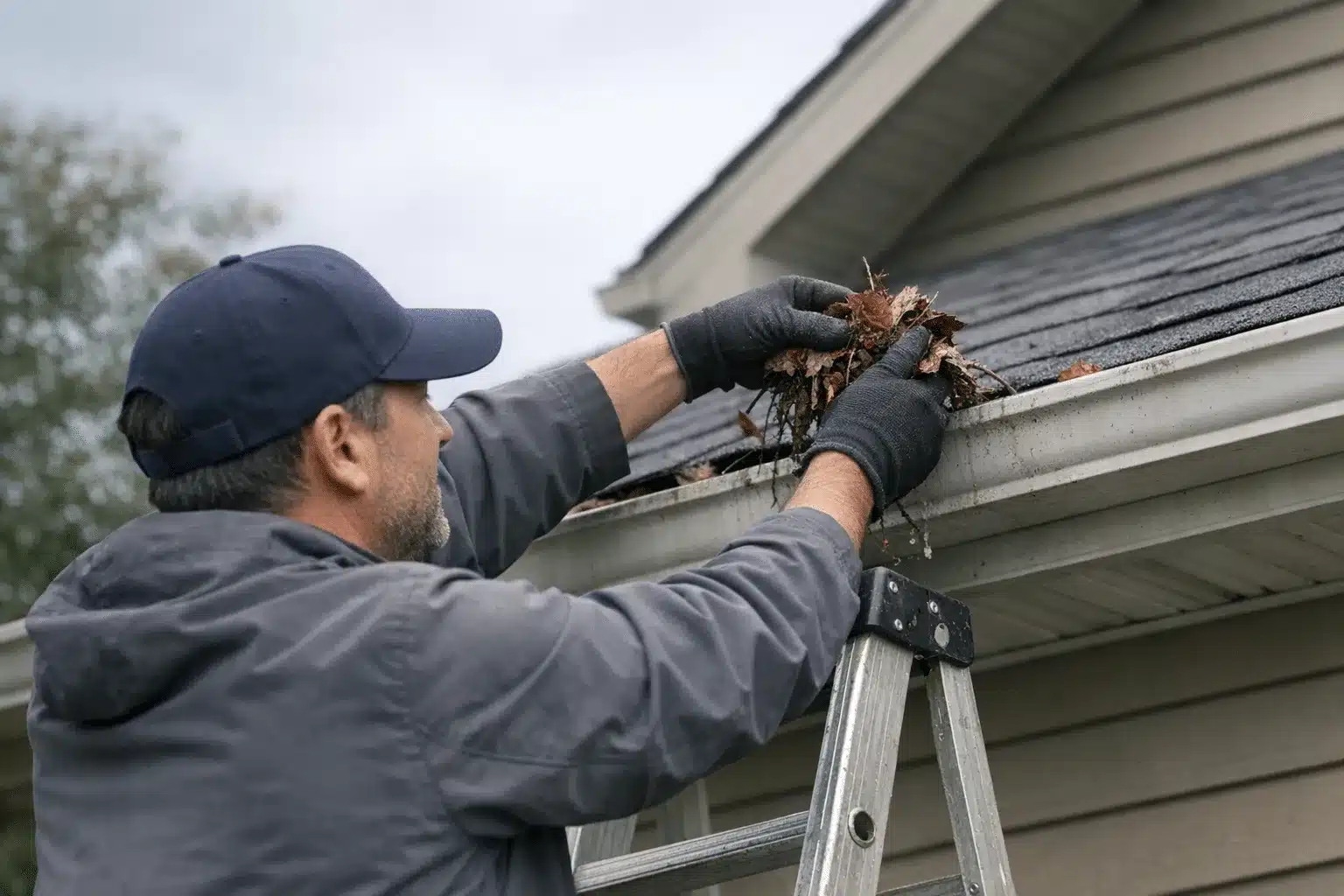
Clogged gutters create waterfalls that dump directly against your foundation during spring downpours. Water finds every crack and weak point, turning minor foundation issues into major flooding problems.
Remove all leaves, twigs, and debris from gutters and downspouts before spring weather intensifies. Downspouts must extend at least 6 feet from your home’s foundation to prevent water from pooling near basement walls.
Drainage Improvements That Stop Water Problems
- Install downspout extensions: Flexible or rigid extensions carry water far from your foundation
- Grade soil away from walls: Create a slope that directs surface water away from your home
- Add French drains: Underground drainage systems intercept groundwater before it reaches basement walls
- Clear window wells: Remove debris and check that drainage systems function properly
Consider installing gutter guards to reduce future maintenance needs. These systems keep debris out while allowing water to flow freely.
Seal Foundation Cracks and Vulnerable Entry Points
Foundation cracks smaller than a credit card thickness can still allow significant water infiltration during sustained spring rainfall. Water pressure builds against foundation walls, forcing moisture through seemingly minor openings.
Inspect your foundation walls both inside and outside for cracks, gaps, or deteriorated mortar joints. Mark problem areas with chalk so you can return with appropriate repair materials.
Foundation Sealing Materials and Methods
Use hydraulic cement for active leaks where water currently seeps through foundation walls. This expanding cement stops water flow and creates a permanent barrier against future infiltration.
Apply polyurethane caulk to hairline cracks and gaps around basement windows, pipes, and utility penetrations. Clean surfaces thoroughly before application to ensure proper adhesion.
- Silicone-based sealants work best for joints that experience movement
- Concrete crack injection provides professional-grade repairs for structural cracks
- Exterior waterproofing membranes offer comprehensive protection but require excavation
Install Water Detection and Barrier Systems
Water detection systems provide early warning when moisture levels rise in your basement. Smart water sensors send alerts to your phone when they detect water, giving you time to respond before minor seepage becomes major flooding.
Place sensors near your water heater, sump pump, floor drains, and foundation walls where leaks commonly develop. Battery-powered units continue monitoring even during power outages that often accompany severe spring storms.
Physical Barriers That Stop Water Entry
Temporary flood barriers create physical walls that redirect water away from basement entrances and vulnerable areas. These systems work particularly well for basement doors and window wells.
- Sandbags: Traditional option that requires advance preparation and storage space
- Water-activated barriers: Lightweight until exposed to water, then expand to create effective dams
- Permanent threshold barriers: Install at basement door entrances for recurring protection
Store barrier materials in easily accessible locations. Spring storms develop quickly, leaving little time to locate and deploy protection systems.

 Posted on Google
Maintain Interior Drainage and Backup Systems
Interior drainage systems manage water that penetrates your basement despite exterior prevention measures. Floor drains, interior French drains, and basement waterproofing systems provide secondary protection when primary barriers fail.
Test floor drains by pouring water directly into them to verify proper drainage. Slow drainage indicates clogs that need clearing before heavy spring rain arrives.
Backup System Preparations
Power outages frequently accompany severe spring weather, disabling sump pumps and ventilation systems when you need them most. Generator-powered backup systems maintain basement protection during extended outages.
- Test backup generators monthly under load conditions
- Store adequate fuel supplies in approved containers
- Install automatic transfer switches for seamless power transitions
- Maintain battery-powered backup sump pumps as secondary protection
Consider portable pumps for emergency water removal. These units help manage water accumulation when primary systems become overwhelmed.
Monitor Weather Patterns and Prepare Emergency Plans
Spring weather patterns in Colorado can shift rapidly from light showers to intense downpours that overwhelm unprepared drainage systems. Weather monitoring helps you activate protection measures before conditions become critical.
Sign up for local weather alerts that provide advance warning of severe storms. Use this time to deploy temporary barriers, test sump pumps, and move valuable items from basement storage areas.
Emergency Response Planning
Create action plans for different flooding scenarios before emergencies occur. Know how to shut off electricity to basement areas and where to locate emergency supplies.
- Document valuable items: Photograph basement contents for insurance purposes
- Identify safe storage: Designate higher areas for emergency item relocation
- Establish communication: Keep emergency contact numbers easily accessible
- Plan evacuation routes: Ensure safe exit paths remain clear during flooding
Practice emergency procedures with family members so everyone understands their role during basement flooding events.
Professional Inspection and System Upgrades
Professional basement waterproofing inspections identify problems that homeowners commonly miss during routine maintenance checks. Experienced contractors spot foundation settlement, drainage inadequacies, and system failures before they cause expensive flood damage.
Schedule inspections during dry weather when contractors can thoroughly evaluate all basement systems. This timing allows for repairs and upgrades before spring storms test your home’s flood resistance.
Upgrades Worth Considering
- Whole-house surge protection for sump pump systems
- Smart home integration for automated flood response
- Upgraded sump pump capacity for handling increased rainfall volumes
- Professional exterior waterproofing for comprehensive protection
Investment in professional-grade systems pays dividends when severe spring weather challenges your basement’s flood defenses.
Prevent basement flooding by implementing these strategies before spring showers intensify. Regular maintenance and proactive preparation protect your home far more effectively than emergency responses after water damage occurs.
When basement flooding does occur despite your best prevention efforts, professional water damage restoration becomes necessary to prevent mold growth and structural damage. Contact ARC Restoration at 720-799-2434 for expert basement flood cleanup and restoration services throughout Colorado.
Sources
- Ready.gov – Flood Safety and Preparedness
- EPA – Flood Cleanup and Indoor Air Quality
- FEMA – Flood Maps and Risk Assessment
Spring showers can lead to basement flooding, but taking proactive measures can help protect your home. This guide outlines effective strategies for preventing water damage before the storms arrive.
- Inspect and maintain your sump pump to ensure it functions properly during heavy rain. Regular testing and cleaning are essential for its effectiveness.
- Clear gutters and improve drainage systems to direct water away from your foundation and prevent pooling near basement walls.
- Seal foundation cracks and install water detection systems to catch leaks early, reducing the risk of significant flooding in your basement.
To prevent basement flooding during spring showers, homeowners should take proactive measures such as ensuring proper drainage around the foundation, cleaning gutters and downspouts, and sealing any cracks in walls or floors. Additionally, installing a sump pump can help manage excess water and protect the basement from flooding.


