
Preparing for Flash Floods: A Colorado Homeowner’s Guide
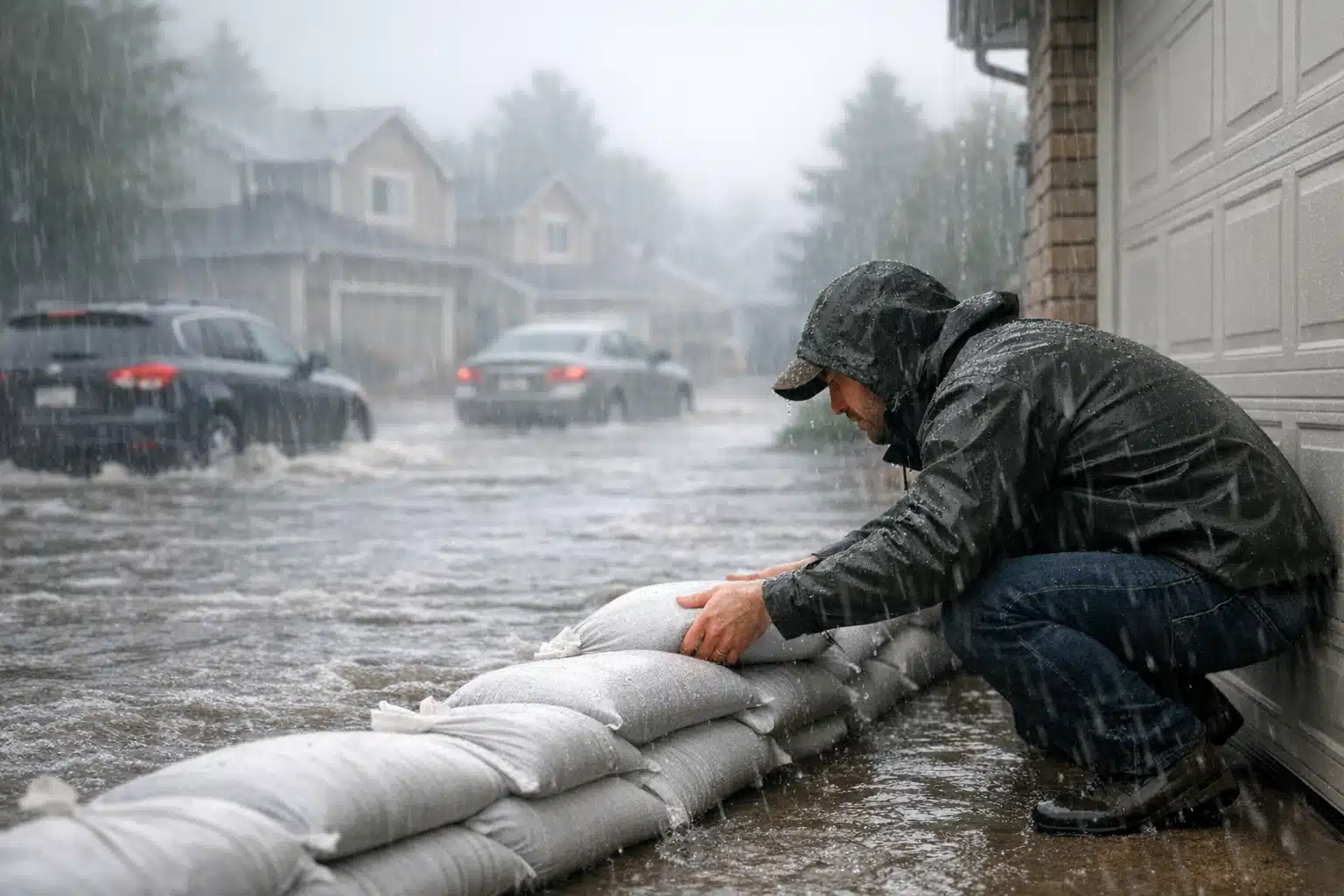
Why Colorado’s Summer Flash Floods Catch Homeowners Off Guard
A clear July afternoon can turn into six inches of water in your basement by dinnertime. That speed is what makes Colorado flash floods so dangerous.
Most flooding here does not come from spring snowmelt. It comes from the summer monsoon season between mid-July and mid-September.
Good flash flood preparation starts before the first thunderhead builds over the foothills. This post walks Colorado homeowners the exact steps to protect a home, room by room, before the water arrives.
The Mid-Summer Threat Most Coloradans Underestimate
Colorado’s flash flood season peaks when the North American Monsoon pushes moisture up from the Gulf of California. Afternoon storms stall over the mountains and dump rain fast.
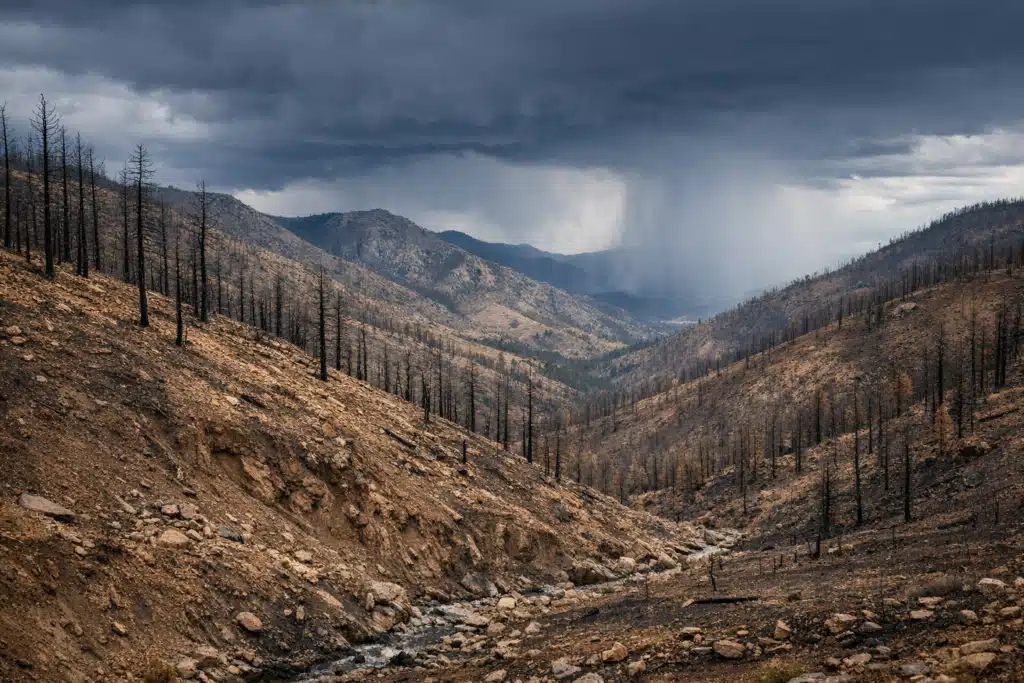
The 2013 Front Range floods and the 1976 Big Thompson Canyon disaster both happened in summer, not spring. Two to four inches of rain in an hour can overwhelm any drainage system.
Burn Scars Change Everything
Land burned by wildfire cannot absorb water. Rain runs off scorched soil like water off pavement.
Homes downstream from the Cameron Peak, East Troublesome, or Marshall Fire areas face higher risk for years after the flames are out. A storm that would have caused nothing now sends mud and debris racing downhill.
If you live below or near a recent burn scar, treat every summer storm warning as serious. The runoff arrives with little warning and carries rocks and ash.
Urban Runoff in Denver and the Suburbs
Flash floods are not only a mountain problem. Concrete-heavy areas in Denver, Aurora, and Lakewood shed water fast into storm drains that clog quickly.
Older neighborhoods with undersized drainage back up into streets and window wells. A finished basement in a flat suburban lot can flood as fast as a canyon cabin.
How to Prepare Your Home for Flash Floods: A Step-by-Step Plan
Flash flood preparation is the set of physical and planning steps that keep water out of your home and your family safe during sudden flooding. Work through the list below before mid-July.
- Clear your gutters and downspouts. Extend downspout ends at least five feet from the foundation. Pine needles and cottonwood seeds clog Colorado gutters fast in early summer.
- Grade soil away from the foundation. Aim for a slope of six inches over the first ten feet. Flat or reverse grading sends water straight into the basement.
- Test your sump pump. Pour a bucket of water into the pit and confirm it kicks on. Add a battery backup, since summer storms knock out power.
- Install window well covers. Clear covers keep debris and rain out of below-grade windows. Window wells are the most common entry point in suburban basements.
- Seal foundation cracks. Fill visible cracks with hydraulic cement before the wet season. Water finds every gap under pressure.
- Move valuables off basement floors. Store documents, electronics, and photos on shelves or upper floors. Use plastic bins, not cardboard boxes.
- Know your drainage path. Walk your property during a light rain and watch where water flows. Fix low spots and blocked swales.
Build an Emergency Kit Before the Season
Colorado flash floods can trap you at home or force fast evacuation. Keep a kit ready by July 1.
- Three days of water and non-perishable food
- Flashlights and extra batteries
- A battery or hand-crank radio for weather alerts
- Medications and copies of insurance documents
- Phone chargers and a portable battery pack
Understand Your Flood Insurance Before You Need It
Standard homeowners policies do not cover flood damage. Colorado homeowners need a separate flood policy, and it takes 30 days to take effect.
That waiting period is why summer buyers wait too long. Purchasing coverage in August when storms are already rolling in leaves you exposed.
Check whether your home sits in a FEMA-designated flood zone. Many properties outside mapped zones still flood, especially near burn scars and new development.
Document Your Home Now
Take photos or video of every room before storm season. Record serial numbers on major appliances and electronics.
This record speeds up claims and proves what you owned. Store copies in the cloud, not only on a device that could be lost to water.

Thx. ARC ,JAL
 Posted on Google
What to Do When a Flash Flood Warning Hits
A flash flood warning means flooding is happening or about to happen. Act within minutes, not hours.
- Move to higher ground immediately if you are in a canyon or low-lying area.
- Never drive into standing water. Six inches can stall a car and one foot can float it.
- Unplug electronics if you have time and it is safe to reach outlets.
- Shut off power to the basement at the breaker if water is entering.
- Leave the area if water rises fast. Property can be replaced.
The Big Thompson flood killed 144 people, many caught driving in the canyon. Roads flood faster than most people expect in mountain terrain.
After the Water Recedes: Why Fast Action Matters
Mold begins growing on wet drywall and carpet within 24 to 48 hours. Standing water also carries sewage and contaminants that make cleanup unsafe without training.
The faster water is extracted and materials are dried, the more of your home can be saved. Waiting a weekend can turn a repairable floor into a full tear-out.
Steps to Take in the First Hours
- Photograph all damage before moving anything
- Contact your insurance company to start a claim
- Do not enter a basement with standing water and live electrical
- Call a restoration team with commercial extraction equipment
ARC Restoration handles water extraction, structural drying, and mold remediation across the Colorado Front Range. Our crews respond fast because the first 48 hours decide how much of your home survives.
Key Takeaways for Colorado Homeowners
Colorado’s flash flood risk peaks in mid-summer, driven by monsoon storms and wildfire burn scars. The best flash flood preparation happens before July, from clearing gutters to buying flood insurance early.
When water does get in, acting within 48 hours protects your home from mold and permanent damage.
If flooding hits your home, contact ARC Restoration for emergency water extraction and restoration. Call or text 720-799-2434, email office@advancedrestorationcolorado.com, or visit https://advancedrestorationcolorado.com.
Sources
- National Weather Service – Flood Safety
- FEMA – FloodSmart / National Flood Insurance Program
- Colorado Division of Homeland Security and Emergency Management – Flood Information
- U.S. EPA – Mold Cleanup in Your Home
Colorado homeowners face significant risks from summer flash floods, which can occur rapidly and unexpectedly. Proper preparation and timely action are essential to protect homes and families from potential damage.
- Flash floods in Colorado are most common during the summer monsoon season, which runs from mid-July to mid-September.
- Homeowners should take proactive steps like clearing gutters and checking sump pumps before the flood season begins.
- In the event of a flood warning, immediate action is necessary to ensure safety and minimize damage to property.
A flash flood is a rapid and intense flood event that can occur within minutes or hours of heavy rainfall. In Colorado, these floods are particularly dangerous due to the state's varied terrain and sudden weather changes, which can lead to significant water accumulation in a short period, posing risks to homes and safety.


