
The Impact of Summer Humidity on Your Home’s Foundation
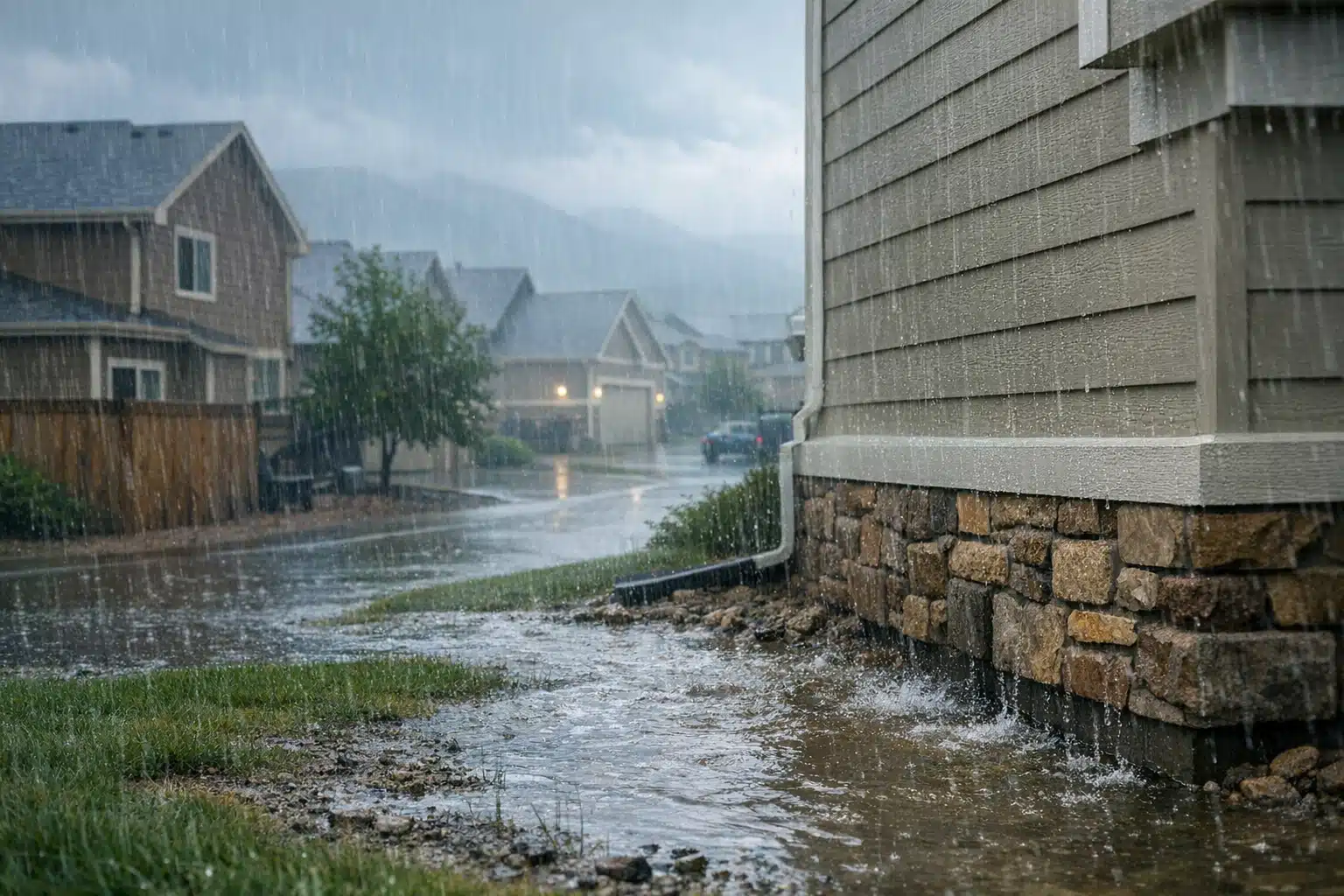
Summer humidity can significantly impact a home's foundation, primarily through soil moisture changes that lead to structural stress. Homeowners should be aware of the early signs of foundation movement and take steps to manage moisture effectively.
- Excess moisture during summer can cause clay soil to expand and contract, leading to uneven foundation stress. Homeowners should look for signs like new cracks in drywall or sticking doors as indicators of potential issues.
- Hydrostatic pressure from saturated soil can result in cracks and bowing walls in basements, while humid air in crawl spaces can lead to wood rot and mold growth.
- To protect foundations, it is essential to manage water around the home through proper grading, drainage systems, and dehumidification strategies.
Summer humidity impacts your home’s foundation by altering the soil volume beneath it, leading to potential structural stress. Many homeowners mistakenly believe that foundation issues are primarily caused by winter freezes, but the effects of humid and wet summer months can create problems that may not become visible until later.
Summer humidity impact on your home’s foundation starts underground, where moisture changes soil volume before you ever spot a crack. Many Colorado homeowners assume foundation trouble is a winter freeze problem. The truth is that humid, wet summer months quietly stress your structure in ways that surface much later.
This post breaks down how excess moisture reaches your foundation, which soil types react worst, and the early signs that indicate movement. You will learn what to watch for and when to call for help.
How Summer Humidity Reaches Your Foundation
Foundation stress from humidity is a soil moisture problem first. When air moisture rises and summer storms roll in, the ground around your home absorbs water. That water changes how the soil behaves against your foundation walls and footings.
Three paths move summer moisture toward your structure:
- Direct rainfall and runoff that pools near the foundation edge
- Airborne humidity that condenses in crawl spaces and basements
- Rising groundwater that saturates soil from below during wet stretches
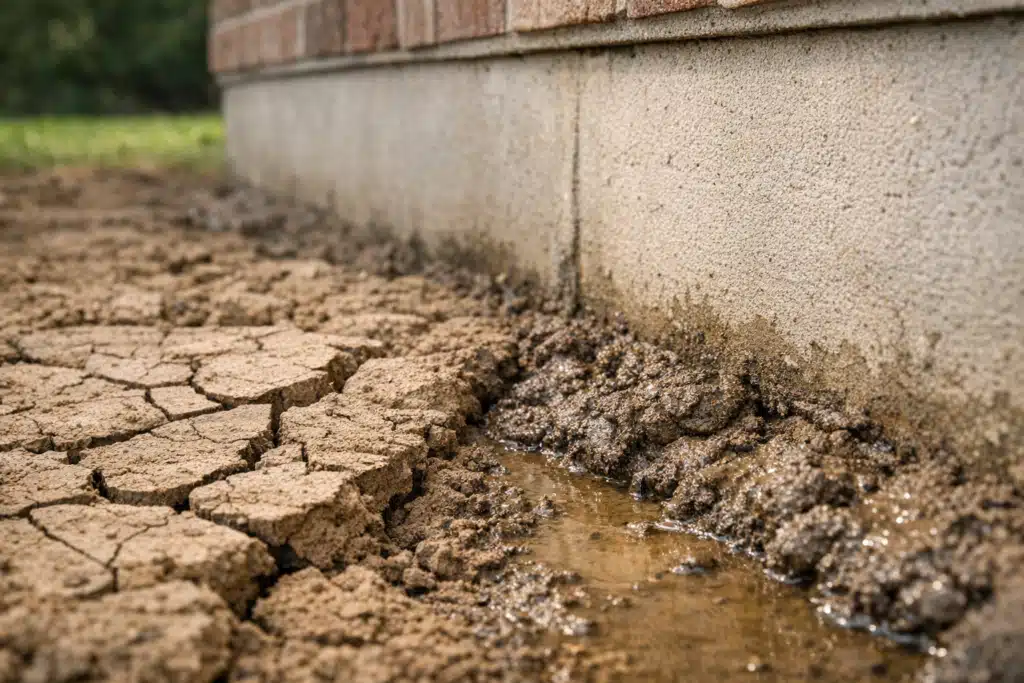
Along Colorado’s Front Range, summer brings intense monsoon-pattern storms. A single afternoon can drop an inch of rain onto dry, cracked soil. That rapid swing from bone-dry to saturated is what damages foundations.
The Clay Soil Problem in Colorado
Expansive clay soil is the biggest driver of summer humidity impact in this region. Colorado’s Front Range sits on bentonite and other clay-heavy soils. These soils swell when wet and shrink when dry.
A clay layer can expand up to 10 percent in volume when it absorbs water. That expansion pushes upward and inward on footings and slabs. When the soil dries between storms, it contracts and leaves voids.
This repeated swell-shrink cycle is called differential movement. It lifts one part of your foundation and drops another. The result is uneven stress that concrete was never built to handle.
What Summer Humidity Impact Does to Structural Integrity
Humidity weakens foundations by combining soil pressure with moisture intrusion into the concrete itself. Both effects attack structural integrity from different angles at the same time.
Concrete Absorbs Water
Concrete is porous. During humid months, it wicks moisture from wet soil and damp air. Saturated concrete loses compressive strength and becomes more prone to spalling and surface flaking.
Steel rebar inside the concrete is another concern. Trapped moisture reaches the rebar and starts corrosion. Rusting steel expands and cracks the concrete from the inside out.
Hydrostatic Pressure Against Walls
Hydrostatic pressure is the force that saturated soil exerts against below-grade walls. When summer rain fills the soil around a basement, water has nowhere to drain. That pressure pushes against the wall with hundreds of pounds of force per square foot.
Over a wet season, that pressure produces:
- Horizontal cracks across basement walls
- Bowing or inward leaning of the wall
- Water seepage at the wall-floor joint
Wood Rot and Mold in Crawl Spaces
Crawl spaces trap humid summer air against wood framing and support posts. Warm, moist air condenses on cooler surfaces. That standing moisture rots sill plates, floor joists, and beams.
Compromised wood support shifts load onto the foundation unevenly. Mold growth follows within 24 to 48 hours of sustained dampness. Both problems accelerate structural decline.
Early Warning Signs to Watch During Summer
Foundation movement shows up inside your home before the concrete visibly fails. Catching these signs during summer saves you from major repair bills later.
- New cracks in drywall above doors and windows
- Doors and windows that stick or no longer latch cleanly
- Gaps between walls and ceilings or between walls and floors
- Sloping or uneven floors that feel bouncy underfoot
- A musty smell in the basement or crawl space
- Efflorescence, the white chalky residue left by moisture on concrete
One sign alone may not signal foundation failure. Two or more appearing together during a wet summer points to soil-driven movement. That combination warrants an inspection.
The Diagonal Crack Test
Diagonal cracks running from the corners of doors and windows are a strong indicator of foundation settling. Hairline vertical cracks are usually cosmetic curing cracks. Widening diagonal or stair-step cracks in block walls point to active movement.
Mark the end of any crack with a pencil and date it. If it grows over a few weeks of summer weather, the soil is moving your foundation. Document it with photos for any restoration assessment.
How to Reduce Summer Humidity Impact on Your Foundation
Controlling water near and under your home is the most effective defense. The goal is steady soil moisture, not the wild swings that drive clay expansion.
Steps that protect your foundation during humid months:
- Extend downspouts at least 5 feet from the foundation wall
- Grade the soil to slope away from the house at 6 inches over 10 feet
- Clean gutters before monsoon season so water flows away
- Run a dehumidifier in basements and encapsulated crawl spaces
- Water landscaping evenly to avoid dry-then-flooded soil cycles
- Install a French drain if water repeatedly pools near the foundation
Consistent soil moisture matters more than dryness with clay. A soaker hose running lightly during dry spells prevents the shrinkage that causes settling. The aim is balance, not extremes.
When Crawl Space Encapsulation Helps
Crawl space encapsulation seals your crawl space from ground and air moisture. A vapor barrier covers the soil, and vents are sealed to block humid outside air. A dedicated dehumidifier keeps the space dry.
For homes with recurring summer crawl space moisture, encapsulation stops wood rot and mold at the source. It stabilizes the environment under your floors year-round. That protects both the framing and the foundation supporting it.

 Posted on Google
When to Call a Restoration Team
Call for help when you see water intrusion, active cracking, or mold in your basement or crawl space. Standing water and mold growth need fast action to stop structural and air-quality damage.
ARC Restoration handles the water and moisture side of foundation problems across Colorado. That work includes:
- Water extraction and structural drying after seepage or flooding
- Mold remediation in crawl spaces and basements
- Moisture assessment to find the source of foundation dampness
Fast moisture removal limits how far summer humidity impact spreads into your framing and concrete. The sooner the water is gone, the less damage the soil movement leaves behind.
Key Takeaways
Summer humidity damages foundations by swelling clay soil, saturating concrete, and pushing hydrostatic pressure against basement walls. Watch for diagonal cracks, sticking doors, and musty crawl spaces during wet months. Managing water near your home foundation with grading, drainage, and dehumidification prevents most of the damage.
If you spot water intrusion, mold, or spreading cracks this summer, ARC Restoration can assess the moisture and stop it fast. Call or text 720-799-2434, email office@advancedrestorationcolorado.com, or visit https://advancedrestorationcolorado.com.
Sources
- U.S. Geological Survey – Expansive Soils
- U.S. Environmental Protection Agency – Mold Cleanup in Your Home
- Colorado Geological Survey – Swelling and Collapsible Soils
- U.S. Department of Energy – Crawlspace Insulation and Moisture Control


