Blog
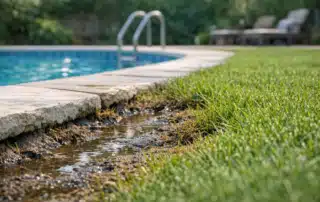
How to Handle Water Damage from Leaky Summer Pools
A pool losing an inch of water a day might look like normal evaporation, but it can mean hundreds of gallons seeping into your soil, foundation, or basement each week. Summer pool leaks cause a slow, hidden form of water damage that homeowners rarely catch until the drywall stains or the yard turns to mud. [...]
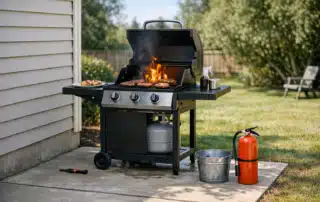
Summer Grilling Safety: Avoiding Fire Hazards
Every July, fire departments across Colorado respond to backyard grill fires that started with a small, avoidable mistake. A grease buildup ignites. A propane hose leaks. A grill placed too close to vinyl siding melts and catches. Grilling safety comes down to a handful of specific habits that stop small sparks from becoming structure fires. [...]
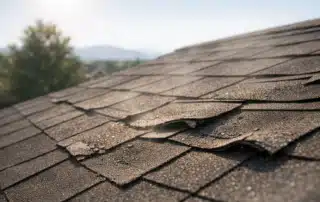
Understanding the Effects of High Summer Temperatures on Your Roof
Your roof surface can hit 150 degrees or hotter on a Colorado July afternoon, even when the air reads 90. That heat gap is where summer roof damage begins, and most homeowners never see it until a leak shows up inside. This post breaks down how extreme heat attacks each roofing material, which warning signs [...]
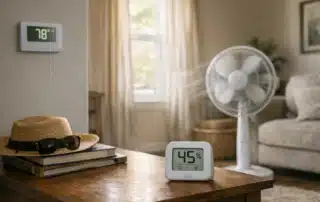
How to Prevent Mold When Leaving Your Home for Summer Vacation
A closed-up house in July is a mold factory waiting to start. When you lock the door for a two-week trip, indoor humidity climbs, air stops moving, and any small water problem gets weeks to spread unchecked. The good news: you can prevent mold during vacation with a short checklist done the day before you [...]
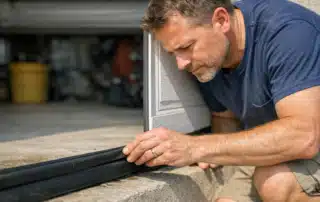
Summer Garage Flooding: Prevention and Cleanup
Summer storms in Colorado can dump an inch of rain in under an hour. When that water finds your garage, it soaks drywall, ruins stored boxes, and creeps into the house within minutes. Garage flooding prevention matters most from June to September, when monsoon-season downpours overwhelm drains and driveways. This post covers why garages flood [...]

Keeping Your Commercial Property Safe from Summer Vandalism
Vandalism reports climb every June as school lets out, daylight stretches past 8 p.m., and empty parking lots sit unwatched. Commercial property owners see the aftermath first thing Monday morning: spray-painted loading docks, shattered storefront glass, or a broken security gate. This post covers summer vandalism prevention tactics that work, plus what to do the [...]
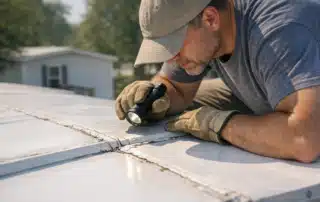
How to Prevent Water Damage in Mobile Homes During Summer
Why Summer Puts Mobile Homes at Higher Risk Summer storms cause more mobile home water damage than many owners expect. Heavy rain, hail, and wind hit manufactured homes differently than site-built houses. Their lighter roofs, seam-based construction, and underbelly systems create entry points standard homes lack. Mobile home water damage prevention depends on catching problems [...]
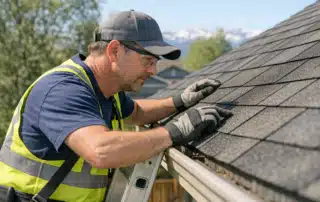
Preparing for Unexpected Summer Hailstorms
Colorado sees some of the most damaging hail in the country, and the worst storms show up on clear June and July afternoons. A sunny morning can turn into golf-ball-sized ice by 3 p.m. with almost no warning. That is why hailstorm preparation matters most for homeowners who assume summer means calm skies. This post [...]
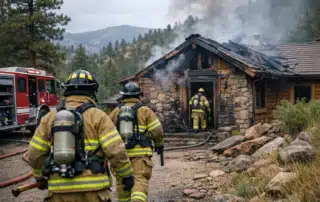
How to Address Fire Damage After a Summer Lightning Strike
A single lightning bolt can push 300 million volts into a Colorado home in under a millisecond. That energy has to go somewhere, and in mountain and Front Range homes, it can ignite fires inside walls and attics long before you smell smoke. Fire damage restoration after a summer lightning strike starts with knowing where [...]
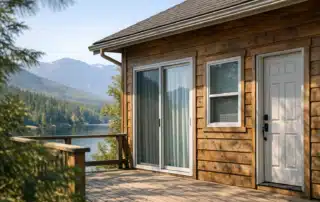
Preventing Mold in Summer Vacation Homes
Mold can spread across a vacation home in as little as 48 hours, and empty summer properties give it the exact conditions it wants. When no one is around to spot the first musty smell or damp corner, small problems become expensive ones. This post covers vacation home mold prevention for owners who visit only [...]
How Insurance Treats Summer Water [...]
Colorado summer festivals draw thousands [...]
Why Summer Sun Damage Hits [...]