
Immediate Steps to Take After a Tree Falls on Your House
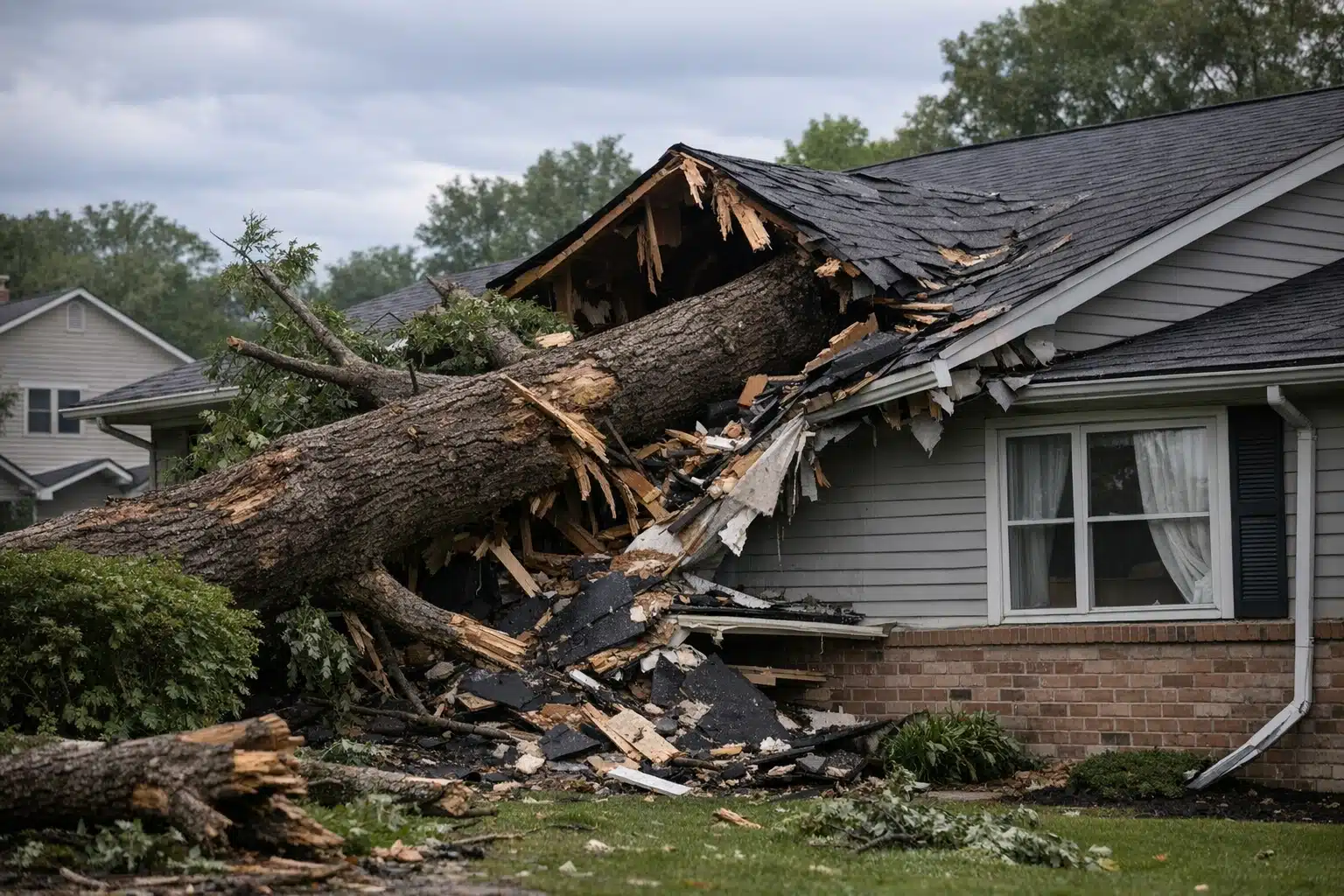
A tree crashing through your roof transforms a peaceful spring evening into a crisis within seconds. The sound of splintering wood and breaking glass signals immediate danger to your family and property.
This guide walks you through the critical first steps to take when tree damage strikes your home during Colorado’s unpredictable spring storms. Acting quickly and methodically protects both your safety and your insurance claim.
Ensure Everyone’s Safety First
Safety takes priority over property damage assessment. Before examining the destruction, account for every family member and pet in your household.
Move everyone away from the damaged area immediately. Fallen trees can shift unexpectedly, causing additional structural collapse or exposing electrical hazards.
Check for these immediate dangers:
- Electrical wires – Downed power lines near or touching the tree create electrocution risks
- Gas leaks – Listen for hissing sounds and smell for gas odors
- Structural instability – Sagging ceilings, cracked walls, or tilting support beams
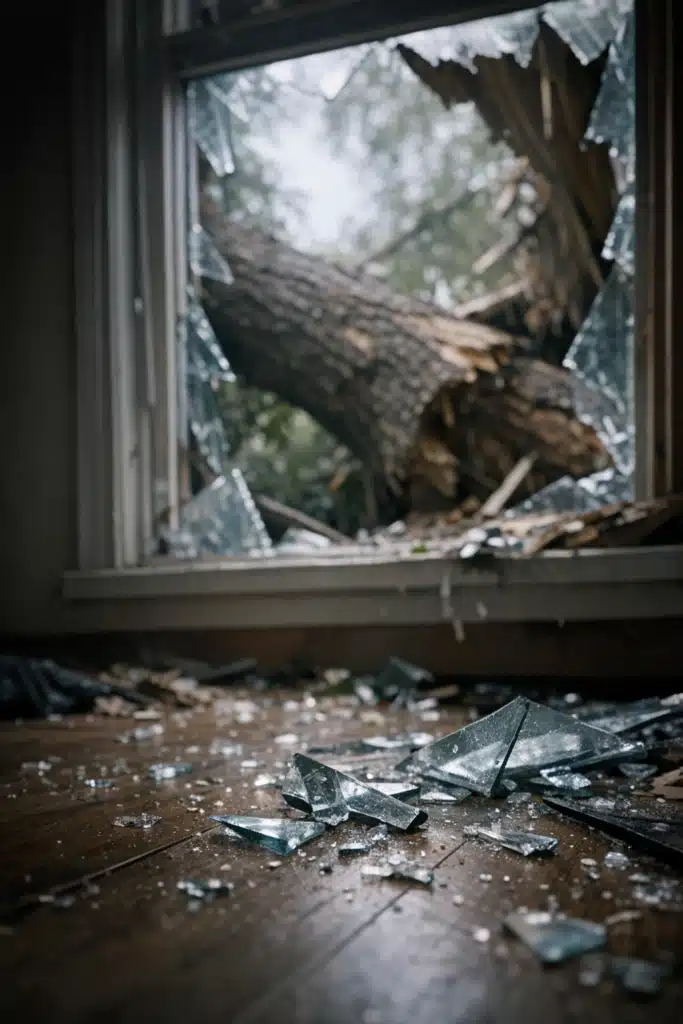
- Glass debris – Broken windows and scattered shards throughout affected rooms
When to Evacuate Your Home
Leave your house immediately if the tree has compromised load-bearing structures or if you detect gas leaks. The roof damage may appear contained, but internal structural damage often extends beyond what’s visible.
Stay in a safe location away from the house until professional assessment confirms the building’s stability.
Contact Emergency Services
Call 911 if anyone sustained injuries or if immediate hazards threaten your property. Emergency responders will secure electrical dangers and assess structural risks before you re-enter your home.
Contact your utility companies next. Report downed power lines to your electrical provider and suspected gas leaks to your gas company. These services often provide 24-hour emergency response for storm-related incidents.
Keep these numbers readily accessible during storm season. Power outages may prevent internet searches when you need them most.
Document the Tree Damage Thoroughly
Comprehensive documentation supports your insurance claim and helps restoration professionals plan repairs. Take photos and videos from multiple angles before weather conditions worsen.
Essential Documentation Steps
Photograph the tree’s point of impact on your roof, showing both interior and exterior damage. Capture wide shots that show the tree’s size relative to your house.
Document these specific elements:
- The entire fallen tree and its root system
- Roof punctures, collapsed sections, and exposed interior spaces
- Damaged personal property inside affected rooms
- Secondary damage like broken windows or damaged siding
- Any vehicles or outdoor structures the tree struck
Save photos to cloud storage immediately. Phone damage during storms can erase locally stored images.
Creating a Written Damage Inventory
List damaged items with descriptions, approximate ages, and estimated replacement costs. This inventory becomes crucial when filing detailed insurance claims.
Note the time and date of the incident, along with weather conditions that contributed to the tree failure.
Prevent Further Water Damage
Water infiltration through roof damage can cause more long-term harm than the initial tree impact. Spring storms often bring sustained rainfall that penetrates compromised roofing systems.
Cover exposed areas with tarps or plastic sheeting as soon as conditions allow safe roof access. Secure coverings with boards and nails rather than just weights that wind can displace.
Interior Water Management
Place buckets and containers under active leaks to protect flooring and furniture. Move valuable items away from damaged areas before rain intensifies.
Remove wet insulation and drywall quickly to prevent mold growth. Colorado’s dry climate helps, but moisture trapped in wall cavities creates ideal mold conditions within 24-48 hours.
Contact Your Insurance Company
Report the claim within 24 hours of the incident when possible. Insurance companies prioritize storm-related claims during severe weather events, and early reporting expedites the adjustment process.
Provide your insurance adjuster with the photo documentation you collected. Explain whether the tree originated on your property or a neighbor’s land, as this affects coverage determination.
Understanding Coverage Limitations
Most homeowner’s policies cover sudden tree damage from storms but exclude damage from diseased or dead trees that fell due to neglect. Your adjuster will examine the tree’s condition to determine coverage eligibility.
Keep receipts for emergency repairs and temporary housing costs. Many policies reimburse these expenses while permanent repairs are underway.

 Posted on Google
Professional Tree Removal and Restoration
Tree removal from roofing structures requires specialized equipment and expertise. Attempting removal without proper training often causes additional structural damage or serious injury.
Professional restoration companies coordinate tree removal with roofing repairs to prevent further compromise. They understand how to extract embedded branches without damaging salvageable roof sections.
Choosing Qualified Contractors
Verify that contractors carry both liability insurance and workers’ compensation coverage. Storm damage creates urgent situations, but unlicensed contractors often appear after severe weather seeking quick profits.
Request multiple estimates for restoration work. Prices vary significantly during high-demand periods following widespread storm damage.
Addressing Ongoing Safety Concerns
Inspect your property for additional compromised trees that pose continued threats. Trees with exposed roots, significant lean, or large dead branches may fail in subsequent storms.
Consider professional tree assessment for large specimens near your house. Certified arborists identify structural weaknesses that aren’t apparent to homeowners.
Preventing Future Tree Damage
Maintain adequate clearance between mature trees and your roofline. The recommended distance varies by tree species, but 20-30 feet provides reasonable protection for most Colorado trees.
Regular pruning reduces wind resistance and removes dead wood that commonly breaks during storms. Schedule this maintenance during dormant seasons rather than just before storm season.
Recovery and Next Steps
Tree damage restoration often takes several weeks depending on the extent of structural impact and contractor availability. Temporary repairs protect your property while permanent solutions are implemented.
This systematic approach to tree damage recovery protects both your immediate safety and long-term property interests. Quick action prevents minor damage from becoming major structural problems.
When tree damage strikes your Colorado home, contact ARC Restoration for professional emergency response and complete restoration services. Call 720-799-2434 for immediate assistance.
Sources
When a tree falls on your house, immediate action is essential to ensure safety and protect your property. This guide outlines the critical steps to take following such an incident, emphasizing safety, documentation, and contacting professionals.
- Prioritize safety by ensuring all family members and pets are accounted for and away from the damaged area. Check for hazards like downed power lines and gas leaks before re-entering your home.
- Document the damage thoroughly with photos and a written inventory of affected items to support your insurance claim. Include details like the tree's impact and any secondary damage.
- Contact your insurance company within 24 hours to report the claim and provide the documentation you've gathered. Understand your coverage limitations regarding tree damage.
After a tree falls on your house, prioritize safety by ensuring everyone is unharmed and evacuating the area if necessary. Contact emergency services to assess any dangers, such as gas leaks or electrical hazards, and avoid entering the damaged structure until it is deemed safe.


