
How to Choose the Right Emergency Restoration Company After a Spring Disaster
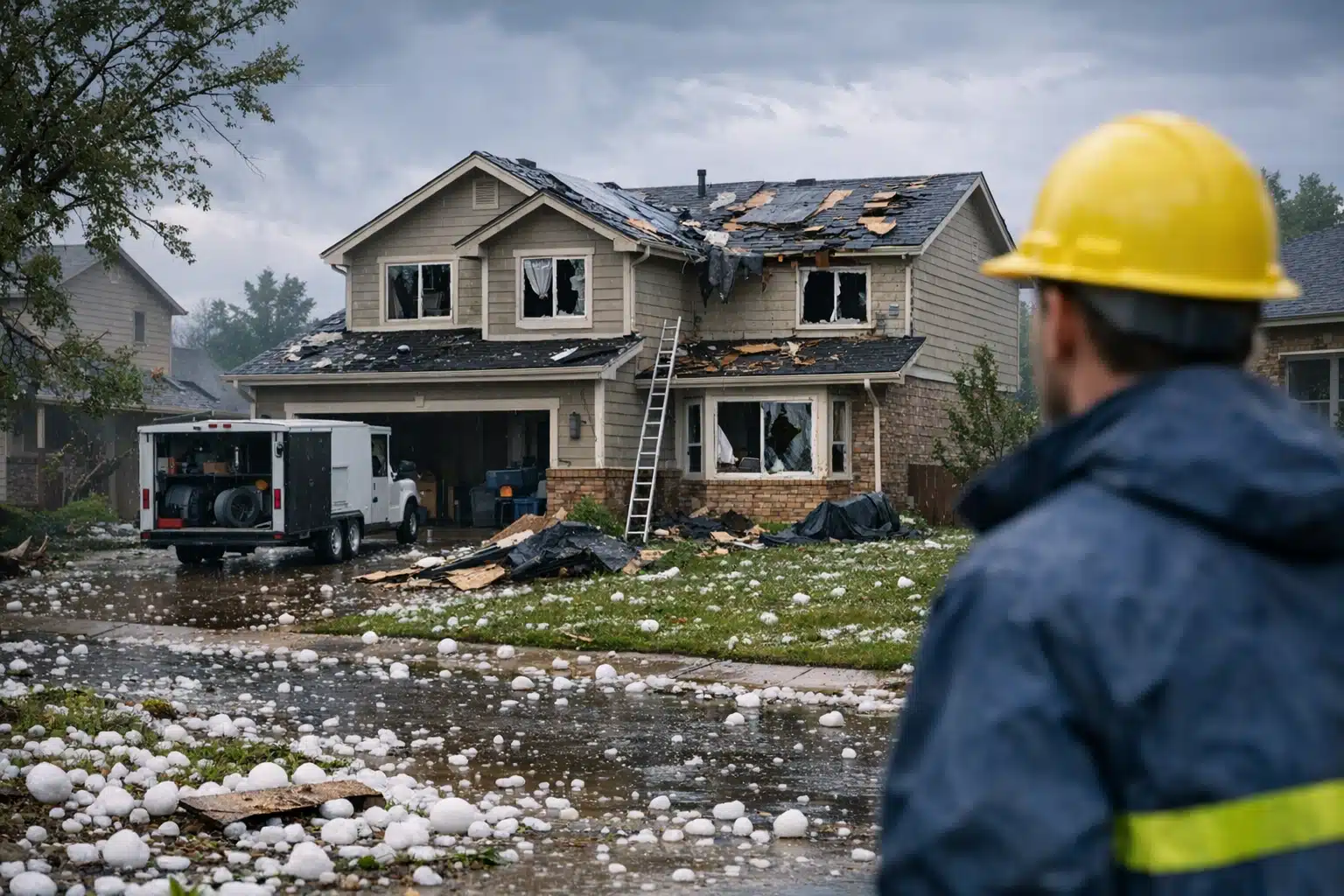
Spring storms in Colorado deliver devastating combinations that test every restoration company’s capabilities. Hail damage, flash flooding, and sudden temperature swings create complex restoration challenges that require immediate professional response and specialized expertise.
Choosing the right emergency restoration partner during these critical first hours determines whether your property recovers completely or faces long-term damage. The decisions you make in the immediate aftermath will impact your property value, insurance claims, and family safety for months ahead.
Response Time Standards for Emergency Restoration
True emergency restoration companies arrive within 2-4 hours of your call, not the next business day. Spring disasters create narrow windows for effective intervention before secondary damage escalates.
Water from spring snowmelt or storm damage begins causing structural problems within 24-48 hours. Mold spores activate in as little as 24 hours when moisture levels exceed 60% relative humidity.
Ask potential companies these specific questions about response timing:
- Do you guarantee arrival within 4 hours for water emergencies?
- Is your emergency line answered by local technicians or a call center?
- Can you begin water extraction and structural drying immediately upon arrival?
- Do you work weekends and holidays during spring storm season?
Certification Requirements That Matter
IICRC (Institute of Inspection, Cleaning and Restoration Certification) credentials separate qualified restoration professionals from general contractors attempting disaster work. Water Restoration Technician (WRT) and Applied Structural Drying (ASD) certifications indicate proper training for spring flood and storm damage.
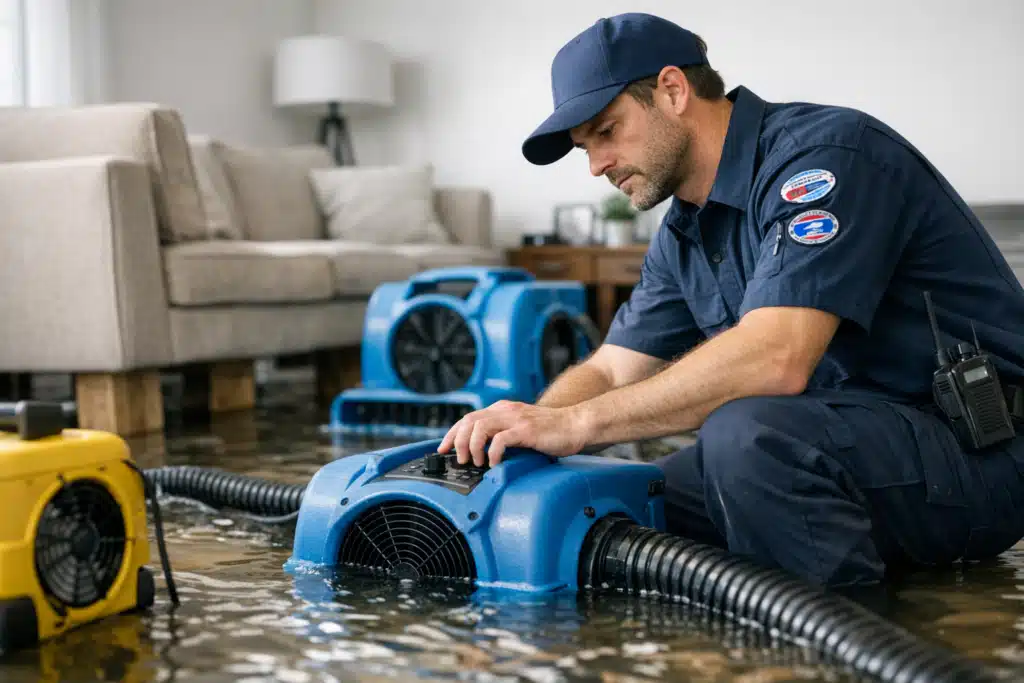
Colorado’s spring weather patterns create unique restoration challenges that require specialized knowledge. Look for companies with technicians certified in:
- Water damage restoration and structural drying
- Mold remediation and prevention
- Fire and smoke damage restoration
- Contents cleaning and pack-out services
Insurance Industry Recognition
Major insurance carriers maintain preferred vendor lists of restoration companies that meet their quality and documentation standards. Companies on these lists have proven track records of accurate estimates, proper documentation, and successful claim completions.
Equipment Capabilities for Spring Damage
Spring disasters demand immediate deployment of professional-grade equipment that most restoration companies cannot provide. Industrial dehumidifiers, air movers, and moisture detection tools must be available for same-day deployment to prevent secondary damage.
Ask about their equipment inventory before signing any agreements:
- Moisture detection tools: Thermal imaging cameras and moisture meters for hidden water damage
- Water extraction equipment: Truck-mounted extractors for rapid water removal
- Structural drying systems: Commercial-grade dehumidifiers and air movement equipment
- Air filtration units: HEPA filtration for mold spore and contamination control
Companies that rent equipment as needed cannot respond effectively to emergency situations. Your restoration partner must own and maintain their equipment fleet year-round.
Documentation and Communication Protocols
Professional restoration companies document everything from initial assessment through project completion using digital photography, moisture readings, and detailed progress reports. This documentation protects your insurance claim and provides accountability throughout the restoration process.
Effective communication protocols include daily progress updates, direct contact with project managers, and clear timelines for each restoration phase. You should never wonder about project status or next steps.
Insurance Claim Support
Experienced restoration companies work directly with insurance adjusters to streamline claim processing. They provide detailed estimates, scope documentation, and progress photos that insurance companies require for prompt claim approval.
Companies unfamiliar with insurance procedures often create claim delays and coverage disputes that extend your displacement and increase out-of-pocket costs.

They are knowledgeable, organized, and genuinely care about doing things the right way. If you’re looking for a restoration company that values communication and accountability, this is a team worth calling.
 Posted on Google
Local Experience with Spring Weather Patterns
Colorado’s spring weather creates restoration challenges that out-of-state companies cannot understand or address effectively. Rapid temperature fluctuations, high altitude drying conditions, and seasonal flooding patterns require local expertise and proven experience.
Local companies understand how Front Range weather affects drying times, equipment performance, and material selection. They maintain relationships with local suppliers for emergency materials and coordinate with municipal utilities when needed.
Ask about their experience with Colorado-specific situations:
- Freeze-thaw cycles affecting structural materials
- High altitude equipment adjustments and drying calculations
- Local building codes and permit requirements
- Seasonal material availability and supplier relationships
Comprehensive Service Capabilities
Spring disasters rarely involve single types of damage. Hailstorms create roof damage that leads to water intrusion, while flooding often requires both structural drying and contents cleaning services.
Your restoration company must handle multiple damage types without subcontracting critical services to unknown vendors:
- Water damage mitigation: Extraction, drying, and dehumidification
- Structural repairs: Roof damage, siding replacement, and interior reconstruction
- Contents services: Pack-out, cleaning, and storage of personal belongings
- Mold remediation: Prevention and removal when moisture issues occur
Companies that specialize in only one service area often lack the coordination and expertise needed for complex spring disaster recovery.
Choosing a Company Based on Specific Damage Types
Different spring disasters require specific restoration expertise and equipment capabilities. Water damage from snowmelt requires different approaches than hail damage repairs or flash flood cleanup.
Water and Flood Damage Specialists
Companies handling water damage must own truck-mounted extraction equipment and maintain large inventories of drying equipment. They need experience with contaminated water cleanup and knowledge of when materials must be removed versus restored.
Storm and Hail Damage Experts
Hail damage restoration requires roofing expertise, exterior material knowledge, and coordination with multiple trades. Look for companies with established relationships with roofing contractors and siding specialists.
The right emergency restoration partner combines immediate response capabilities with comprehensive service offerings and local expertise. Companies that check all these boxes protect your property investment and minimize your displacement time during spring disaster recovery.
When spring disasters strike your Colorado property, contact ARC Restoration at 720-799-2434 for immediate professional assessment and restoration services that meet all these standards.
Sources
- IICRC – Institute of Inspection, Cleaning and Restoration Certification
- EPA – Mold Cleanup in Your Home
- Ready.gov – Flood Preparedness and Recovery
Choosing the right emergency restoration company after a spring disaster is critical for effective recovery. The right partner can prevent long-term damage and protect your property value and safety.
- Emergency restoration companies should arrive within 2-4 hours to address immediate damage and prevent escalation.
- Look for certified professionals with expertise in water damage, mold remediation, and structural repairs specific to Colorado's spring weather.
- Effective communication and thorough documentation are essential for smooth insurance claims and project accountability.
To choose the right emergency restoration company after a spring disaster, consider their experience with specific issues like hail damage and flooding. Evaluate their response time, customer reviews, and certifications. It's also beneficial to ask for detailed estimates and ensure they offer 24/7 emergency services to address urgent needs.


