
How to Handle a Tree Falling on Your Property During Spring Storms
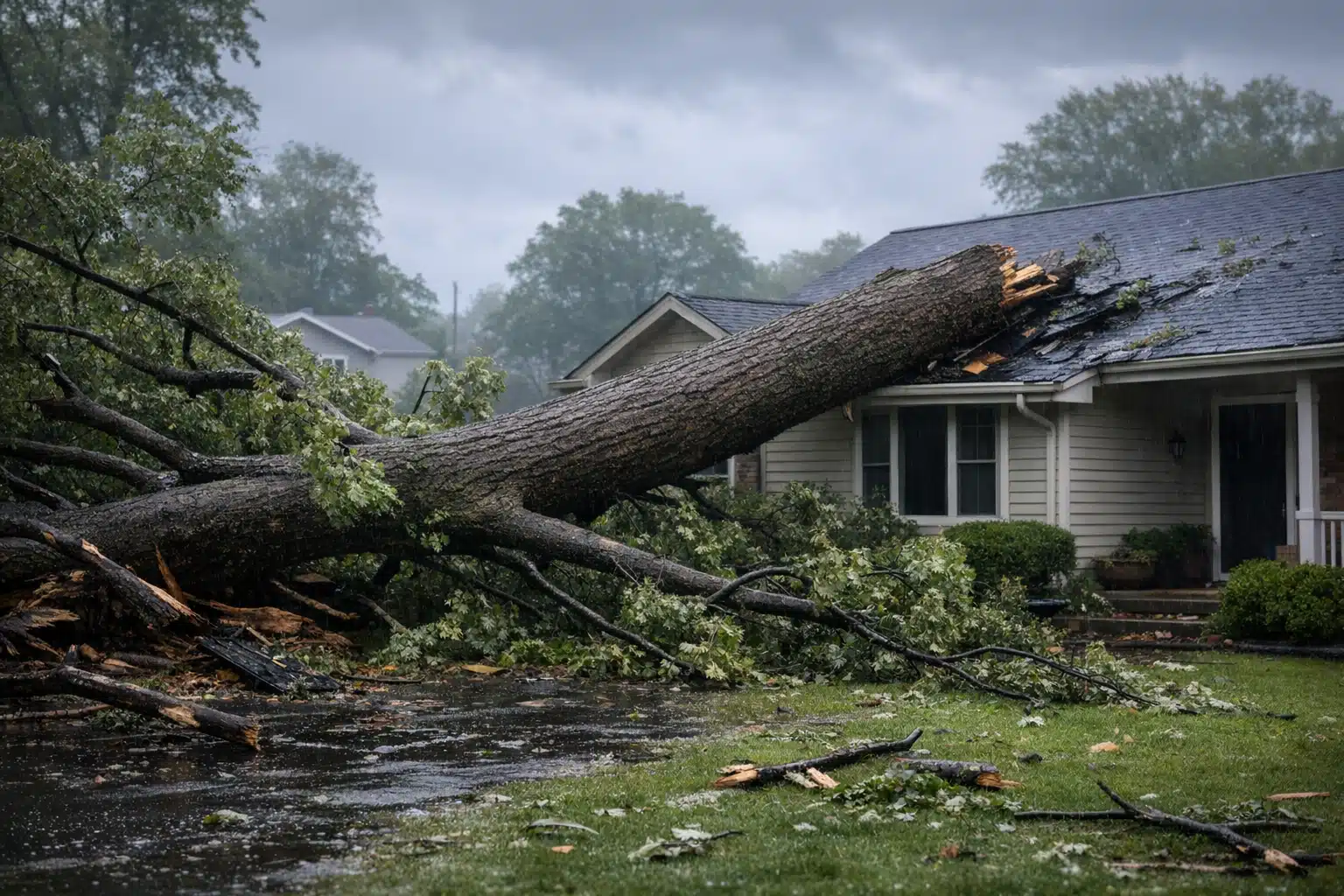
Spring storms arrive with little warning, bringing heavy winds that can send falling tree limbs or entire trees crashing onto homes, vehicles, and property. Within minutes, what started as a typical weather event transforms into an emergency requiring immediate action.
The moments after a tree falls determine both your safety and the extent of property damage. Knowing the right steps protects your family and preserves your insurance claim options.
Immediate Safety Steps After a Falling Tree Incident
Your first priority is confirming everyone’s safety before assessing property damage. Trees often bring down power lines, create gas leaks, or compromise structural integrity in ways that aren’t immediately visible.
Check for Injuries and Evacuate if Necessary
Move everyone away from the fallen tree and affected structures. Trees can shift unexpectedly, especially when tangled with power lines or resting precariously on roofing materials.
Call 911 immediately if anyone sustained injuries or if the tree struck occupied areas of your home. Emergency responders need to clear the scene before damage assessment begins.
Identify Electrical Hazards
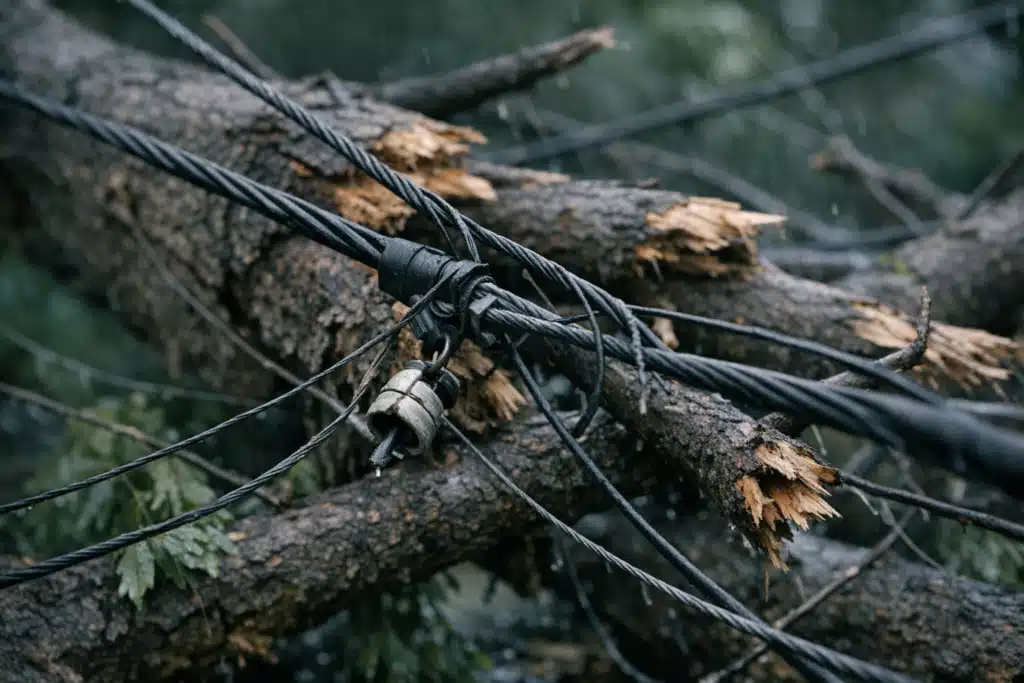
Downed power lines pose the greatest immediate threat after a tree fall. Lines can remain energized even when they appear damaged or disconnected.
Stay at least 35 feet away from any downed lines and assume all lines are live. Contact your utility company immediately to report the outage and request emergency disconnection.
Check for Gas Leaks
Large trees can rupture underground gas lines or damage exterior meter connections. The distinctive sulfur smell indicates a potential leak requiring immediate evacuation.
Turn off the main gas supply if you can reach it safely, then call your gas company’s emergency line from a location away from your property.
Documenting Storm Damage for Insurance Claims
Insurance companies require specific documentation to process tree damage claims effectively. The quality and timing of your documentation directly impacts claim approval and settlement amounts.
Photograph Everything Before Moving Debris
Take photos from multiple angles showing the tree’s original location, its current position, and all affected property. Include wide shots that capture the full scope of damage and close-ups of specific impacts.
Photograph the tree’s root system if visible, as this helps adjusters determine whether the fall resulted from storm conditions or pre-existing tree health issues. Insurance coverage often depends on this distinction.
Create a Written Damage Inventory
Document each damaged item with descriptions, estimated ages, and replacement costs where known. Include structural damage, landscaping destruction, and personal property impacts.
- Note the date, time, and weather conditions when the tree fell
- Measure and record the tree’s approximate size and species
- List all affected structures, vehicles, and outdoor equipment
- Document any emergency services that responded to the scene
Emergency Temporary Repairs and Protection
Temporary protection prevents additional damage while you arrange professional restoration services. Most insurance policies require homeowners to take reasonable steps to minimize ongoing damage exposure.
Securing Roof Openings
Cover holes in roofing with heavy-duty tarps secured with 2×4 lumber and screws. Avoid using nails, which can worsen damage to salvageable roofing materials.
Focus on creating watertight seals rather than cosmetic repairs. Spring storms often bring additional rainfall that can cause extensive interior water damage through compromised roofing.
Protecting Exposed Interiors
Remove electronics, furniture, and valuable items from areas beneath roof damage. Even small openings allow significant water intrusion during subsequent weather events.
Position buckets or containers to catch dripping water and use plastic sheeting to protect flooring and remaining furnishings. Document these protective measures with photographs for insurance purposes.
When to Call Professional Tree Removal Services
Professional removal becomes necessary when trees exceed 10 inches in diameter, involve power lines, or create structural safety concerns. Attempting DIY removal often worsens property damage and creates liability issues.
Complex Removal Situations
Trees resting against structures require careful dismantling to prevent additional damage during removal. The tree’s weight may be providing temporary structural support that sudden removal could eliminate.
Multiple trees or large limbs tangled together create unpredictable falling patterns that professional equipment and expertise can manage safely. Chainsaw work becomes extremely dangerous when dealing with tension, compression, and multiple contact points.
Insurance Coordination Requirements
Many insurance policies require professional removal for trees over certain sizes or in specific damage scenarios. Using unqualified removal services can void coverage or reduce settlement amounts.
Professional restoration companies coordinate directly with insurance adjusters and provide detailed removal documentation that supports claim processing.

They are knowledgeable, organized, and genuinely care about doing things the right way. If you’re looking for a restoration company that values communication and accountability, this is a team worth calling.
 Posted on Google
Understanding Your Insurance Coverage Limits
Tree damage coverage varies significantly based on the cause of the fall and your specific policy terms. Spring storm damage typically receives full coverage, while maintenance-related falls may face exclusions.
Covered vs. Non-Covered Scenarios
Insurance covers tree falls caused by wind, lightning, ice, or other weather events. Healthy trees that fall during storms generally qualify for full coverage including removal and property restoration.
Coverage excludes trees that fall due to disease, rot, or poor maintenance. Adjusters examine root systems and trunk conditions to determine the primary cause of failure.
Coverage Limits and Deductibles
Most policies include specific limits for tree removal, typically ranging from $500 to $1,500 per tree. Additional removal costs become the homeowner’s responsibility.
Property damage from covered tree falls applies to your dwelling or personal property deductible. The tree removal limit is separate and doesn’t count toward your deductible amount.
Preventing Future Spring Storm Tree Damage
Regular tree maintenance reduces the risk of future storm damage and ensures insurance coverage remains intact. Spring storms target weakened trees that appear healthy from ground-level observation.
Annual Tree Inspections
Certified arborists identify structural weaknesses, disease indicators, and root system problems before storms arrive. Early intervention through pruning or removal prevents emergency situations.
Focus inspections on trees within falling distance of structures, particularly those showing signs of lean, dead branches, or trunk damage. Trees over 20 years old require more frequent professional assessment.
Strategic Landscape Planning
Plant new trees at distances equal to their mature height away from structures. Choose species appropriate for Colorado’s wind patterns and soil conditions.
Remove volunteer trees and aggressive species that grow quickly without developing strong root systems. These trees become projectiles during high winds rather than landscape assets.
Working with Professional Restoration Services
Professional restoration companies handle both immediate emergency response and long-term property restoration after tree damage incidents. Their expertise extends beyond simple tree removal to comprehensive property restoration.
Qualified restoration professionals coordinate with insurance companies, manage permit requirements, and ensure all work meets local building codes. They also identify hidden damage that untrained observers often miss.
When a falling tree damages your property during a spring storm, quick action protects both safety and financial interests. Document everything thoroughly, prioritize temporary protection, and engage qualified professionals for complex removal and restoration work.
ARC Restoration provides 24/7 emergency response for tree damage incidents throughout Colorado. Our certified technicians handle everything from emergency tree removal to complete structural restoration. Contact us at 720-799-2434 or visit https://advancedrestorationcolorado.com for immediate assistance with storm damage restoration.
Sources
- Ready.gov – Severe Weather Safety Guidelines
- National Fire Protection Association – Downed Power Line Safety
- Insurance Information Institute – Tree Damage and Insurance Coverage
Spring storms can lead to falling trees that pose immediate safety risks and potential property damage. Taking the right steps after such an incident is crucial for safety and insurance claims.
- Confirm everyone's safety before assessing any damage. Check for power lines and gas leaks that may pose hazards.
- Document the damage thoroughly with photographs and a written inventory for insurance purposes. Include details like the tree's size and affected structures.
- Engage professional services for tree removal and restoration to avoid liability and ensure compliance with insurance requirements.
If a tree falls on your property during a spring storm, prioritize safety by ensuring that no one is injured. Avoid approaching the fallen tree, as it may be unstable or near power lines. Contact emergency services if necessary, and then reach out to a professional tree removal service to assess and safely remove the debris.


