
Summer Plumbing Tips to Avoid Burst Pipes
Summer heat and dry conditions can lead to burst pipes, making it essential to recognize warning signs and take preventive measures. ARC Restoration provides tips to help homeowners maintain their plumbing during the warmer months.
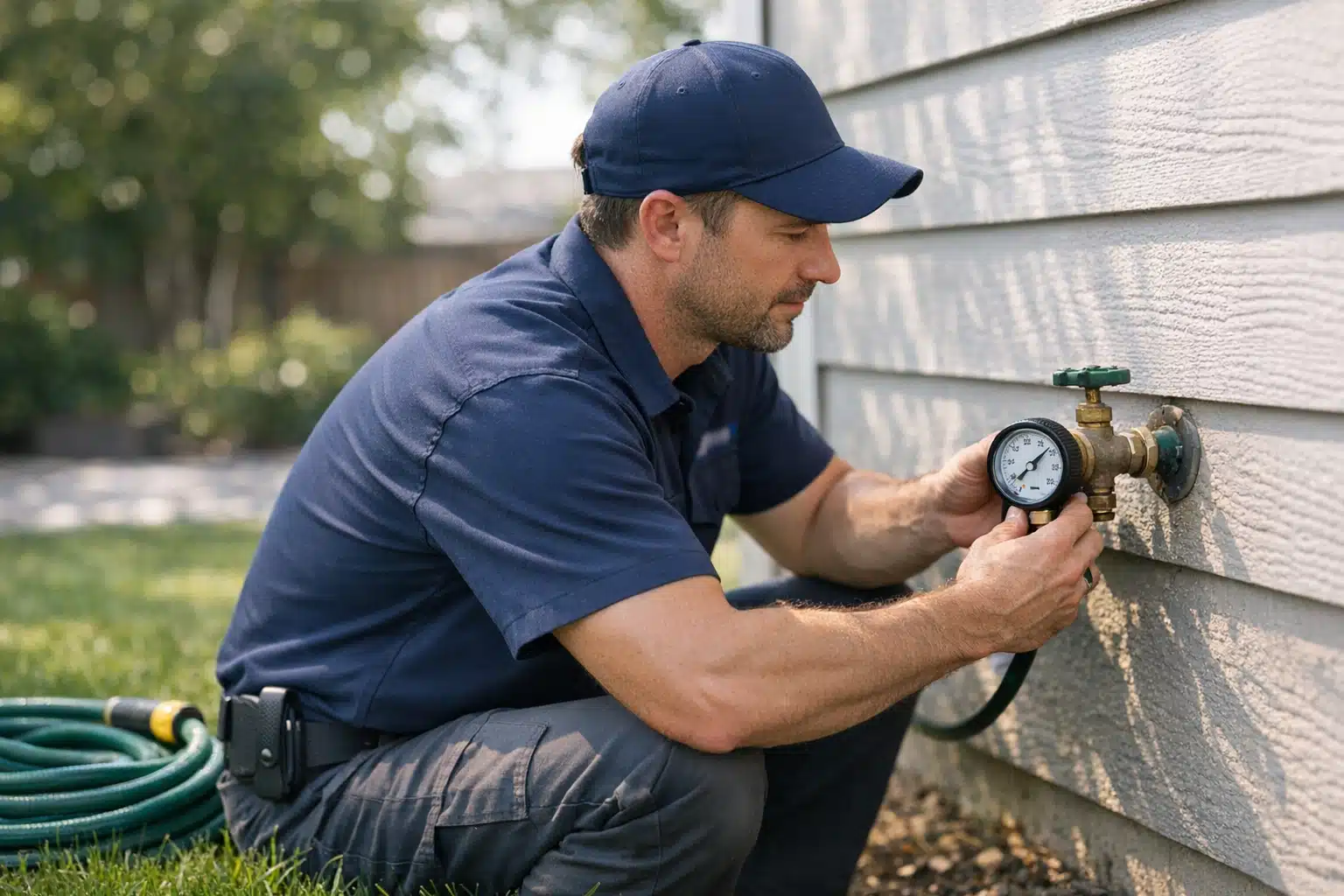
- Check water pressure regularly to avoid stress on pipes. Install a pressure regulator if readings exceed 80 PSI. Inspect outdoor spigots for leaks and corrosion.
- Monitor water bills for unexpected increases, which may indicate hidden leaks. Look for damp spots or stains around exposed pipes in basements and crawlspaces.
- Keep your AC condensate line clear by pouring vinegar down the drain monthly. Watch for musty smells, which could signal clogs that lead to water damage.
To avoid burst pipes during summer, regularly check for leaks, monitor water pressure, and inspect exposed pipes for signs of wear. Additionally, ensure proper drainage around your home and be mindful of heavy water usage, as these factors can contribute to plumbing stress in hot weather.
Burst pipes are not a winter-only problem. Summer heat, ground shifting, and heavy water use put real stress on your plumbing between June and August. These summer plumbing tips will help you spot warning signs before a small leak floods your basement.
Warm-weather pipe failures look different from frozen-pipe breaks. The causes are drier soil, root intrusion, and equipment that runs harder in the heat. Knowing what changes each season is how you stay ahead of the damage.
At ARC Restoration, our crews respond to water damage across Colorado’s Front Range every summer. The patterns below come from the calls we take when the temperature climbs.
Why Summer Causes Burst Pipes
Summer heat and dry soil are the two biggest drivers of warm-weather pipe failures. Both stress your plumbing in ways that build slowly, then break suddenly.
Soil Movement in Dry Conditions
Dry summer soil contracts and shifts around buried water lines. That movement bends and strains rigid pipe joints. Colorado’s clay-heavy soil is prone to this shrink-swell cycle during drought stretches.
Older galvanized or cast iron lines crack at the weakest joint first. A hairline crack can run for weeks before it fails outright.
Tree Roots Chasing Water
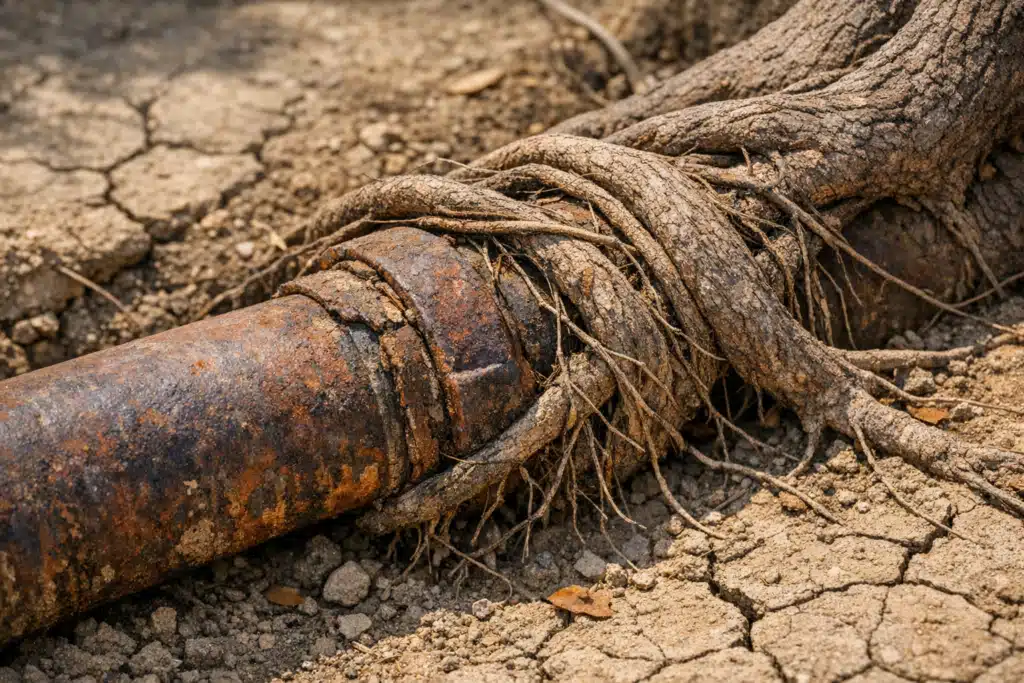
Roots grow toward the only moisture available in dry months: your water and sewer lines. They wrap joints, force into small gaps, and widen cracks over time.
A sewer line backup in July is one of the most common summer calls we get. The root cause is usually a root, months in the making.
Higher Water Pressure and Demand
Summer water use spikes with sprinklers, hoses, and full households at home. Municipal pressure can climb during peak demand cycles. Aging pipes and worn fittings feel that added strain.
Summer Plumbing Tips to Prevent a Burst Pipe
Prevention starts with checking the systems that work hardest in the heat. Follow these steps before and during the summer season.
- Test your water pressure. Attach a pressure gauge to an outdoor spigot. Anything above 80 PSI stresses pipes and fittings. Install a pressure regulator if readings run high.
- Inspect outdoor spigots and hose bibs. Look for slow drips, corrosion, or wobble at the wall. A leaking bib often signals a cracked line behind it.
- Watch your water bill. A jump with no change in habits points to a hidden underground leak.
- Check exposed pipes in the basement and crawlspace. Feel for damp spots, mineral stains, or soft drywall near supply lines.
- Run your sprinkler system early. Test each zone in spring. Broken heads and cracked backflow valves show up under pressure.
Don’t Overlook Your Sewer Line
Have your main sewer line camera-inspected if trees grow within 20 feet of it. Root intrusion is cheaper to cut than a full line replacement. A slow drain in multiple fixtures is an early warning sign.
The Air Conditioner Connection Most People Miss
Your AC condensate line is a plumbing risk hiding in plain sight. It drains gallons of water daily during hot stretches. When it clogs, that water backs up fast.
A blocked condensate drain floods around the air handler. We see this cause ceiling and floor damage in homes with attic units. The overflow soaks insulation and drywall before anyone notices.
How to Keep Your Condensate Line Clear
- Pour a cup of distilled vinegar down the drain line each month in summer.
- Check the drain pan for standing water during humid weeks.
- Watch for a musty smell near the air handler, a sign of a slow clog.
- Confirm the safety float switch works so the unit shuts off on overflow.
Watering Habits That Protect Underground Lines
Consistent soil moisture reduces the shrink-swell cycle that cracks buried pipes. Even watering around your foundation keeps soil from pulling away from lines.
Deep, infrequent watering beats short daily sprinkles for this purpose. It keeps deeper soil layers stable where pipes sit. This matters most during Colorado’s midsummer dry spells.
Signs Your Buried Line Is Already Failing
- A green, soggy patch in the yard during dry weather.
- Water pooling in the street or driveway with no rain.
- Sudden drops in indoor water pressure.
- Air spitting from faucets when you turn them on.
Any of these points to a break between the meter and your home. Call a plumber before the leak undermines your foundation.

 Posted on Google
What to Do When a Pipe Bursts in Summer
Shut off your main water valve first, then cut power to affected rooms. Fast action limits how much water soaks into floors and walls. Every minute counts once a pipe lets go.
- Close the main shutoff valve. Know its location before an emergency, usually near the water meter or where the line enters the home.
- Turn off electricity to any room with standing water.
- Move belongings off wet floors and out of the water path.
- Document the damage with photos for your insurance claim.
- Call a restoration crew to extract water before mold sets in.
Summer heat and humidity speed mold growth after a leak. Spores can take hold within 24 to 48 hours on wet drywall. Drying the space quickly is what stops secondary damage.
Why Fast Water Removal Matters in Warm Months
Warm, damp conditions are ideal for mold and bacteria after a burst pipe. A summer leak that sits overnight causes more microbial growth than a winter one. Heat accelerates every stage of the damage.
Standing water also wicks up drywall and warps hardwood flooring. Sub-floor damage hides under seemingly dry surfaces. This is why moisture meters and drying equipment matter more than towels.
What Restoration Involves
- Water extraction from floors, pads, and cavities.
- Structural drying with air movers and dehumidifiers.
- Moisture monitoring behind walls and under floors.
- Mold treatment where growth has started.
- Repair and rebuild of damaged materials.
Takeaways for a Leak-Free Summer
Summer plumbing tips come down to checking pressure, watching for root intrusion, and keeping your AC condensate line clear. Consistent watering protects buried pipes from cracking as soil dries. Fast water removal after any leak stops mold before it starts.
If a pipe bursts or water damage spreads in your home, ARC Restoration responds across the Front Range. Call or text 720-799-2434, email office@advancedrestorationcolorado.com, or visit https://advancedrestorationcolorado.com.
Sources
- U.S. EPA WaterSense – Fix a Leak Week
- CDC – Mold Frequently Asked Questions
- U.S. Department of Energy – Central Air Conditioning


