
Understanding Insurance Coverage for Spring Storm Damage
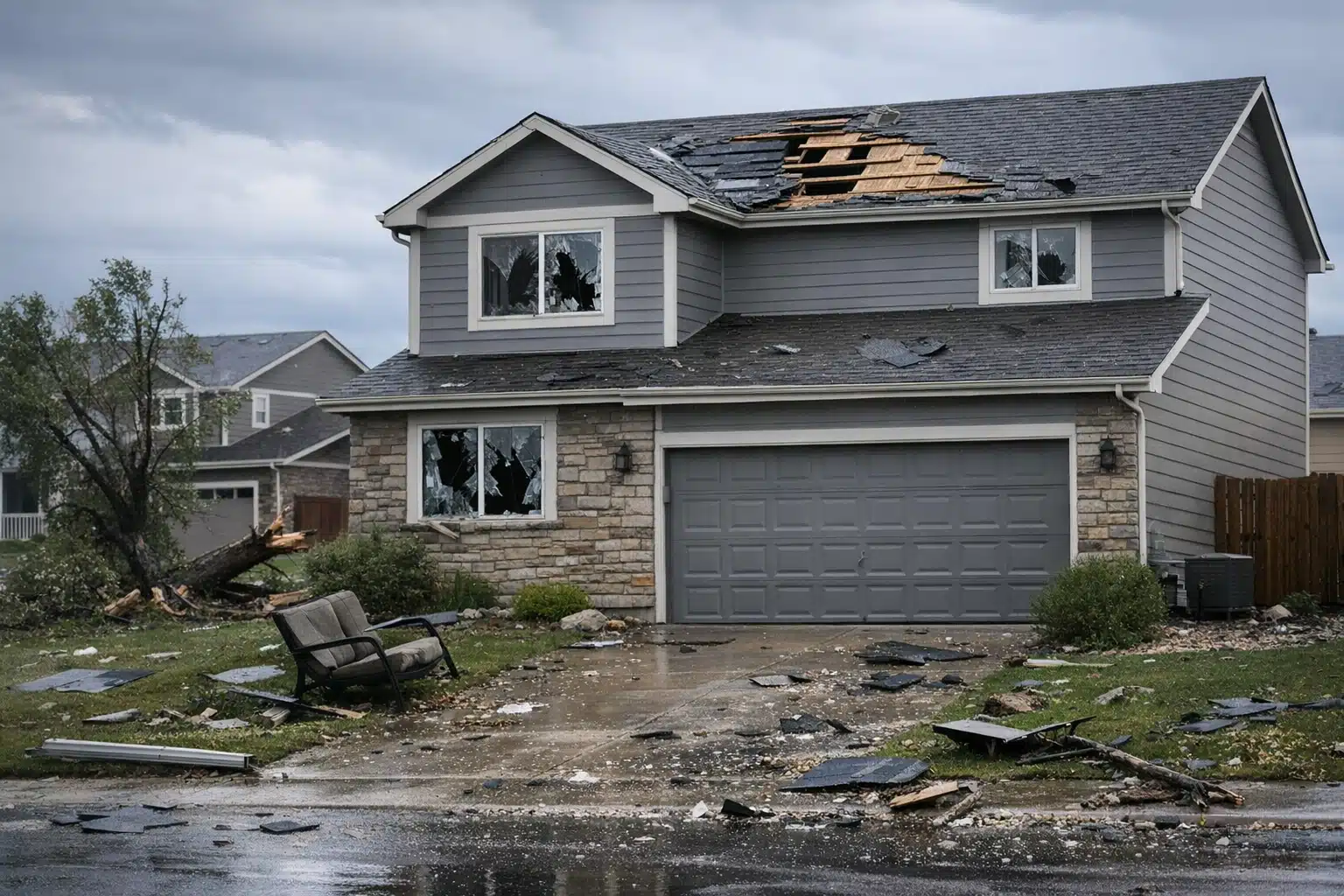
Spring storms hit Colorado with sudden intensity, leaving homeowners staring at damaged roofs, flooded basements, and broken windows. Your insurance coverage determines whether you’ll face thousands in repair costs or receive the financial protection you’ve been paying for.
Most homeowners discover the gaps in their knowledge when filing their first storm damage claim. Understanding your policy before disaster strikes saves time, money, and stress during the recovery process.
What Standard Homeowners Insurance Covers for Storm Damage
Standard homeowners insurance policies protect against sudden and accidental damage from covered perils. Wind, hail, and lightning damage fall under dwelling protection, which covers your home’s structure including the roof, walls, and attached structures like garages.
Your policy includes three main coverage areas for storm-related incidents:
- Dwelling coverage: Repairs to your home’s structure, foundation, and permanently attached fixtures
- Personal property coverage: Replacement of belongings damaged by covered perils
- Additional living expenses: Temporary housing costs while your home undergoes major repairs
Personal property coverage extends to items inside your home when storms cause structural damage that allows water or debris to enter. However, the cause of damage matters more than the damage itself when determining coverage.
Spring Storm Perils Covered by Insurance
Wind and Hail Damage
Wind damage from spring storms receives full coverage when winds exceed normal weather patterns. This includes roof damage, broken windows, and siding torn from your home’s exterior.
Hail damage coverage applies regardless of hail size, from small stones that crack windows to golf ball-sized hail that destroys roofing materials. Your policy covers both immediate damage and secondary water damage that results from compromised roofing.
Lightning Strikes
Lightning strikes trigger coverage for structural damage and electrical system repairs. This includes damage to appliances, electronics, and electrical wiring throughout your home.
Power surge damage from nearby lightning strikes also qualifies for coverage when it affects hardwired systems or plugged-in appliances during the storm.
Falling Trees and Debris
Trees that fall during storms receive coverage when they damage your home’s structure. The tree’s origin doesn’t affect coverage – whether it falls from your property or your neighbor’s yard, your insurance coverage handles the structural repairs.
Debris removal costs are included up to policy limits, typically covering both the fallen tree and scattered branches that pose safety hazards.
Notable Insurance Coverage Exclusions
Flood Damage
Standard homeowners policies exclude flood damage, even when spring storms cause the flooding. Water that enters your home from ground level – whether from overflowing rivers, backed-up storm drains, or surface water accumulation – requires separate flood insurance.
The distinction between covered water damage and excluded flood damage often confuses homeowners. Rain entering through storm-damaged roofing receives coverage, but water entering through doors, windows, or foundation cracks during flooding does not.
Earth Movement
Landslides, mudslides, and ground settling triggered by heavy spring rains fall under earth movement exclusions. These exclusions apply even when storms directly cause the ground instability.
Gradual Damage
Damage that develops over time doesn’t qualify for coverage, even when storms contribute to the deterioration. Slow roof leaks, foundation cracks that worsen during storms, and mold growth from persistent moisture all fall under gradual damage exclusions.
Filing Your Storm Damage Insurance Claim
Immediate Steps After Storm Damage
Document all visible damage with photos before making any repairs. Take pictures from multiple angles, focusing on specific areas of damage rather than wide shots that don’t show details clearly.
Contact your insurance company within 24 to 48 hours of discovering damage. Most insurers operate 24-hour claim reporting lines specifically for storm-related incidents.
Make temporary repairs to prevent additional damage, but avoid permanent fixes that might interfere with your adjuster’s assessment. Save all receipts for emergency repairs and temporary protective measures.
Working with Insurance Adjusters
Your insurance adjuster evaluates damage and determines coverage based on your policy terms. Be present during the inspection to point out all damage areas, including less obvious issues like ceiling stains or foundation cracks.
Ask questions about any damage the adjuster excludes from coverage. Request written explanations for exclusions that reference specific policy language or coverage limitations.

 Posted on Google
Understanding Your Insurance Deductible
Your deductible applies per claim, not per damaged item or area. One storm event triggers a single deductible regardless of how many separate repairs your home requires.

Some policies include separate wind and hail deductibles that exceed your standard deductible. These specialized deductibles often equal a percentage of your dwelling coverage rather than a flat dollar amount.
Calculate whether repair costs exceed your deductible before filing claims for minor damage. Multiple small claims can affect your premium rates more than paying for minor repairs out of pocket.
Maximizing Your Storm Damage Settlement
Professional Damage Assessment
Professional restoration companies identify damage that homeowners commonly overlook. Hidden water damage, structural issues, and secondary damage from initial storm impacts often escape notice during casual inspections.
Qualified restoration professionals understand insurance requirements and can document damage in ways that support your claim. Their assessments carry weight with insurance adjusters who recognize professional expertise.
Replacement Cost vs. Actual Cash Value
Replacement cost coverage pays for repairs or replacement without depreciation deductions. Actual cash value coverage reduces payouts based on the age and condition of damaged items.
Most policies require you to complete repairs before receiving full replacement cost benefits. Initial payments often reflect actual cash value amounts, with additional payments issued after work completion.
When to Hire Professional Help
Complex storm damage requires professional restoration services that work directly with insurance companies. Water intrusion, structural damage, and mold concerns exceed typical DIY repair capabilities.
Professional restoration companies handle insurance paperwork, communicate directly with adjusters, and ensure repairs meet insurance requirements. This support proves invaluable when dealing with large or complicated claims.
Time constraints also favor professional help. Insurance companies expect prompt action to prevent additional damage, and restoration professionals can mobilize immediately after storms pass.
Understanding your insurance coverage before spring storms arrive helps you respond confidently when damage occurs. Know your deductibles, understand your exclusions, and prepare to document any damage thoroughly.
If spring storms damage your Colorado home, contact ARC Restoration at 720-799-2434 for professional damage assessment and insurance claim support.
Sources
- Insurance Information Institute – What’s Covered by Standard Homeowners Policy
- FEMA – National Flood Insurance Program
- National Association of Insurance Commissioners – Homeowners Insurance Guide
Understanding insurance coverage for spring storm damage is essential for homeowners in Colorado. Knowing what your policy covers can save you from unexpected repair costs after a storm.
- Standard homeowners insurance typically covers damage from wind, hail, and lightning, including repairs to your home's structure and personal property.
- Flood damage is excluded from standard policies, requiring separate flood insurance for coverage.
- Homeowners should document damage immediately and contact their insurance company within 24 to 48 hours to initiate claims.
Insurance coverage for spring storm damage refers to the protection homeowners receive from their insurance policies against losses caused by severe weather events such as hail, wind, and flooding. This coverage can help pay for repairs to roofs, basements, and windows, alleviating the financial burden of unexpected damage.


