
How to Safeguard Your Home’s Exterior Against Hail Damage
Colorado’s Front Range sits inside one of the most active hail corridors in the country. Between May and September, softball-sized stones can shred a roof in under ten minutes. Smart hail damage prevention means acting before the sky turns green, not after.
This post covers the exact steps that reduce damage to your roof, siding, windows, and outdoor equipment during peak summer hail season. Each recommendation comes from patterns we see on Colorado homes after major storms.
Why Summer Hail Hits Colorado Homes Hardest
Hail forms when warm updrafts carry raindrops high into cold storm clouds. Colorado’s high elevation and afternoon heat create these updrafts almost daily in summer. The result is a hail season that peaks sharply from June to August.
The Denver-Boulder-Fort Collins triangle, called “Hail Alley,” sees three to four damaging hailstorms per year. Storms build fast in the afternoon and drop stones ranging from pea-sized to larger than a golf ball.
The homes that survive best are prepared weeks in advance. Waiting until a storm warning leaves no time for the fixes that matter most.
Hail Damage Prevention Steps for Your Roof
Your roof takes the first and hardest hit. A single storm can crack shingles, dent metal, and knock granules loose. Follow these steps before hail season builds.

1. Schedule a Pre-Season Roof Inspection
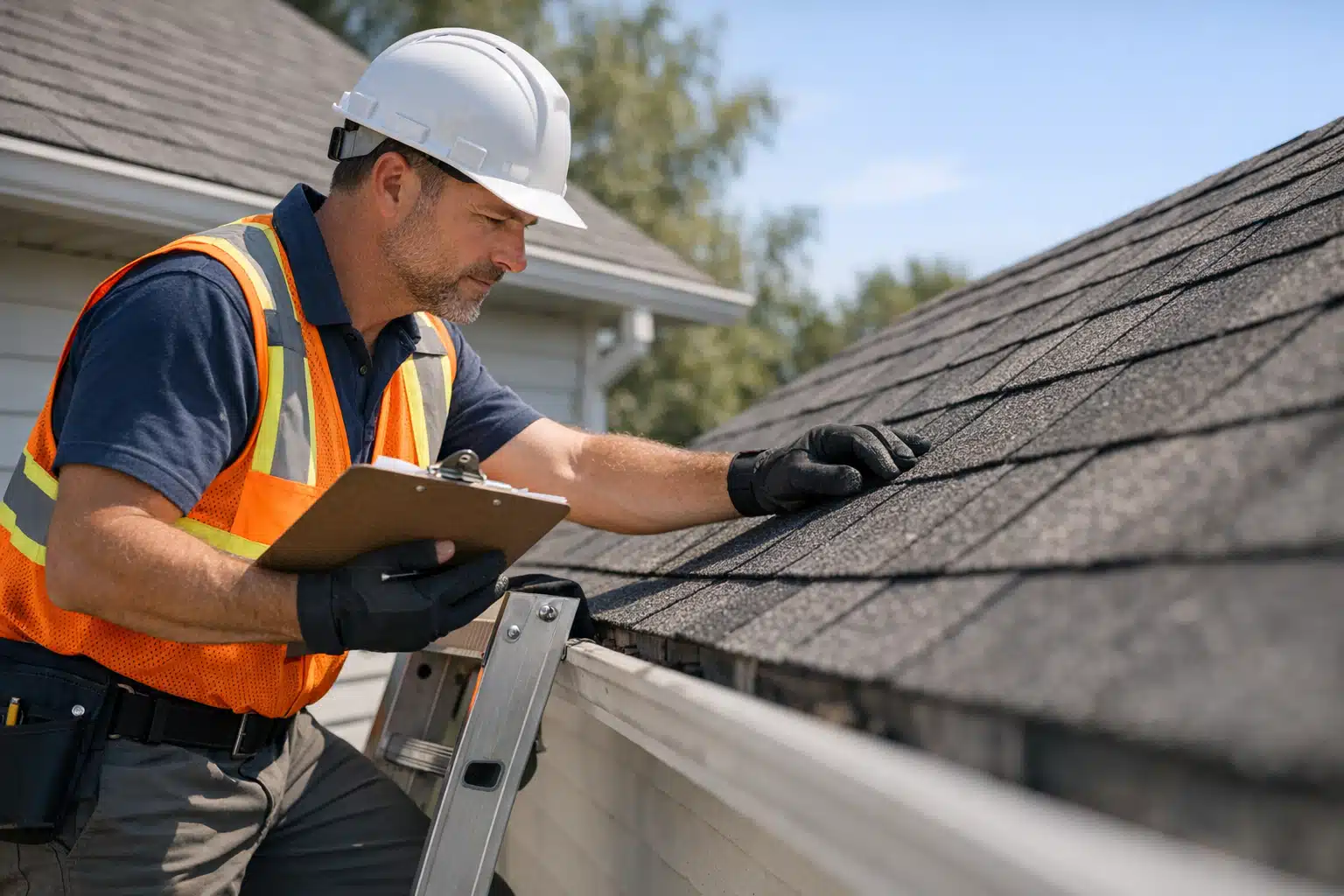
Book a roof check in April or May, before storms arrive. An inspector looks for lifted shingles, exposed nail heads, and worn flashing. Small weak spots turn into large failures under hail impact.
2. Upgrade to Impact-Resistant Shingles
Class 4 impact-resistant shingles are the highest rating for hail resistance. They pass a test where a two-inch steel ball is dropped without cracking the shingle. Many Colorado insurers offer premium discounts for homes with Class 4 roofing.
If your roof is 15 years or older, replacement with Class 4 material pays off twice. You reduce storm damage and lower your yearly premium at the same time.
3. Clear and Secure Gutters
Clogged gutters overflow during the heavy rain that comes with hail. Standing water backs up under shingles and rots the roof deck. Clean gutters and tighten loose brackets before summer.
Protecting Siding and Your Home Exterior
Hail dents metal, cracks vinyl, and chips paint across your home exterior. The side facing incoming storms takes the worst of it. In Colorado, that is usually the south and west walls.
Choose Impact-Rated Siding Where You Can
Fiber cement and steel siding hold up far better than standard vinyl. If you plan a siding project, time it before hail season for the best return. These materials resist cracking from stones up to golf-ball size.
Protect Vulnerable Fixtures
Some parts of your exterior take damage even when the walls hold. Address these weak points early:
- Light fixtures and vents crack easily and let water inside
- Exposed outlets and meters should have weather-rated covers
- Awnings and shade sails tear under hard impact and should retract
Guarding Windows Against Summer Hail
Broken windows turn a hailstorm into an interior flood. Wind-driven hail hits glass at steep angles and shatters weak panes. Protect openings before the first warning of the season.
- Install storm shutters on west and south-facing windows
- Apply security window film to hold shattered glass together
- Replace single-pane glass with double-pane impact-rated units
- Trim overhanging branches that can break and fly into windows
Skylights deserve extra attention. They face straight up and take direct hail impact. Cover them with protective mesh or upgrade to laminated glass.
Sheltering Vehicles, HVAC, and Outdoor Items
Hail damage extends past the house itself. Air conditioner fins bend flat under stones, choking airflow in the hottest month. A bent condenser coil forces your system to work harder and can fail.
Protect Your AC Condenser
Install a hail guard cage over the top of your outdoor unit. It blocks falling stones without blocking the airflow the system needs. Never wrap the sides tightly, since that traps heat.
Keep Vehicles Under Cover
A single hailstorm can cause thousands in car body damage. Park inside a garage during hail season warnings. If you have no garage, keep a set of thick moving blankets ready to drape over the hood and roof.
Store Loose Yard Items
Patio furniture, grills, and planters crack or become projectiles in strong wind. Move light items into a shed when storms are forecast. Anchor anything too heavy to bring inside.

 Posted on Google
Build a Storm-Season Action Plan
Prevention works best when paired with a fast response plan. Colorado storms give little warning, and minutes matter. Set up these habits at the start of summer.
- Enable weather alerts on your phone for hail and severe warnings
- Photograph your roof, siding, and windows before the season for insurance records
- Keep your policy details handy so you know your deductible and coverage
- Save a restoration contact before you need one
Documented before-and-after photos speed up claims after a storm. Adjusters move faster when you can show the condition of your home exterior before the damage.
What to Do Right After a Hailstorm
Act quickly once the storm passes and it is safe outside. Water enters through fresh cracks within hours. Fast steps limit the interior damage that follows roof and window hits.
- Check ceilings and attic spaces for new water stains
- Photograph all visible damage from the ground
- Cover broken windows and roof breaches with tarps
- Call a restoration company for an inspection
Avoid climbing onto a wet or damaged roof yourself. Hail loosens footing and hides weak spots. Let trained crews handle the inspection.
Key Takeaways
Strong hail damage prevention comes from work done before June, not repairs after a storm. Upgrade to impact-rated roofing and siding, protect windows and your AC unit, and document your home exterior for insurance. A ready action plan turns a major storm into a manageable event.
ARC Restoration inspects, protects, and restores Colorado homes through every hail season. Call or text 720-799-2434, email office@advancedrestorationcolorado.com, or visit https://advancedrestorationcolorado.com to schedule your pre-season inspection.
Sources
- NOAA Storm Prediction Center – Severe Weather Climatology
- Insurance Institute for Business & Home Safety – Hail Research
- Colorado Division of Insurance – Homeowners Insurance
Colorado's Front Range is prone to severe hailstorms that can cause significant damage to homes. This guide outlines essential steps for homeowners to protect their properties before the hail season begins.
- Schedule a roof inspection in the spring to identify vulnerabilities before storms hit. Impact-resistant shingles can reduce damage and may lower insurance premiums.
- Choose durable siding materials like fiber cement or steel to withstand hail impacts better than standard vinyl.
- Prepare your home by securing gutters, protecting windows with storm shutters, and covering outdoor units to minimize damage during hailstorms.
To protect your home’s exterior from hail damage, consider installing impact-resistant roofing materials, reinforcing windows with storm shutters, and maintaining gutters to ensure proper drainage. Additionally, regularly inspect your property for vulnerabilities and take proactive measures before hailstorms occur, especially during the peak season from May to September.


