Blog
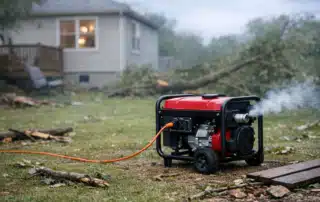
How to Safely Use a Generator During Power Outages
Spring storms across Colorado can knock out power for hours or days, leaving families scrambling for electricity. Generator safety becomes critical when these outages strike, as improper use kills dozens of Americans each year through carbon monoxide poisoning and electrical fires. Safe generator operation requires specific placement distances, proper electrical connections, and carbon monoxide monitoring. [...]

How to Prepare Your Home for Flash Flooding in Late Spring
Late spring flash flooding strikes Colorado homes with devastating speed, often developing from clear skies to dangerous water levels in just six hours. The combination of rapid snowmelt, afternoon thunderstorms, and saturated ground creates the perfect storm for flash flooding that can cause tens of thousands of dollars in damage. This guide covers specific preparation [...]

Why Spring is the Best Time to Inspect Your Attic for Damage
Spring weather creates the perfect conditions to discover winter damage hiding in your attic. After months of temperature swings, ice formation, and moisture buildup, your attic may harbor problems that could cost thousands if left unchecked. An attic inspection during spring reveals damage patterns that winter weather creates but warmer temperatures make visible. You'll learn [...]

Essential Tools for a Home Emergency Preparedness Kit
Spring storms in Colorado can knock out power for days, flood basements in minutes, and leave families stranded without basic supplies. Your emergency preparedness depends on having the right tools ready before disaster strikes. This guide covers the 18 must-have tools and supplies that Colorado homeowners need for spring emergency situations. These recommendations come from [...]
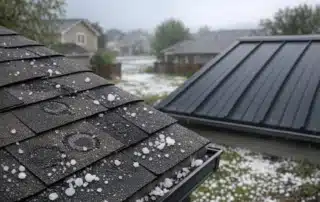
How to Choose Storm-Resistant Roofing for Your Home
Colorado homeowners face an average of 39 hail days per year, making storm-resistant roofing a critical investment rather than an optional upgrade. The right roofing material can mean the difference between minor repairs and a complete roof replacement after severe weather strikes. Choosing storm-resistant roofing involves evaluating materials, understanding impact ratings, and matching your selection [...]
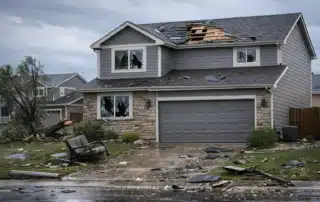
Understanding Insurance Coverage for Spring Storm Damage
Spring storms hit Colorado with sudden intensity, leaving homeowners staring at damaged roofs, flooded basements, and broken windows. Your insurance coverage determines whether you'll face thousands in repair costs or receive the financial protection you've been paying for. Most homeowners discover the gaps in their knowledge when filing their first storm damage claim. Understanding your [...]

Do You Need Mold Testing After Heavy Spring Rain?
Heavy spring rain brings more than just relief from winter's grip. When storm water infiltrates your home through damaged roofs, foundation cracks, or overwhelmed drainage systems, it creates perfect breeding conditions for mold. Mold testing becomes a critical consideration when moisture persists beyond 48 hours in your living spaces. Spring storms in Colorado can dump [...]
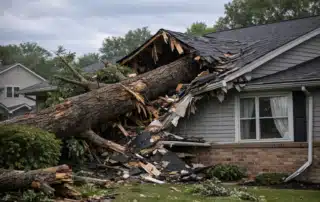
Immediate Steps to Take After a Tree Falls on Your House
A tree crashing through your roof transforms a peaceful spring evening into a crisis within seconds. The sound of splintering wood and breaking glass signals immediate danger to your family and property.This guide walks you through the critical first steps to take when tree damage strikes your home during Colorado's unpredictable spring storms. Acting quickly [...]

How to Spot and Prevent Water Damage in Your Kitchen
A small puddle beneath your kitchen sink can turn into a $15,000 repair nightmare faster than you might expect. Kitchen water damage accounts for nearly 30% of all residential water damage claims, making it the second most common source after bathrooms. Your kitchen contains more water sources and potential failure points than any other room [...]
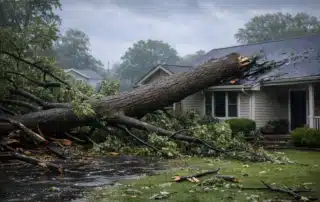
How to Handle a Tree Falling on Your Property During Spring Storms
Spring storms arrive with little warning, bringing heavy winds that can send falling tree limbs or entire trees crashing onto homes, vehicles, and property. Within minutes, what started as a typical weather event transforms into an emergency requiring immediate action. The moments after a tree falls determine both your safety and the extent of property [...]
How Insurance Treats Summer Water [...]
Colorado summer festivals draw thousands [...]
Why Summer Sun Damage Hits [...]