Blog

Summer Mold Prevention Tips for Humid Areas in Your Home
Mold can colonize a damp bathroom wall in as little as 24 to 48 hours during a hot Colorado summer. When afternoon monsoon storms push outdoor moisture up and air conditioners run all day, the humid areas of your home become breeding grounds for spores. This post covers where mold starts, what warning signs to [...]

How to Safeguard Your Home’s Exterior Against Hail Damage
Colorado's Front Range sits inside one of the most active hail corridors in the country. Between May and September, softball-sized stones can shred a roof in under ten minutes. Smart hail damage prevention means acting before the sky turns green, not after. This post covers the exact steps that reduce damage to your roof, siding, [...]

Dealing with Smoke Damage from Summer Forest Fires
Smoke from a wildfire 40 miles away can coat your Colorado home in soot before you smell anything. That is the reality of forest fire smoke damage along the Front Range, where dry summers push fine particulates into neighborhoods far from the burn zone. This article covers where smoke hides, why it keeps causing problems [...]
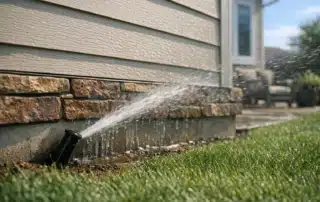
Preventing Water Damage from Summer Sprinklers
A misaligned sprinkler head can spray your foundation 15 minutes a day, every day, for an entire summer. That adds up to hours of water soaking into soil next to your basement walls. Most homeowners never notice until a musty smell appears or paint starts bubbling. Sprinkler water damage ranks among the most preventable causes [...]
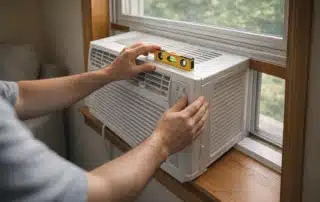
How to Prevent Water Damage from Window Air Conditioning Units
A window air conditioning unit that drips indoors can rot a windowsill, stain drywall, and feed mold behind your walls in under a week. Most of this damage traces back to three fixable problems: bad tilt, clogged drainage, and failed seals. This post covers exactly how to stop each one. You will learn the right [...]
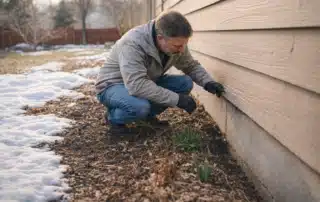
Preparing Your Garden to Prevent Property Damage from Spring Growth
Spring root growth can crack foundations, clog drains, and push moisture into basements before you notice a single symptom. In Colorado, the fast thaw-to-bloom shift compresses months of damage risk into a few weeks. Smart garden preparation in early spring stops small problems from becoming five-figure water and structural claims. This post walks you step [...]
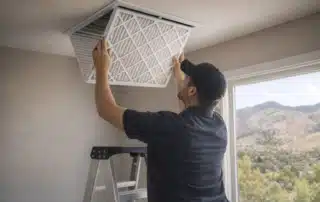
How to Prevent Wildfire Smoke Damage in Your Home
Colorado wildfire season peaks in late summer, when dry air and high winds push smoke across the Front Range for days at a time. Smoke particles slip into homes long after the visible haze clears, settling into drywall, HVAC systems, and soft surfaces. This post covers wildfire smoke prevention steps built for Colorado's climate, so [...]

The Importance of Regular Sump Pump Maintenance
A sump pump that sits untouched for a year has a 30% chance of failing right when Colorado's spring melt arrives. That failure often shows up as four inches of water across a finished basement floor. Regular sump pump maintenance is the difference between a dry March and a five-figure water damage claim. This post [...]

Preparing Your Home for Pollen Season to Prevent Allergies
Spring arrives in Colorado with blooming trees and rising pollen counts that can turn your home into an allergy battleground. Smart home preparation before pollen season peaks can reduce indoor allergen levels by up to 40%. This guide covers specific home maintenance steps that create barriers against pollen infiltration. You'll learn how to seal your [...]
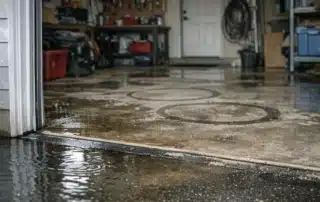
How to Assess Water Damage in Your Garage
Your garage floods after a storm, and you're staring at puddles wondering what damage lurks beneath the surface. Garage water damage often goes undetected for weeks, creating expensive problems that spread beyond your parking space. This guide walks you through a systematic approach to identify water damage in your garage. You'll learn to spot visual [...]
How Insurance Treats Summer Water [...]
Colorado summer festivals draw thousands [...]
Why Summer Sun Damage Hits [...]