
Early Signs of Structural Damage from Summer Heat
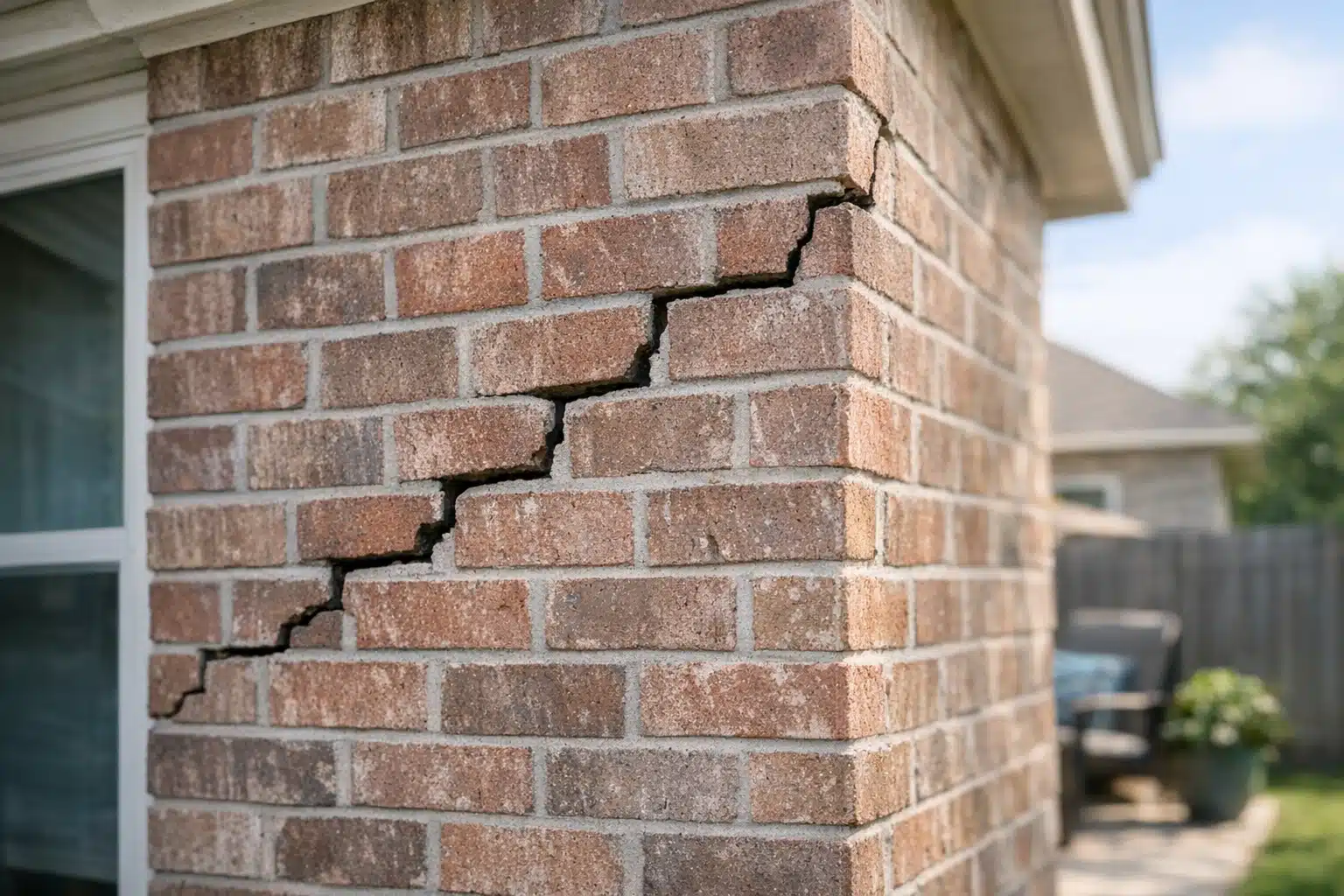
Summer heat in Colorado can lead to structural damage in homes, with early signs often appearing as cracks and shifting doors. Recognizing these indicators early can prevent costly repairs and further issues.
- Hairline cracks above windows and stair-step cracks in brick indicate foundation movement.
- Sticking doors and gaps around the foundation suggest frame shifts due to settling.
- Curling shingles and buckling floors are signs of heat stress affecting roofing and interior materials.
Early signs of structural damage from summer heat include hairline cracks in walls or above windows, which indicate stress on the building materials. In regions like Colorado, the intense summer heat can cause soil and framing to shift, leading to visible damage before more serious issues arise.
A hairline crack above your window in July is rarely random. In Colorado, summer heat pushes soil, framing, and roofing materials to their limits. That stress shows up as summer structural damage long before a wall shifts or a roof leaks.
At ARC Restoration, our crews across the Front Range see the same warning signs every June and July. Catching them early saves thousands in repairs and stops small issues from spreading.
Below are the specific early signs of heat-driven damage, why they happen, and what to do when you spot them.
Why Summer Heat Causes Structural Damage in Colorado Homes
Summer structural damage starts with movement. Materials expand when they heat up and contract when they cool. Colorado’s daily temperature swings make that movement severe.
A 40-degree gap between a 95°F afternoon and a 55°F night is common along the Front Range. Your framing, drywall, and foundation cycle through expansion and contraction every single day.
Two forces drive most heat-related damage here:
- Soil shrinkage — Colorado’s expansive clay soils dry out and pull away from foundations in summer heat.
- Thermal expansion — Roofing, siding, and framing swell and shrink with each temperature cycle.
Both put uneven pressure on the parts of your home that hold everything up.
Early Signs of Foundation Movement
Foundation problems are the most costly form of summer structural damage. Clay soil that dries and contracts leaves gaps under and around your footings. The foundation then settles into those gaps unevenly.
Stair-Step Cracks in Brick or Block
Cracks that follow the mortar joints in a diagonal, stair-step pattern signal foundation movement. A crack wider than 1/4 inch means the shift is active, not cosmetic.
Check exterior brick walls and basement block walls in mid-to-late summer. That is when clay soil dries most.
Sticking Doors and Windows
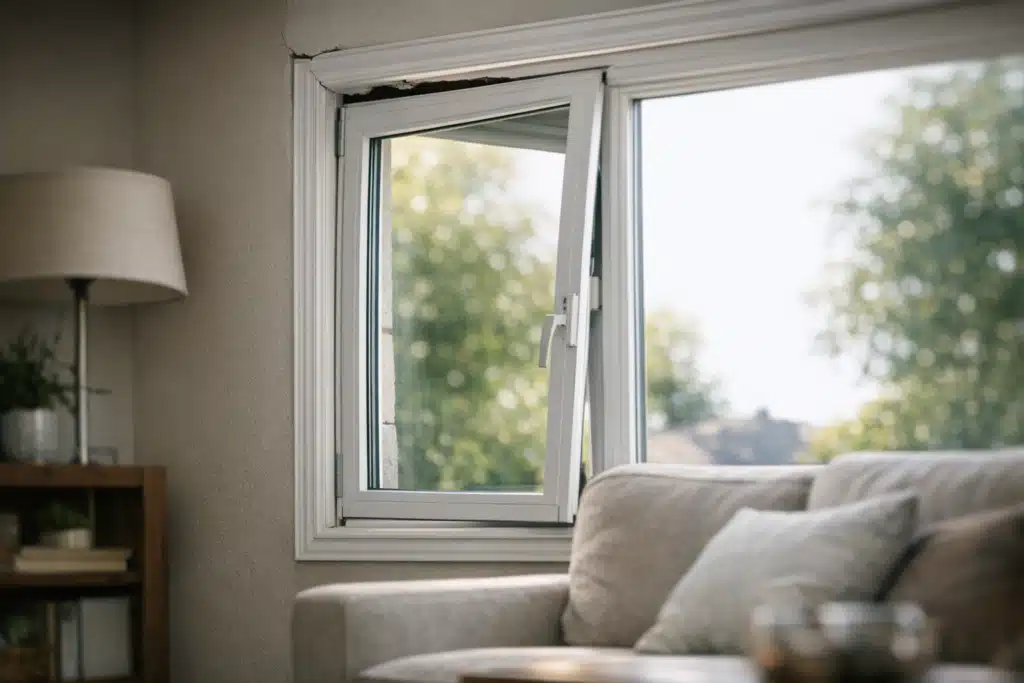
A door that latched fine in spring but drags in August points to frame movement. When a foundation settles, it racks the door frames out of square.
Watch for gaps at the top corner of a door or a window that suddenly resists opening.
Gaps Around the Foundation Perimeter
Walk your foundation line during a dry summer stretch. A visible gap between the soil and concrete shows the clay has pulled away.
That empty space is where your foundation will settle next if rain does not return.
Roof and Attic Warning Signs from Extreme Heat
Colorado attics reach 150°F on summer afternoons. That heat bakes shingles, dries out sealants, and warps decking from below.
Curling or Cracking Shingles
Asphalt shingles that curl at the edges or crack across the middle have lost their oils to heat. Once curled, they let water under the roof during monsoon storms.
Look for granules collecting in gutters. Heavy granule loss is an early sign the shingle surface is breaking down.
Nail Pops and Decking Movement
Repeated heat cycling pushes roofing nails up out of the decking. A row of small bumps along your roofline signals the sheathing is expanding and contracting hard.
Inside the attic, look for daylight around nails or bowing in the plywood decking.
Wall and Interior Signs to Watch
Interior signs show up after the structure has moved. They are your last chance to catch a problem before it becomes major.
- Vertical drywall cracks above doorways and window corners, where stress concentrates.
- Nail pops in drywall as studs expand and push fasteners outward.
- Separation at wall-ceiling joints, showing the frame is racking.
- Gaps in crown molding or baseboards that were tight last season.
A single hairline crack is not an emergency. Several cracks appearing in the same summer season point to structural movement.
Floor Buckling in Wood and Laminate
Wood and laminate floors expand with heat and summer humidity. When they run out of room at the edges, boards push up and buckle in the middle of a room.
Peaking at the seams or a springy feel underfoot means the floor has swelled past its expansion gap.
Exterior Materials That Signal Heat Stress
Your siding and trim take direct sun for hours. Heat stress shows on them first.
- Warped or wavy vinyl siding — panels distort when they expand and cannot slide freely.
- Cracked caulking at windows and door frames, opening gaps for water.
- Peeling paint on south-facing walls, where surface temperatures climb highest.
- Gaps at siding seams that widen and let moisture reach the sheathing.
Once water gets behind failed caulk or siding, summer heat damage turns into rot and mold.

 Posted on Google
What to Do When You Spot These Signs
Acting early keeps a $500 repair from becoming a $15,000 one. Here is how to respond when you notice summer structural damage.
- Document it. Photograph each crack, gap, or warped area with a ruler or coin for scale.
- Mark and date cracks. Draw a pencil line at each crack end and note the date. Growth over a few weeks confirms active movement.
- Water your foundation. During dry spells, run a soaker hose 12 to 18 inches from the foundation to keep clay soil from shrinking.
- Clear attic ventilation. Blocked soffit or ridge vents trap heat and speed roof and framing damage.
- Call for an assessment if cracks grow, doors jam, or floors buckle.
Consistent soil moisture is one of the best defenses for Colorado clay. Sudden watering after a long dry spell can make movement worse, so keep it steady.
When Summer Heat Damage Needs a Restoration Team
Some signs mean the structure has moved beyond a DIY fix. Bring in a restoration crew when you see:
- Cracks wider than 1/4 inch that keep growing
- Doors or windows that will not close at all
- Floors buckling across a full room
- Water staining paired with any of the signs above
Water intrusion changes everything. Once summer storms push moisture into cracked walls or failed roofing, mold and rot follow within days.
Our ARC Restoration crews handle both the structural damage and any water or mold that comes with it. That means one team from assessment to repair.
Key Takeaways
The early signs of summer structural damage include stair-step foundation cracks, sticking doors, curling shingles, drywall cracks, and buckling floors. Colorado’s dry clay soil and wide temperature swings make homes here especially prone to heat-driven movement. Catching these signs in June or July, documenting them, and keeping foundation soil moist stops small problems from turning into major repairs.
If you have spotted cracks, jammed doors, or warping this summer, contact ARC Restoration for an assessment. Call or text 720-799-2434, email office@advancedrestorationcolorado.com, or visit https://advancedrestorationcolorado.com.
Sources
- Colorado Geological Survey – Expansive Soils and Heaving Bedrock
- U.S. Department of Energy – Attic Ventilation
- National Roofing Contractors Association – Roofing Guidance


