
Essential Tools for a Home Emergency Preparedness Kit
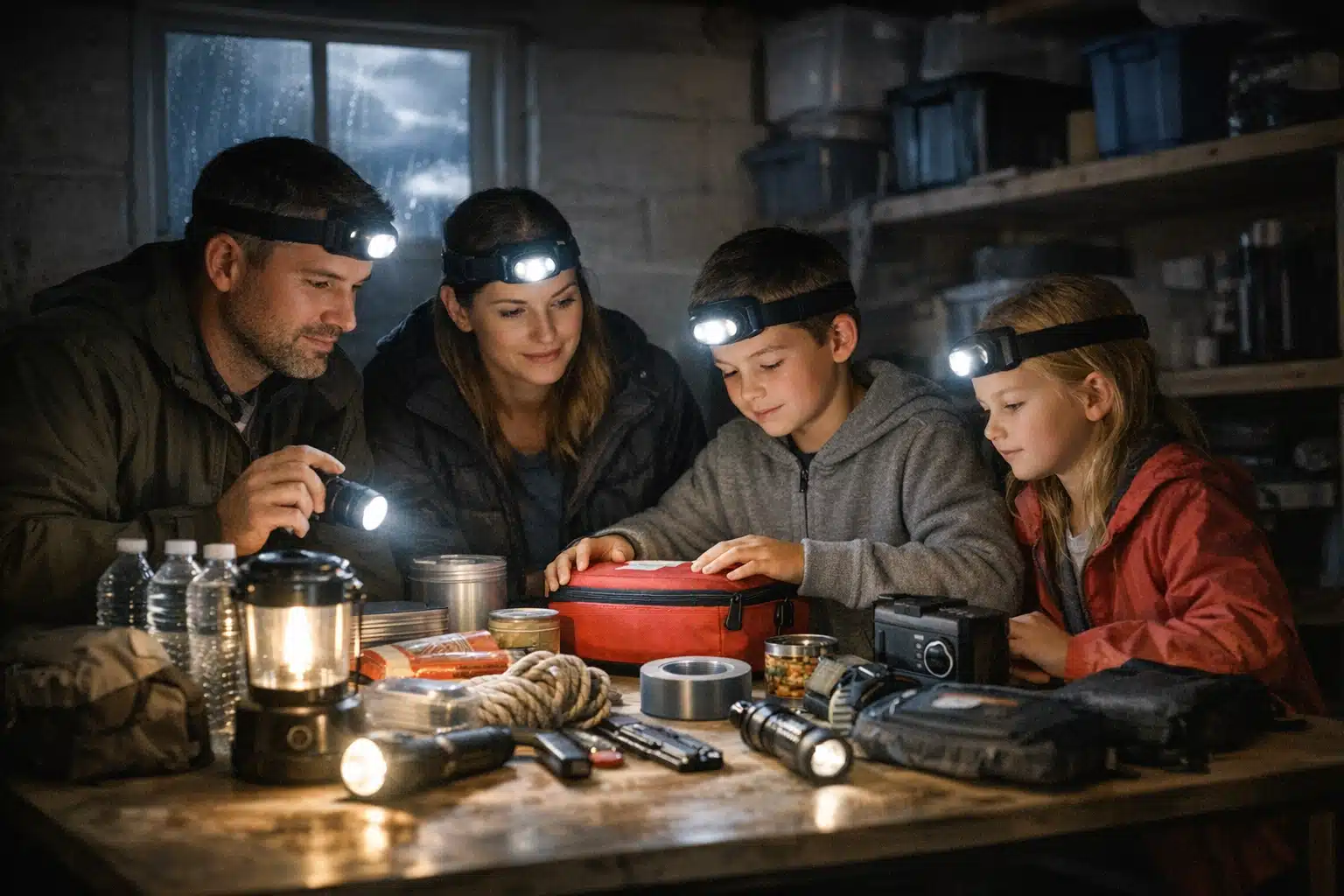
Spring storms in Colorado can knock out power for days, flood basements in minutes, and leave families stranded without basic supplies. Your emergency preparedness depends on having the right tools ready before disaster strikes.
This guide covers the 18 must-have tools and supplies that Colorado homeowners need for spring emergency situations. These recommendations come from years of responding to storm damage, flooding, and power outages across the Front Range.
Power and Lighting Tools for Extended Outages
Spring storms frequently cause power outages lasting 12-72 hours. Your lighting and power tools form the backbone of your emergency response.
Flashlights and Headlamps
LED headlamps outperform traditional flashlights because they keep your hands free for other tasks. Pack one headlamp per family member plus two backup LED flashlights.
Choose models that run on AA or AAA batteries rather than proprietary battery packs. Store extra batteries separately from the devices to prevent corrosion damage.
Battery-Powered Radio
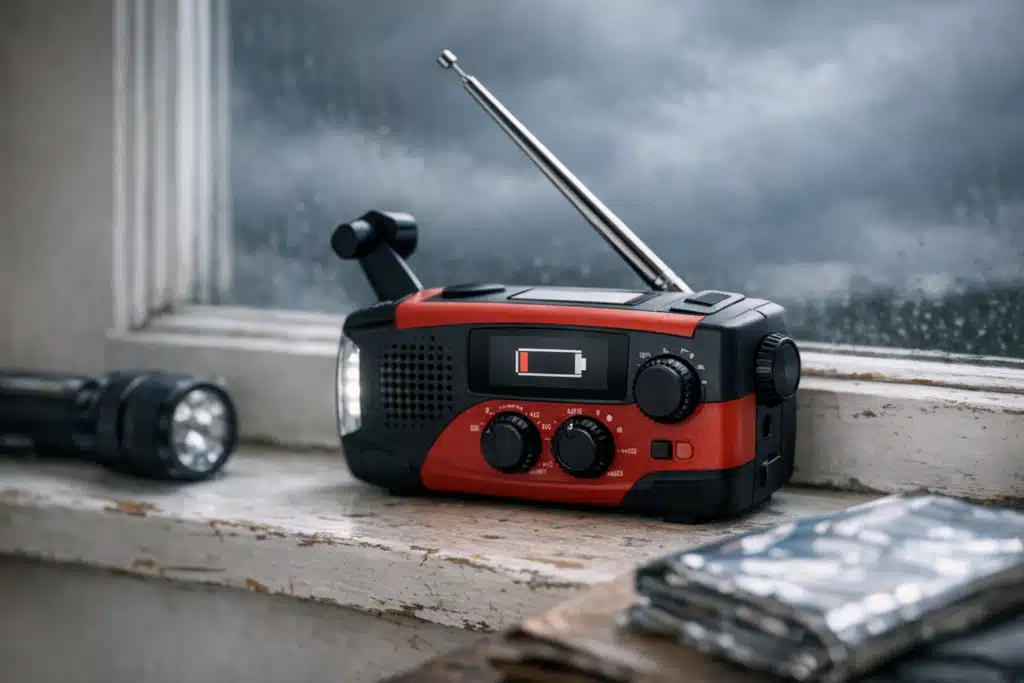
A hand-crank emergency radio provides weather updates and emergency broadcasts when cell towers fail. Look for models with NOAA weather alert capability and phone charging ports.
Digital displays show battery levels and allow precise station tuning. Avoid solar-only models – Colorado spring storms often bring days of cloud cover.
Portable Power Banks
High-capacity power banks (20,000+ mAh) can charge phones multiple times during extended outages. Keep one fully charged and rotate it monthly to maintain battery health.
Water Collection and Purification Equipment
Spring flooding can contaminate municipal water supplies or cut off service entirely. Water storage and purification tools become critical within 24 hours.
Water Storage Containers
Food-grade water barrels (55-gallon capacity) store enough drinking water for a family of four for two weeks. Smaller 7-gallon containers offer portability for evacuation scenarios.
Rotate stored water every six months and treat with water preservation tablets. Mark rotation dates clearly on each container.
Water Purification Methods
Pack multiple purification methods since each has limitations:
- Water purification tablets – Kill bacteria and viruses in 30 minutes
- Portable water filters – Remove sediment and improve taste
- Boiling equipment – Camping stove with fuel for heating water
- UV sterilization pens – Battery-powered option for clear water
Food Preparation and Storage Tools
Power outages spoil refrigerated food within 4-6 hours during warm spring weather. Non-electric cooking and food storage tools maintain nutrition and safety.
Manual Can Opener and Kitchen Tools
A heavy-duty manual can opener becomes invaluable when electric models fail. Include a sharp knife, cutting board, and metal utensils that work without power.
Pack paper plates and cups to conserve water normally used for washing dishes. Store these tools in a waterproof container.
Alternative Cooking Methods
Portable camping stoves with butane canisters cook food safely indoors with proper ventilation. Never use charcoal or propane grills inside due to carbon monoxide risks.
Sterno fuel tablets provide flameless heating for canned foods. One case of Sterno heats meals for a family for one week.
Communication and Navigation Equipment
Spring storms can disable cell service and GPS systems. Backup communication tools help coordinate with family members and emergency services.
Two-Way Radios
FRS/GMRS radios with 2-5 mile range allow family communication when cell networks fail. Program emergency frequencies before storms hit.
Weather-resistant models survive outdoor use during evacuations. Include spare batteries and car charger adapters.
Physical Maps and Compass
Paper maps of your county and surrounding areas work when GPS fails. Mark alternate routes to hospitals, shelters, and family meeting points.
A basic compass helps navigate if familiar landmarks become obscured by storm damage or flooding.
Emergency Repair and Maintenance Tools
Spring storms damage roofs, windows, and utilities. Having repair tools on hand prevents minor damage from becoming major problems.
Duct Tape and Tarps
Heavy-duty duct tape (2-3 rolls minimum) temporarily seals broken windows and stops water leaks. Choose contractor-grade tape rated for outdoor use.
Blue tarps in multiple sizes (8×10 and 12×16 feet) cover roof damage and protect belongings from water. Include rope and bungee cords for securing.
Multi-Tool and Basic Hardware
A quality multi-tool with pliers, screwdrivers, and knife blade handles most emergency repairs. Add a small hammer and adjustable wrench for larger tasks.
Pack assorted screws, nails, and bolts in a waterproof container. Include a measuring tape for damage assessment and repair planning.

They are knowledgeable, organized, and genuinely care about doing things the right way. If you’re looking for a restoration company that values communication and accountability, this is a team worth calling.
 Posted on Google
Personal Safety and First Aid Supplies
Medical emergencies often accompany natural disasters when help may be hours away. Comprehensive first aid supplies bridge the gap until professional care arrives.
First Aid Kit Components
Build your kit around these core supplies:
- Bandages and gauze – Various sizes for wound care
- Antiseptic wipes and ointment – Prevent infection in cuts
- Pain relievers and medications – 30-day supply of prescriptions
- Medical tape and scissors – Secure dressings properly
- Instant cold packs – Treat sprains and bruises
Include a first aid manual with step-by-step instructions for treating common injuries. Refresh expired medications every six months.
Personal Protection Equipment
Work gloves and safety glasses protect against cuts from debris during cleanup. N95 masks filter dust and mold spores in damaged buildings.
Reflective vests increase visibility during roadside emergencies or nighttime evacuations.
Documentation and Cash Reserves
Important documents and cash become difficult to access when banks close and computers fail during extended outages.
Waterproof Document Storage
Store copies of insurance policies, identification, and medical records in a waterproof document bag. Include USB drives with digital copies.
Keep originals in a bank safety deposit box and copies in your emergency kit. Update copies annually or after major life changes.
Emergency Cash Fund
ATMs and card readers fail during power outages. Keep $500-1000 in small bills for emergency purchases and services.
Include quarters for phone calls and parking meters. Store cash separately from documents to reduce theft risk.
Seasonal Considerations for Spring Preparedness
Colorado spring weather creates unique challenges requiring specific preparations beyond standard emergency supplies.
Temperature Fluctuation Protection
Emergency blankets and warm clothing handle temperature swings from 70°F days to 20°F nights. Pack layers rather than bulky items.
Hand and foot warmers provide heat without electricity or fire. Chemical heat packs last 8-12 hours each.
Flood-Specific Equipment
Sandbags and plastic sheeting divert water away from foundations during rapid snowmelt. Pre-fill sandbags when flood warnings are issued.
Sump pump backups powered by 12V batteries prevent basement flooding when power fails. Include extra batteries and a battery charger.
Having the right tools ready before spring storms arrive can mean the difference between minor inconvenience and major disaster. These 18 items form the foundation of effective home emergency preparedness for Colorado’s challenging spring weather patterns.
When storm damage does occur, professional restoration services become necessary for safe cleanup and repair. Contact ARC Restoration at 720-799-2434 for expert water damage restoration, mold remediation, and storm damage repair throughout Colorado.
Sources
- Ready.gov – Build a Kit
- American Red Cross – Emergency Kit Supplies
- CDC – Flood Safety
- National Weather Service – Flood Preparedness
This guide outlines 18 essential tools and supplies needed for home emergency preparedness in Colorado during spring storms. It emphasizes the importance of being equipped to handle power outages, flooding, and other emergencies that may arise.
- Power outages can last 12-72 hours, making flashlights and battery-powered radios crucial for safety and communication. Families should have multiple LED headlamps and a hand-crank emergency radio ready.
- Water storage and purification tools are vital, with food-grade containers and various purification methods recommended to ensure safe drinking water during emergencies.
- A well-stocked first aid kit and personal protection equipment, including work gloves and N95 masks, are essential for addressing medical needs and ensuring safety during cleanup efforts.
A home emergency preparedness kit typically includes essential supplies such as water, non-perishable food, a flashlight, batteries, a first aid kit, and personal hygiene items. These tools help ensure that families are equipped to handle emergencies like power outages or natural disasters effectively.


