Winterize Your Home with Confidence
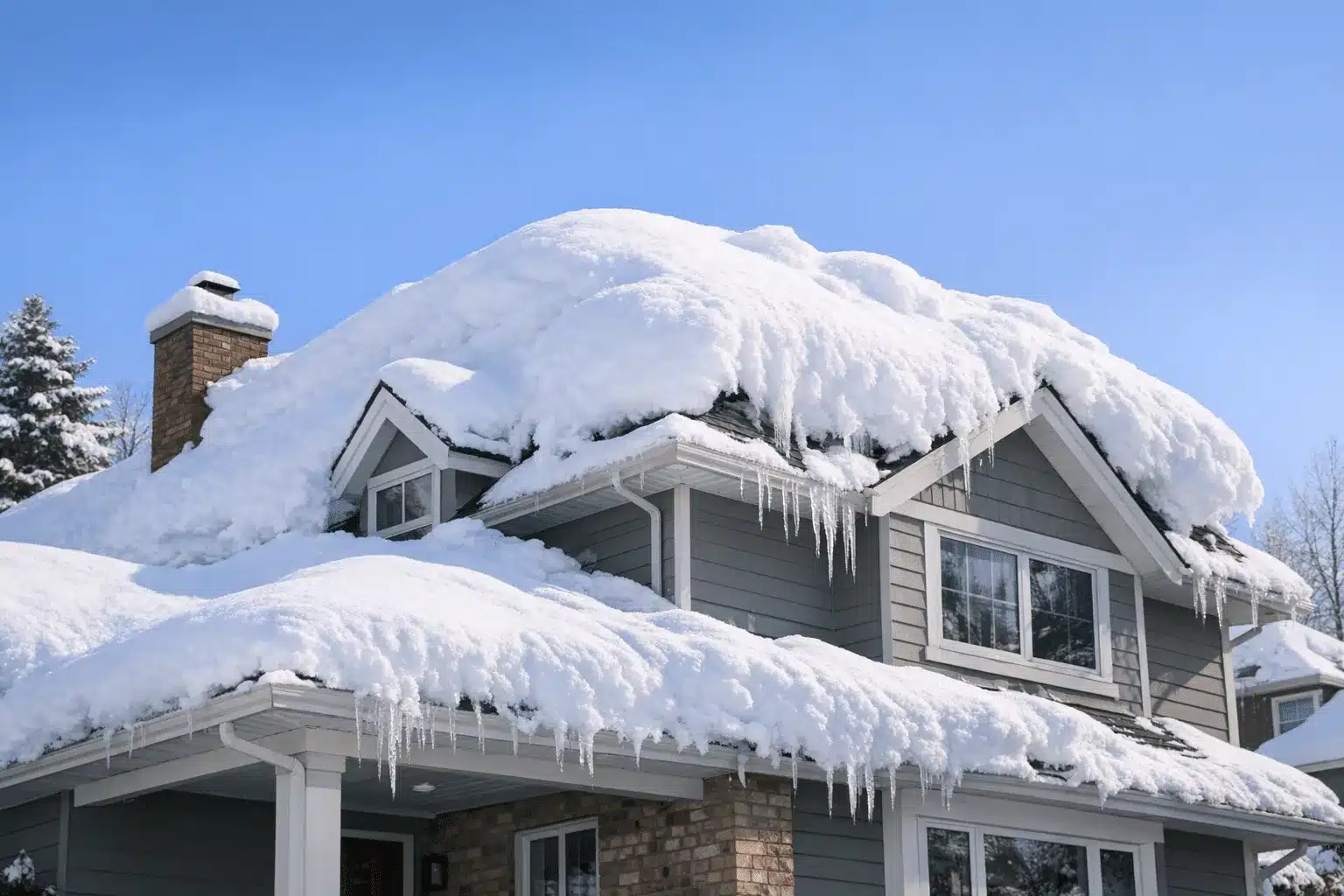
Take advantage of Colorado's mild autumn days to get your home ready for winter. A little effort now can prevent costly property damage and help you stay cozy all season long.
This is the checklist our team at ARC Restoration shares with homeowners every fall. Most of it takes an afternoon, and nearly every item prevents a problem we see each winter: frozen pipes, ice dams and flooded basements.
Inside Your Home
HVAC System
- Schedule professional servicing before the first cold snap.
- Replace filters regularly.
- Check for leaks, and consider upgrading to a smart thermostat for better efficiency.
Water Heaters
- Inspect for leaks or sediment buildup.
- Flush the tank once a year so it runs efficiently.
A small drip at the base of a water heater can turn into a flooded utility room. Here's more on preventing water heater floods.
Plumbing
- Wrap exposed pipes in crawl spaces, garages, basements and exterior walls.
- Add insulation in attics and drafty areas.
- Label your water shut-off valve so anyone in the house can find it fast.
- Test your sump pump and any backup systems.
Frozen pipes are the most common winter call we get. Our guide on how to prevent burst pipes this winter goes deeper, and it's worth a look at sump pump maintenance before the spring melt too.
Ceiling Fans
- Most fans have a reverse switch. Set them to spin clockwise in winter to push warm air down from the ceiling and reduce heating needs.
Curtains and Blinds
- Close curtains and blinds tightly at night or during storms to limit heat loss. On sunny days, open them to let the warmth in.
- Consider thermal drapes or cellular blinds to keep warmth in and drafts out.
Windows and Doors
- Inspect for gaps or cracks and seal them.
- Replace worn weatherstripping or caulking.
Outside Your Home
Outdoor Faucets and Sprinkler Systems
- Disconnect and drain garden hoses.
- Shut down and blow out irrigation systems.
A hose left on an outdoor faucet can freeze the pipe behind the wall, and the leak often isn't found until it's soaked the drywall.
Roofs, Gutters and Downspouts
Colorado's freeze-thaw cycles can lead to ice dams, leaks and roof damage.
- Clear gutters and downspouts before snow piles up.
- Consider gutter guards for easier maintenance.
- Inspect the roof for loose shingles or gaps in the flashing.
Learn what causes them in our Denver homeowner's guide to ice dams, and how to safely remove snow and ice from your roof.
Snow and Ice Management
- Be ready for sudden storms.
- Stock up on ice melt, sand or salt.
- Check outdoor lighting for dark evenings.
- Trim tree branches that could break under heavy snow.
Heading Out of Town?
- Set your thermostat to at least 55°F. If extreme cold is expected, set it closer to 70°F.
- Open cabinet doors under sinks so warm air can reach the pipes.
- Let the faucet farthest from the main drip slightly to keep water moving, or turn off the water main.
More tips for trips: protecting your home while you're on vacation.
Need Emergency Help?
ARC Restoration is here 24/7 when the storm rolls in. If a pipe bursts, your basement floods or ice dams push water into your ceiling, shut off the water if you can and call us. Our team offers 24/7 emergency response and full water damage restoration across the Denver metro.
ARC Restoration 1100 S Kalamath St, Denver, CO 80223 720-799-2434
A short winterizing checklist for Colorado homeowners. A little work now prevents frozen pipes, ice dams and costly water damage later.
- Inside: service the HVAC, check the water heater, insulate exposed pipes, test the sump pump and seal drafts.
- Outside: drain hoses, blow out sprinklers, clear gutters and check the roof before snow piles up.
- Leaving town: keep the heat at 55°F or higher, open sink cabinets, and drip a faucet or shut off the water main.