
Preparing Your Garden to Prevent Property Damage from Spring Growth
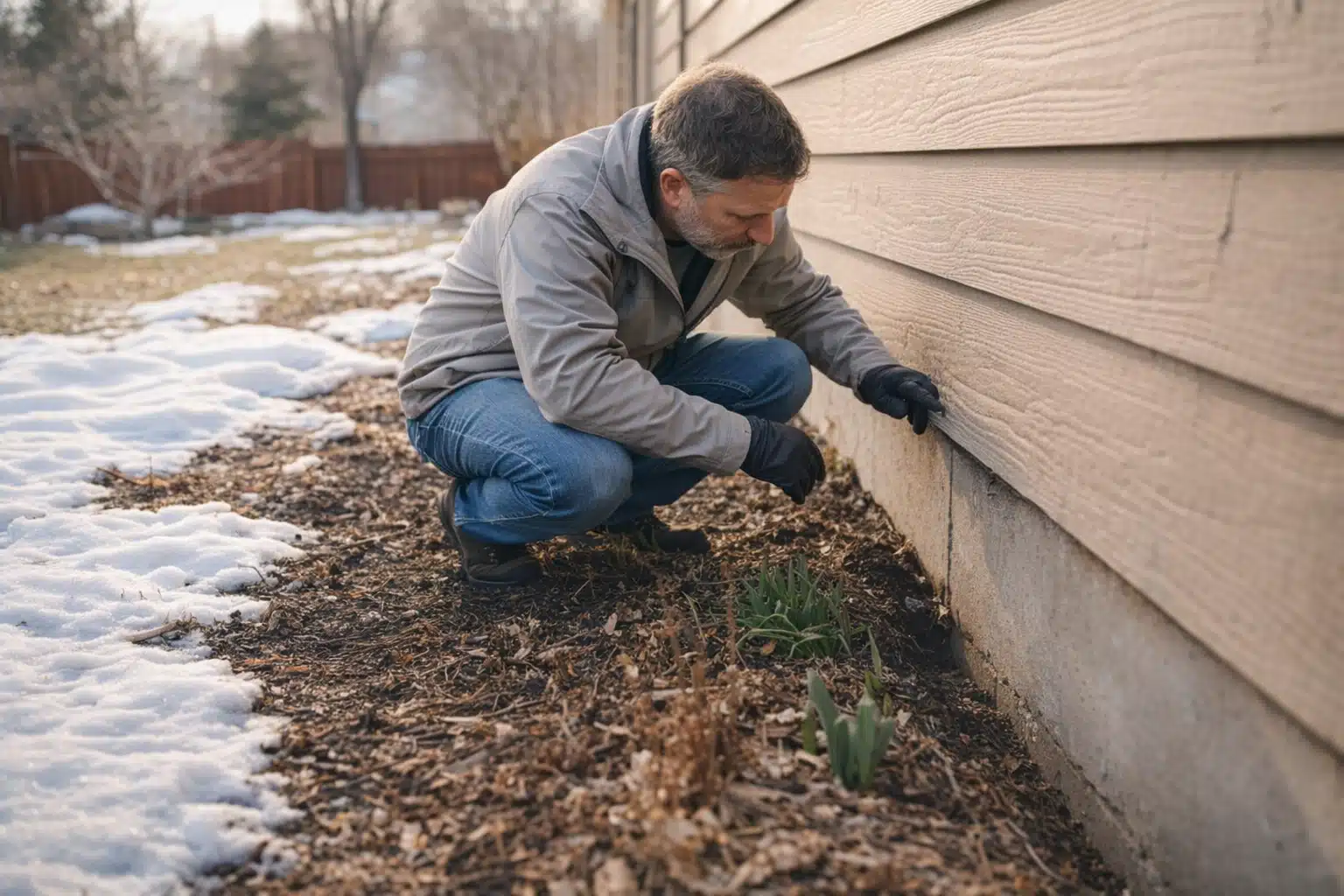
Spring root growth can crack foundations, clog drains, and push moisture into basements before you notice a single symptom. In Colorado, the fast thaw-to-bloom shift compresses months of damage risk into a few weeks. Smart garden preparation in early spring stops small problems from becoming five-figure water and structural claims.
This post walks you step by step: where spring growth threatens your property, what to inspect, and how to prepare beds, trees, and drainage. Each recommendation comes from cleanup jobs our crews have handled after preventable garden-related damage.
How Spring Garden Growth Damages Your Property
Plants that look harmless in April cause the most costly repairs by July. Growth accelerates when soil warms and snowmelt saturates the ground. Roots, stems, and runoff all move toward the path of least resistance — which is frequently your home.
Root intrusion into pipes and foundations
Tree and shrub roots seek moisture, and sewer lines leak just enough vapor to attract them. A single hairline crack in a clay or older PVC line invites root mass inside. Within one growing season, that mass can fully block a lateral line.
We have extracted root balls the size of basketballs from residential sewer lines in Arvada and Lakewood. The homeowners had no warning until sewage backed into a finished basement.
Water pooling against your slab
Raised garden beds and mulch piled against a foundation trap snowmelt where it does the most harm. Water sits against the concrete, freezes overnight, and expands cracks. Colorado’s freeze-thaw cycle repeats this dozens of times each spring.
Overgrowth that traps moisture on siding
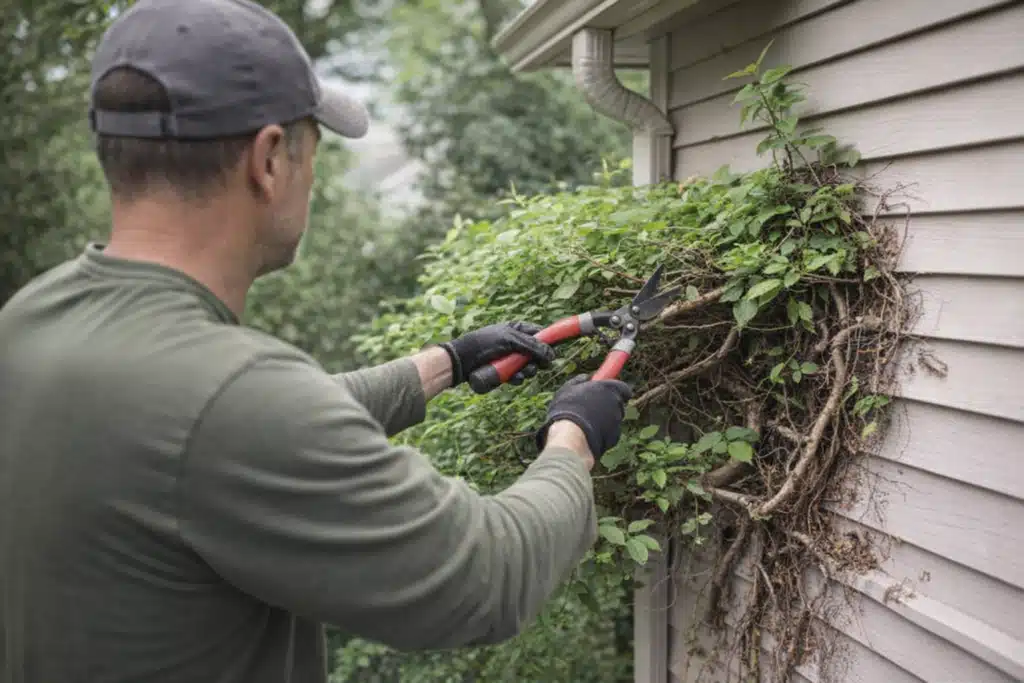
Vines and dense shrubs held tight against walls block airflow and keep siding damp. Damp wood and stucco invite rot and mold. By the time you see staining, moisture has usually reached the sheathing behind it.
Garden Preparation Checklist for Spring Property Damage Prevention
Effective garden preparation starts before the first hard growth in March or April. Follow these steps in order for the strongest property damage prevention.
- Clear the foundation zone. Keep mulch, soil, and plantings at least 12 inches from your exterior walls.
- Check grading. Soil should slope away from the house at least 6 inches over the first 10 feet.
- Inspect and cut back roots. Mark any tree within 20 feet of a sewer line for a plumber’s camera scope.
- Prune shrubs off siding. Leave a 2-foot gap between mature plants and walls for airflow.
- Clean gutters and extensions. Direct downspouts at least 4 feet from the foundation.
- Test drainage. Run a hose near beds and watch where water travels for 15 minutes.
Time your work to the Colorado thaw
Start inspections when overnight lows stay above freezing but before beds fully bloom. Along the Front Range, that window falls between mid-March and late April. Preparing during this gap lets you correct grading before roots and runoff are active.
Managing Trees and Roots Near Your Home
Roots cause the most expensive garden-related claims we clean up. Prevention costs far less than repair.
Which trees threaten pipes and foundations
Fast-growing, water-loving species pose the highest risk near lines and slabs. Watch for:
- Cottonwoods — aggressive roots that travel far seeking water
- Willows — shallow, wide root systems that lift walkways and enter pipes
- Silver maples — dense feeder roots near foundations
- Aspens — sucker growth that spreads under patios and slabs
Plant these species at least 25 feet from your home and sewer lines. If they are already close, schedule a camera scope every spring.
Root barriers and monitoring
A root barrier is a rigid plastic or fabric panel installed vertically to redirect root growth downward. Placed between a tree and your foundation, it buys years of protection. Pair it with an annual scope on any line older than 20 years.
Drainage and Grading Around Garden Beds
Poor drainage causes most spring basement flooding tied to gardens. The fix is cheap compared to water extraction and drywall replacement.
Reading how water moves on your lot
Watch your yard during the first heavy snowmelt or rain. Note where puddles form and how long they linger near the house. Standing water within 6 feet of the foundation signals a grading problem that needs correction.
Fixing common drainage mistakes
New garden beds frequently reverse the slope that keeps water away from a home. Homeowners build up soil against the foundation for planting, then trap runoff there. Correct this by regrading beds so they drain outward, not toward the wall.
- Extend downspouts past all beds
- Add a shallow swale to route water to the street or a dry well
- Use gravel borders near the foundation instead of dense mulch

With how strict Denver’s new legislations are these days, I’m glad I have this company in my rolodex.
 Posted on Google
Mulch, Beds, and Siding Contact
Mulch against your house holds moisture and attracts insects that damage wood. Keep it thin and pulled back.
Correct mulch depth and placement
Apply mulch no deeper than 3 inches in beds near the home. Keep a visible gap of bare soil or gravel between mulch and siding. This gap lets the base of your walls dry after every storm.
Protecting stucco and wood siding
Climbing plants trap water against porous surfaces year after year. Remove ivy and clematis from stucco and wood walls each spring. Redirect them onto a freestanding trellis set 2 feet away from the house.
What to Do When Damage Already Happened
Some spring damage stays hidden until it is severe. Act fast when you spot the early signs to limit repair costs.
Warning signs that need attention now
- Slow or gurgling drains — a common first sign of root intrusion
- Damp or musty basement walls — moisture pushing in from saturated soil
- New foundation cracks — expanding hairlines after freeze-thaw cycles
- Peeling paint or soft siding — trapped moisture behind overgrowth
Water and sewage damage worsens by the hour once it reaches drywall and framing. Mold can begin within 24 to 48 hours of moisture exposure. Fast extraction and drying stop a small leak from becoming a gut renovation.
How ARC Restoration helps after garden-related damage
Our crews handle water extraction, sewage cleanup, structural drying, and mold remediation across the Denver metro. We document the cause for your insurance claim and restore affected rooms to pre-loss condition. When root intrusion or drainage failure floods a basement, a same-day response keeps damage contained.
Key Takeaways
Spring growth threatens your home when roots reach pipes, mulch traps moisture, and beds reverse your grading. Sound garden preparation — clearing the foundation zone, correcting drainage, and monitoring trees near lines — prevents the costly water and structural damage our teams clean up every season.
If garden-related water, sewage, or mold damage has reached your home, contact ARC Restoration at 720-799-2434 (call or text) or email office@advancedrestorationcolorado.com. Fast action limits the damage and the cost.
Sources
- U.S. EPA – Mold Cleanup in Your Home
- FEMA – Protect Your Property From Flooding
- Colorado State University Extension – Yard and Garden
Spring growth can lead to significant property damage if not properly managed. This guide outlines essential steps for garden preparation to prevent costly repairs from root intrusion, moisture buildup, and drainage issues.
- Roots from trees and shrubs can invade sewer lines and foundations, causing severe blockages and damage. Regular inspections and proactive measures are necessary to avoid these issues.
- Mulch and raised garden beds should be kept away from foundations to prevent moisture accumulation and subsequent damage. Proper grading and drainage are critical for protecting your home.
- Homeowners should monitor their properties for signs of damage, such as slow drains and damp walls, and act quickly to mitigate repair costs before they escalate.
To prevent property damage from spring growth, start by assessing your garden's layout and identifying potential problem areas. Regularly trim roots, maintain proper drainage, and use barriers to redirect growth away from foundations. Early spring preparation can mitigate risks associated with root expansion and moisture accumulation.


