
How to Prevent Water Damage from Summer Storm Runoff
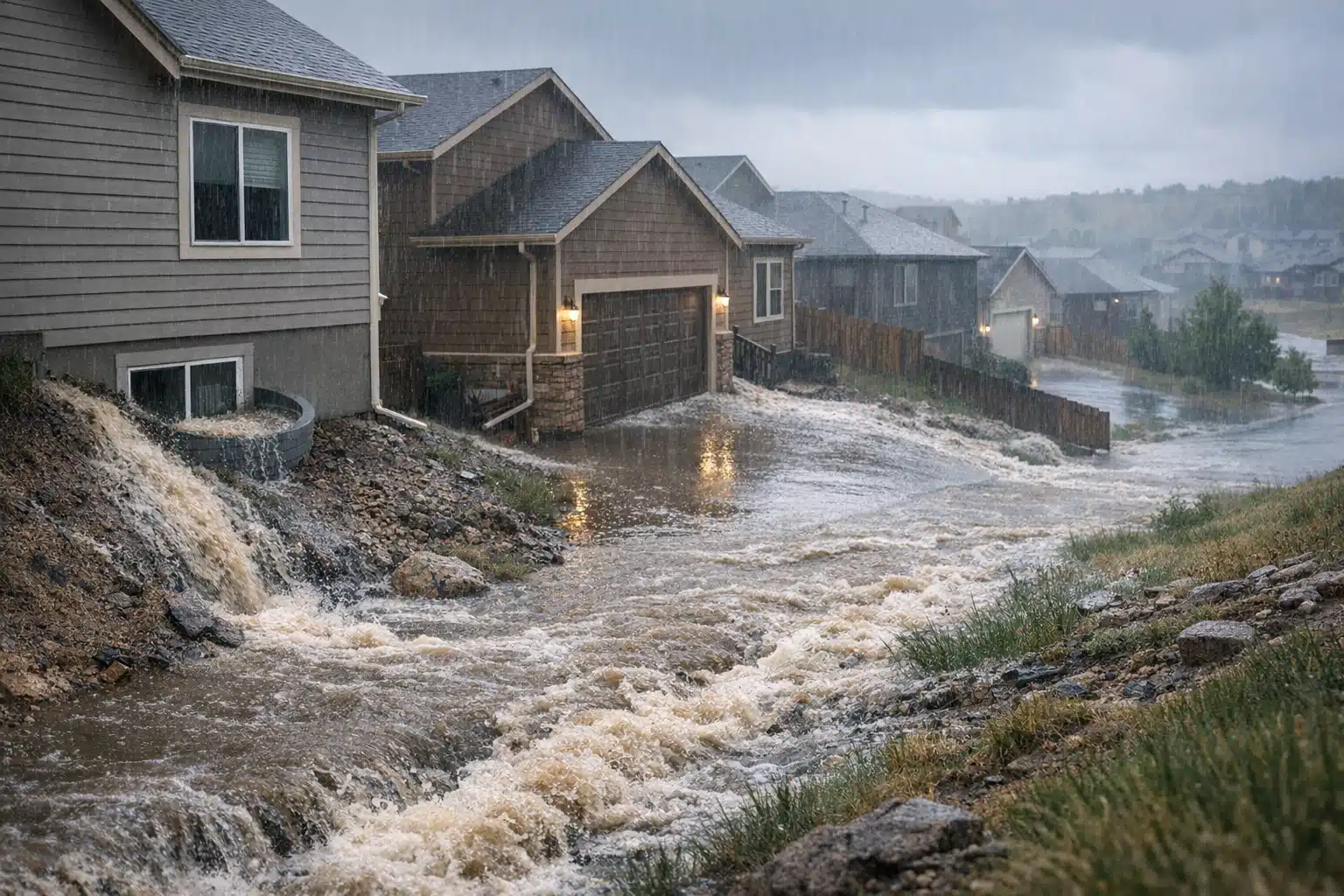
Preventing water damage from summer storm runoff in Colorado requires proactive measures before storms arrive. This guide outlines key areas where runoff can enter homes and effective strategies to mitigate risks.
- Water often enters homes through window wells, foundation cracks, and poorly directed downspouts. Taking steps to address these areas can significantly reduce flooding risk.
- Extending downspouts, regrading soil, and installing window well covers are cost-effective prevention methods.
- Regular property checks before storms can help identify and fix potential issues, ensuring better protection against water damage.
To prevent water damage from summer storm runoff, homeowners should take proactive measures such as ensuring proper drainage around their foundation, installing gutters and downspouts, and maintaining landscaping that directs water away from the house. Regularly inspecting and cleaning these systems can help mitigate potential damage during heavy rains.
Colorado’s July and August afternoons can drop an inch of rain in under an hour. That kind of downpour turns dry ground into sheets of water racing toward your foundation. Preventing water damage from summer storm runoff starts before the first monsoon cloud forms.
This post covers where runoff enters homes, which fixes stop it, and what to check on your property right now. Every recommendation comes from restoration work across the Front Range, where clay-heavy soil and sudden storms create predictable flooding patterns.
Why Summer Storm Runoff Hits Colorado Homes Hard
Summer storm runoff is rainwater that flows across the ground instead of soaking in. When the ground cannot absorb water fast enough, that excess moves downhill and pools against the lowest structures nearby.
Colorado’s soil makes this worse. Much of the Front Range sits on expansive clay, which sheds water rather than absorbing it during heavy rain.
Add a few local realities and the risk climbs:
- Monsoon season brings intense, short bursts from mid-July into September.
- Hard, dry summer soil repels the first heavy rain instead of soaking it up.
- Recent wildfire burn scars upstream send fast-moving runoff into neighborhoods below.
- Sloped lots in foothill communities funnel water straight toward garages and window wells.
Homes in Aurora, Parker, and Castle Rock see repeat flooding at the same low corners year after year. The water finds the same weak points every storm.
Where Runoff Gets Into Your House
Water enters homes at predictable spots. Knowing them tells you exactly where to focus your prevention work.
Window Wells and Basement Windows
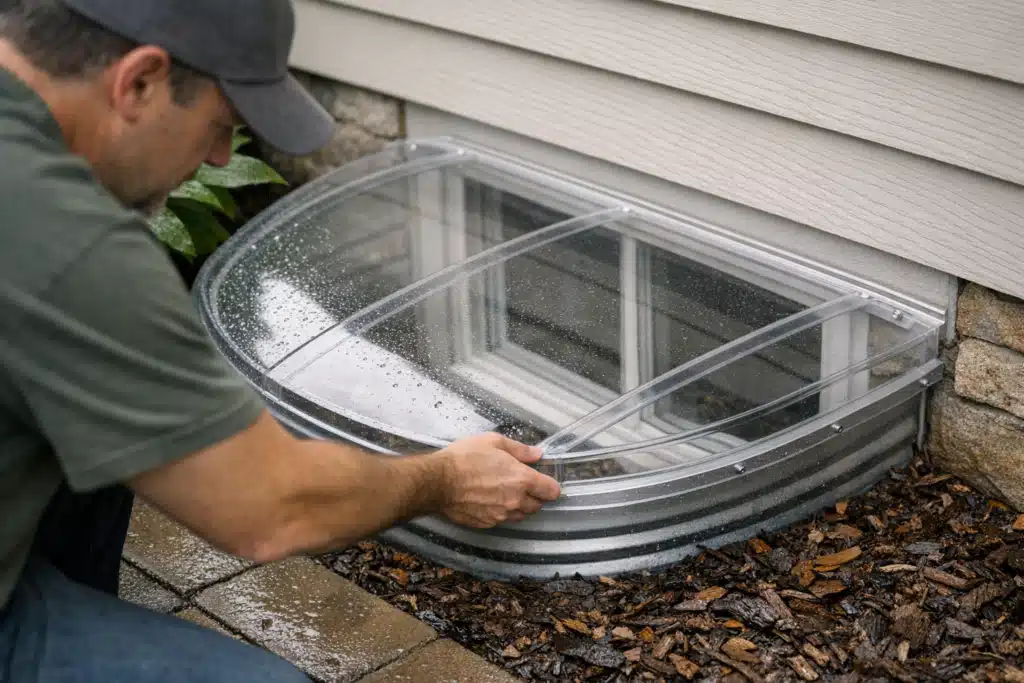
Window wells act like buckets during a downpour. Once they fill past the window frame, water pours straight into a finished basement.
The most common basement flood we see on the Front Range starts at a clogged or lidless window well. A single afternoon storm can dump enough water to fill one in minutes.
Foundation Cracks and Grade Slope
Ground that slopes toward the house sends every gallon of runoff against the foundation. Water then pushes into hairline cracks under pressure.
Clay soil expands when wet and forces water into gaps you cannot see when dry. That pressure is why basement walls weep during long storms.
Downspouts and Gutter Overflow
A downspout that ends within two feet of the wall dumps roof water right at the foundation. During a hard rain, one roof plane can shed hundreds of gallons in minutes.
How to Prevent Water Damage From Summer Storm Runoff
Follow these steps in order. The first three stop the most water for the least money.
- Extend every downspout at least four to six feet from the foundation. Use rigid or roll-out extensions that carry water past the backfill zone.
- Regrade soil to slope away from the house. Aim for six inches of drop across the first ten feet of ground.
- Install covers on all window wells. Clear polycarbonate lids keep rain out and still let light in.
- Clean gutters before monsoon season starts. Clogged gutters overflow at the roofline and soak the wall below.
- Seal visible foundation cracks with hydraulic cement or polyurethane injection before storms arrive.
- Add gravel or drainage rock to window wells so water drains down instead of pooling against the glass.
Do these before the first July storm. Prevention costs far less than tearing out wet drywall and carpet.
Drainage Upgrades That Handle Heavy Rain
Some lots need more than surface fixes. If water keeps reaching your foundation after grading and downspout work, add drainage that moves volume.
French Drains
A French drain is a gravel-filled trench with a perforated pipe that carries water away from the house. It intercepts runoff before it reaches the foundation wall.
These work on sloped foothill lots where water sheets downhill toward the home. Route the pipe to daylight or a dry well downhill.
Sump Pumps and Interior Drains
A sump pump collects water in a basin below the basement floor and pumps it outside. It is the last line of defense when groundwater rises during long storms.
Two upgrades matter for Colorado power outages during summer storms:
- A battery backup pump keeps running when lightning knocks out power.
- A water-alarm sensor texts you the moment the basin overfills.
Yard Swales
A swale is a shallow, planted channel that guides runoff around the house. It handles sheet flow across large lots without pipes or pumps.

 Posted on Google
What to Check Before Each Storm
A five-minute walk around your property catches most problems. Do this check at the start of monsoon season and after any dry spell.
- Look for dirt or mulch that has washed toward the foundation and repile it away.
- Clear leaves and debris from window wells and gutter mouths.
- Test your sump pump by pouring a bucket of water into the basin.
- Check that downspout extensions are still connected and pointed away.
- Scan basement walls for old water stains that mark repeat entry points.
Old stains tell you where water came in last year. That corner will flood again unless you fix the source outside.
When Runoff Already Got In
Act fast once water reaches your floors. Standing water soaks into drywall and subfloor within hours, and mold can start within 24 to 48 hours.
Take these steps right away:
- Shut off power to the flooded area if it is safe to reach the breaker.
- Move furniture and stored boxes off the wet floor.
- Photograph the damage for your insurance claim before cleanup.
- Call a restoration crew to extract water and dry the structure.
Fans and a shop vac help, but they cannot dry the water trapped inside wall cavities and under flooring. Hidden moisture is what leads to mold and warped subfloor weeks later.
Key Takeaways
Water damage prevention comes down to keeping runoff away from your foundation and windows before storms hit. Extend downspouts, fix your grade, cover window wells, and add drainage where water keeps returning. If a summer storm already flooded your home, fast extraction and drying stop the damage from spreading.
ARC Restoration handles water extraction, structural drying, and flood cleanup across the Colorado Front Range. Call or text 720-799-2434, email office@advancedrestorationcolorado.com, or visit https://advancedrestorationcolorado.com for storm damage help.
Sources
- FEMA – Flood Maps and Flood Risk
- EPA – Soak Up the Rain: What You Can Do
- National Weather Service – Flood Safety
- Colorado Geological Survey – Expansive Soils and Heaving Bedrock


