
Spring Checklist for Preventing Water Damage in Your Home
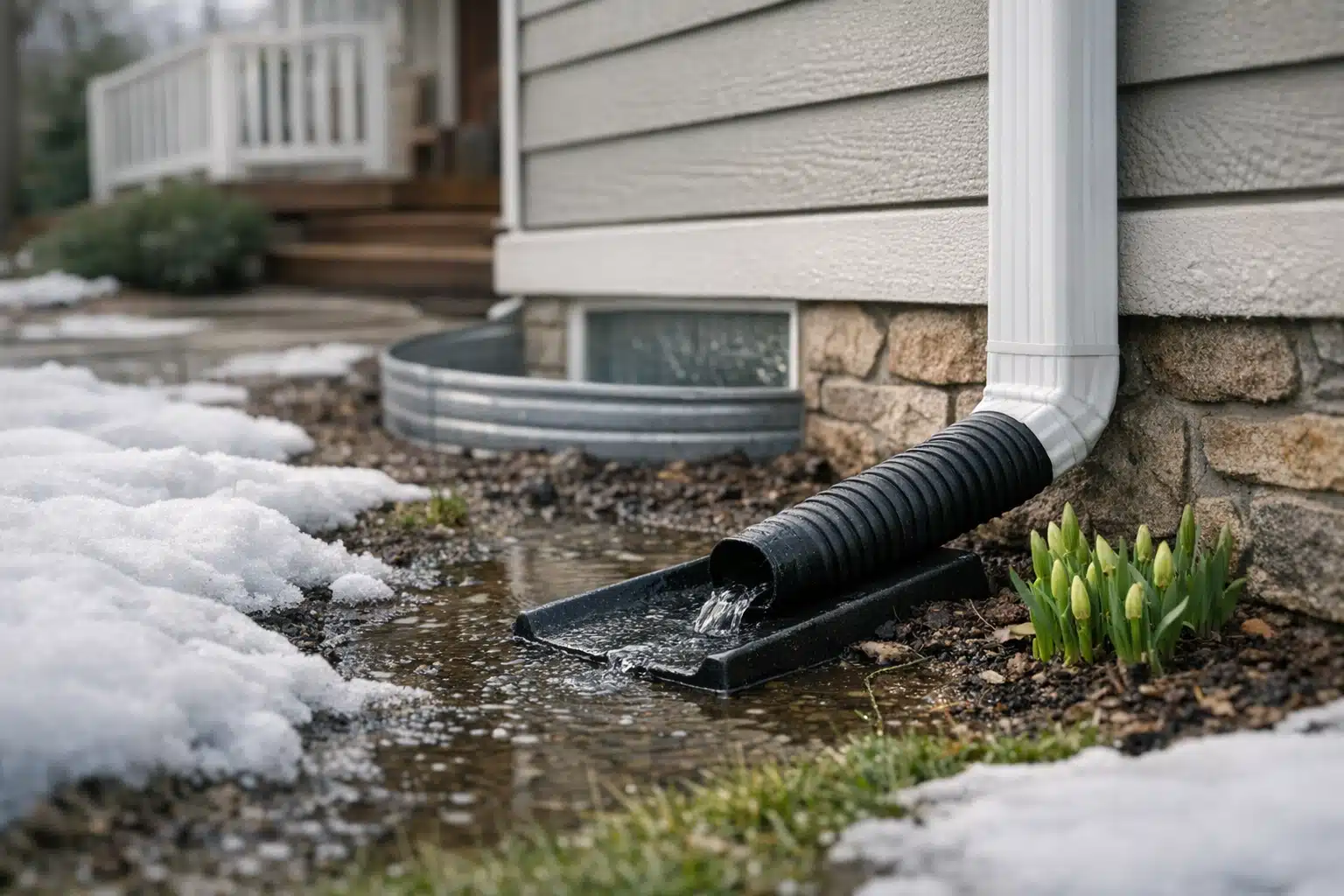
Spring snowmelt and heavy rains create the perfect storm for water damage in Colorado homes. Your home’s winter defenses may have weakened, leaving vulnerable spots that could cost thousands in repairs.
This comprehensive spring checklist for water damage prevention walks you through the most critical maintenance tasks. Each step targets specific seasonal threats that emerge as temperatures rise and precipitation patterns shift.
Exterior Foundation and Drainage Inspection
Foundation cracks expand during freeze-thaw cycles, creating new entry points for spring water. Walk around your home’s perimeter and look for hairline cracks wider than a quarter-inch or any gaps where water could penetrate.
Check your home’s grading by observing water flow during the next rain. Water should slope away from your foundation at least six inches over the first ten feet. If you notice pooling or reverse flow, you need immediate drainage corrections.
Downspout and Gutter Maintenance
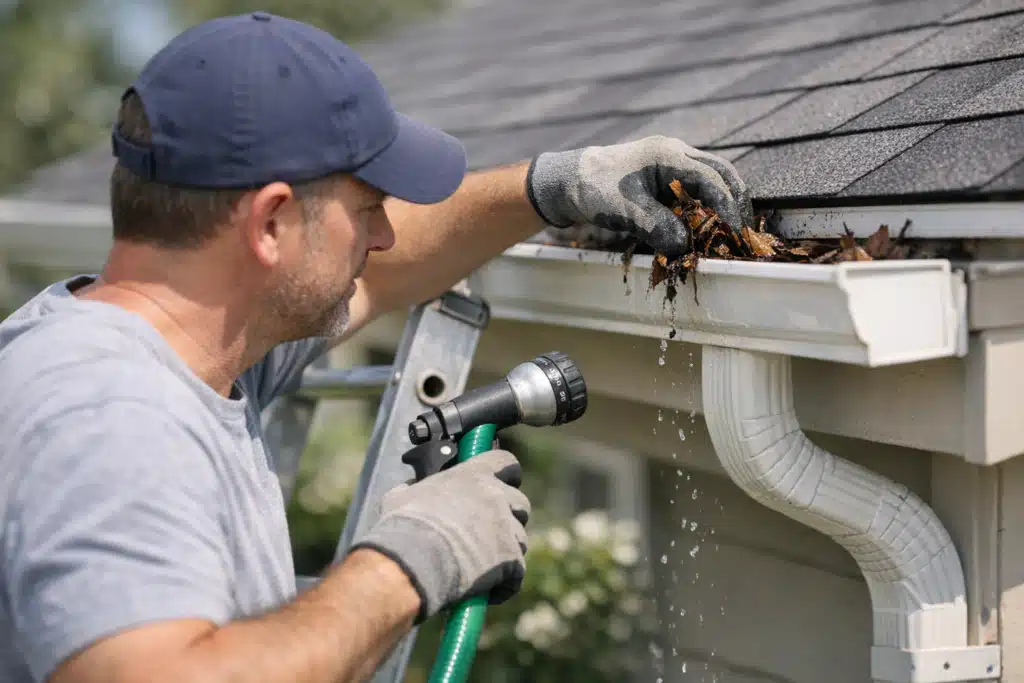
Remove winter debris from gutters and test water flow with a garden hose. Clogged gutters overflow and dump water directly against your foundation, creating basement flooding risks.
Extend downspouts at least four feet from your foundation. Many homeowners underestimate this distance, but shorter extensions still deposit water too close to basement walls.
Roof and Attic Vulnerability Assessment
Spring roof leaks often start from winter ice dam damage or loose shingles. Examine your roof from ground level using binoculars to spot missing, cracked, or curled shingles.
Check your attic during the next rainstorm for active leaks. Look for water stains, damp insulation, or actual dripping. Fresh stains appear darker than old water damage and indicate current problems.
Critical Roof Penetration Points
Inspect these high-risk areas where most roof leaks develop:
- Chimney flashing – Look for gaps or rust around metal seals
- Vent boots – Rubber seals crack after 5-7 years of weather exposure
- Skylight edges – Check for separated caulk lines or loose mounting
- Satellite dish mounts – Verify all penetrations remain properly sealed
Plumbing System Spring Startup
Frozen pipes that survived winter may have hairline cracks that only leak under pressure. Turn on all faucets and flush every toilet to test water flow and identify potential failures.
Check exposed pipes in crawl spaces, basements, and garages for new damage. Even small leaks waste hundreds of gallons monthly and create moisture problems that lead to mold growth.
Water Heater Safety Inspection
Examine the area around your water heater for rust stains, mineral deposits, or standing water. These signs indicate slow leaks that worsen over time and can cause sudden catastrophic failures.
Test your water heater’s pressure relief valve by lifting the lever briefly. If no water comes out, the valve may be stuck and could fail during pressure buildup.
Indoor Air Quality and Moisture Control
Winter’s closed-house conditions create hidden moisture problems that become visible in spring. High indoor humidity levels above 60% promote mold growth and wood damage.
Use a digital hygrometer to measure humidity in basements, bathrooms, and bedrooms. Install exhaust fans in high-moisture areas if humidity consistently exceeds safe levels.
Basement and Crawl Space Evaluation
Spring groundwater changes can reveal basement vulnerabilities that stayed dry all winter. Check for:
- Efflorescence – White chalky deposits on concrete walls indicate water penetration
- Musty odors – Often the first sign of hidden mold growth behind walls
- Condensation patterns – Water droplets on pipes or walls show ventilation problems
- Floor cracks – New gaps in concrete slabs can allow groundwater seepage

 Posted on Google
Appliance and Fixture Maintenance Schedule
Water damage prevention requires checking appliances that use water connections. Washing machine hoses fail without warning, typically after 3-5 years of use, and can flood entire floors in minutes.
Replace rubber washing machine hoses with braided stainless steel versions. Check dishwasher connections under the unit for corrosion or loose fittings that could cause leaks.
HVAC System Water Management
Clean or replace HVAC filters and check condensate drain lines for clogs. Blocked drains cause water backup that damages ceilings, walls, and flooring around air handling units.
Test your air conditioning system before peak season arrives. Run it for 30 minutes and check that condensate drains properly without overflow or backup.
Emergency Preparedness and Detection Systems
Install water detection alarms in high-risk areas like basements, utility rooms, and near water heaters. Modern smart detectors send alerts to your phone and can prevent extensive damage during brief absences.
Locate and test your main water shutoff valve. Many homeowners discover during emergencies that their shutoff valve is stuck or requires special tools they don’t have readily available.
Documentation and Insurance Review
Photograph your home’s current condition, focusing on areas prone to water damage. These images provide valuable before-and-after evidence if you need to file insurance claims later.
Review your homeowner’s insurance policy to understand water damage coverage limits. Many policies exclude certain types of water damage, such as flooding from outside sources or sewer backups.
Landscape and Exterior Water Management
Remove snow and ice buildup against your home’s exterior walls. Prolonged contact allows water penetration through siding, brick, or stucco as temperatures fluctuate.
Trim vegetation away from your home’s exterior walls and roof line. Overhanging branches hold moisture against roofing materials and can damage shingles during spring windstorms.
Irrigation System Inspection
Check sprinkler system components for winter damage before turning on water supply. Cracked sprinkler heads or damaged underground lines can create expensive water waste and foundation problems.
Adjust sprinkler timing and coverage to account for spring soil conditions. Overwatering saturated spring soil creates drainage problems and can direct excess water toward your foundation.
Following this spring checklist helps protect your home from the most common seasonal water damage threats. Regular maintenance prevents small problems from becoming major disasters that require professional restoration services.
If you discover water damage or need professional assessment of potential problems, contact ARC Restoration at 720-799-2434. Our team provides comprehensive water damage restoration and prevention services throughout Colorado.
Sources
- FEMA – Types of Flood Risk
- EPA – Mold Course Chapter 2
- Department of Energy – Maintaining Your Water Heater
- Ready.gov – Floods
Spring brings risks of water damage to homes, especially after winter. This checklist outlines essential maintenance tasks to protect against seasonal threats.
- Inspect the foundation for cracks and ensure proper drainage away from the home. Poor drainage can lead to serious water issues.
- Maintain gutters and downspouts to prevent overflow that can damage the foundation. Downspouts should extend at least four feet from the house.
- Check for roof vulnerabilities and leaks, especially around chimneys and skylights, to avoid costly repairs later.
A spring checklist for preventing water damage in your home includes inspecting your roof for leaks, cleaning gutters and downspouts, checking windows and doors for proper sealing, and ensuring drainage systems are clear. These steps help protect your home from potential water damage caused by spring snowmelt and heavy rains.


