
Sump Pump Sizing & Redundancy: Backup Systems for Denver Basements
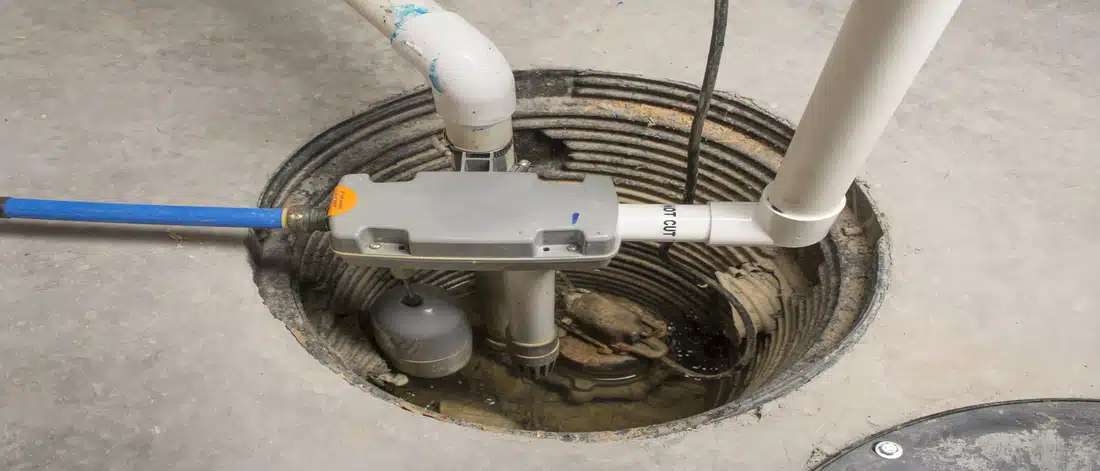
Denver’s clay-heavy soil and fluctuating groundwater make proper sump pump sizing critical for basement protection. Standard formulas based only on square footage often fall short, leading to flooding when pumps lack enough capacity, lift height, or backup support. Effective sump pump systems in Denver must be designed for site-specific conditions, including soil drainage, groundwater levels, basement depth, and stormwater runoff. For many homes, this means pairing a properly sized primary pump with a reliable backup system to ensure protection during power outages, mechanical failures, or extreme weather events.
Understanding Denver’s Unique Basement Water Challenges
Denver’s mile-high location and semi-arid climate may suggest low flood risk, but local geology and weather patterns create unique basement water challenges. Much of the region sits on expansive clay soil that swells when wet and shrinks when dry. These constant soil movements trap and push water against foundation walls, creating hydrostatic pressure that forces moisture into basements.
Although Denver averages only about 15 inches of annual rainfall, water often arrives in concentrated bursts. Spring snowmelt releases large volumes of moisture into the ground, while intense summer thunderstorms can quickly saturate already slow-draining clay soil. In some neighborhoods, especially those near historic creek beds, Platte River tributaries, and old irrigation channels, high groundwater levels add another layer of risk.
Seasonal freeze-thaw cycles worsen the problem. Winter freezes lock moisture in the soil, and when temperatures rise in early spring, that stored water melts rapidly, creating peak basement flooding risks in March and April.
Because of these conditions, Denver homes require sump pump systems designed for sudden water surges, adequate basin capacity, and reliable backup protection during storms or power outages.
How Sump Pumps Work: The Basics Every Homeowner Should Know
Denver’s basement flooding problems explain why homes need sump pumps. Knowing how these drainage systems work helps homeowners maintain them and prevent water damage.
The Basic Pump Cycle
Water flows into the sump basin (a pit dug below the basement floor) through drainage tiles or weep holes in the foundation walls. The water level rises inside the basin.
When water reaches a specific height, the float switch turns on the electric pump motor. The spinning impeller (a rotating blade inside the pump housing) pushes water up through the discharge pipe. This pipe carries water away from your house foundation to a safe drainage area like a yard slope or storm sewer.
Main System Parts
Float switch mechanisms control when the pump turns on and off. Three common types include:
- Tethered floats that bob up and down on the water surface
- Vertical floats that slide along a rod
- Electronic pressure sensors that detect water level changes
Each type activates the pump at different water heights and affects how often the pump runs (cycle frequency).
Check valves work like one-way doors in the discharge pipe. They stop pumped water from flowing back down into the basin after the motor shuts off.
Without this valve, water would drain back down, making the pump run constantly. This causes the motor to wear out faster and increases electricity costs.
Discharge piping must be the right size to move water efficiently. Most residential installations need pipes at least 1.5 inches wide.
Pipes that are too narrow create back pressure, forcing the pump motor to work harder. This leads to overheating and shorter equipment life (the typical sump pump lifespan is 7-10 years with proper sizing).
Getting these components matched to your basement’s specific water volume and drainage needs determines whether your sump pump system protects your home or fails during heavy rain events.
Calculating the Right Pump Capacity for Your Basement Square Footage
Most basement sump pump failures happen when homeowners pick units too small to handle the amount of water flowing in during heavy rain or snowmelt. To calculate the right pump size, you need to look at three things: how many square feet your basement covers, what type of soil surrounds your foundation, and how much rain or snow your area gets.
Denver has clay-heavy soil that drains slowly. When snow melts quickly in spring, large amounts of water can flood into basements. Sump pumps in Denver need to move between 0.25 and 0.5 gallons per minute for each square foot of basement floor space during the worst conditions.
| Basement Area | Minimum GPM | Recommended HP |
| Under 800 sq ft | 33 GPM | 1/3 HP |
| 800-1500 sq ft | 50 GPM | 1/2 HP |
| Over 1500 sq ft | 75 GPM | 3/4 HP |
Pumps lose power when they push water higher. For every 10 feet the water travels up through discharge pipes, the pump loses about 25% of its pumping capacity. This measurement is called vertical lift or head height.
Some Denver neighborhoods sit above underground water tables that stay close to the surface year-round. Houses in these areas need pumps 20-30% larger than the basic calculations suggest. Check with local plumbers or your municipality’s building department to learn if your property sits in a high water table zone.
Gallons Per Hour (GPH) Requirements Based on Water Table Depth
Water table depth determines how much pumping power your basement needs. The water table is the underground level where soil becomes completely saturated with water. When this saturation level sits close to your basement floor, your sump pump works harder and runs more often than pumps in drier soil conditions.
Denver’s geography creates water table levels that change with seasons and rainfall patterns. Soil composition affects how fast water moves through the ground. Sandy soil drains faster than clay soil. Your pump capacity calculation must account for these local factors.
GPH requirements by depth:
- High water table (0-3 feet from basement floor): Install pumps rated at 2,800-4,200 GPH minimum capacity. Expect the pump to run every 15 minutes when heavy rain or snowmelt occurs.
- Moderate water table (3-6 feet from basement floor): Pumps rated at 1,800-2,800 GPH handle typical basement drainage needs. The pump will run every 30 minutes during wet conditions.
- Low water table (6+ feet from basement floor): Pumps rated at 1,200-1,800 GPH work well for occasional water removal after storms and snow events.
Building code IRC R405.1 requires your pump to move 25% more water than the calculated infiltration rate. Infiltration rate measures how fast groundwater seeps into your sump basin.
This safety margin prevents basin overflow when rain and groundwater enter your basement at the same time. The 25% buffer protects your foundation from water damage during severe weather events.
Vertical Lift and Discharge Distance Considerations
Sump pump performance drops when water moves upward through discharge pipes and travels horizontally away from the building foundation. Each foot of vertical rise reduces the pump’s effective capacity by about 10 gallons per hour (GPH) for every horsepower the motor produces. Horizontal pipe runs create friction that slows water flow—every 10 horizontal feet equals the resistance of 1 vertical foot of head pressure.
Denver’s International Residential Code (IRC) Section P2503.2 requires discharge pipes to release water at least 10 feet away from foundation walls. This minimum distance requirement means homeowners must calculate total head losses to select properly sized pumps.
| Vertical Lift Distance | Pump Capacity Loss |
| 10 feet | 15% reduction |
| 15 feet | 28% reduction |
| 20 feet | 45% reduction |
Sump pump installations with more than 15 feet of total dynamic head (the combined effect of vertical lift and horizontal distance) need pumps with at least 1/2 horsepower motors. The discharge pipe diameter affects friction levels—1.5-inch diameter pipes create 40% more water resistance than 2-inch diameter pipes when moving the same amount of water.
Primary Pump Selection: Submersible vs. Pedestal Models
Homeowners choose between two main sump pump types: submersible units that sit underwater inside the basin, and pedestal models with motors mounted on tall shafts above the water.
Submersible pumps deliver:
- Quieter performance because water absorbs motor sound, and the closed housing blocks noise
- Extended service life in homes with frequent flooding, since constant water contact keeps the motor cool
- More usable space in the basin, with no equipment sticking up above the floor in the utility rooms
Pedestal pumps make repairs easier. Technicians can reach the motor assembly without draining water from the basin.
These pumps create more noise and need extra overhead clearance. Denver’s International Residential Code allows both pump types when matched to the expected water flow rate.
Submersible units appear in most homes because they run quietly and look better. Pedestal models work well for homeowners on tight budgets who value simple repairs.
Key components in both systems:
- Float switch – triggers the pump when water reaches a set level
- Check valve – stops water from flowing backward into the basin
- Discharge pipe – carries water away from the foundation
- Basin (sump pit) – collects groundwater and surface water
- Motor assembly – powers the impeller that moves water
Building codes in residential zones require backup power systems or battery-operated secondary pumps for homes in flood-prone areas.
Professional installation ensures proper electrical connections through GFCI outlets and adequate pipe diameter (minimum 1.5 inches) for discharge lines.
When One Pump Isn’t Enough: Recognizing Your Need for Backup
A correctly sized main sump pump handles typical basement water removal. Some homes face conditions that require a second pump to stop flooding. Houses with water tables that rise and fall need extra protection.
Spring snowmelt and heavy rainstorms can overwhelm a single pump system. Finished basements with expensive electronics, living areas, or family heirlooms need the security of backup pumping.
Denver sits in an area with specific water challenges. Quick temperature swings melt snow faster than soil can absorb it. The local clay soil drains water slowly, keeping moisture near foundations longer. These conditions create a higher flood risk for basement spaces.
Power failures happen most often during storms—exactly when sump pumps work hardest. A home loses all pumping ability if the electricity goes out with only one pump.
Pumps break down without warning signs. A single-pump setup leaves basements exposed to water damage during the entire repair period.
Some city building codes require backup pump systems for basements that people live in or use regularly. A dual-pump configuration protects against electrical failures, mechanical breakdowns, and drainage overload at the same time.
This redundant system acts as insurance for your below-grade investment.
Battery Backup Sump Pump Systems Explained
Battery backup sump pump systems provide protection when a primary AC-powered sump pump stops working. This typically occurs during power outages or mechanical failures—two common causes of basement flooding during storms. When the main pump shuts down, the backup system automatically activates and uses stored battery power to keep pumping water out of the sump basin.
These systems rely on deep-cycle marine batteries, the same durable batteries used in boats. Most units operate on 12-volt DC power and typically store between 40 and 120 amp-hours of energy. Homeowners can install a combination system that includes both the primary and backup pumps in one unit, or add a separate backup pump that discharges through its own pipe.
Battery capacity determines how long the system can run. For example, a 75 amp-hour battery can power a backup pump for roughly five to seven hours under normal cycling conditions. A float charger keeps the battery fully charged and ready for use while preventing overcharging that could damage the battery.
Because backup pumps run on DC power, they generally move less water than primary pumps, typically pumping between 1,000 and 2,500 gallons per hour. However, this capacity is usually sufficient to control typical seepage or moderate flooding until household power is restored.
Regular maintenance keeps the system reliable. Batteries should be replaced about once a year, and the float switch should be tested every three months to ensure the backup pump activates properly when needed.
Water-Powered Backup Pumps: Pros and Cons for Denver Homes
Battery-powered sump pump systems work well for basement flooding protection, but water-powered ejector pumps give homeowners another choice. These devices need no electrical power or battery charging. Water-powered pumps use your home’s water line pressure to move water out of the sump pit. The system creates a venturi effect (a physics principle where flowing water pulls additional water along with it). Denver’s city water system supplies 50-80 PSI (pounds per square inch), which gives enough force to run these backup pumps.
| Factor | Water-Powered Pump | Battery Backup Pump |
| Power Source | City water line (needs 50+ PSI) | 12-volt DC marine battery |
| How Long Does It Work | Works as long as the city water flows | Runs 4-8 hours on full charge |
| Water Consumption | Uses 1-2 gallons of city water for each gallon pumped from the sump | Uses no water |
Denver homeowners must follow city plumbing codes that require backflow preventers. These safety devices stop contaminated sump water from flowing backward into clean drinking water lines. The ongoing cost of city water during long pumping periods matters for your budget. These pumps move 800-1,500 gallons per hour based on your home’s water pressure. A licensed plumber must install separate discharge pipes and create proper air gaps between the pump outlet and drainage system. These spacing requirements follow International Plumbing Code (IPC) safety standards that protect water quality in your home and neighborhood.
Combination Systems: Maximum Protection Against Multiple Failure Points
Three-tier sump pump setups use three different pumps working together: a main electric pump, a battery backup pump, and a water-powered pump. This design protects your basement when multiple problems happen at once—like power loss, broken pump parts, and heavy flooding during Denver’s spring snowmelt season.
Key setup requirements:
- Main pump removes water during 95% of normal conditions, moving 3,000-5,000 gallons per hour
- Battery backup pump starts 2-3 seconds after the main pump stops, moving at least 2,000 gallons per hour
- Water-powered pump runs as long as needed without electricity
The sump basin needs either vertical stacking (pumps placed at different heights) or dual chambers (separate compartments) to fit all three pumps. The control system manages when each pump runs, stops pumps from working against each other, and checks system performance using multiple float switches.
Why three pumps matter:
Each pump type handles specific failure scenarios. Electric pumps provide the strongest water removal during normal operation. Battery pumps protect during power outages lasting several hours. Water-powered pumps need no batteries or electricity—they use your home’s water pressure to create suction, making them reliable during extended emergencies.
Basin capacity should match your home’s water table conditions and local soil drainage patterns. Homes in high-risk flood zones benefit most from combination systems since groundwater intrusion can overwhelm single pumps during seasonal weather events.
Float Switch Types and Their Impact on Reliability
Float switches control when the pump turns on and off. This makes them the most important control part in any sump pump system. The type of switch you choose affects how well your system works and how it might break down.
Common Float Switch Types
- Tethered float switches use a ball that floats on water, attached to a cable. When water rises, the ball moves up and triggers the pump. When water drops, the ball goes down and stops the pump. These switches work well in large sump pits but can wrap around pipes or get stuck in small spaces.
- Vertical float switches slide up and down on a straight rod or pole. They turn the pump on and off at exact water heights. These switches work better in narrow sump pits because they don’t need side-to-side room to move. They jam less often than tethered switches in tight basement installations.
- Electronic sensors use electrical circuits instead of moving parts to detect water levels. They measure water height through pressure readings or conductivity signals.
These sensors work the same way every time and don’t wear out from mechanical motion. They need steady electrical power to function and may need adjustment checks once or twice per year.
Best Choices for Denver Homes
Denver sump pump systems work best with vertical switches or electronic sensors as the main pump control.
These two types handle the job demands in Colorado basements where space is limited and reliability matters during spring snowmelt and summer storms.
Use tethered switches only for backup pumps, and only when your sump pit gives the float enough room to swing freely without hitting walls or pipes.
Installation Best Practices for Primary and Secondary Systems
Proper installation is essential for sump pump systems that include both primary and backup protection. A reliable setup uses two separate pumps: the primary pump that handles normal water removal and a secondary pump that activates if the main unit fails or cannot keep up with incoming water.
The vertical positioning of the pumps determines how the system operates. The backup pump’s float switch should be installed about 4–6 inches higher than the primary pump’s float switch. This spacing prevents both pumps from running at the same time and ensures the backup pump activates quickly if the primary pump stops working or becomes overwhelmed.
Each pump should also have its own properly configured discharge line. Key components include a check valve to prevent water from flowing back into the sump basin and a union fitting below the valve to allow easy removal for maintenance or replacement. Using independent discharge piping for each pump adds redundancy so that a failure or blockage in one line does not disable the entire system.
Electrical safety and reliability are equally important. Each pump should connect to its own dedicated 20-amp circuit with a GFCI-protected outlet to reduce the risk of electrical shock in damp conditions. Separate circuits ensure that one pump can continue operating even if the other circuit fails.
The sump basin must also be large enough to accommodate both pumps without interference. Dual-pump systems typically require a basin at least 24 inches in diameter so the pumps and float switches can move freely without blocking each other.
Before putting the system into regular use, it should be tested to confirm the backup pump activates properly. This involves temporarily disconnecting the primary pump, filling the basin with water, and allowing the water level to rise until the secondary pump activates. Letting the backup pump complete a full pumping cycle verifies that the system will function correctly during an actual emergency.
Maintenance Schedules to Keep Both Systems Operational
Regular maintenance intervals prevent sump pump failures when basement flooding threatens your home. Primary systems require quarterly inspections. Backup units need testing every six months to verify operational readiness.
Essential maintenance tasks include:
- Testing float switches by manually lifting them to trigger pump activation. This confirms proper water level sensor response and motor engagement during flood conditions.
- Flushing discharge lines to remove sediment buildup. Mineral deposits and debris reduce flow capacity and increase backpressure on pump mechanisms, forcing the motor to work harder.
- Verifying battery charge levels on backup systems. Replace batteries every three years regardless of apparent functionality, as internal battery degradation occurs even without visible signs.
Documentation of maintenance activities establishes failure patterns and predicts replacement cycles for pump components. Technicians should record pump runtime hours, discharge volumes in gallons, and cycle frequency per day to identify performance degradation.
Annual professional inspections complement homeowner maintenance by examining check valves, impeller condition, and electrical connections. This systematic approach maximizes reliability across both primary and redundant sump pump systems, protecting your basement from water damage year-round.
Proper sump pump sizing is essential for protecting Denver basements from flooding due to the area's unique soil and groundwater conditions. Homeowners need to consider specific factors such as soil drainage and water table depth to ensure effective pump performance.
- Denver's clay-heavy soil can trap water against foundation walls, increasing flooding risks. Homes should pair primary pumps with reliable backup systems for power outages and mechanical failures.
- Sump pumps must be sized based on basement area, soil type, and local rainfall patterns to handle sudden water surges effectively.
- Homeowners can choose between submersible and pedestal sump pumps, with submersible units being quieter and more space-efficient, while pedestal models allow for easier repairs.
Proper sump pump sizing in Denver is essential due to the area's clay-heavy soil and varying groundwater levels. Inadequate sizing can lead to flooding, as standard formulas based solely on square footage may not account for specific site conditions. A correctly sized pump, often paired with a backup system, provides reliable basement protection.


