
Preventing Mold in Summer Vacation Homes
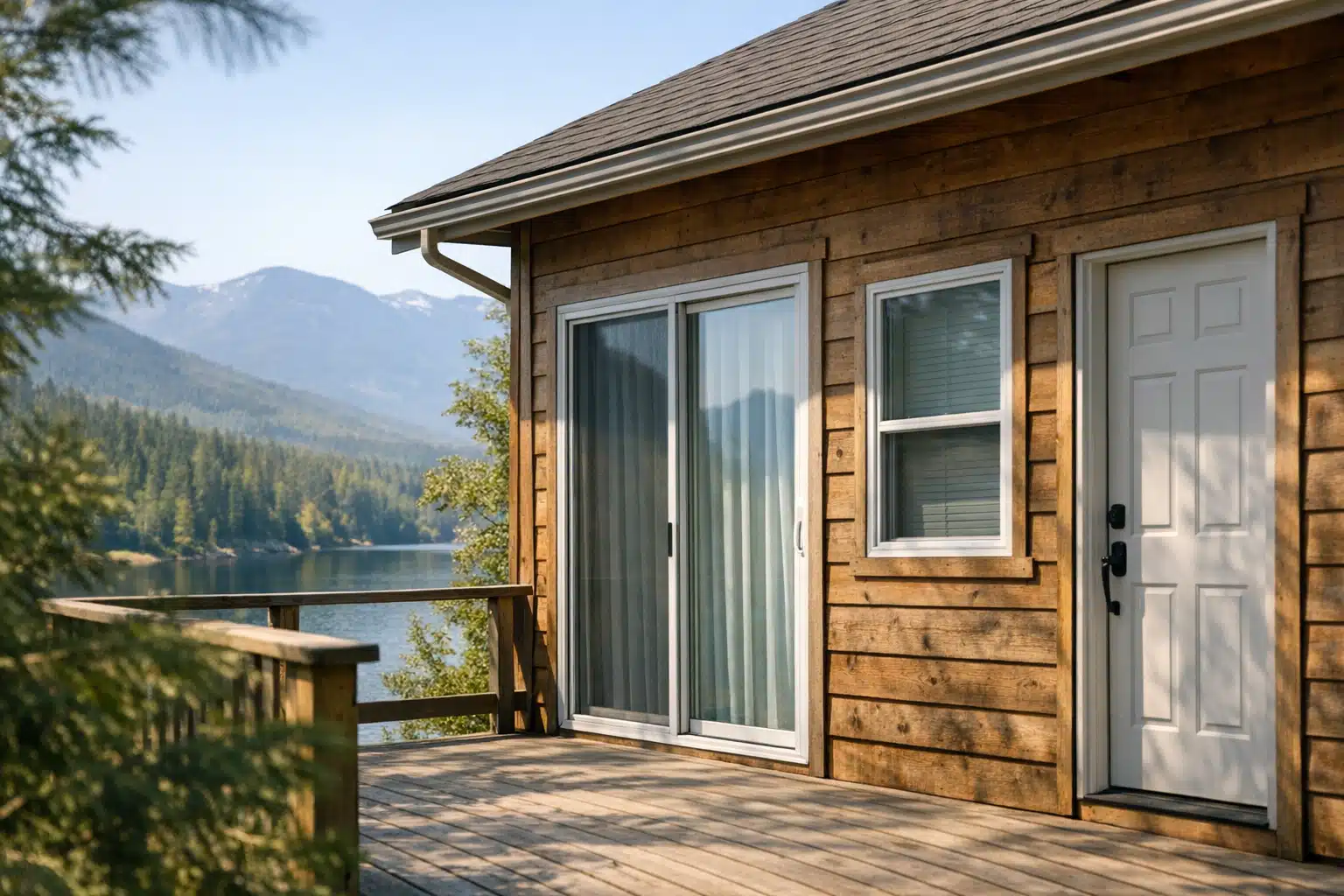
Mold can quickly develop in vacation homes during the summer due to the ideal conditions created by warmth and moisture. This guide provides essential tips for owners to prevent mold growth in their properties while they are away.
- Mold thrives in closed summer homes where moisture and warmth are present. Keeping indoor humidity below 60% is crucial for prevention.
- Regular maintenance, such as running the HVAC system and checking for leaks, can help mitigate mold risks.
- Using remote monitoring tools and having a caretaker can significantly reduce the chances of mold developing undetected.
To prevent mold in summer vacation homes, ensure proper ventilation by opening windows and using fans. Regularly check for leaks and moisture, and consider using dehumidifiers. Cleaning and removing any organic materials, such as leaves or dirt, can also help minimize mold growth when the home is unoccupied.
Mold can spread across a vacation home in as little as 48 hours, and empty summer properties give it the exact conditions it wants. When no one is around to spot the first musty smell or damp corner, small problems become expensive ones. This post covers vacation home mold prevention for owners who visit only a few weeks a year.
You will learn why summer creates high mold risk, the specific numbers to watch, and a checklist you can hand to a caretaker. The goal is a home that smells clean when you walk in, not one that greets you with black spots on the closet ceiling.
Why Vacation Homes Face Higher Mold Risk in Summer
Mold needs three things: moisture, warmth, and organic material to feed on. A closed-up summer home supplies all three at once.
Warm outdoor air carries more water vapor. When that air seeps into a cooler, unoccupied house, moisture condenses on walls, windows, and inside cabinets. Nobody is there to wipe it away or open a window.
Vacation homes carry added risk because problems go unseen for weeks:
- No daily occupancy means a slow plumbing leak can run for a month before discovery.
- HVAC systems shut off to save money, removing the only humidity control the house had.
- Mountain and lakefront locations hold more ambient moisture than dry inland properties.
- Seasonal closures trap stale, damp air behind locked doors for months.
We have walked into Colorado cabins in July where the interior smelled like a wet basement after just six weeks vacant. The cause was almost always the same: a thermostat set to “off” and windows sealed tight.
The Humidity Number That Matters Most
Keep indoor relative humidity below 60%, and aim for 30% to 50%. Mold struggles to grow in that range even when a home sits empty.
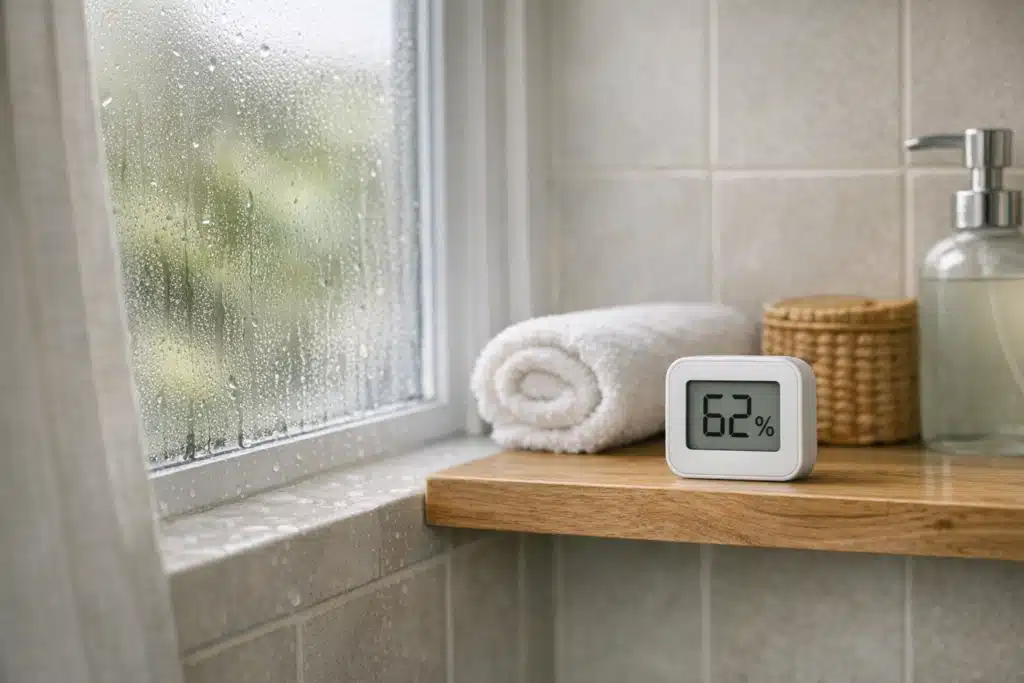
Above 60% humidity, surfaces stay damp enough for spores to take hold. Bathrooms, closets, and north-facing walls tip over that line first because they stay cool and get less airflow.
A cheap wireless hygrometer solves the guessing. Place one in the basement, one on the main floor, and one in a bathroom. Models that log data or send phone alerts let you check the house from home.
What to Do When Readings Climb
If your remote sensor reports 65% humidity, act before the next visit. A single humid week can start a colony you smell but cannot see.
- Have a caretaker run the air conditioning at 78°F for a full day.
- Switch on any installed dehumidifiers and confirm the drain is clear.
- Check bathrooms and under-sink cabinets for standing water or drips.
- Open interior doors so cool, dry air reaches closed rooms.
Vacation Home Mold Prevention You Can Set and Leave
The best protection runs without a person present. Vacation home mold prevention works when the systems keep working after you lock the door.
Run the HVAC, Don’t Shut It Off
Set the thermostat to 78°F rather than turning it off entirely. Central air conditioning pulls moisture from the air every time it cycles.
A smart thermostat lets you watch temperature and adjust it from your phone. If the system fails, some models send an alert so you can call for help before mold starts.
Install a Whole-Home or Portable Dehumidifier
A dehumidifier with a built-in pump and a hose to a drain runs for months untended. Empty-tank models stop working once the reservoir fills, which defeats the point in an empty house.
Basements and crawl spaces benefit most. Set the target to 50% and let the unit handle the rest.
Fix the Small Leaks Before You Leave
Most mold we remediate traces back to a leak nobody caught. A dripping supply line under a sink can soak a cabinet floor for weeks.
- Inspect under every sink and behind toilets for moisture.
- Check the water heater base and washing machine hoses.
- Look for water stains on ceilings below bathrooms.
- Test that the AC condensate drain flows and does not back up.
Consider a water leak detector that shuts off the main line automatically. For a home you visit twice a summer, that device pays for itself the first time it stops a burst hose.
Prepping the Home Between Visits
A short shutdown routine keeps moisture from building while you are gone. Summer home maintenance takes 30 minutes and saves thousands in remediation.
Before you leave for the season or a long stretch:
- Empty the refrigerator and prop the door open if you unplug it.
- Run exhaust fans after final showers, then confirm they vent outside.
- Pour water down unused drains to keep traps sealed against sewer gas and damp air.
- Move furniture a few inches off exterior walls to let air circulate.
- Leave closet and cabinet doors ajar so no pocket of air stays trapped.
Skip heavy drapes and stacked linens against outside walls. Fabric holds moisture and hides the first spots of growth from anyone doing a walkthrough.
Set Up Eyes on the House While You’re Away
Remote monitoring closes the biggest gap for absentee owners: time. A leak found in two days costs far less than one found in two months.
Practical tools for a home you rarely see:
- Wi-Fi water sensors placed under sinks, near the water heater, and by the washer.
- Smart thermostats that report temperature and humidity trends.
- A caretaker or neighbor who walks the property every two weeks.
Give your caretaker a one-page checklist. It should list where the water shutoff is, what humidity reading is normal, and who to call if something smells wrong.

 Posted on Google
How to Spot Mold Early on Your First Walkthrough
When you arrive after weeks away, inspect before you unpack. Early detection keeps a small area from becoming a full remediation job.
Trust your nose first. A musty, earthy smell means moisture has been active, even if you see nothing.
Then check the spots mold favors in vacation homes:
- Bathroom ceilings and grout lines.
- Window sills and the wall below them.
- Closet corners on exterior walls.
- Under-sink cabinets and behind the toilet.
- Basement or crawl space edges.
Small surface mold on non-porous tile can be cleaned. Growth on drywall, insulation, or wood framing calls for trained remediation, because the roots run deeper than the surface stain.
When to Call for Professional Remediation
Call for help when mold covers more than about 10 square feet, or when it sits on porous materials. At that point, cleaning it yourself can spread spores into rooms that were clean.
ARC Restoration handles Colorado vacation homes where the owner lives hours away. We can meet a caretaker on site, document the damage for insurance, and treat the source moisture so it does not return.
If your remote sensors flagged high humidity or a leak, we can inspect before the problem spreads across the house.
Key Takeaways for Absentee Owners
Keep indoor humidity below 60%, run the AC or a draining dehumidifier, and fix leaks before you lock up. Remote sensors and a reliable caretaker turn a two-month blind spot into a two-day response window. That combination is the foundation of vacation home mold prevention.
If you find mold on your next visit or want a moisture inspection before summer, contact ARC Restoration at 720-799-2434 (call or text) or email office@advancedrestorationcolorado.com.
Sources
- U.S. EPA – Mold Cleanup in Your Home
- U.S. EPA – A Brief Guide to Mold, Moisture and Your Home
- CDC – About Mold


