
How to Safely Use a Generator During Power Outages
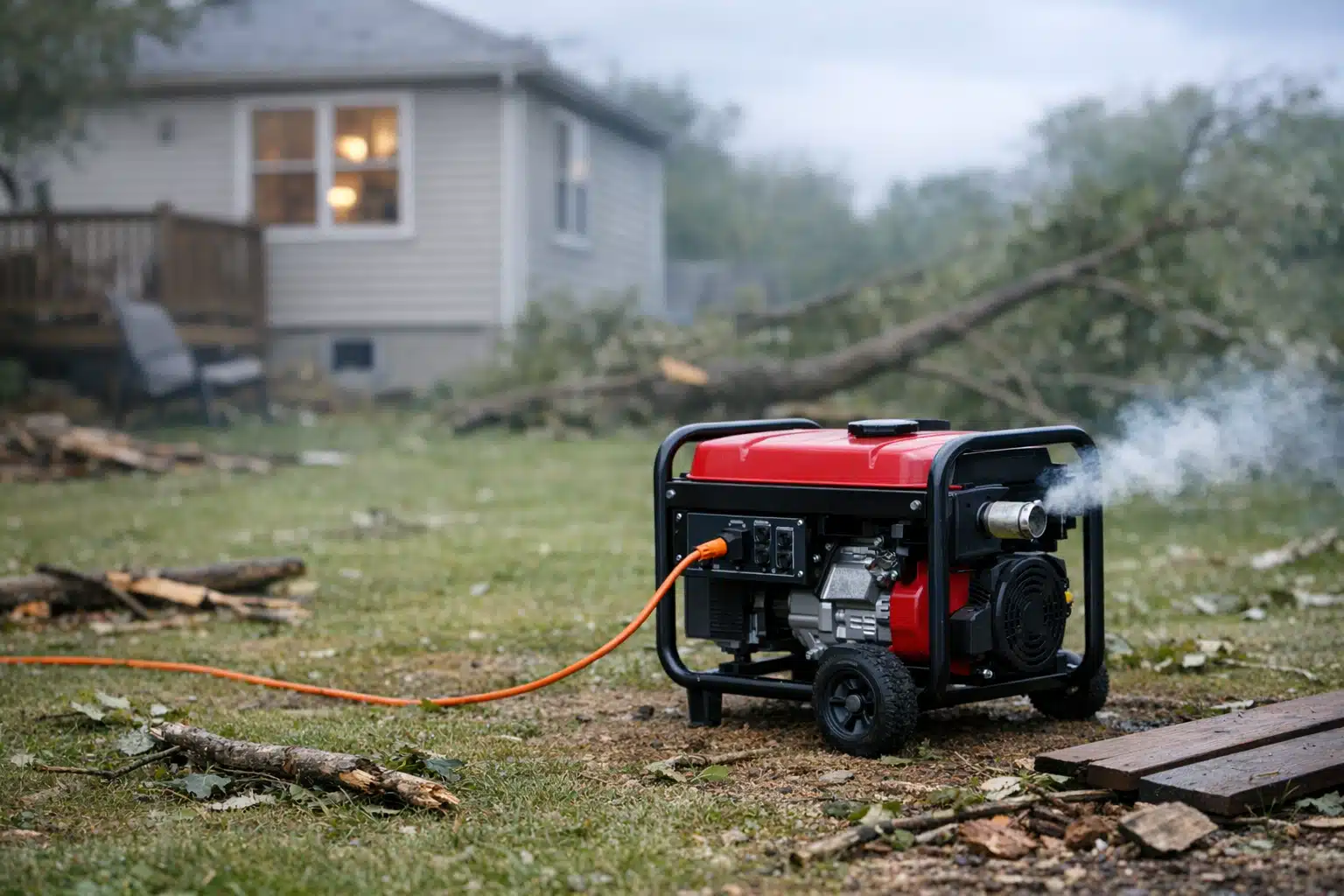
Spring storms across Colorado can knock out power for hours or days, leaving families scrambling for electricity. Generator safety becomes critical when these outages strike, as improper use kills dozens of Americans each year through carbon monoxide poisoning and electrical fires.
Safe generator operation requires specific placement distances, proper electrical connections, and carbon monoxide monitoring. This guide covers the exact steps to protect your family during spring storm power outages.
Essential Generator Safety Setup Before Operation
Generator placement determines whether your family stays safe or faces deadly carbon monoxide exposure. Position generators at least 20 feet from all doors, windows, and vents to prevent exhaust from entering your home.
Never operate generators in garages, basements, or covered patios. Carbon monoxide accumulates quickly in enclosed spaces, reaching lethal levels within minutes.
Critical Distance Requirements
Follow these specific placement measurements for safe operation:
- 20 feet minimum from house openings (doors, windows, vents)
- 15 feet minimum from neighboring homes
- 10 feet minimum from property lines
- Direct exhaust away from all structures using wind direction
Check wind direction before starting your generator. Spring storms often bring shifting winds that can blow exhaust toward your home even with proper placement.
Proper Electrical Connections and Generator Safety Protocols
Electrical connections cause the majority of generator-related fires and electrocutions. Never connect generators directly to household wiring without a transfer switch installed by a licensed electrician.
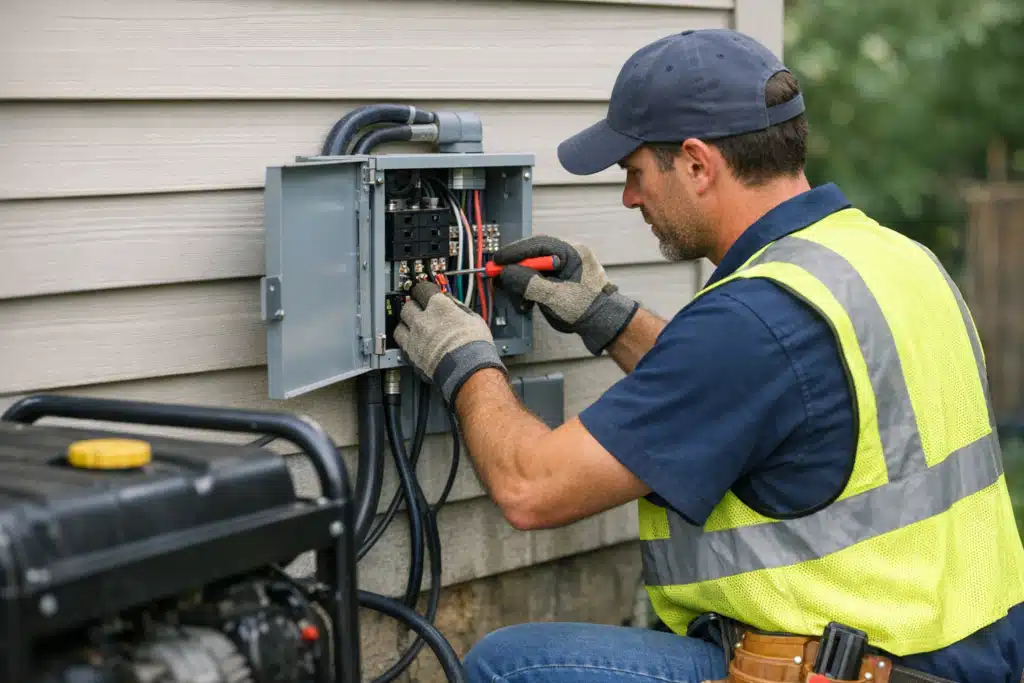
Use heavy-duty outdoor extension cords rated for your generator’s output. Lightweight indoor cords overheat and create fire hazards under generator loads.
Safe Connection Steps
- Start the generator outdoors before connecting any devices
- Plug appliances directly into generator outlets using proper cords
- Turn off appliances before shutting down the generator
- Allow generator to cool for 15 minutes before refueling
Calculate your power needs before the storm hits. Most home generators handle 3,000-7,500 watts, enough for refrigerators, lights, and essential electronics but not whole-house heating systems.
Carbon Monoxide Prevention During Power Outages
Carbon monoxide from generators kills more people than all other generator hazards combined. This odorless gas causes headaches, dizziness, and death within hours of exposure.
Install battery-powered carbon monoxide detectors on every level of your home before storm season. Test monthly and replace batteries twice yearly.
Warning Signs of Carbon Monoxide Poisoning
Recognize these symptoms immediately and evacuate if they occur during generator use:
- Headaches and dizziness
- Nausea and vomiting
- Chest pain and confusion
- Flu-like symptoms affecting multiple family members
Call 911 immediately if anyone shows these symptoms during generator operation. Move everyone to fresh air and do not re-enter the home until emergency responders clear the area.
Fuel Storage and Handling Safety
Gasoline vapors ignite easily and cause severe burns and property damage. Store fuel in approved containers away from living spaces and ignition sources.
Refuel generators only when completely cool to prevent fuel ignition from hot engine parts. Spilled gasoline on hot surfaces creates immediate fire danger.
Proper Fuel Storage Guidelines
- Use only approved gasoline containers with proper labels
- Store fuel in detached garages or outdoor sheds
- Keep containers away from water heaters, furnaces, and electrical panels
- Replace stored gasoline every 12 months to prevent engine damage
Add fuel stabilizer to stored gasoline to prevent gum formation that clogs generator engines. Spring storms often arrive unexpectedly, leaving no time for fuel system cleaning.
Weather Protection for Generators
Colorado spring storms bring snow, rain, and hail that damage generators and create electrocution hazards. Protect generators from moisture while maintaining proper ventilation for safe operation.
Use generator covers or canopies designed for outdoor use. Never enclose generators completely, as this creates carbon monoxide buildup and overheating.
Weather-Safe Generator Setup
Create weather protection that maintains safety clearances:
- Position generators under open-sided canopies or tarps
- Ensure exhaust flows freely away from covered areas
- Keep electrical connections dry using weatherproof outlet covers
- Maintain ventilation on all sides for cooling airflow
Wet generators create electrocution risks. Wait for equipment to dry completely before operation if exposed to precipitation.

 Posted on Google
Generator Maintenance for Emergency Readiness
Spring storm season demands generators start immediately when power fails. Regular maintenance prevents equipment failure during critical moments.
Test generators monthly by running them for 30 minutes under load. This prevents fuel system problems and identifies mechanical issues before emergencies strike.
Pre-Storm Maintenance Checklist
- Check oil level and change if dark or thick
- Inspect air filter and clean or replace as needed
- Test fuel system by running generator for 30 minutes
- Verify carbon monoxide detectors have fresh batteries
- Inspect extension cords for damage or wear
Replace spark plugs annually and clean fuel systems before storing generators for extended periods. Ethanol in modern gasoline damages fuel system components when left untreated.
Emergency Response Planning
Create written emergency plans that include generator safety procedures for all family members. Practice setup procedures before storms arrive to prevent mistakes under pressure.
Designate specific family members to handle generator operations and ensure they understand all safety requirements. Children and untrained adults should never operate generators.
Keep emergency contact numbers accessible during power outages, including local emergency services and poison control (1-800-222-1222 for carbon monoxide exposure).
Professional Generator Installation Benefits
Permanently installed standby generators eliminate many safety risks associated with portable units. These systems start automatically during outages and include built-in safety features.
Professional installation includes proper electrical connections, automatic transfer switches, and code-compliant placement that prevents carbon monoxide hazards.
Safe generator operation protects your family from carbon monoxide poisoning, electrical fires, and fuel-related accidents during spring storm power outages. Proper placement, electrical connections, and maintenance ensure reliable emergency power when you need it most.
When generator accidents cause property damage or safety concerns, contact ARC Restoration at 720-799-2434 for professional cleanup and restoration services. Visit https://advancedrestorationcolorado.com to learn more about our emergency response capabilities.
Sources
- U.S. Consumer Product Safety Commission – Carbon Monoxide Safety
- CDC – Generator Safety and Carbon Monoxide Prevention
- American Red Cross – Generator Safety Tips
This guide provides essential safety tips for using generators during power outages caused by spring storms in Colorado. It emphasizes the importance of proper placement, electrical connections, and carbon monoxide monitoring to protect families from hazards.
- Generators should be placed at least 20 feet from doors and windows to avoid carbon monoxide exposure. Proper electrical connections are crucial to prevent fires and electrocutions.
- Regular maintenance, including monthly testing and checking fuel systems, ensures generators function when needed.
- Families should create emergency plans that include generator safety procedures and designate responsible individuals for operation.
To safely use a generator during power outages, place it outdoors in a well-ventilated area to prevent carbon monoxide buildup. Always use heavy-duty extension cords rated for outdoor use, and never connect the generator directly to your home's wiring. Follow the manufacturer's instructions for safe operation and maintenance.


