
Top Spring Home Renovations to Prevent Future Water Damage
Water damage claims cost homeowners an average of $11,000 per incident, yet most could be prevented with strategic home renovations. Spring presents the perfect opportunity to tackle projects that safeguard your property before heavy rains and summer storms arrive.
This guide reveals six specific home renovations that create multiple barriers against water intrusion. Each project addresses common failure points we encounter during restoration calls.
Foundation Waterproofing and Drainage Systems
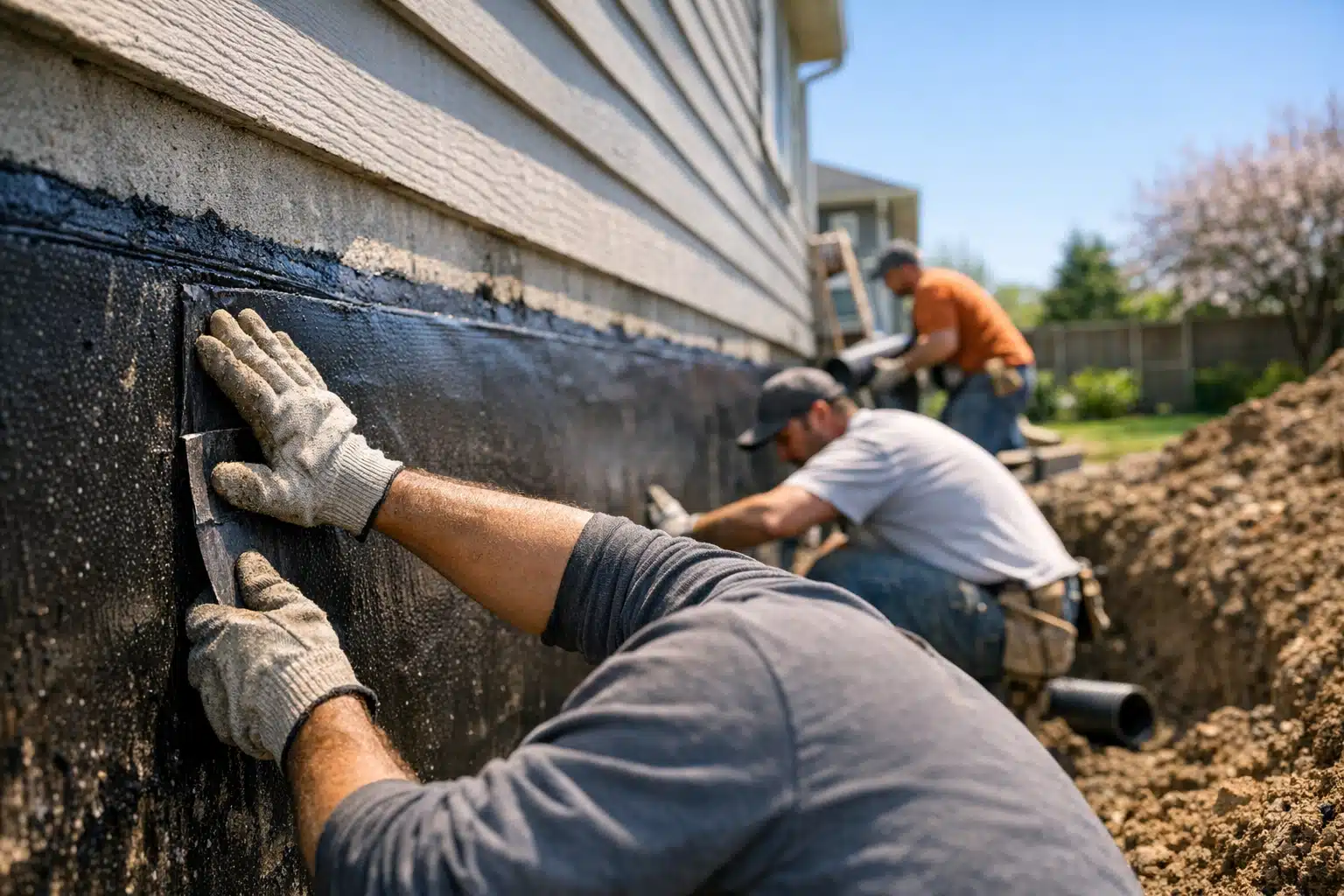
Foundation waterproofing stops water at its most destructive entry point. Basement floods cause extensive damage because water spreads quickly across large areas and seeps into structural materials.
Spring renovation should focus on three foundation elements:
- Exterior waterproof membrane installation: Applied directly to foundation walls before backfilling
- French drain systems: Perforated pipes that redirect groundwater away from the foundation
- Sump pump upgrades: Battery backup systems prevent failures during power outages
Properties built before 1980 often lack adequate foundation protection. Modern waterproofing materials last 25-30 years compared to older tar-based coatings that fail within a decade.
Roof and Gutter System Upgrades
Roof failures account for 40% of residential water damage claims. Spring inspections reveal winter damage before minor issues become major problems.
Critical Roof Renovation Areas
Flashing replacement around chimneys, vents, and skylights prevents the most common leak sources. Metal flashing degrades faster than roofing materials, creating gaps that allow water penetration.
Ice dam prevention requires proper attic insulation and ventilation. Ridge vents combined with soffit vents create airflow that maintains consistent roof temperatures.
Gutter System Improvements
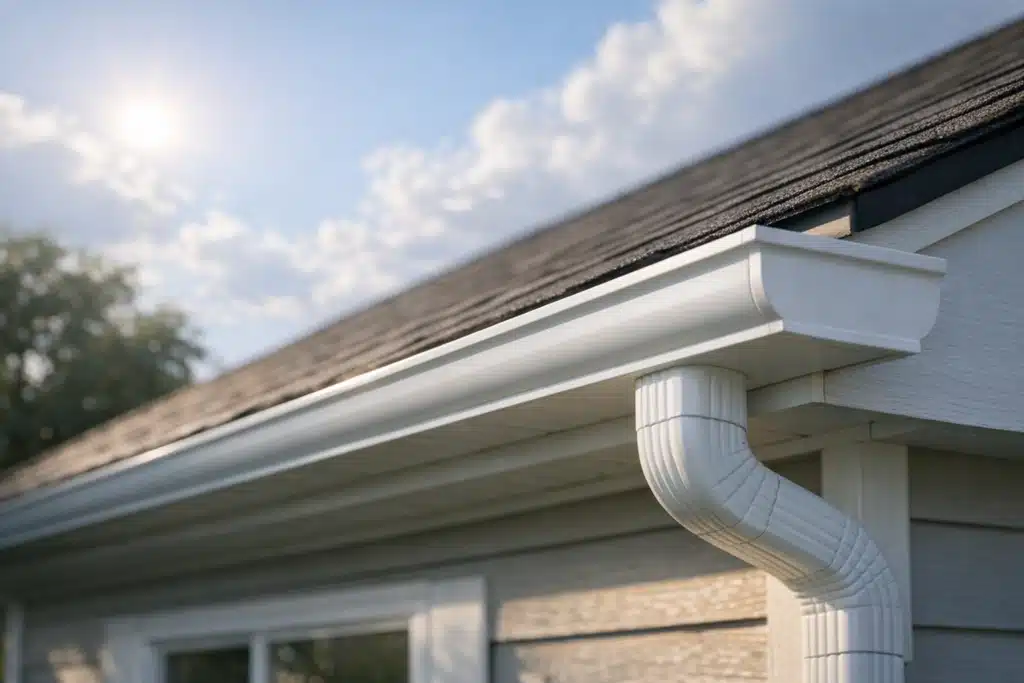
Seamless gutters eliminate joint failures that cause overflow. Proper gutter sizing handles Colorado’s intense summer thunderstorms better than standard 5-inch systems.
- 6-inch gutters for roofs over 2,500 square feet
- Downspout extensions that carry water 10 feet from the foundation
- Gutter guards that prevent debris buildup without restricting water flow
Window and Door Seal Renovations
Window leaks develop gradually, making them difficult to detect until damage spreads to wall cavities. Spring home renovations should include comprehensive seal inspections and upgrades.
Caulk replacement around window frames requires removing old material completely. Partial caulking creates channels where water collects and penetrates deeper into wall systems.
Door Threshold and Weather Stripping
Entry doors experience the most weather exposure. Threshold replacement prevents water from seeping under doors during wind-driven rain.
Sliding patio doors need special attention to track drainage. Blocked weep holes cause water to back up into the door frame and adjacent walls.
Plumbing System Upgrades for Water Damage Prevention
Hidden plumbing leaks cause more damage than burst pipes because they go undetected for months. Strategic plumbing renovations eliminate high-risk components before they fail.
Supply Line Replacements
Polybutylene pipes installed between 1978 and 1995 have a 70% failure rate. These gray plastic pipes become brittle and crack without warning.
Water heater supply lines require flexible connectors rated for thermal expansion. Rigid connections crack as the tank heats and cools daily.
Whole-House Water Monitoring
Smart water monitors detect leaks within minutes and automatically shut off water supply. These systems prevent minor leaks from becoming major floods.
- Flow sensors that identify unusual usage patterns
- Pressure monitors that detect sudden drops indicating pipe breaks
- Automatic shutoff valves that stop water flow when leaks are detected
HVAC and Ventilation Improvements
Poor ventilation creates moisture problems that lead to mold growth and structural damage. Spring HVAC renovations should address humidity control and air circulation.
Bathroom and Kitchen Exhaust Systems
Bathroom fans must move 1 CFM per square foot of floor space to prevent moisture buildup. Undersized fans allow humidity to condense on surfaces and penetrate building materials.
Kitchen range hoods need exterior venting to remove moisture from cooking. Recirculating models don’t eliminate water vapor that can damage cabinets and walls.
Basement Dehumidification
Basement humidity above 50% promotes mold growth and wood rot. Whole-house dehumidifiers integrated with HVAC systems maintain consistent moisture levels.
Crawl space encapsulation with vapor barriers prevents ground moisture from entering the home. This renovation reduces humidity throughout the house and improves indoor air quality.

 Posted on Google
Landscaping and Grading for Water Management
Proper grading directs water away from the house before it can cause foundation problems. Spring landscaping projects should prioritize drainage over aesthetics.
Slope and Surface Materials
Ground slope should drop 6 inches over the first 10 feet from the foundation. Insufficient slope allows water to pool against basement walls and seep through cracks.
Permeable paving materials reduce runoff while maintaining proper drainage. Gravel driveways and walkways allow water infiltration instead of directing flow toward the house.
Plant Selection and Placement
Large trees planted too close to the house create multiple water risks. Root systems can crack foundation walls and sewer lines.
- Plant trees at least 20 feet from the foundation
- Choose native plants that don’t require excessive watering
- Create rain gardens in low areas to collect and filter runoff
Prioritizing Your Spring Renovation Projects
Budget constraints require prioritizing renovations based on risk and cost. Foundation and roof issues cause the most expensive damage and should receive immediate attention.
Start with a comprehensive home inspection to identify existing problems. Address active leaks before beginning preventive renovations to avoid wasting effort on cosmetic fixes.
DIY vs. Professional Installation
Simple caulking and weatherstripping projects suit DIY renovation. Foundation waterproofing and electrical work require professional expertise to ensure proper installation.
Permit requirements vary by project scope. Major plumbing and electrical renovations need permits and inspections to meet local building codes.
Long-Term Maintenance After Renovation
Regular maintenance extends renovation lifespan and maintains water damage prevention. Create seasonal inspection schedules for gutters, seals, and drainage systems.
Document renovation dates and warranty information for future reference. This information helps insurance adjusters process claims and guides future maintenance decisions.
These strategic home renovations create multiple barriers against water intrusion while increasing property value. Professional installation ensures renovations meet current building standards and provide long-term protection.
If water damage has already occurred, immediate professional restoration prevents secondary damage and mold growth. Contact ARC Restoration at 720-799-2434 for emergency water damage restoration throughout Colorado.
Sources
- Insurance Institute for Business & Home Safety – Water Damage Research
- EPA – Moisture Control in Homes
- FEMA – Flood Damage Prevention Guidelines
Spring is an ideal time for homeowners to undertake renovations that prevent water damage before the heavy rains and summer storms arrive. This guide outlines key projects that address common vulnerabilities in homes, ensuring long-term protection against water intrusion.
- Foundation waterproofing and drainage systems are essential to stop water at its most damaging entry points. Upgrading gutters and roofs can significantly reduce the risk of leaks and water damage claims.
- Window and door seal renovations help prevent leaks that can lead to extensive damage in wall cavities. Plumbing upgrades, including replacing old pipes, are crucial to avoid hidden leaks.
- Landscaping and grading should prioritize proper drainage to direct water away from the foundation. Regular maintenance after renovations is necessary to ensure ongoing protection against water damage.
The best spring home renovations to prevent water damage include upgrading gutters and downspouts, sealing foundation cracks, installing a sump pump, and enhancing drainage systems. These projects help protect your home from potential water damage caused by heavy rains and storms, ultimately saving homeowners significant repair costs.


