
Preparing Your Home for Severe Spring Weather
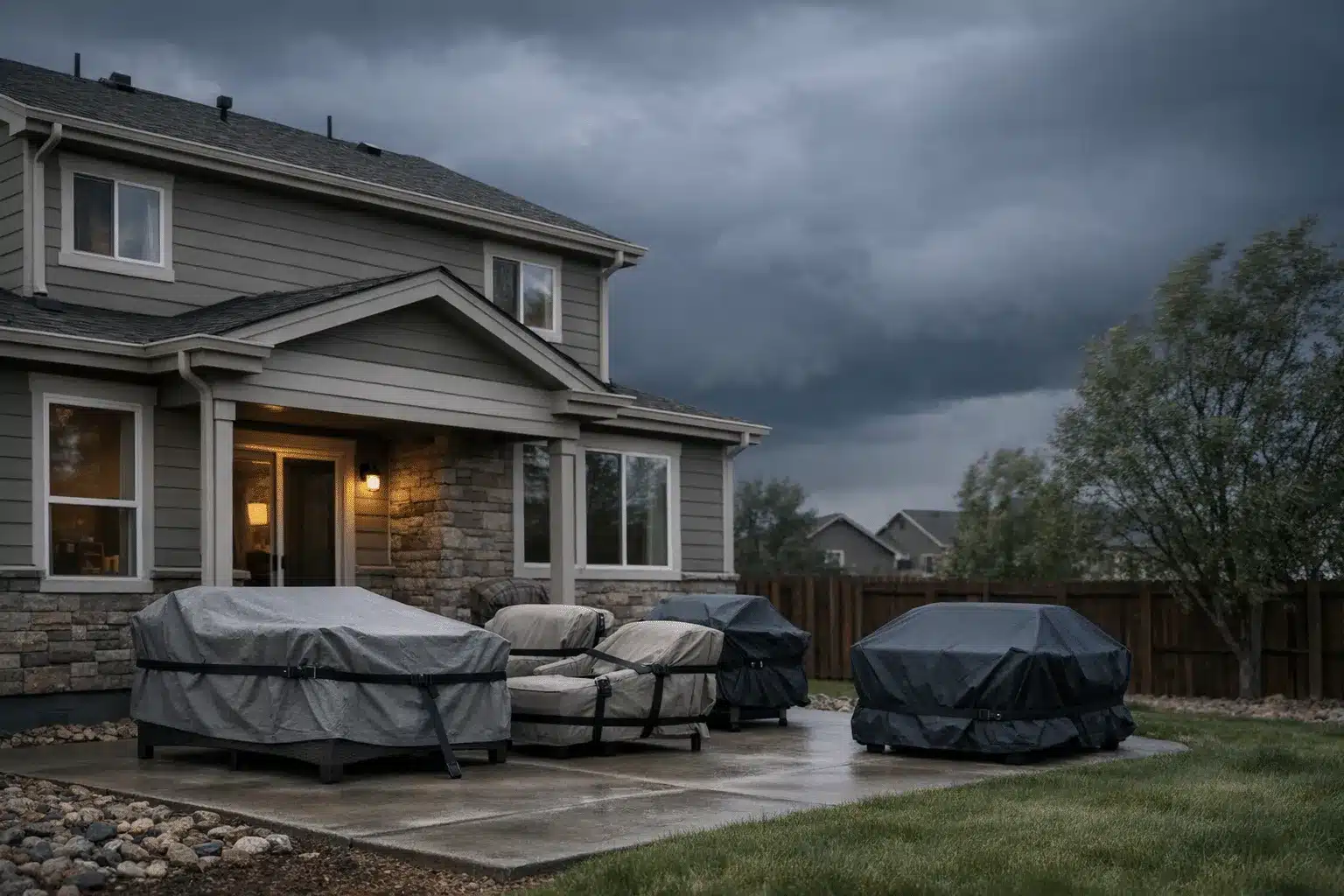
Spring storms arrive with little warning across Colorado. These weather events bring powerful winds, hail, and heavy rain that can cause significant property damage.
Homeowners can take specific steps to prepare for spring storms before severe weather strikes. This guide covers the most important preparations to protect your property and family.
Understanding Spring Weather Risks in Colorado
Colorado experiences some of the most severe spring weather in the United States. The state sees an average of 60 tornadoes annually, with peak activity occurring between April and June.
Hailstorms pose another major threat during spring months. These storms can produce golf ball-sized hail that damages roofs, siding, and vehicles within minutes.
Heavy rainfall often accompanies spring storms, leading to flash flooding and basement water damage. Wind speeds can exceed 70 mph, turning loose outdoor items into dangerous projectiles.
How to Prepare for Spring Storms: Outdoor Areas
Securing your property’s exterior is the first line of defense against storm damage. Start by walking around your home to identify potential hazards.

Secure Loose Items
Remove or anchor any items that strong winds could lift and throw:
- Patio furniture – Store in garage or basement, or use heavy-duty tie-downs
- Garden decorations – Bring lightweight items indoors before storms arrive
- Trash cans – Secure with bungee cords or move to protected areas
- Children’s toys – Store trampolines, playsets, and sports equipment in sheds
- Grills and outdoor equipment – Move to covered areas or anchor securely
Tree and Landscape Maintenance
Trees cause significant property damage when spring storms hit unprepared homes. Schedule professional tree trimming to remove dead or weak branches before storm season begins.
Check trees for signs of disease or structural weakness. Remove any trees that lean toward your home or show signs of root damage.
Protecting Your Home’s Structure
Your roof and exterior walls face the greatest risk during severe spring weather. Regular maintenance prevents small issues from becoming major problems during storms.
Roof Inspection and Maintenance
Inspect your roof twice yearly, focusing on these critical areas:
- Check shingles for cracks, curling, or missing pieces
- Examine flashing around chimneys, vents, and skylights
- Clear debris from gutters and downspouts
- Test gutter attachment points and repair loose sections
- Trim tree branches that hang over the roof
Clean gutters allow proper water drainage during heavy rainfall. Clogged gutters can cause water to back up under roof shingles, leading to interior water damage.
Window and Door Protection
Strong winds can shatter windows and force doors open during severe storms. Install storm shutters or keep plywood sheets cut to fit each window.
Check door and window seals for gaps that could allow wind-driven rain to enter. Replace weatherstripping as needed to maintain tight seals.
Creating an Emergency Preparedness Plan
Home readiness extends beyond physical preparations to include emergency planning. Every family member should know what to do when severe weather threatens.
Emergency Supply Kit
Assemble supplies before storm season arrives. Store these items in a waterproof container:
- Water – One gallon per person per day for three days
- Non-perishable food – Three-day supply for each family member
- Battery-powered radio – For weather updates if power fails
- Flashlights and extra batteries – Multiple sources of light
- First aid kit – Include prescription medications
- Important documents – Copies stored in waterproof bags
- Cash – ATMs may not work during power outages
Communication Plan
Establish how family members will contact each other if separated during severe weather. Choose an out-of-state contact person who can relay messages between family members.
Program emergency contact numbers into all family cell phones. Include local emergency services, utility companies, and ARC Restoration for post-storm damage assessment.

 Posted on Google
Indoor Safety Preparations
Identify the safest areas in your home for different types of severe weather. Practice moving to these locations quickly with all family members.
Safe Room Selection
Choose interior rooms on the lowest floor of your home, away from windows and exterior walls. Basements provide the best protection from tornadoes and high winds.
If you don’t have a basement, select a small interior room such as a bathroom or closet. Avoid large rooms with wide roofs that could collapse.
Utility Safety
Know how to shut off electricity, gas, and water at main valves. Label these locations clearly so any family member can find them quickly.
Keep tools needed to shut off utilities in easily accessible locations. Teach all adults in your household how to operate these shutoffs safely.
Post-Storm Safety and Recovery
The period immediately following severe spring weather poses unique dangers. Downed power lines, unstable structures, and contaminated water create safety hazards.
Wait for authorities to declare areas safe before venturing outside. Watch for downed power lines and assume all lines are energized and dangerous.
Document storm damage with photographs before making any repairs. Contact your insurance company immediately to report damage and begin the claims process.
Professional Damage Assessment
Water damage and structural issues may not be immediately visible after storms pass. Professional assessment identifies hidden damage that could worsen over time.
ARC Restoration provides emergency response services to assess and mitigate storm damage. Quick action prevents secondary damage like mold growth and structural deterioration.
Conclusion
Preparing your home for severe spring weather requires both physical preparations and emergency planning. Securing outdoor items, maintaining your roof and gutters, and creating emergency supplies significantly reduce storm damage risks.
Regular maintenance and preparation protect your investment and keep your family safe when severe weather strikes. Taking these steps now prevents much more expensive repairs later.
If severe weather damages your home, contact ARC Restoration immediately at 720-799-2434 for professional damage assessment and restoration services.
Sources
- Ready.gov – Severe Weather Preparedness
- National Weather Service – Spring Weather Safety
- FEMA – Build an Emergency Supply Kit
Homeowners in Colorado can take proactive steps to prepare for severe spring storms, which often bring damaging winds, hail, and heavy rain. This guide outlines essential preparations to safeguard property and family.
- Secure outdoor items like patio furniture and children's toys to prevent them from becoming projectiles during storms.
- Regularly inspect and maintain your roof and gutters to prevent water damage and ensure proper drainage.
- Assemble an emergency supply kit and establish a communication plan for your family to follow during severe weather events.
To prepare your home for severe spring weather, secure loose outdoor items, inspect your roof for damage, and clean gutters to prevent water buildup. Additionally, ensure windows and doors are properly sealed and consider installing storm shutters for extra protection against high winds and hail.


