
Water Damage Restoration
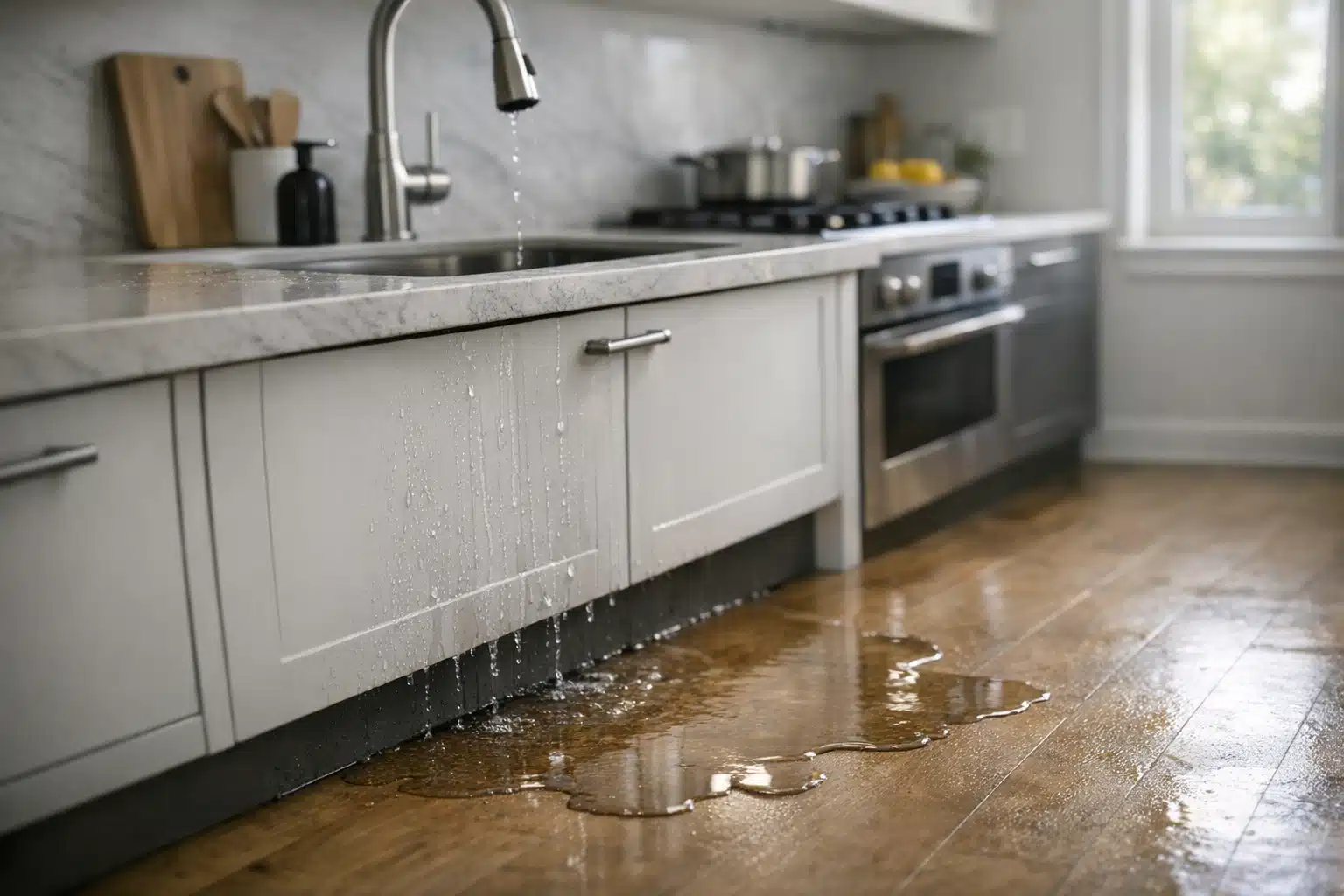
How to Spot and Prevent Water Damage in Your Kitchen
A small puddle beneath your kitchen sink can turn into a $15,000 repair nightmare faster than you might expect. Kitchen water damage accounts for nearly 30% of all residential water damage claims, making it the second most common source after bathrooms. Your kitchen contains more water sources and potential failure points than any other room except your bathroom. From dishwashers and garbage disposals to refrigerator ice makers and multiple plumbing connections, each component presents a unique risk profile. Early Warning Signs of Kitchen Water Damage Catching water damage early can save you thousands in repair costs. Most homeowners miss these [...]
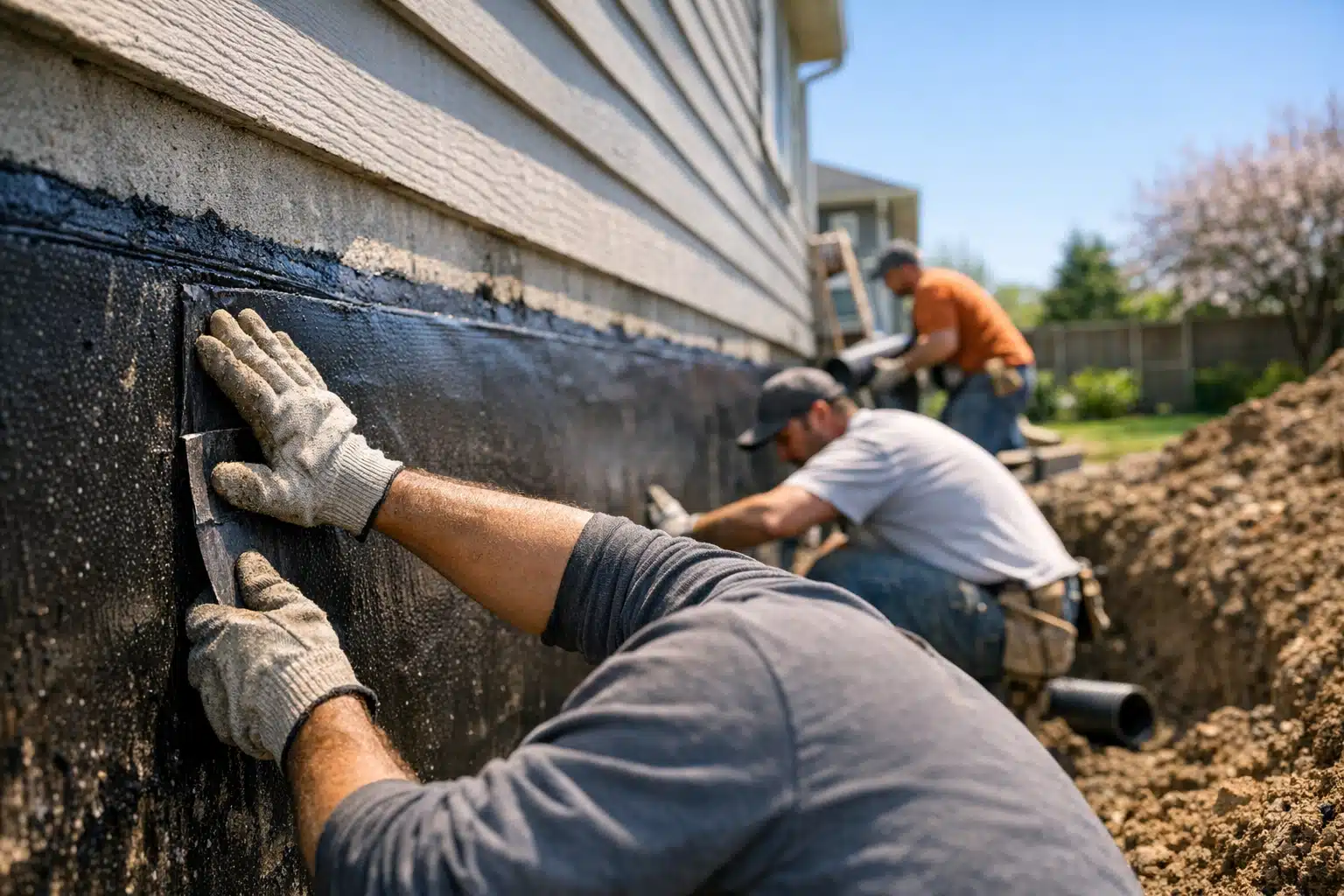
Top Spring Home Renovations to Prevent Future Water Damage
Water damage claims cost homeowners an average of $11,000 per incident, yet most could be prevented with strategic home renovations. Spring presents the perfect opportunity to tackle projects that safeguard your property before heavy rains and summer storms arrive. This guide reveals six specific home renovations that create multiple barriers against water intrusion. Each project addresses common failure points we encounter during restoration calls. Foundation Waterproofing and Drainage Systems Foundation waterproofing stops water at its most destructive entry point. Basement floods cause extensive damage because water spreads quickly across large areas and seeps into structural materials. Spring renovation should focus [...]
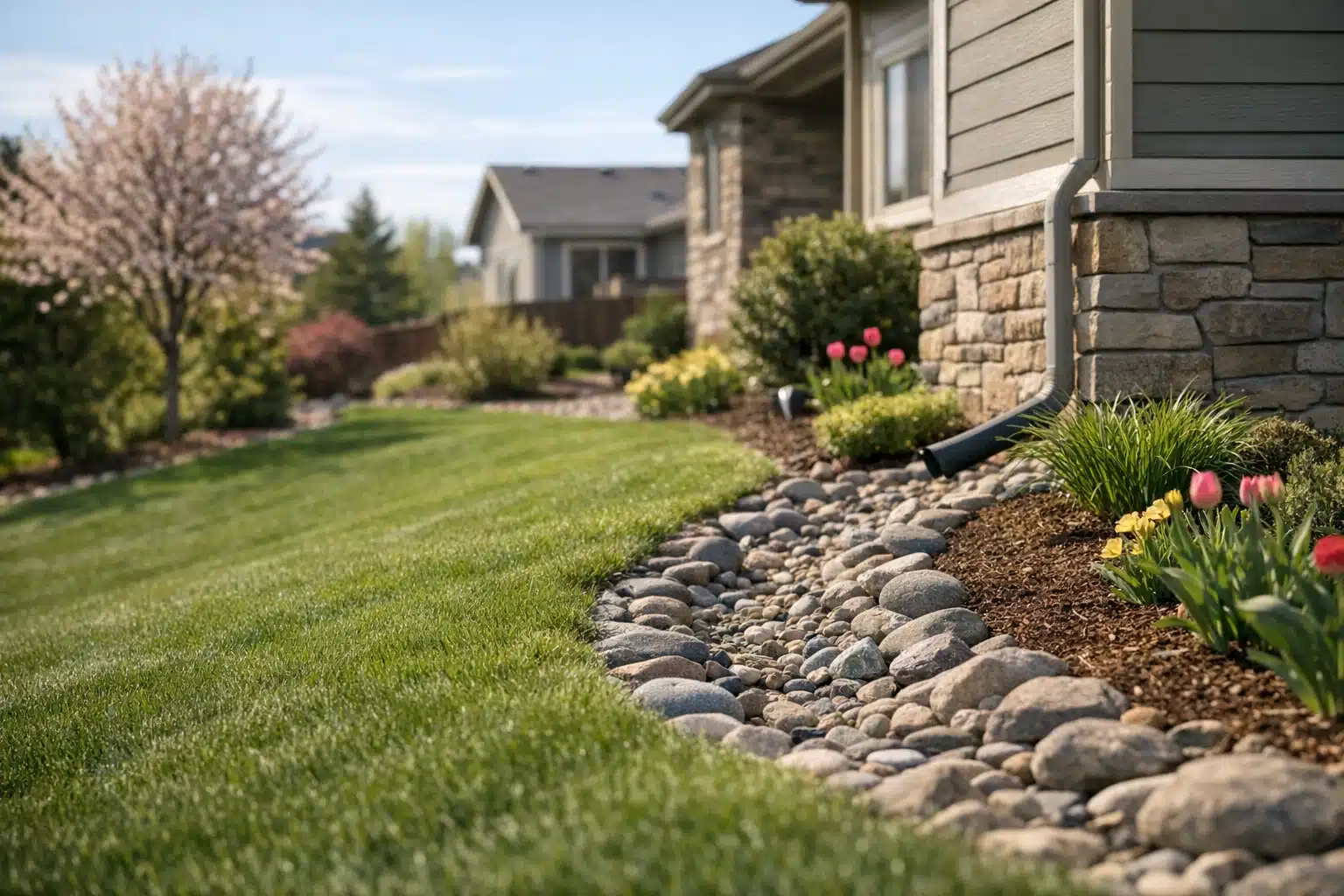
Spring Landscaping Tips to Protect Your Home from Water Damage
Poor landscaping causes 70% of residential water damage that happens during spring snowmelt and heavy rains. The ground around your home either protects your foundation or funnels water straight into your basement. These landscaping tips will help you create a defense system that keeps water where it belongs—away from your house. Spring is the perfect time to implement these changes before Colorado's unpredictable weather patterns arrive. Grade Your Property to Direct Water Flow Proper grading creates a slope that moves water away from your foundation at a rate of 6 inches over the first 10 feet. This grade prevents water [...]
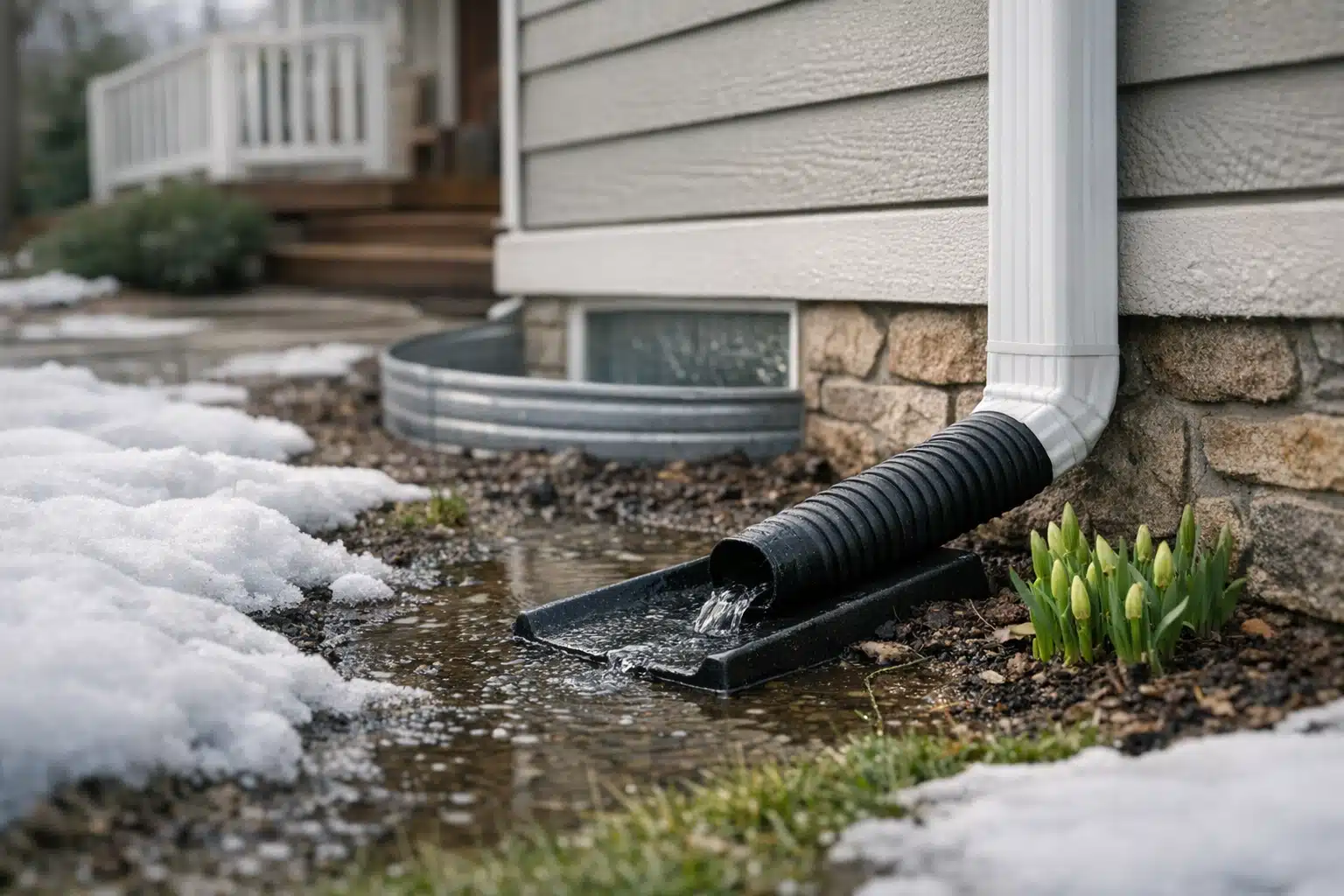
Spring Checklist for Preventing Water Damage in Your Home
Spring snowmelt and heavy rains create the perfect storm for water damage in Colorado homes. Your home's winter defenses may have weakened, leaving vulnerable spots that could cost thousands in repairs. This comprehensive spring checklist for water damage prevention walks you through the most critical maintenance tasks. Each step targets specific seasonal threats that emerge as temperatures rise and precipitation patterns shift. Exterior Foundation and Drainage Inspection Foundation cracks expand during freeze-thaw cycles, creating new entry points for spring water. Walk around your home's perimeter and look for hairline cracks wider than a quarter-inch or any gaps where water could [...]

Carpet Cushion Types and Dry-Out Decisions
The type of carpet cushion determines whether wet padding can be dried or must be replaced. In water damage situations, technicians evaluate both the cushion material: bonded urethane, prime urethane, rubber, or fiber, and the level of contamination based on IICRC S500 standards. Highly absorbent materials like bonded foam and fiber often require replacement, especially with contaminated water, while less absorbent options like rubber or prime foam may be salvageable under limited conditions. Fast, informed decisions are critical, as moisture, contamination, and time all directly impact mold growth, health risks, and long-term restoration outcomes. Understanding Carpet Cushion Materials and Their [...]
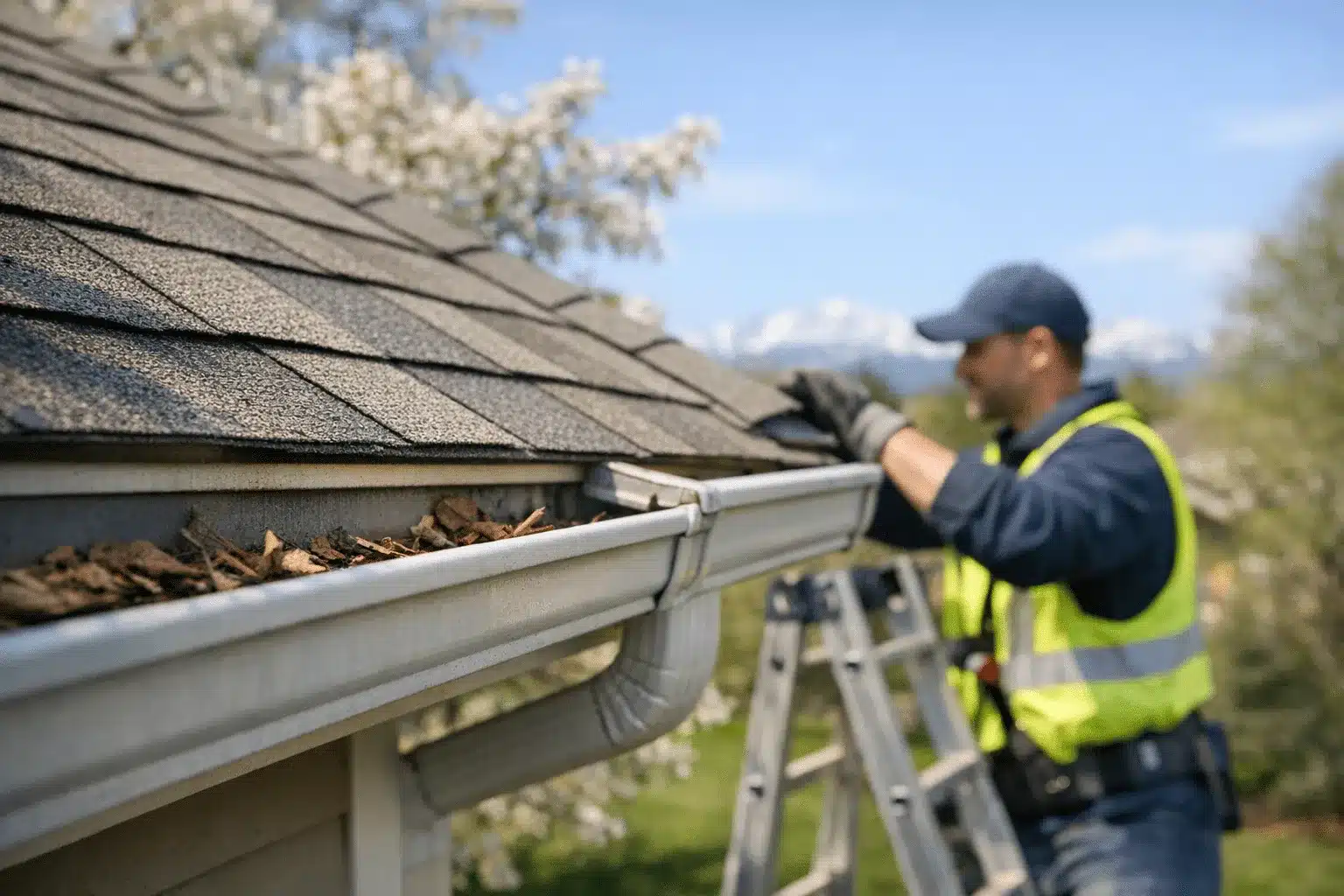
Why Spring is the Ideal Time for Gutter Maintenance
Winter weather takes a heavy toll on your gutters, leaving behind debris, ice damage, and clogged downspouts that threaten your home's foundation. Spring arrives as the perfect window for comprehensive gutter maintenance before Colorado's unpredictable weather patterns intensify. This seasonal timing allows homeowners to address winter damage while preparing for spring rains and summer storms. Understanding why spring offers ideal conditions for gutter care helps protect your property from costly water damage. Why Winter Damage Makes Spring Gutter Maintenance Critical Colorado winters subject gutters to freeze-thaw cycles that create multiple problems requiring immediate attention. Ice dams form when snow melts [...]

Thermal Imaging in Water Detection: What It Finds and What It Doesn’t
Thermal imaging has become a go-to tool in modern water damage inspections, offering a fast, non-invasive way to spot potential hidden moisture. By revealing subtle temperature differences across walls, ceilings, and floors, these cameras can point inspectors toward areas that may be affected. But while the technology is powerful, it’s not foolproof, and it doesn’t actually “see” water. Understanding what thermal imaging can and can’t do is key to avoiding misdiagnosis and ensuring accurate results. In this guide, we’ll break down how thermal imaging works, where it excels, and where it falls short so you know what to expect during [...]
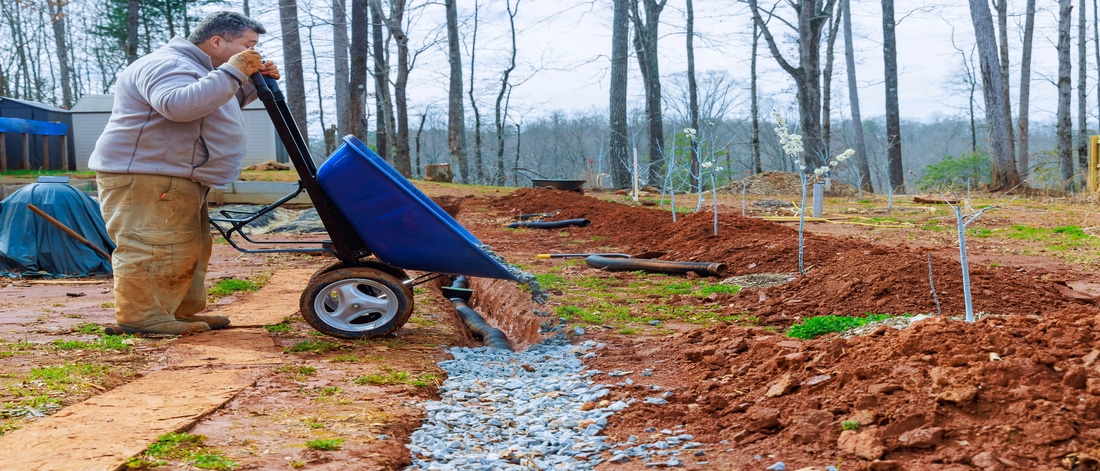
Stormwater Management for Sloped Lots: Keep Runoff Away from Foundations
Homes built on sloped lots face a unique drainage challenge: gravity naturally pulls rainwater downhill, often directing runoff toward the home’s foundation. Without proper stormwater management, this water can collect around basement walls and footings, creating hydrostatic pressure that leads to leaks, soil erosion, and long-term structural damage. Building codes require the ground around a home to slope away from the foundation for this reason, but grading alone is not always enough on steep properties. Effective drainage systems are essential to capture, redirect, and safely move stormwater away from the structure, protecting both the foundation and the surrounding landscape. Understanding [...]
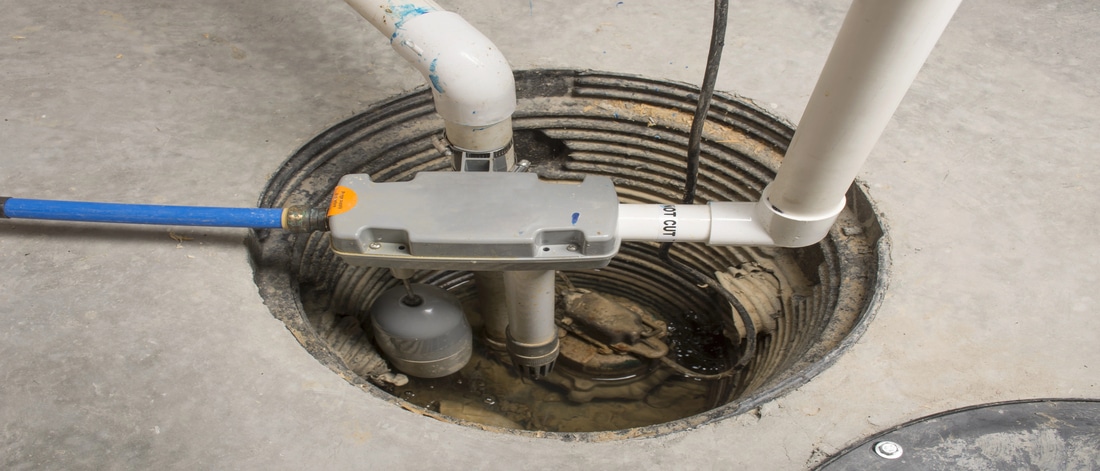
Sump Pump Sizing & Redundancy: Backup Systems for Denver Basements
Denver’s clay-heavy soil and fluctuating groundwater make proper sump pump sizing critical for basement protection. Standard formulas based only on square footage often fall short, leading to flooding when pumps lack enough capacity, lift height, or backup support. Effective sump pump systems in Denver must be designed for site-specific conditions, including soil drainage, groundwater levels, basement depth, and stormwater runoff. For many homes, this means pairing a properly sized primary pump with a reliable backup system to ensure protection during power outages, mechanical failures, or extreme weather events. Understanding Denver's Unique Basement Water Challenges Denver’s mile-high location and semi-arid climate [...]
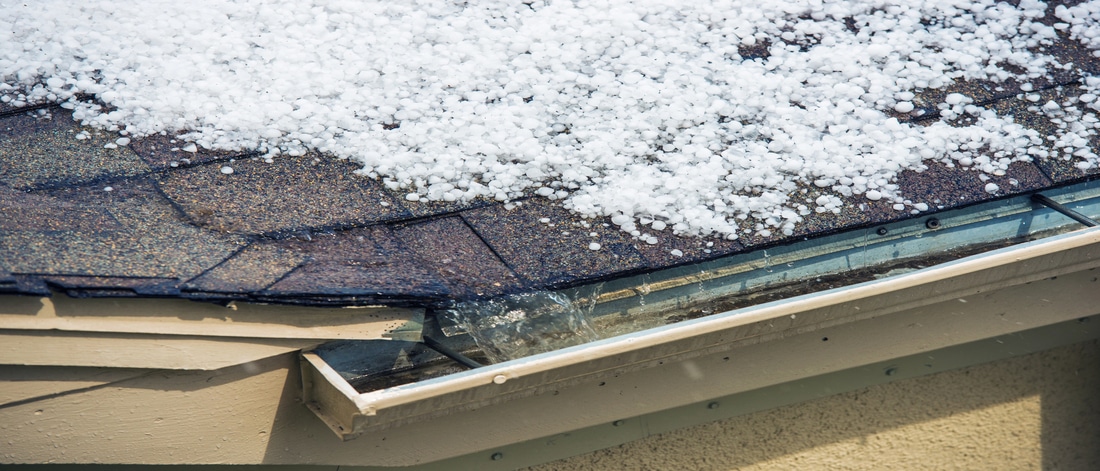
Hailstorms and Hidden Water Intrusion: How Roof Impacts Lead to Interior Damage
Hailstorms that produce stones larger than one inch can damage a roof far beyond what is visible from the ground. When hail strikes with significant force, it can fracture asphalt shingle layers, loosen protective granules, tear waterproof membranes, and bend or crack metal flashing. These impacts often create tiny openings in the roofing system that allow rainwater to penetrate beneath the surface. Because this damage is frequently hidden, it may go unnoticed until moisture begins moving through the roof decking, insulation, and structural framing. Over time, that trapped moisture can lead to interior water stains, mold growth, and costly structural [...]
Services
Recent Post
Dealing with Lingering Odors After Water Extraction
The water is gone, the [...]
Preparing Your Home for Late Summer Wildfires
August and September mark the [...]
How to Prevent Water Damage from Summer Storm Runoff
Colorado's July and August afternoons [...]


