
Water Damage Restoration
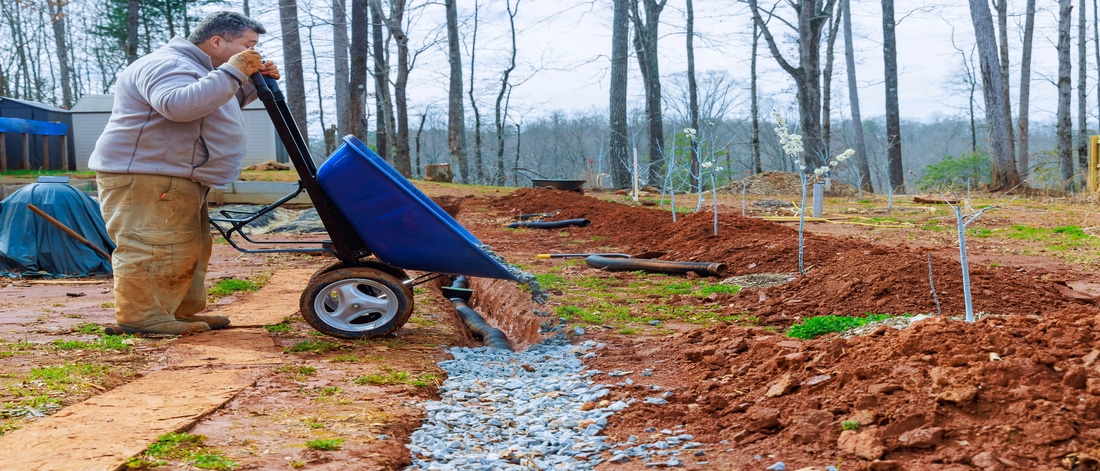
Stormwater Management for Sloped Lots: Keep Runoff Away from Foundations
Homes built on sloped lots face a unique drainage challenge: gravity naturally pulls rainwater downhill, often directing runoff toward the home’s foundation. Without proper stormwater management, this water can collect around basement walls and footings, creating hydrostatic pressure that leads to leaks, soil erosion, and long-term structural damage. Building codes require the ground around a home to slope away from the foundation for this reason, but grading alone is not always enough on steep properties. Effective drainage systems are essential to capture, redirect, and safely move stormwater away from the structure, protecting both the foundation and the surrounding landscape. Understanding [...]
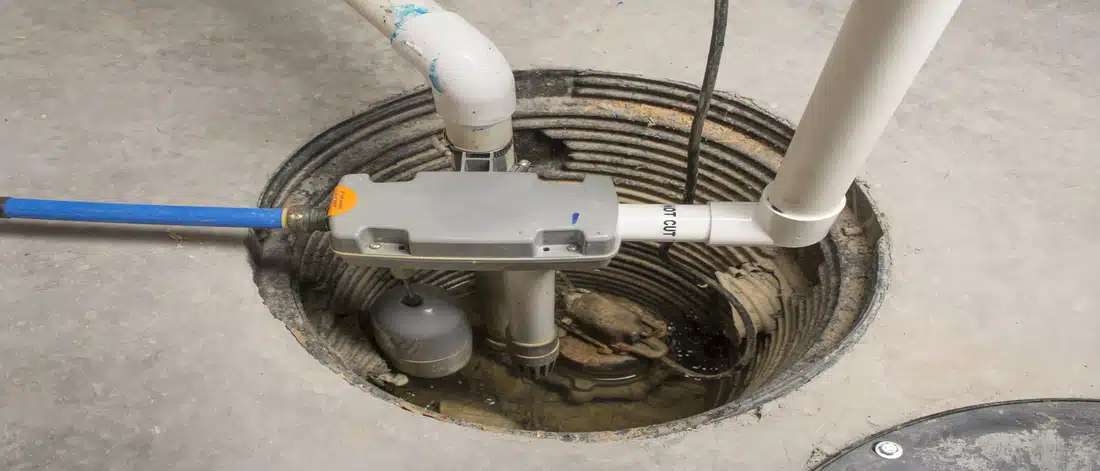
Sump Pump Sizing & Redundancy: Backup Systems for Denver Basements
Denver’s clay-heavy soil and fluctuating groundwater make proper sump pump sizing critical for basement protection. Standard formulas based only on square footage often fall short, leading to flooding when pumps lack enough capacity, lift height, or backup support. Effective sump pump systems in Denver must be designed for site-specific conditions, including soil drainage, groundwater levels, basement depth, and stormwater runoff. For many homes, this means pairing a properly sized primary pump with a reliable backup system to ensure protection during power outages, mechanical failures, or extreme weather events. Understanding Denver's Unique Basement Water Challenges Denver’s mile-high location and semi-arid climate [...]
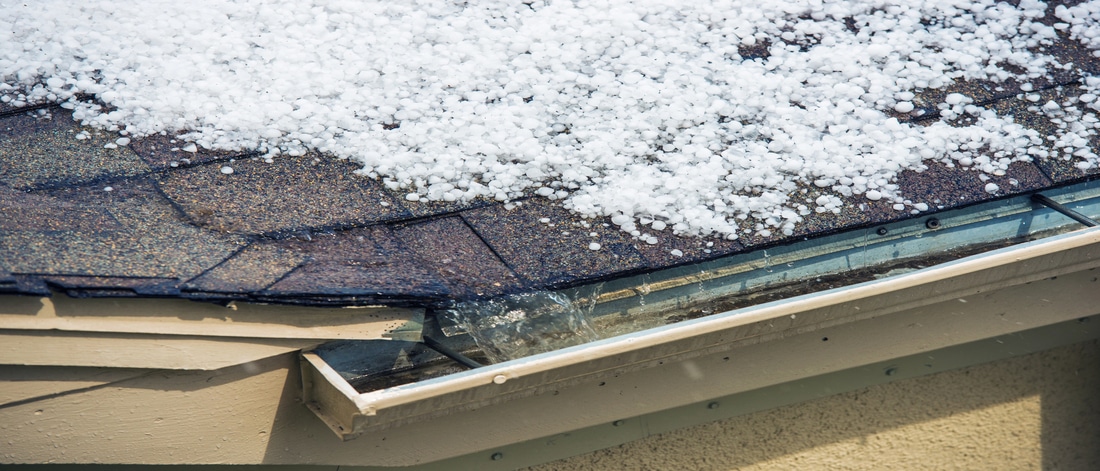
Hailstorms and Hidden Water Intrusion: How Roof Impacts Lead to Interior Damage
Hailstorms that produce stones larger than one inch can damage a roof far beyond what is visible from the ground. When hail strikes with significant force, it can fracture asphalt shingle layers, loosen protective granules, tear waterproof membranes, and bend or crack metal flashing. These impacts often create tiny openings in the roofing system that allow rainwater to penetrate beneath the surface. Because this damage is frequently hidden, it may go unnoticed until moisture begins moving through the roof decking, insulation, and structural framing. Over time, that trapped moisture can lead to interior water stains, mold growth, and costly structural [...]
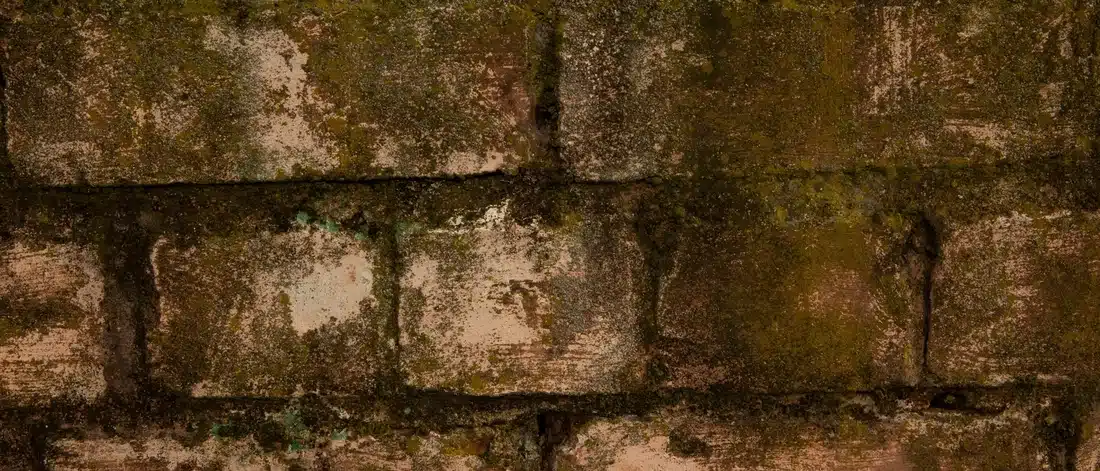
Water Intrusion Through Window Wells: Fixes That Actually Work
Water intrusion through window wells is one of the most common and most misunderstood causes of basement flooding. These recessed areas around basement windows are designed to keep soil away from the glass, but when they’re poorly installed or improperly maintained, they can quickly become collection points for rainwater and groundwater. As water builds up in the well, it presses against window frames and foundation walls, eventually forcing its way into the basement. Left unaddressed, window well leaks can cause serious and costly damage. Repeated moisture exposure weakens foundations, accelerates freeze-thaw deterioration, and creates ideal conditions for mold growth. Because [...]

Subfloor Moisture and Buckling Floors: Assessment to Restoration
When you notice your beautiful hardwood floors beginning to warp or buckle, it’s a clear sign of a deeper problem. While the visible damage is on the surface, the true culprit often lies beneath: subfloor moisture. This hidden issue is responsible for a significant number of flooring failures, costing contractors and homeowners an astonishing $2.4 billion annually in remediation and repairs. Water trapped in the subfloor can compromise the structural integrity of your entire flooring system in a matter of weeks, leading to costly and complex repairs. This comprehensive guide will walk you through the entire process, from understanding the [...]

Dishwasher Leak Under the Cabinet: Dry-Out Without Trashing the Kitchen
A dishwasher leak under your cabinet can damage the wood structure, create mold growth, and cost thousands in repairs. The U.S. Environmental Protection Agency (EPA) states that wet materials must dry within 24-48 hours to stop mold spores from spreading. Water damage experts measure moisture levels in wood with meters that show percentages. Cabinet wood, subflooring, and drywall become unsalvageable when moisture content rises above 15-19%. Water leaks fall into categories based on contamination level. Clean water from supply lines starts as Category 1, but becomes Category 2 (greywater) after 48 hours of contact with building materials. Category 2 water contains bacteria [...]
What Is Category 3 Water? A Plain-English Walkthrough of IICRC Classifications
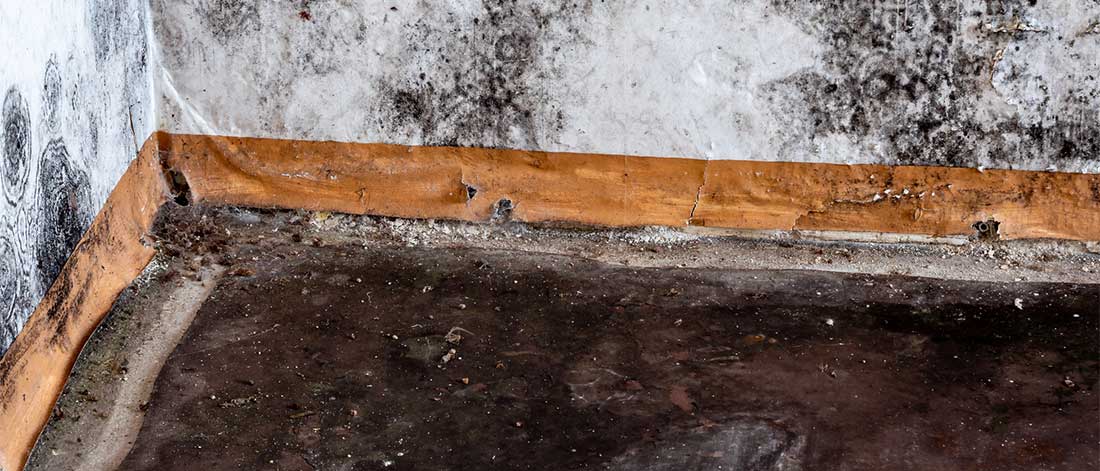
When water damage strikes, not all water is created equal. The Institute of Inspection, Cleaning and Restoration Certification (IICRC) classifies water into three categories based on contamination levels and health risks, guiding restoration professionals in safety and cleanup methods. Category 3 water, the most hazardous type, contains harmful bacteria, viruses, fungi, and chemical contaminants, requiring immediate professional intervention with specialized equipment and strict safety protocols. Understanding these classifications helps property owners respond effectively to floods, sewage backups, and insurance claims while ensuring restoration work is safe, thorough, and compliant with industry standards. Understanding the IICRC Water Damage Classification System The [...]

Water in the Light Fixture
Finding water in a light fixture is more than a home maintenance issue; it’s a serious electrical and safety hazard. When moisture reaches live wiring, it can cause electrical shocks, short circuits, or even house fires. Acting quickly and safely is essential to protect your home and family. In this guide, ARC Restoration explains what to do first, how to identify where the water is coming from, and when to call in licensed electricians and restoration professionals to fix the problem and prevent costly future damage. Immediate Safety Steps: Cut the Power First When you find water in a light [...]

Evaporative (Swamp) Cooler Leaks: Early Signs and Water Damage Prevention
Evaporative coolers, often called swamp coolers, rely on a continuous flow of water to operate efficiently, but that same water can cause major damage if leaks go unnoticed. Small issues in the water supply line, float valve, distribution tubes, or bottom pan can quickly lead to ceiling stains, mold growth, and structural deterioration. Many homeowners don’t recognize the early warning signs, like puddles near the unit, rust spots, mineral buildup, or unexplained increases in water bills, until the damage is already extensive. By catching these symptoms early and performing simple maintenance tasks such as tightening fittings, replacing gaskets, and cleaning [...]
How Long Should I Run a Dehumidifier After a Water Leak?
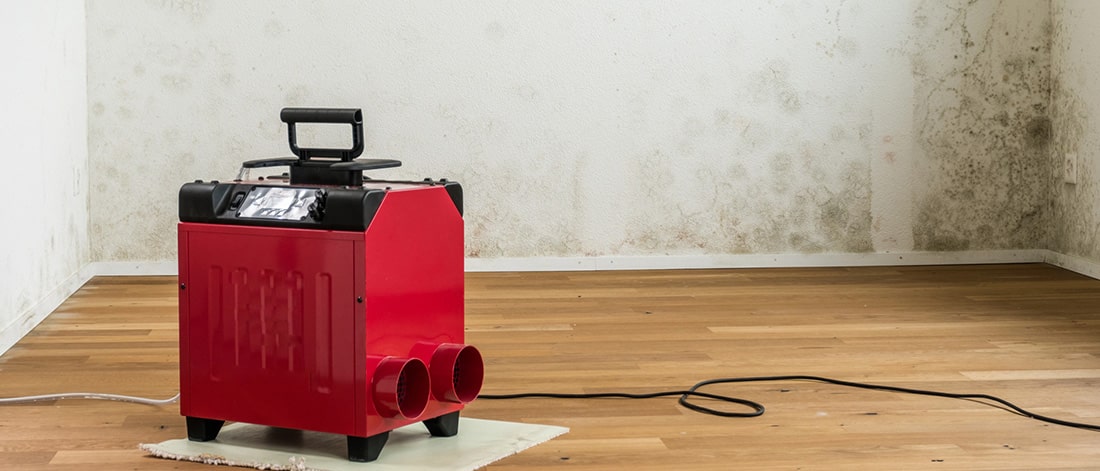
If water leaks into your home, you need to use a dehumidifier to dry things out. This helps stop mold and keeps your house safe. How long you run the dehumidifier depends on a few things: how much water there is, the size of the room, and how humid it is at first. Usually, you might keep it on for 1 to 3 days. But every situation is different. It’s important to know these details so you can do a good job of drying and keeping your home in good shape. What is a Dehumidifier? A dehumidifier is a machine [...]
Services
Recent Post
How to Safely Remove Snow and Ice from Your Roof
Heavy snow accumulation on your [...]
Stormwater Management for Sloped Lots: Keep Runoff Away from Foundations
Homes built on sloped lots [...]
Sump Pump Sizing & Redundancy: Backup Systems for Denver Basements
Denver’s clay-heavy soil and fluctuating [...]


