
How to Identify and Fix Summer Storm Damage Quickly
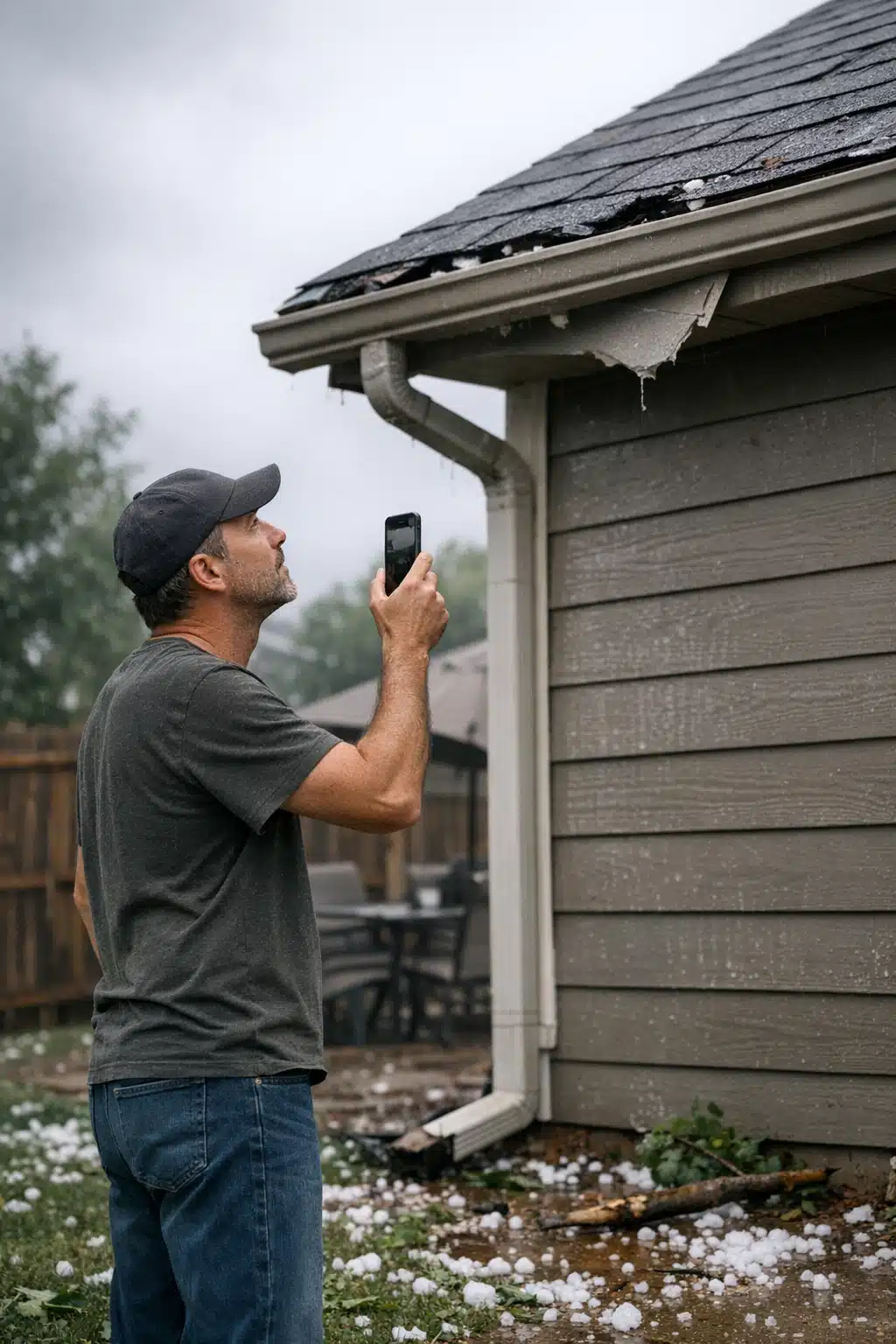
This guide provides essential steps for identifying and repairing summer storm damage quickly to prevent costly repairs. Homeowners learn to check for visible and hidden damage, emphasizing the importance of rapid action after a storm.
- The first 24 hours after a storm are critical for minimizing damage and repair costs. Homeowners should document all damage with photos before making any repairs.
- Visible signs of damage include roof dents, cracked windows, and interior water stains. Hidden issues like trapped moisture and compromised roof underlayment can cause problems later.
- Taking preventive measures before storm season, such as cleaning gutters and inspecting roofs, can significantly reduce future damage risks.
To identify and fix summer storm damage quickly, inspect your property for visible signs like hail dents, leaks, or flooding. Address any issues within the first 24 hours to prevent further damage. Document the damage for insurance claims and prioritize repairs based on severity to minimize costs.
A single Colorado summer storm can drop hail the size of golf balls and flood a basement in under an hour. The first 24 hours after a storm decide whether you face a minor fix or a five-figure repair bill. This post shows you how to handle summer storm damage repair from the moment the sky clears.
You will learn what to check first, which signs point to hidden damage, and how to act before water and mold spread. Speed matters more than most homeowners realize.
Why Fast Summer Storm Damage Repair Matters
Water and moisture cause the most expensive secondary damage after a storm. Drywall wicks water upward within hours. Mold colonies can start growing in 24 to 48 hours on wet materials.
Acting quickly limits the spread and lowers your total repair cost. A wet ceiling caught early costs far less than a collapsed one caught late.
Insurance also rewards fast action. Most policies require you to prevent further damage after an event. Waiting days can weaken your claim.
Damage Identification: The First Walkthrough
Damage identification starts the moment conditions are safe. Wait until lightning stops and standing water near electrical panels clears. Then walk your property with your phone camera ready.
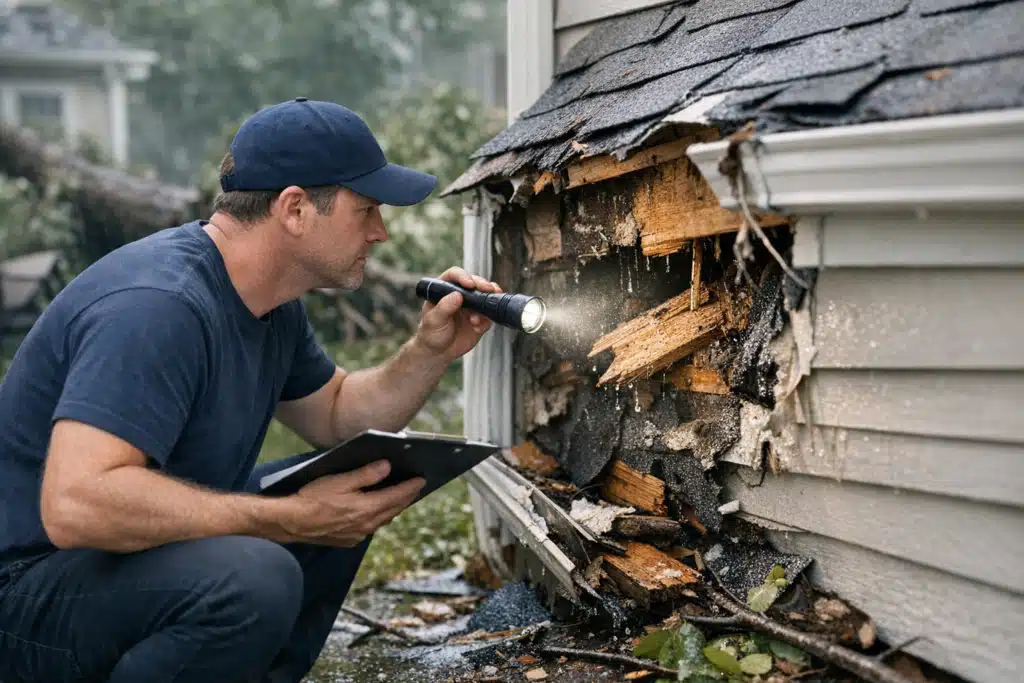
Roof and Exterior Signs
Roofs take the hardest hit in Front Range hailstorms. Check from the ground first, then from a ladder only if safe.
- Dented gutters or downspouts — a clear hail marker
- Granules in gutters — shingles shedding their protective coating
- Cracked or bruised shingles — soft spots that fail later
- Bent or torn flashing around chimneys and vents
- Damaged siding with cracks, holes, or dents
Hail bruises are easy to miss. Press a shingle gently. A spongy feel means the mat underneath cracked.
Window and Door Signs
Wind-driven hail cracks glass and warps frames. Look for chipped panes, damaged screens, and gaps where water can enter. A door that suddenly sticks may point to shifted framing.
Interior Water Signs
Interior damage shows up hours after the storm passes. Walk every room and look up.
- Brown or yellow ceiling stains spreading outward
- Bubbling or peeling paint on walls and ceilings
- Damp carpet near exterior walls
- A musty smell in closets, basements, or attics
- Warped wood flooring or lifting laminate
Check your attic with a flashlight. Wet insulation and dark roof decking mean water is already inside.
How to Fix Summer Storm Damage Quickly: Step by Step
Follow this order to protect your home and your insurance claim. Each step reduces the chance of secondary damage.
- Document everything first. Photograph and video all damage before you touch it. Capture wide shots and close-ups with timestamps.
- Stop active water entry. Place buckets under drips. Move furniture away from wet areas.
- Cover roof breaches. Use a tarp weighted at the edges if a shingle section is gone. Do this only if the roof is safe to reach.
- Remove standing water. Use a wet vac or pump for basement flooding. Standing water below three inches still ruins drywall and flooring.
- Boost airflow. Run fans and a dehumidifier to dry wet materials fast.
- Board broken windows. Cover openings with plywood to keep rain and debris out.
- Call your insurer. Report the claim and give them your photos.
- Bring in a restoration team. Hidden moisture inside walls needs meters and equipment to find and dry.
Do not throw away damaged items before your adjuster reviews them. Set ruined belongings aside in a dry spot.
Hidden Damage Homeowners Miss After Colorado Storms
Some of the worst summer storm damage stays out of sight. These problems surface weeks later as leaks, mold, or sagging ceilings.
Trapped Moisture Inside Walls
Water travels sideways behind drywall. A stain in one corner can mean saturation three feet away. Moisture meters find what your eyes cannot.
Compromised Roof Underlayment
Hail can damage the layer beneath your shingles without breaking the surface. That layer is your last barrier against leaks. A roof that looks fine may still let water in during the next storm.
Attic Condensation and Mold
Wet attic insulation holds moisture for days. Combined with Colorado’s summer heat, it creates ideal mold conditions. Check attics within 48 hours of any major storm.
Foundation and Grading Issues
Heavy rain pools against foundations when grading slopes the wrong way. Water then seeps into basements and crawl spaces. Watch for new cracks and damp corners after each downpour.

 Posted on Google
When to Call a Restoration Team Instead of DIY
Small fixes like tarping a window are fine for homeowners. Larger damage needs equipment and training you may not have on hand.
Call a restoration team when you see any of the following:
- Standing water covering more than a small area
- Sewage or contaminated water backing up during floods
- Sagging ceilings that may collapse
- Mold growth larger than a few square feet
- Electrical hazards near wet areas
ARC Restoration uses industrial dehumidifiers, air movers, and moisture mapping to dry structures fully. Surface drying alone leaves moisture that feeds mold later.
Protecting Your Home Before the Next Storm
Prevention shrinks the damage from the next event. A few checks each season lower your risk.
- Clean gutters and downspouts before storm season peaks
- Trim tree limbs hanging over your roof
- Reslope soil so it drains away from the foundation
- Test your sump pump and add a battery backup
- Inspect your roof each spring for loose shingles
These steps take an afternoon and save thousands. Colorado’s hail season runs hard from April into September.
Key Takeaways
Fast summer storm damage repair keeps small problems from becoming major ones. Document damage, stop water entry, and start drying within the first day. Hidden moisture inside walls and attics causes the costliest surprises, so check them early.
If your home took a hit this storm season, ARC Restoration can assess damage and start drying fast. Call or text 720-799-2434, email office@advancedrestorationcolorado.com, or visit https://advancedrestorationcolorado.com.
Sources
- EPA – Mold Cleanup in Your Home
- FEMA – Protect Your Property from Flooding
- Ready.gov – Thunderstorms & Lightning


