
Preparing Your Home for Pollen Season to Prevent Allergies
Spring arrives in Colorado with blooming trees and rising pollen counts that can turn your home into an allergy battleground. Smart home preparation before pollen season peaks can reduce indoor allergen levels by up to 40%.
This guide covers specific home maintenance steps that create barriers against pollen infiltration. You’ll learn how to seal your home’s weak points and maintain clean indoor air throughout allergy season.
Understanding Pollen’s Path Into Your Home
Pollen enters homes through three primary routes: air gaps around doors and windows, HVAC system intake, and attachment to clothing and pets. Each pathway requires different prevention strategies.
Door and window gaps allow direct pollen entry during breezy spring days. Even small gaps around window frames can admit thousands of pollen particles hourly when outdoor concentrations peak.
Your HVAC system pulls outdoor air inside, carrying pollen directly into living spaces. Without proper filtration, this becomes the largest source of indoor allergens during high pollen days.
Sealing Your Home’s Weak Points Before Pollen Season
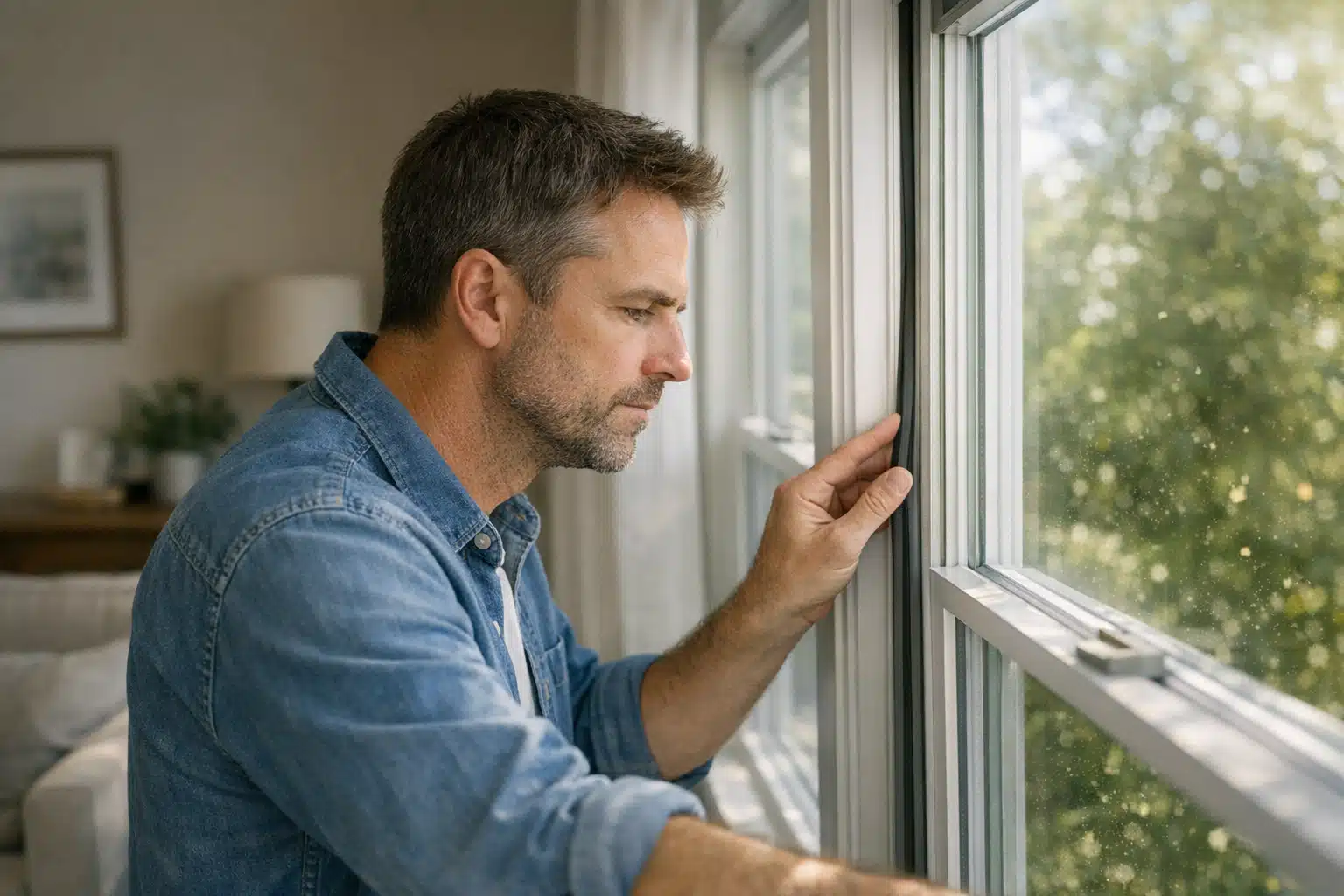
Weather stripping inspection should happen in late winter, before tree pollen season begins in March. Look for gaps, cracks, or worn seals around all exterior doors and windows.
Critical Areas to Check
- Window frames – Run your hand along edges to feel for air movement
- Door thresholds – Check for light visible under closed doors
- Sliding door tracks – Remove debris and verify seal integrity
- Basement windows – Often overlooked but major pollen entry points
- Attic access panels – Loose panels allow pollen into upper floors
Replace worn weather stripping with adhesive foam strips or rubber seals. This $20-50 investment can reduce pollen infiltration significantly compared to professional sealing services costing hundreds.
Upgrading Your Air Filtration System
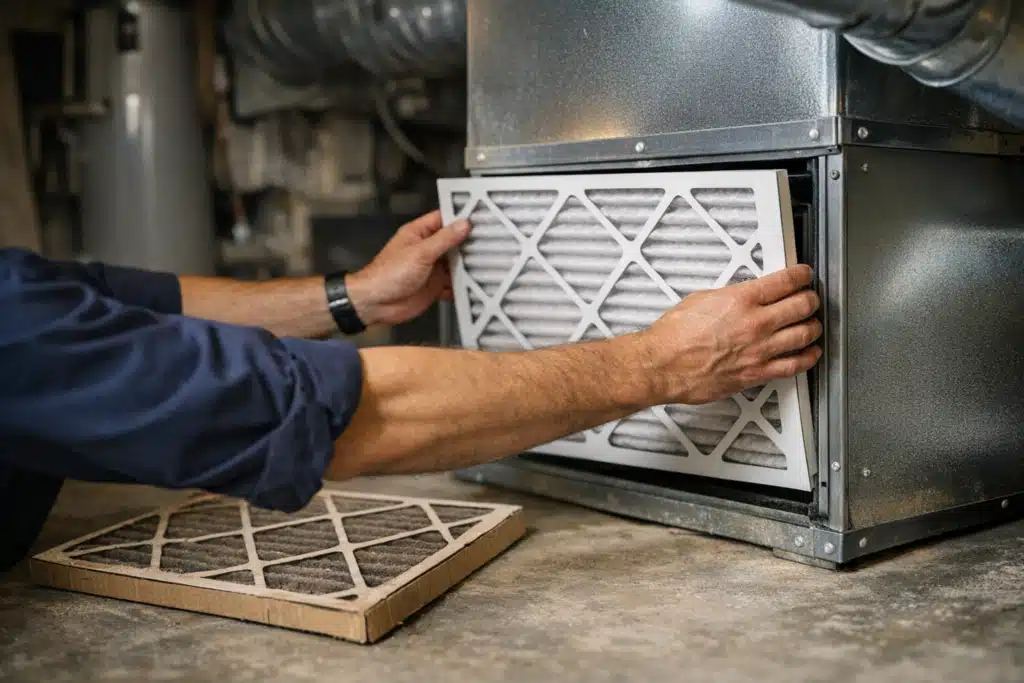
Standard HVAC filters capture only large particles, missing the fine pollen that triggers severe allergies. Upgrading to MERV 11 or MERV 13 filters traps particles as small as 1 micron.
Filter replacement timing matters. Install new high-efficiency filters in February, then replace monthly during peak pollen months (March through June in Colorado). Dirty filters become less effective and restrict airflow.
Portable Air Purifier Placement
Position HEPA air purifiers in bedrooms and main living areas where family members spend the most time. Place units away from walls and furniture to maximize air circulation.
Size matters for effectiveness. A purifier rated for 300 square feet won’t adequately clean a 500-square-foot room during high pollen days.
Deep Cleaning Strategies for Allergy Prevention
Pre-season deep cleaning removes accumulated allergens from previous years while creating a clean baseline before new pollen arrives. Focus on surfaces and areas where particles settle and hide.
Fabric and Upholstery Treatment
Wash all washable fabrics in hot water (130°F minimum) to kill dust mites and remove embedded pollen. This includes curtains, throw pillows, and removable cushion covers.
Steam clean carpets and upholstered furniture using high-temperature steam. The heat and moisture combination lifts embedded allergens that vacuuming alone misses.
Hard Surface Cleaning Protocol
- Dust all surfaces with damp microfiber cloths (dry dusting spreads particles)
- Clean ceiling fans and light fixtures where pollen accumulates
- Wipe down baseboards, window sills, and door frames
- Mop hard floors with allergen-reducing cleaning solutions
Creating Pollen-Free Zones in Your Home
Designate bedrooms as pollen-free sanctuaries by implementing strict entry protocols. Keep windows closed and use air conditioning or fans for ventilation during high pollen days.
Bedroom protection strategies include removing shoes before entering, changing clothes immediately after outdoor activities, and showering before bed to remove pollen from hair and skin.
Install blackout curtains or blinds that can be wiped clean easily. Fabric curtains trap pollen particles, while smooth surfaces like faux wood blinds can be cleaned weekly.

 Posted on Google
Maintaining Clean Indoor Air During Peak Season
Daily maintenance during pollen season prevents allergen buildup. Simple 10-minute routines can maintain the clean environment you created during pre-season preparation.
Daily Tasks
- Check and close windows before pollen counts peak (typically 10 AM to 3 PM)
- Run HVAC fans continuously to maintain air circulation and filtration
- Wipe down frequently touched surfaces with damp cloths
- Keep entryway areas clean with daily sweeping or vacuuming
Weekly Intensive Tasks
Vacuum carpeted areas twice weekly using a HEPA-filtered vacuum cleaner. Empty bagless units outdoors to prevent pollen from re-entering your home.
Replace air purifier pre-filters weekly during peak pollen season. The main HEPA filter typically lasts 6-12 months, but pre-filters clog quickly when pollen counts are high.
When Professional Help Makes Sense
Persistent allergy symptoms despite thorough home preparation may indicate hidden pollen sources or air quality issues requiring professional assessment. HVAC duct cleaning removes years of accumulated allergens that home maintenance cannot reach.
Professional air quality testing identifies specific pollen types and concentrations in different areas of your home. This data helps target problem areas more effectively than general cleaning approaches.
Severe contamination from construction projects or major storms may require specialized cleaning equipment and techniques beyond typical homeowner capabilities.
Long-Term Prevention Strategies
Landscape choices around your home directly impact indoor pollen levels. Male trees produce more pollen than female varieties, so strategic plantings can reduce local pollen sources.
Consider low-pollen landscaping options like female trees, shrubs, and flowers that rely on insect pollination rather than wind dispersal. These plants produce minimal airborne pollen.
Regular exterior maintenance includes power washing walkways, decks, and outdoor furniture where pollen accumulates. This prevents tracked-in allergens when family members use outdoor spaces.
Preparing your home for pollen season requires a combination of sealing entry points, upgrading filtration systems, and maintaining clean surfaces throughout allergy season. These proactive steps can dramatically reduce indoor allergen levels and improve comfort for allergy sufferers.
When home preparation isn’t enough to control severe allergen issues, ARC Restoration provides professional air quality assessment and specialized cleaning services. Contact us at 720-799-2434 to discuss how our expertise can help create a healthier indoor environment for your family.
Sources
- EPA – Improving Indoor Air Quality
- American Academy of Allergy, Asthma & Immunology – Outdoor Allergens
- ASHRAE – Filtration and Disinfection Guidelines
Preparing your home for pollen season can significantly reduce indoor allergens and improve comfort for allergy sufferers. This guide outlines essential steps to seal entry points, upgrade air filtration, and maintain clean surfaces.
- Pollen enters homes through gaps in doors and windows, HVAC systems, and on clothing or pets. Sealing these entry points can reduce allergen levels.
- Upgrading to high-efficiency air filters and using HEPA air purifiers helps trap fine pollen particles effectively.
- Regular cleaning routines and deep cleaning before pollen season are crucial for maintaining a healthy indoor environment.
To prepare your home for pollen season, regularly clean and vacuum to reduce allergens, use air purifiers with HEPA filters, and keep windows closed during high pollen days. Additionally, consider washing bedding frequently and using doormats to minimize pollen entry, which can significantly lower indoor allergen levels.


