
How to Prepare Your Home for Flash Flooding in Late Spring
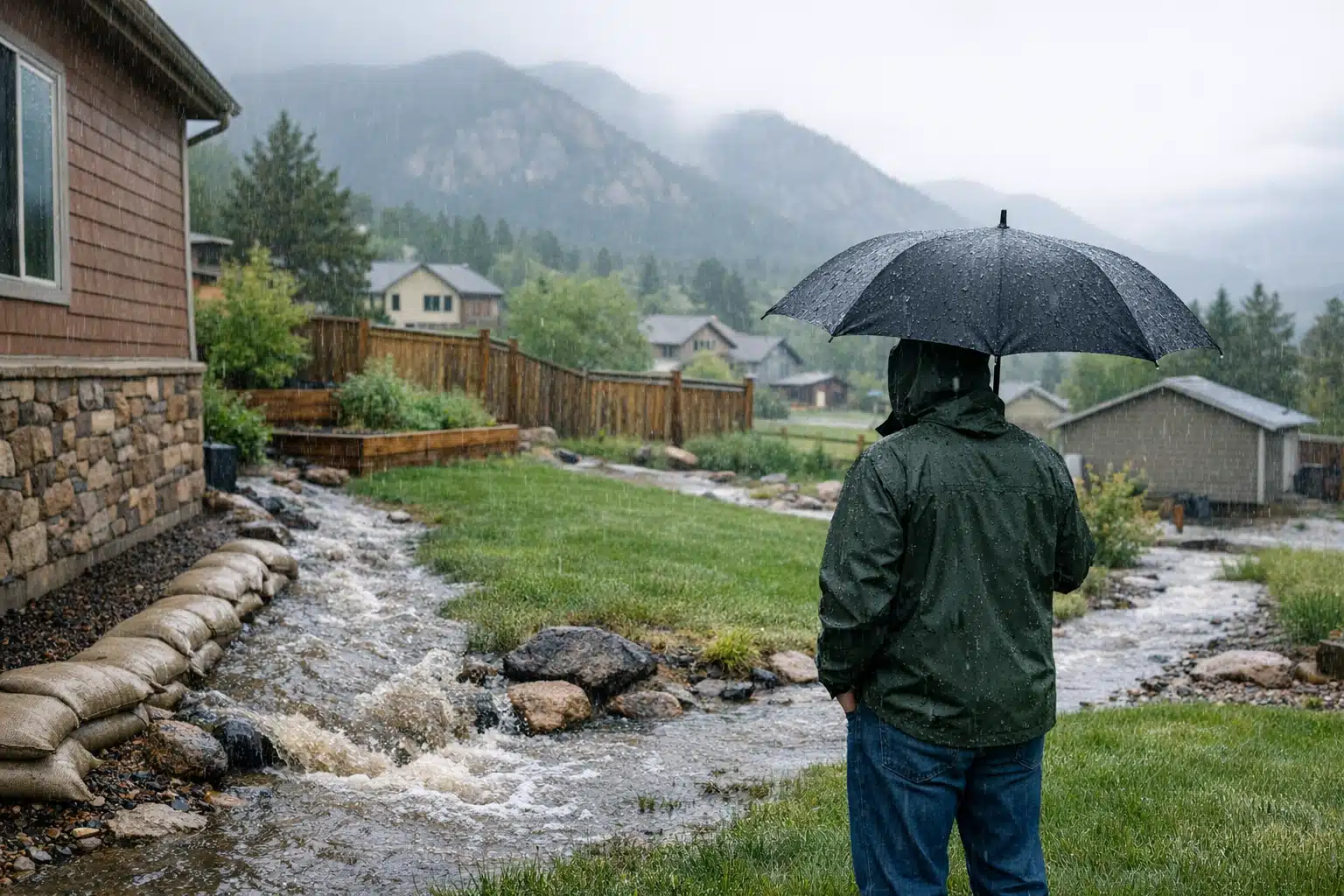
Late spring flash flooding poses a significant threat to Colorado homes, often developing rapidly from clear skies. Homeowners can take proactive steps to assess their flood risks and implement protective measures before the flood season begins.
- Homeowners should evaluate their property for flood vulnerabilities by observing water flow during rainstorms. Identifying entry points for water, such as basement windows and foundation cracks, is essential.
- Installing effective flood barriers and drainage systems is crucial to prevent water damage. This includes window well covers and strategic landscape barriers to redirect water flow.
- Developing a family flood response plan with defined evacuation triggers and practicing rapid deployment can enhance safety during flash floods. Monitoring weather conditions and snowpack levels also aids in preparedness.
To prepare your home for flash flooding in late spring, ensure proper drainage around your property, elevate electrical systems, and install sump pumps. Additionally, create an emergency plan, stock up on supplies, and stay informed about weather alerts to minimize potential damage and ensure safety during unexpected flooding events.
Late spring flash flooding strikes Colorado homes with devastating speed, often developing from clear skies to dangerous water levels in just six hours. The combination of rapid snowmelt, afternoon thunderstorms, and saturated ground creates the perfect storm for flash flooding that can cause tens of thousands of dollars in damage.
This guide covers specific preparation steps that Colorado homeowners can take before late spring flood season arrives. You’ll learn how to identify your property’s unique flood risks and implement targeted protection measures.
Understanding Late Spring Flash Flooding Patterns
Flash flooding in late spring differs significantly from other seasonal floods because it combines multiple water sources simultaneously. Snowpack from elevations above 8,000 feet begins melting rapidly when daytime temperatures exceed 60°F for consecutive days.
Colorado’s Front Range experiences peak flash flood risk between April 15th and June 30th. During this window, afternoon storms can dump 2-4 inches of rain in under two hours onto already saturated soil from snowmelt.
The most dangerous flooding occurs when these conditions align within a 24-hour period. Properties located within two miles of mountain drainages face the highest risk, as runoff can travel at speeds exceeding 15 miles per hour.
Assess Your Property’s Flood Vulnerability
Start by walking your property during a moderate rainstorm to observe water flow patterns. Note where water pools, which direction it flows, and how quickly it moves toward your home’s foundation.
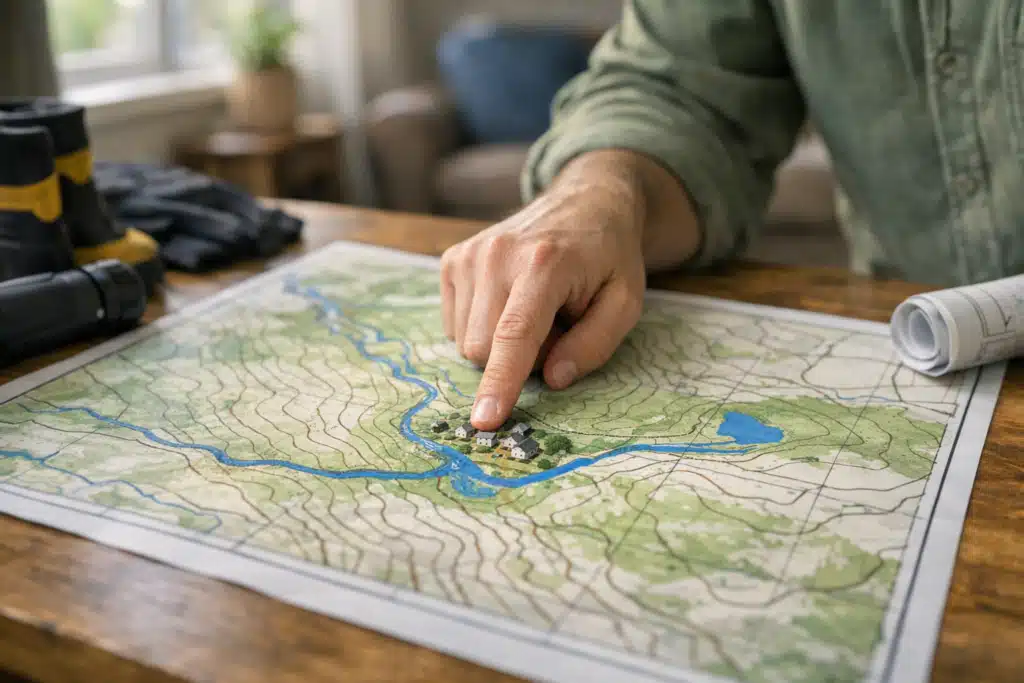
Check Your Elevation and Drainage Position
Properties positioned at the bottom of slopes or in natural drainage areas face exponentially higher flood risks. Use your county’s topographic maps to determine if your home sits in a natural water collection point.
Measure the distance between your home’s foundation and the nearest creek, drainage ditch, or storm water channel. Homes within 500 feet of these water features should implement multiple flood protection strategies.
Identify Vulnerable Entry Points
Water enters homes through predictable locations during flash floods:
- Basement windows and wells – Often the first entry point for rising water
- Foundation cracks – Even hairline cracks can allow significant water infiltration under pressure
- Garage doors – Standard residential garage doors cannot withstand flood water pressure
- HVAC and utility penetrations – Gaps around pipes and electrical conduits create direct water pathways
Create Physical Flood Barriers
Effective flood barriers must be installed before flood conditions develop. Late spring flooding often occurs with minimal advance warning, making pre-positioning critical.
Install Window Well Covers and Drains
Window well flooding causes 60% of basement water damage during flash floods. Install clear polycarbonate window well covers that can handle snow loads while allowing natural light.
Add drainage systems that connect window wells directly to your home’s foundation drainage. These systems should include 4-inch diameter drain pipes that slope away from the foundation at a minimum 2% grade.
Build Strategic Landscape Barriers
Construct earthen berms or decorative retention walls that redirect water flow around your home rather than toward it. Position these barriers at least 20 feet uphill from your foundation to allow adequate water redirection space.
Plant fast-growing ground cover like buffalo grass or blue grama on these barriers to prevent erosion during heavy runoff events. These native grasses establish root systems within 60 days and can withstand flood conditions.
Prepare Emergency Water Diversion Systems
Deployable flood protection systems allow homeowners to respond quickly when flash flood warnings are issued. These systems work best when components are pre-purchased and stored in accessible locations.
Stock Sandbag Alternatives
Traditional sandbags require 30-45 minutes to become effective after water exposure. Quick-dam water barriers activate in 3-5 minutes when exposed to water and expand to create 3.5-inch high barriers.
Store enough barriers to protect your home’s primary water entry points. Most single-story homes require 200-300 linear feet of barrier protection for doors, garage openings, and ground-level windows.
Install Sump Pump Backup Systems
Primary sump pumps fail during flash floods due to power outages or overwhelming water volume. Install battery-powered backup pumps rated for 3,000 gallons per hour – sufficient for most residential basement flooding scenarios.
Test backup systems monthly during spring to verify battery charge and pump operation. Replace batteries every two years regardless of apparent condition, as flood pumping demands exceed normal battery stress testing.
Protect Utilities and High-Value Items
Water damage to electrical systems and appliances often exceeds structural flood damage costs. Taking proactive steps to protect these systems reduces both safety risks and financial losses.
Elevate Critical Systems
Move water heaters, furnaces, and electrical panels to locations at least 18 inches above your area’s base flood elevation. For most Front Range communities, this means positioning utilities 3-4 feet above basement floor level.
Install utility shut-off switches in accessible, elevated locations. During flash flooding, you may have only minutes to cut power and gas before water reaches dangerous levels.
Create Flood-Resistant Storage
Store important documents, photos, and electronics in waterproof containers positioned above the first floor. Use military-grade storage containers with gasket seals rated for underwater submersion.
Photograph your home’s contents and store digital copies in cloud storage. Include serial numbers for appliances and electronics, as this documentation speeds insurance claims processing significantly.

 Posted on Google
Develop Your Family Flood Response Plan
Flash flood response requires split-second decision making when warnings are issued. Pre-planned responses eliminate dangerous hesitation during actual flood events.
Establish Evacuation Triggers
Define specific conditions that trigger immediate evacuation versus staying to implement flood protection measures. If water reaches within 100 feet of your home’s foundation, evacuation becomes the priority over property protection.
Identify multiple evacuation routes that avoid low-lying areas and known flood zones. Primary evacuation routes often become impassable during the exact conditions that create flash flooding.
Practice Rapid Deployment
Conduct quarterly drills where family members deploy flood barriers and shut off utilities within a 15-minute timeframe. Real flash flood warnings typically provide 30-60 minutes of preparation time before water arrival.
Assign specific responsibilities to each capable family member. One person handles utility shutoffs, another deploys barriers, and a third prepares emergency supplies and vehicles.
Monitor Weather and Flood Conditions
Late spring flood conditions develop from the combination of temperature, precipitation, and existing snowpack levels. Monitoring these factors provides advance warning beyond standard weather forecasts.
Subscribe to your county’s emergency alert system for flash flood warnings specific to your drainage basin. These alerts often provide 15-30 minutes more advance notice than general weather service warnings.
Track snowpack levels in the mountains above your location using the Natural Resources Conservation Service’s SNOTEL data. When snowpack exceeds 120% of average combined with forecast temperatures above 65°F, flash flood risks increase dramatically.
Post-Flood Recovery Preparation
Even homes that avoid direct flooding may experience secondary water damage from overwhelmed municipal drainage systems or groundwater infiltration. Preparing for these scenarios reduces damage and recovery time.
Maintain relationships with local restoration contractors before flood season arrives. Companies like ARC Restoration often have multi-week waiting lists during active flood seasons due to overwhelming demand.
Document your home’s pre-flood condition with detailed photos and videos. Focus on areas where water damage might not be immediately obvious, such as crawl spaces, utility areas, and basement storage zones.
When Professional Help Is Needed
Home preparation efforts can significantly reduce flood damage, but some situations require immediate professional intervention. Contact restoration specialists within 24-48 hours if water enters your home’s living spaces, even in small amounts.
Standing water begins causing structural damage and mold growth within 72 hours. Professional water extraction and drying prevents these long-term problems that often cost more than the initial flood damage.
If your home experiences flash flooding this spring, ARC Restoration provides emergency water extraction and structural drying services throughout Colorado. Call 720-799-2434 for immediate flood damage response, or visit https://advancedrestorationcolorado.com to learn more about flood recovery services.
Sources
- National Weather Service – Boulder Office Flood Information
- USDA Natural Resources Conservation Service – Colorado Snow Survey Data
- Colorado Water Conservation Board – Flood Hazard Mitigation


