
Spring Storm Damage: What to Check Around Your Home
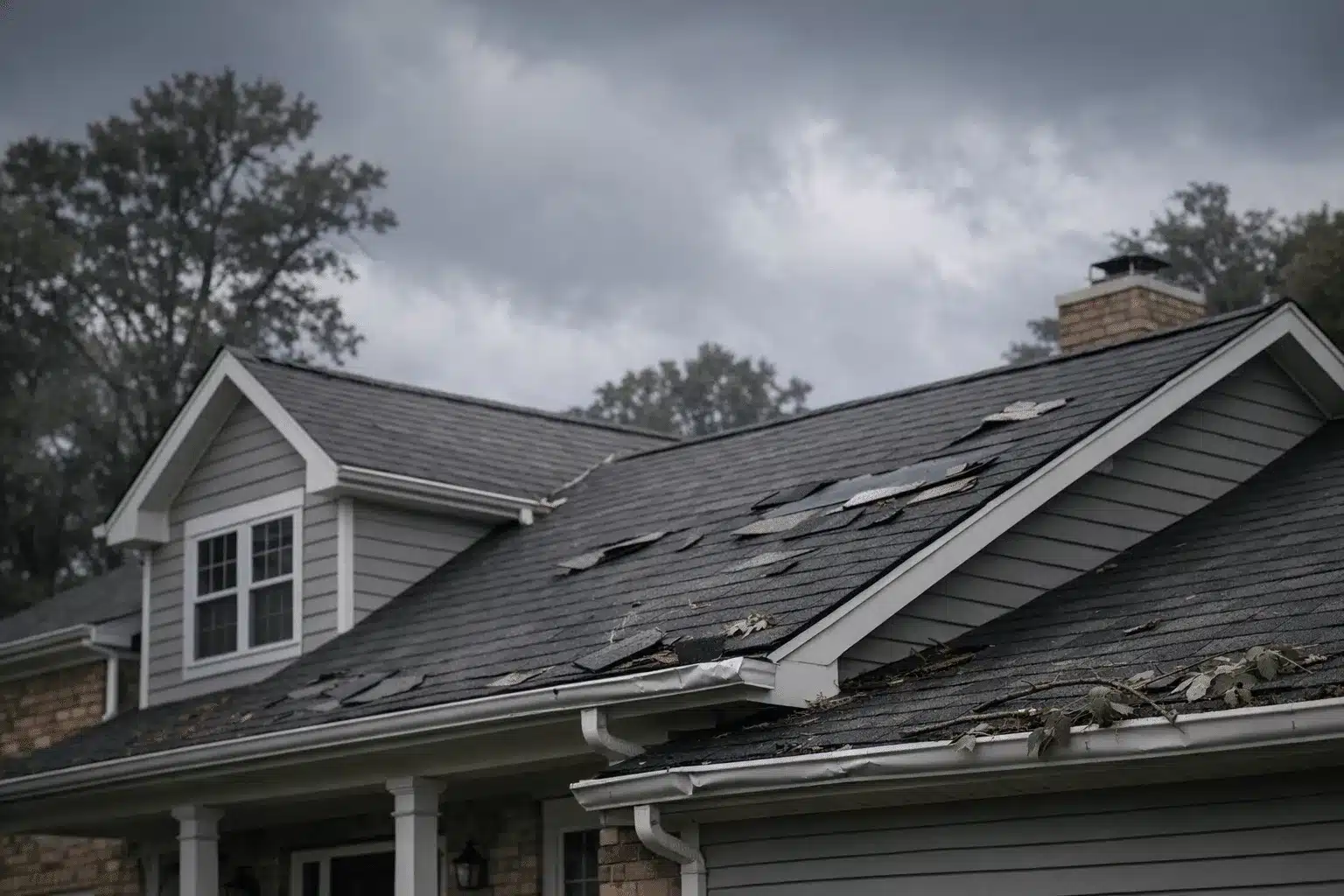
Spring storms bring powerful winds, hail, and heavy rain that can cause hidden damage to your home. A thorough **storm damage inspection** helps you identify problems before they become expensive repairs.
This guide walks you through a complete checklist of areas to examine after spring storm damage. You’ll learn what warning signs to look for and when to call professionals.
Roof and Attic Storm Damage Inspection
**Start your inspection from the ground** using binoculars to check your roof safely. Look for missing, cracked, or curled shingles that indicate wind or hail damage.
Check these specific roof areas:
- Shingles: Missing granules, exposed nail heads, or loose edges
- Flashing: Bent or separated metal around chimneys, vents, and skylights
- Gutters: Dents, loose sections, or debris buildup
- Roof valleys: Damaged areas where two roof planes meet
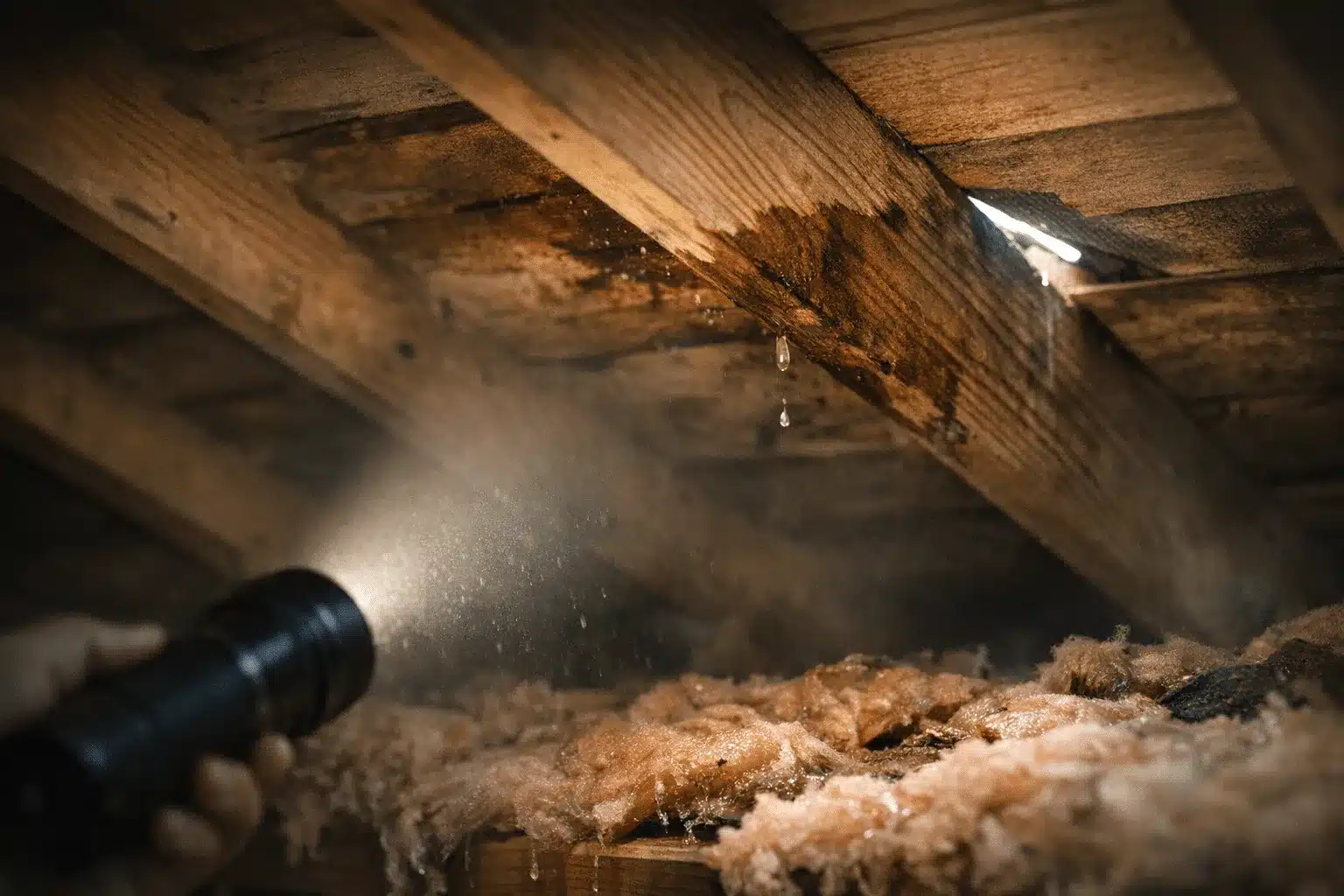
**Inside your attic**, use a flashlight to spot water stains, wet insulation, or daylight coming through the roof. These signs indicate immediate leaks that need professional attention.
When to Call Professionals
Contact roofing experts if you find multiple damaged shingles, large hail dents, or active leaks. **Walking on damaged roofing is dangerous** and can cause more harm.
Exterior Siding and Windows Assessment
**Walk around your home’s perimeter** to inspect siding for cracks, holes, or loose panels. Hail can create small dents that allow water penetration over time.
Pay attention to these exterior elements:
- Vinyl siding: Cracks, holes, or panels that have pulled away
- Wood siding: Splintered boards or areas where paint has chipped
- Windows: Cracked glass, damaged frames, or broken seals
- Doors: Warped frames or damaged weather stripping
**Document damage with photos** from multiple angles. This documentation helps with insurance claims and contractor estimates.
Foundation and Drainage Problems
**Heavy rains can cause foundation settling** or create new drainage issues around your home. Check for cracks in foundation walls or new gaps where the foundation meets your home’s exterior.
Look for these foundation warning signs:
- Cracks wider than a quarter-inch in concrete or masonry
- Water pooling near the foundation after storms
- Doors or windows that suddenly stick or won’t close properly
- New cracks in interior drywall, especially near corners
**Poor drainage creates long-term problems** including basement flooding and structural damage. Clear debris from drainage systems and ensure water flows away from your foundation.
Electrical and HVAC System Safety Checks
**Power surges during storms can damage electrical systems** without obvious signs. Test GFCI outlets and check your electrical panel for tripped breakers or burn marks.
**Never ignore electrical damage** as it poses fire and safety risks. Call an electrician if you notice flickering lights, burning smells, or outlets that don’t work properly.
HVAC Unit Inspection
**Check your outdoor HVAC unit** for hail damage, debris, or bent fins. Storm debris can block airflow and reduce system efficiency.
Clean around the unit and remove any branches or debris. **Bent condenser fins** need professional straightening to maintain proper airflow.
Trees and Landscaping Hazards
**Damaged trees pose ongoing safety risks** to your property and family. Look for cracked branches, leaning trees, or root damage that could cause future problems.
Remove these hazardous conditions quickly:
- Branches touching power lines or hanging over your roof
- Trees with split trunks or large broken limbs
- Uprooted trees or those leaning significantly
- Dead branches that could fall during the next storm
**Professional tree removal** prevents property damage and protects your **home safety**. Don’t attempt to remove large branches or trees near power lines yourself.

 Posted on Google
Interior Water Damage Signs
**Water damage often appears days after storms** as moisture works through building materials. Check ceilings, walls, and floors for discoloration, soft spots, or musty odors.
**Act quickly on water damage** to prevent mold growth and structural problems. Even small leaks can cause significant damage if left untreated.
Common Interior Problem Areas
Focus your interior inspection on these vulnerable spots:
- Areas directly below roof damage
- Basement walls and floors
- Around windows and doors
- Near plumbing fixtures and water heaters
Documentation and Insurance Claims
**Proper documentation speeds up insurance claims** and ensures you receive fair compensation. Take photos before cleaning up storm debris.
**Keep detailed records** of all damage, temporary repairs, and communication with contractors. This paperwork supports your insurance claim and helps track repair progress.
Emergency Repairs vs. Permanent Solutions
**Make temporary repairs** to prevent further damage, but avoid permanent fixes until your insurance adjuster inspects the property. Tarping damaged roofs and boarding broken windows protects your home.
Professional Storm Damage Assessment
**Professional restoration experts** can identify hidden damage that homeowners often miss. They have specialized tools and experience to assess structural integrity and moisture levels.
**Schedule professional inspection** if you find multiple damaged areas or suspect hidden water damage. Early professional assessment prevents small problems from becoming major repairs.
A thorough **storm damage inspection** protects your home and family from hidden hazards. Document all damage carefully and address safety issues immediately to prevent further problems.
ARC Restoration provides comprehensive storm damage assessment and restoration services throughout Colorado. Contact us at 720-799-2434 for professional inspection and repair of storm damage to your home.
Sources
- Ready.gov – Severe Weather Preparedness
- NOAA National Severe Storms Laboratory – Severe Weather 101
- FEMA – Protect Your Home from Severe Weather
- Insurance.com – Storm Damage Coverage Guide
Spring storms can cause hidden damage to homes, making a thorough inspection essential to identify issues before they escalate into costly repairs. This guide provides a checklist for homeowners to assess storm damage and know when to seek professional help.
- Inspect your roof for missing or damaged shingles, and check the attic for water stains or leaks. Document any damage with photos for insurance claims.
- Examine the exterior siding, windows, and doors for cracks or dents that could lead to water penetration. Pay attention to drainage systems to prevent foundation issues.
- Check electrical systems for damage and ensure HVAC units are clear of debris. Look for hazardous trees that may pose risks to your property and safety.
After a spring storm, inspect your home for potential damage such as loose shingles, cracked windows, and water leaks. Check gutters for debris, examine the foundation for cracks, and assess outdoor structures. Identifying these issues early can prevent costly repairs and ensure your home remains safe and secure.


