
Signs of Hidden Water Damage After a Basement Flood
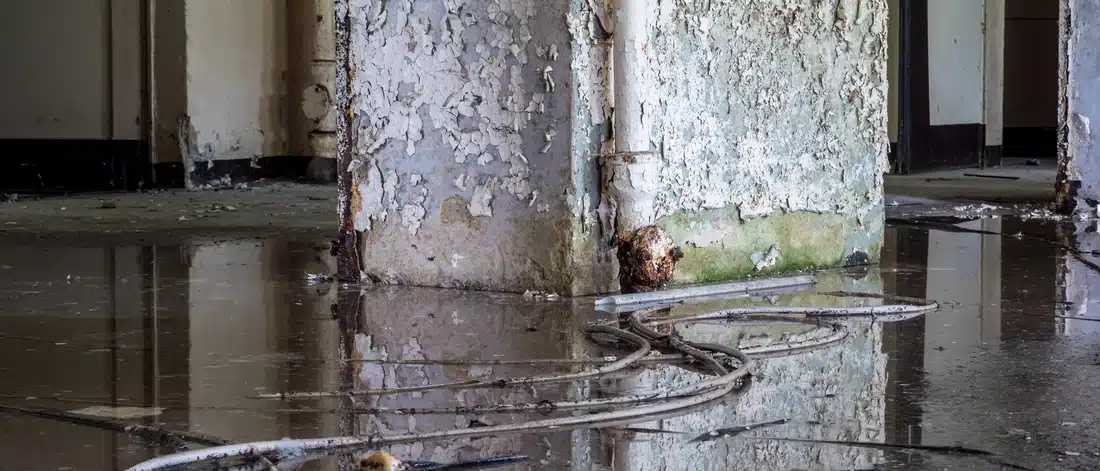
After a basement flood, the visible water may disappear quickly, but the most serious damage often remains hidden. Moisture can linger inside walls, beneath flooring, and within foundation materials long after the basement looks dry. This trapped water slowly breaks down building materials, creates ideal conditions for mold growth, and can compromise both the structural integrity of your home and the air you breathe.
Hidden water damage isn’t something most homeowners can see or detect on their own. Without professional inspection and proper drying, moisture left behind can lead to rotting wood, weakened drywall, foundation damage, and costly secondary problems. Recognizing the warning signs of hidden water damage early is critical to preventing long-term repairs and protecting your home after a basement flood.
Discoloration and Staining on Walls, Ceilings, and Floors
Water intrusion leaves visible marks that show where moisture has entered your home. These watermarks appear as yellow stains, brown spots, or dark patches on surfaces like walls, ceilings, and floors. The color tells you how long water has been present; lighter stains mean recent water damage, while darker marks signal older or repeated water exposure.
Water spreads through porous materials like drywall, wood, and concrete. Stains start at the point where water first enters, then expand outward as moisture travels through building materials. The irregular edges of these stains grow larger as more time passes and water continues to wick through surfaces.
Baseboards show water stains near floor level when flooding occurs or pipes leak. Ceiling stains point to water problems above, such as roof leaks, plumbing failures in upper floors, or condensation issues in attics. Wall discoloration appears when water seeps through exterior barriers, leaks from pipes inside walls, or rises from foundation moisture.
Restoration professionals inspect the edges of stained areas to understand the damage timeline and severity. Sharp, well-defined borders suggest recent water intrusion. Fuzzy, expanded edges with multiple color layers indicate ongoing moisture problems that need urgent attention.
Ceiling stains require immediate inspection because overhead water sources can weaken structural components like joists, trusses, and framing lumber.
Property owners must photograph all discolored zones and record their dimensions for insurance documentation and repair planning. Water damage restoration technicians use moisture detection meters to measure saturation levels below the visible surface.
These electronic sensors reveal hidden dampness in wall cavities, subfloors, and ceiling spaces that photographs cannot capture. Understanding saturation depth helps contractors determine which materials need drying, sealing, or replacement.
Complete moisture removal prevents mold growth, wood rot, and material deterioration that occur when wet conditions persist in building assemblies.
Warping, Buckling, or Cupping of Hardwood and Laminate Flooring
Warping, buckling, and cupping in hardwood or laminate flooring are clear warning signs of underlying water damage. When moisture penetrates flooring materials, wood and laminate planks swell beyond their normal dimensions, creating visible distortions on the surface. These changes rarely happen on their own and almost always indicate trapped moisture beneath the floor.
Warping occurs when individual boards twist or bend, lifting away from the subfloor below. Buckling develops when entire sections of flooring push upward, forming raised ridges as expanding materials press against each other. Cupping creates a bowl-like shape in the planks, with the edges curling higher than the center, signaling that moisture is rising from underneath the flooring rather than spilling on top. Each of these conditions points to ongoing water exposure that requires immediate professional attention.
Floor deformation isn’t just a cosmetic issue—it can signal serious structural concerns. Continued moisture allows mold to grow, weakens the subfloor, and accelerates wood rot. Property owners should document the damage as soon as it appears by taking clear photographs and measuring any lifting or unevenness before contacting a certified water damage restoration company. Delaying action gives water more time to spread and increases the scope and cost of repairs.
Professional restoration technicians use specialized moisture meters to detect water trapped beneath flooring materials, even when surfaces appear dry. These tools provide precise saturation readings that guide proper drying and repair strategies. Certified restoration teams follow the Institute of Inspection, Cleaning and Restoration Certification (IICRC) S500 guidelines to remove moisture thoroughly, dry affected materials correctly, and prevent mold growth before reconstruction begins.
Peeling, Bubbling, or Cracking Paint and Wallpaper
Water damage affects walls just like it affects floors. When moisture gets trapped behind paint or wallpaper, you’ll see clear signs on your walls. These problems point to deeper water issues that can harm your home’s structure and create unhealthy air inside. You need a certified water damage expert to check these problems right away.
Watch for these warning signs:
- Paint bubbles and peeling – Water gets stuck between the wall surface and the paint layer. This creates pressure that forms bubbles. When bubbles pop open, they expose bare wall material where mold and mildew can grow.
- Wallpaper pulling away at edges – The glue that holds wallpaper to walls stops working when too much moisture soaks into the wall material. You’ll see gaps and loose sections, especially where two pieces of wallpaper meet.
- Vertical cracks in walls – When drywall (the material that makes up most interior walls) absorbs water, it swells and expands. This expansion creates cracks that run up and down, usually following the path of the wooden studs behind the drywall.
- Dark stains spreading from floor trim – Water acts like a sponge, moving up through wall materials. Dirty water from leaks or floods travels upward from baseboards (the trim where walls meet floors). You’ll see brown or yellow watermarks that grow larger over time.
Professional restoration companies use infrared cameras to find water damage you can’t see with your eyes. These specialized cameras detect temperature differences that show where moisture hides inside walls.
Increased Humidity Levels and Condensation on Windows
Too much moisture in the air inside buildings creates conditions where mold, mildew, and rot can damage homes and businesses. After a basement floods, humidity readings above 60% show that water is still trapped inside walls, floors, and other hidden spaces.
Water droplets that keep forming on windows, especially between glass panes or around window frames, mean there is too much moisture for normal air flow to fix.
Building owners need humidity meters (hygrometers) that give accurate readings to track moisture problems over time. Where condensation often shows problems like damaged moisture barriers, poor insulation, or hidden water leaks behind walls and under floors.
Mold and bacteria start growing in these wet conditions within one to two days.
When water droplets keep forming on windows even after opening windows or running fans, property owners need expert moisture testing and professional dehumidification equipment.
Taking these steps protects the people living or working in the building and prevents damage to the structure itself.
Visible Mold Growth in Corners, Baseboards, and Grout Lines
Black, green, or white mold patches growing where walls meet floors, behind baseboards, and between tiles mean water is getting into your home. Regular air flow from windows or fans cannot fix this problem. Mold spores grow within 24-48 hours when materials stay wet. This rapid growth shows your home’s protective barriers have failed and need professional repair.
Warning signs to check for:
- Fuzzy or slimy surfaces on drywall, wood, or other building materials show mold has spread deep into the structure.
- Musty smells coming from inside the walls mean mold is growing in hidden spaces you cannot see.
- Stained grout lines forming spotted patterns show where water travels through your bathroom or kitchen tiles.
- Bubbling paint or loose wallpaper next to mold patches means water has soaked into the wall materials.
Contact licensed mold removal companies when you spot any of these signs. Mold releases spores into the air that cause breathing problems, allergic reactions, and asthma attacks.
Trained technicians seal off contaminated zones with plastic barriers to stop spores from spreading to clean rooms. Professional treatment protects your home’s structure from wood rot, prevents health department violations, and keeps your family safe from indoor air quality hazards.
Delaying treatment allows fungal colonies to spread through HVAC ductwork, carpet padding, and insulation materials. Water damage restoration specialists follow EPA guidelines and IICRC standards for safe mold removal.
Soft or Spongy Drywall and Crumbling Plaster
Water-damaged drywall loses its strength when moisture soaks through the paper covering and breaks down the gypsum (calcium sulfate) core inside.
When you press on wet drywall, it feels soft or spongy because the core materials have absorbed water like a sponge. The wall panels may bulge outward, pull away from the wooden studs behind them, or collapse in serious water damage situations.
Plaster walls show water damage through thin cracks, white powder on the surface, and pieces that break off when you touch them.
Both old lime plaster and newer gypsum plaster lose their grip on the wall when water gets behind them. Damaged plaster pulls away from the wood or metal lath (the mesh or strips underneath), creating a hollow sound when you tap the wall.
Water-damaged walls need professional inspection because they can fall down and often hide mold growth in the empty spaces inside.
Rust and Corrosion on Metal Fixtures and Fasteners
Water exposure causes chemical reactions that damage metal parts in buildings. Iron-based metals develop rust, while other metals like copper, brass, and aluminum show different types of corrosion.
These damaged parts weaken the building structure and signal active water damage that needs fixing right away.
Check these key areas for rust and corrosion:
- Pipe fittings and connectors – Threaded joints trap water and build up mineral deposits
- HVAC system parts – Look at ductwork seams, water collection pans, and metal support brackets
- Electrical boxes and metal tubes – Corroded electrical connections can cause fires
- Foundation bolts and structural fasteners – These lose their strength when corroded
The type of corrosion tells you where water enters the building. White powder means aluminum is breaking down. Green coating shows copper damage.
Take clear photos of all rust and corrosion for insurance records. Get a professional building inspector when you find damaged structural fasteners, foundation anchors, or load-bearing components.
Metal degradation speeds up in humid environments, basements, crawl spaces, and areas near plumbing leaks.
Regular inspection of metal components helps catch moisture problems before they cause major structural damage or safety risks.
Unexplained Increases in Water Bills
A sudden jump in your monthly water bill usually means hidden leaks exist somewhere in your home’s pipes. After a basement floods, pipe connections and rubber seals can break down, causing water to leak constantly behind walls or under floors.
Homeowners need to check their water bills each month for unusual usage patterns that need attention right away.
Warning signs that require a professional plumber:
- Monthly water use over 12,000 gallons for typical families when daily habits stay the same
- Bills that jump 25% or more compared to earlier months, with the same number of people living in the home
- Water meter dials that keep spinning even when all faucets, toilets, and appliances are turned off
- Weak water pressure at sinks and showers, which means supply pipes may be damaged
Professional water damage restoration technicians certified by the Institute of Inspection, Cleaning and Restoration Certification (IICRC) use special listening devices and heat-sensing cameras to find hidden wet spots before mold grows or wood rots.
These leak detection tools identify moisture problems inside walls, ceilings, and floors without breaking through drywall or removing flooring materials.
Property insurance companies often cover leak detection services and repairs when homeowners document the issue quickly.
Municipal water departments may also offer free meter testing to verify accuracy and rule out billing errors before investigation costs accumulate.
Deteriorating Insulation and Wet Fiberglass Batts
Water getting into walls ruins insulation by soaking fiberglass batts. Wet insulation loses half its ability to keep your home warm or cool. When fiberglass gets crushed or changes color, this shows that water has been there a long time. You need trained restoration experts to check this problem.
Wet fiberglass falls apart and creates gaps where outside air gets in. These wet spaces grow mold inside your walls.
Homeowners should check basement insulation for three warning signs: sagging material, damp spots, or water marks. Broken vapor barriers (plastic sheets that block moisture) often come with damaged insulation. This makes more water build up behind your walls, where you cannot see it.
Professional moisture meters measure water levels in materials. Safe levels stay below 17% water content.
Wet insulation with mold must be completely removed. Certified technicians follow IICRC S500 water damage standards during this work. This removal stops mold growth and makes the insulation work right again.
Waiting too long costs more money for repairs. Mold spores spread through air vents into rooms where people live and breathe, creating health dangers.
Pest Infestations Including Termites and Carpenter Ants
Wet wood in buildings attracts insects that destroy the structure. When moisture builds up in wood beams, floor supports, and wall frames, termites and carpenter ants move in to make their homes. These wood-eating bugs tunnel through the weakened lumber, making holes and passages that reduce how much weight the wood can hold.
Professional building inspectors look for these warning signs of bug problems:
- Mud tubes – Small dirt tunnels that bugs build on foundation walls and concrete to travel safely
- Frass piles – Tiny wood shavings and bug droppings that collect near baseboards and wooden beams
- Hollow wood – Structural timber that sounds empty when you knock on it because bugs ate the inside
- Bug wings – Shed insect wings found near windows and doorways when termites and carpenter ants swarm to start new colonies
Licensed pest control experts need to check any suspected bug problem right away. Fixing the moisture problem matters just as much as killing the pests. Removing water sources stops new bugs from moving in and prevents more damage to the building’s wooden framework, support beams, and load-bearing walls.
Understanding the connection between water damage and wood-destroying organisms helps property owners protect their investment.
Moisture control through proper drainage, vapor barriers, and waterproofing keeps buildings dry. Regular inspections by qualified professionals catch early signs of both water intrusion and pest activity before major structural repairs become necessary.
Efflorescence and White Chalky Deposits on Concrete
White, chalky deposits on concrete, brick, or masonry, known as efflorescence, are a visible sign that water is moving through the material. As moisture travels through concrete, it dissolves natural salts found in cement and mortar. When that water reaches the surface and evaporates, it leaves behind a white residue made up of minerals such as calcium carbonate, sodium chloride, or potassium sulfate. While the residue itself may seem harmless, its presence signals an underlying moisture issue.
Efflorescence is more than a cosmetic concern. When white deposits repeatedly return after cleaning, it means moisture continues to penetrate the structure. Over time, this ongoing water movement can cause serious damage, including surface deterioration known as spalling or scaling, corrosion of internal steel reinforcement, and a gradual reduction in the concrete’s structural strength. These conditions can compromise foundations, basement walls, and load-bearing masonry if left unaddressed.
Homeowners should pay close attention to foundation walls, basement floors, and mortar joints where white buildup appears. Common moisture sources include groundwater intrusion, poor exterior drainage, leaking plumbing, rising damp from soil contact, or missing or damaged vapor barriers. Identifying the true source of moisture requires professional testing and inspection to prevent further deterioration.
Efflorescence is often mistaken for white mold, but the two are very different. Efflorescence has a dry, powdery texture, dissolves easily when rubbed or washed, produces no odor, and does not pose a health risk. White mold, on the other hand, appears fuzzy or slimy, has a musty smell, does not dissolve easily, and can trigger respiratory problems or allergic reactions. Understanding the difference is critical to choosing the correct treatment and addressing both structural concerns and potential health risks.
Rotting Wood Beams, Joists, and Subflooring
Wood structural members start rotting when moisture levels stay above 20% for long periods. Water-damaged wood becomes home to decay fungi—microscopic organisms that break down cellulose and lignin (the natural compounds that give wood its strength).
When basements flood repeatedly or stay wet, floor joists, support beams, and subflooring absorb this moisture and create perfect conditions for fungal decomposition.
These structural components carry the weight of floors, walls, and everything inside the building, so catching rot early prevents collapse and injury.
Wood rot shows up in four main ways:
- Soft, spongy texture – Healthy wood feels solid and hard. Rotted wood pushes in easily when you test it with an awl or screwdriver tip. The wood fibers have lost their structural integrity.
- Dark discoloration – Brown, gray, or black stains on wood beams signal either active fungal decay or past water damage. These color changes show where moisture has penetrated the wood grain.
- Musty odor – A damp, earthy smell means fungi have colonized inside the wood. This distinctive scent comes from microbial volatile organic compounds (mVOCs) that fungi release as they digest wood material.
- Visible fungal growth – White, brown, or black patches on wood surfaces are fungal fruiting bodies. These patches indicate advanced decay where fungi have spread throughout the wood member.
Licensed structural engineers or certified home inspectors must examine any wood showing these decay symptoms. Wood rot spreads through connected framing members and weakens the entire structural system over time.
Quick professional evaluation protects both building stability and the safety of people inside.
Persistent Allergy Symptoms and Respiratory Issues Among Household Members
Persistent allergy symptoms and respiratory issues among household members are often warning signs of hidden water damage. When moisture remains trapped inside walls, floors, or ceilings, it creates the perfect environment for mold growth and the release of volatile organic compounds into the air. These airborne contaminants degrade indoor air quality and can cause ongoing health problems for everyone living in the home.
People exposed to hidden moisture and mold commonly experience chronic coughing, wheezing, nasal congestion, and sore or irritated throats that don’t seem to improve with typical allergy treatments. Symptoms often worsen when spending extended time indoors and ease when occupants leave the home for several days. Individuals with asthma, allergies, weakened immune systems, and other respiratory conditions are especially vulnerable, as are young children and older adults.
Because these symptoms closely resemble seasonal allergies or common respiratory illnesses, the underlying cause is frequently misdiagnosed. Many homeowners don’t realize the problem isn’t outdoor pollen or a passing illness but ongoing exposure to contaminants produced by hidden water damage. A consistent pattern, where multiple family members feel unwell inside the home but noticeably better elsewhere, is a strong indicator that indoor air quality is the true source of the problem.
When several people in the same household experience similar breathing issues or allergy-like symptoms, professional inspection is critical. Certified inspectors can evaluate indoor air quality, detect moisture trapped behind building materials, and locate hidden mold growth or water leaks. Identifying and addressing these issues quickly helps restore healthy air inside the home and prevents long-term health risks caused by continued exposure to moisture-related contaminants.
After a basement flood, hidden water damage can persist long after visible water is gone, leading to serious structural issues and health risks. Homeowners should be aware of warning signs to prevent costly repairs and protect their living environment.
- Moisture can remain trapped in walls and floors, causing mold growth and structural damage. Professional inspections are necessary to detect hidden moisture that homeowners might miss.
- Signs like discoloration, peeling paint, and warped flooring indicate ongoing water exposure that requires immediate attention. Documenting these issues is crucial for insurance and repair planning.
- High humidity levels and visible mold growth are clear indicators of water problems that need expert intervention. Delaying action can lead to more extensive damage and health hazards.
Signs of hidden water damage after a basement flood include persistent dampness or musty odors, discoloration on walls or ceilings, peeling paint, and warped flooring. Additionally, mold growth and increased humidity levels can indicate trapped moisture, which can lead to structural issues and health risks if not addressed promptly.


