
What Is Category 3 Water? A Plain-English Walkthrough of IICRC Classifications
Category 3 water is the most hazardous type of water damage, containing harmful contaminants that pose serious health risks. Understanding the IICRC classifications helps property owners manage water damage effectively and safely.
- Category 3 water includes sewage, floodwaters, and other highly contaminated sources. It requires immediate professional intervention and specialized equipment for cleanup.
- Exposure to Category 3 water can lead to severe health issues, including infections and respiratory problems. Safety protocols are essential during restoration.
- The IICRC classification system guides restoration professionals in determining necessary safety measures and cleaning methods based on contamination levels.
Category 3 water is the most hazardous type of water damage, containing harmful bacteria, viruses, fungi, and chemical contaminants. It requires immediate professional intervention using specialized equipment and strict safety protocols to ensure effective cleanup and safety during restoration efforts.
When water damage strikes, not all water is created equal. The Institute of Inspection, Cleaning and Restoration Certification (IICRC) classifies water into three categories based on contamination levels and health risks, guiding restoration professionals in safety and cleanup methods. Category 3 water, the most hazardous type, contains harmful bacteria, viruses, fungi, and chemical contaminants, requiring immediate professional intervention with specialized equipment and strict safety protocols. Understanding these classifications helps property owners respond effectively to floods, sewage backups, and insurance claims while ensuring restoration work is safe, thorough, and compliant with industry standards.
Understanding the IICRC Water Damage Classification System
The Institute of Inspection, Cleaning and Restoration Certification (IICRC) creates the industry rules for water damage through its S500 Standard and Reference Guide for Professional Water Damage Restoration. This framework sorts water problems into three types based on how dirty the water is and what health dangers it creates.
- Category 1 means clean water from safe sources like broken supply lines, sink overflows, or melting ice. This water poses no immediate health threat when exposure occurs.
- Category 2 means gray water that has some contamination. Sources include washing machine discharge, dishwasher leaks, toilet overflow with urine (no feces), and aquarium spills. This water contains bacteria and other microorganisms that can cause sickness if someone touches or drinks it.
- Category 3 means black water with serious contamination. This includes sewage, toilet backup with feces, flooding from rivers or streams, and ground surface water entering buildings. Black water contains harmful bacteria, fungi, pesticides, heavy metals, and toxic organic substances that create severe health risks.
The category system tells restoration technicians what safety gear to wear, which cleaning methods to use, and how to protect workers and building occupants. Insurance adjusters use these categories to determine coverage amounts and claim approvals. Property owners need this knowledge to understand repair costs and the health risks their families face.
Water damage categories can change over time. Clean water becomes gray water after 48 hours without treatment. Gray water becomes black water under the same conditions.
Temperature, organic materials in the water’s path, and building material absorption affect this progression. A Category 1 water loss can transform into Category 3 within days when left untreated, requiring more extensive remediation and creating higher restoration costs.
Category 1 Water: Clean Water Sources and Characteristics
Category 1 water comes from clean, sanitary sources. This water type does not cause sickness or discomfort when people touch it. The water must be uncontaminated to qualify as Category 1, which means it presents low health risks during cleanup and restoration work.
| Source Type | Examples | Contamination Level |
| Supply Lines | Broken water pipes, toilet tanks without cleaning chemicals | None |
| Fixtures | Sink faucets, drinking fountains, and washing machine overflows | Minimal |
| Environmental | Fresh rainwater, melted snow, melted ice | Negligible |
Category 1 water does not stay clean forever. When clean water sits without treatment, it absorbs harmful substances from floors, walls, carpets, and other building materials. The water classification changes from Category 1 to Category 2 (gray water) or Category 3 (black water) as contamination increases. This degradation process happens quickly, making fast water removal essential for property safety and occupant health.
The IICRC (Institute of Inspection, Cleaning, and Restoration Certification) sets industry standards for water damage restoration professionals. Restoration technicians must record specific information about each water damage incident:
- Water source identification – Where the water originated
- Affected materials inventory – Which building materials and contents got wet
- Exposure timeline – How long water contacted surfaces before extraction began
This documentation practice ensures accurate water classification from start to finish of the restoration project. Proper record-keeping protects both property owners and restoration workers by maintaining clear safety protocols based on actual contamination levels present in the damaged structure.
Category 2 Water: Gray Water Explained
Gray water contains chemicals, germs, or dirt that can make people sick or uncomfortable when they touch it. The IICRC S500 Standard labels this as Category 2 water. Common sources include water from washing machines, dishwashers that overflow, toilet bowls with urine only (no poop), and fish tank leaks. This water sits between clean water and heavily contaminated water in terms of danger.
Category 2 water needs fast professional help because it turns into Category 3 water if nobody treats it within 48 to 72 hours. Bacteria and mold start growing as organic materials break down, which creates bigger health dangers.
Safe cleanup requires protective gear, special water removal equipment, and complete disinfection steps. Water damage restoration experts must follow specific industry rules when treating wet materials to stop germs from spreading and keep people safe.
Category 3 Water: Black Water Definition and Origins
Category 3 water represents the most dangerous type of water damage in the IICRC S500 Standard. This black water carries harmful bacteria, viruses, mold spores, and toxic chemicals that can make people seriously sick through skin contact or swallowing.
Black water comes from several sources. Sewage backup creates Category 3 contamination when waste pipes reverse flow into buildings. Flooding from rivers, streams, and oceans brings Category 3 water into structures. Toilets that overflow with human waste always count as Category 3, even when solid matter is not visible.
Standing water from cleaner sources becomes Category 3 when left untreated for days or weeks because dangerous germs multiply rapidly in moisture.
The IICRC requires specific safety methods for cleaning black water damage. Restoration workers must wear protective gear, including gloves, masks, and sealed suits. Technicians apply antimicrobial chemicals to kill pathogens and prevent disease spread.
Porous building materials like drywall, insulation, carpet, and ceiling tiles usually need complete removal and replacement because harmful organisms penetrate deep into these surfaces, where cleaning cannot reach them.
Property owners should contact certified water damage restoration professionals for proper evaluation. Trained technicians can correctly identify contamination levels, protect occupant health, and restore buildings to safe conditions using industry-standard procedures.
Attempting black water cleanup without proper training, equipment, and disinfection methods creates serious health hazards for building occupants.
Common Sources of Category 3 Water Contamination
Sewage backups represent the most common black water emergencies in homes and businesses. Municipal sewer lines reverse direction, or septic tanks stop working properly. These failures release disease-causing bacteria, viruses, parasites, and poisonous chemicals into buildings.
River floods, stream overflow, and ocean storm surges create dangerous water damage situations. These floodwaters carry farm pesticides, factory waste products, animal waste, and rotting plants and animals. Toilets that overflow with human waste become Category 3 water damage immediately, even with small amounts.
Groundwater pushes up through dirt that contains sewage or chemicals. Sump pumps break down and let contaminated water enter basements. Standing water left untreated for 48-72 hours grows harmful mold, bacteria, and other microorganisms. Floodwaters that touch soil, sewage pipes, or waste systems turn into black water.
Category 3 water damage contains dangerous biological hazards like E. coli bacteria, hepatitis viruses, and parasitic protozoa. Chemical hazards include heavy metals (lead, mercury), petroleum products, and toxic cleaning agents.
Professional restoration teams follow IICRC S500 water damage standards during cleanup. These protocols protect building occupants from disease transmission, prevent contamination spread to clean areas, and ensure proper disposal of contaminated materials.
Personal protective equipment (PPE), antimicrobial treatments, and complete removal of affected porous materials are required safety measures.
Health Risks Associated With Category 3 Water Exposure
Contact with Category 3 water (also called black water) creates serious health threats. This contaminated water contains dangerous germs like bacteria, viruses, and parasites. It also holds toxic chemicals that can make people sick. The IICRC (Institute of Inspection, Cleaning, and Restoration Certification) requires immediate safety actions when this type of water is present.
- Stomach and intestinal infections happen when germs like E. coli, Salmonella, and Shigella enter your body and cause severe sickness with vomiting and diarrhea.
- Hepatitis A spreads through sewage backups that contain human waste, attacking your liver and causing serious illness.
- Skin problems develop when your skin touches contaminated surfaces, leading to infections, painful rashes, and open sores.
- Breathing issues occur when you breathe in contaminated water droplets or dust during cleanup work.
- Parasite infections from organisms like Giardia and Cryptosporidium cause long-lasting stomach problems and weakness.
Professional water damage restoration workers must wear full protective gear during cleanup. This includes waterproof suits, gloves, masks, and eye protection.
People living in or using the building must leave all affected areas right away. Only certified water damage specialists should enter contaminated zones. They follow strict decontamination procedures set by industry standards.
Anyone who touches or swallows Category 3 water should see a doctor right away. Early medical treatment prevents serious complications from waterborne diseases.
Visual Signs That Indicate Category 3 Water Damage
Trained water damage inspectors know how to spot black water problems by looking for clear warning signs that separate Category 3 damage from cleaner water issues.
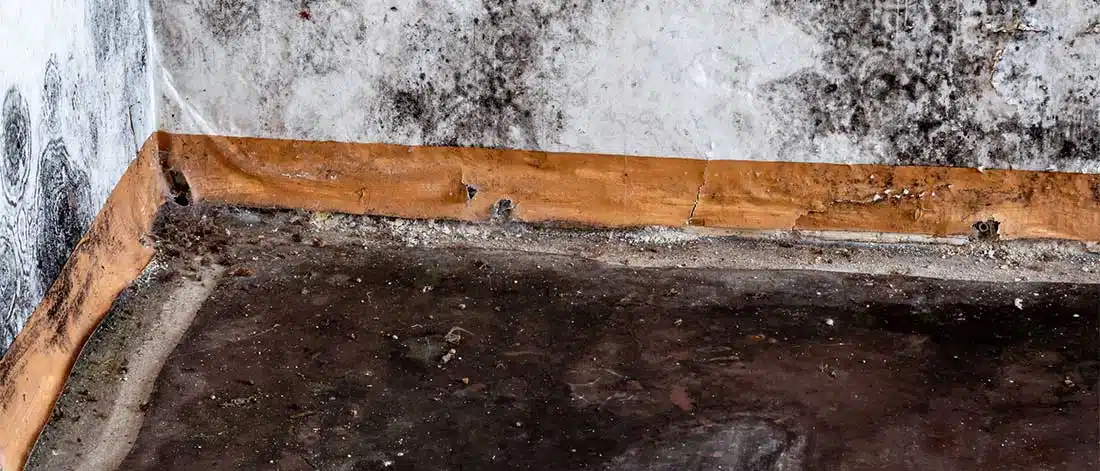
- Color Changes and Staining: Dark marks and discoloration on walls, floors, and ceilings mean sewage or dirt has contaminated the area. These stains differ from regular water spots because they contain biological waste or soil particles.
- Mold and Fungus: Black mold and other fungal growth show that contaminated water has been present for days or weeks. This type of growth needs moisture plus organic matter from sewage or floodwater to develop.
- Contaminated Standing Water: Pools of water containing visible debris, human or animal waste, mud, or unusual floating particles prove gross contamination exists. This water poses immediate health risks and requires professional extraction.
- Structural Breakdown: Building materials break down faster when exposed to Category 3 water. Buckled wood floors, crumbling drywall, separated plywood layers, and sagging ceilings indicate contaminated water has weakened the structure. These signs mean materials have absorbed harmful bacteria and chemicals.
- Odor Indicators: Strong sewage smells, rotting odors, or musty scents point to biological contamination. Clean water damage rarely produces these intense odors, making smell a key identification tool.
- Outdoor Flood Evidence: Mud layers, sand deposits, grass clippings, leaves, and other outdoor materials inside a building confirm floodwater intrusion. River flooding, storm surge, and ground surface water carry Category 3 contaminants.
These visual markers help restoration technicians set up containment barriers, choose appropriate safety equipment, and decide which materials must be removed.
The IICRC S500 standard guides these decisions to protect building occupants from biological and chemical hazards present in Category 3 water damage situations.
Why Category 3 Water Requires Professional Remediation
Trained water damage experts have the right tools and knowledge to handle dangerous contamination:
- Safety Equipment: Workers wear respirators that filter out disease-causing germs, waterproof hazmat suits that protect their skin, and thick nitrile gloves designed to block bacteria and viruses.
- Cleaning Products: Teams use hospital-grade antimicrobial solutions and EPA-registered disinfectants that kill harmful microorganisms like E. coli, hepatitis A virus, and other sewage-related pathogens.
- Air Quality Control: Negative air machines with HEPA filters capture microscopic particles and prevent contaminated air from spreading to clean areas during the cleanup process.
- Detection Tools: Infrared cameras and moisture meters find hidden water damage inside walls, under floors, and in other spaces you cannot see with your eyes alone.
- Record Keeping: Professional companies create detailed reports with photos, measurements, and treatment records that insurance companies need for claims and health departments require for safety inspections.
- Risks of Self-Cleaning: Handling Category 3 water without proper training puts you at risk for serious illnesses, including gastroenteritis, wound infections, and respiratory diseases. Missing contaminated areas allow black mold growth and bacterial colonies to develop. Using the wrong drying methods weakens wood framing, damages drywall, and creates permanent structural problems that cost more to fix later.
Safety Precautions When Category 3 Water Is Present
Professional water damage restoration technicians must handle all Category 3 water cleanup. Regular people cannot safely enter these spaces.
Anyone who must enter needs complete protective gear: N95 respirator masks (the kind that filter out germs and particles), waterproof gloves that reach the elbows, rubber boots, and clothing that covers the entire body.
Keep children, senior citizens, and people with weak immune systems out of all contaminated rooms and buildings.
Electrical Safety Requirements
Turn off all electricity to flooded rooms at the circuit breaker or fuse box. Water conducts electricity and creates dangerous shock hazards.
Never touch electrical outlets, appliances, or switches in wet areas.
Contamination Control Measures
Category 3 water (also called black water) contains sewage, bacteria, viruses, and other disease-causing organisms.
Do not touch any items, walls, floors, or furniture that contact this water.
Create physical barriers using plastic sheeting and tape between clean areas and contaminated zones. This prevents harmful microorganisms from spreading to safe parts of the building.
Material Disposal Guidelines
Porous materials absorb contaminated water and cannot be properly sanitized.
These items must be removed and thrown away:
- Carpets and padding
- Drywall and insulation
- Fabric furniture and mattresses
- Particle board and pressed wood
Insurance Documentation Process
Take photographs and videos of all water damage from doorways or safe distance.
Do not enter contaminated areas to get closer pictures.
These visual records prove the extent of damage to insurance companies and support financial claims for repairs and replacement costs.
The Category 3 Water Cleanup Process
Category 3 water removal needs immediate professional help to prevent health risks and building damage.
IICRC-certified technicians use proven methods to safely remove contaminated water and damaged materials.
The cleanup process includes:
- Initial assessment and documentation – Technicians examine and record the contamination level, water source location, and all affected rooms and materials.
- Personal protective equipment deployment – Workers wear respirators, waterproof gloves, protective suits, and rubber boots to avoid contact with sewage, chemicals, or bacteria.
- Complete water extraction – Industrial-grade pumps and vacuum systems remove standing water from floors, crawl spaces, and basements.
- Removal of porous materials – Drywall, insulation, carpeting, padding, and wood materials that absorbed contaminated water must be removed and thrown away.
- Antimicrobial treatment and structural drying – Commercial dehumidifiers and air movers dry remaining structures while antimicrobial solutions kill bacteria, viruses, and mold spores.
Professional restoration teams set up plastic containment barriers with negative air pressure to stop contaminated air and particles from spreading to clean areas.
All contaminated materials go to approved disposal facilities following EPA guidelines and local waste management regulations.
The process ends with complete disinfection using hospital-grade cleaning solutions and verification testing to confirm the space meets safe occupancy standards set by health departments.
Materials That Must Be Removed After Category 3 Exposure
When contaminated water soaks into porous building materials, these items must be thrown away. Complete sanitization is impossible once sewage, floodwater, or other grossly contaminated water penetrates materials with holes, fibers, or absorbent surfaces.
IICRC S500 standards—the national guidelines for water damage restoration—require disposal of drywall, insulation, carpet, carpet padding, and upholstered furniture exposed to Category 3 water. These materials trap bacteria, viruses, parasites, and fungi deep within their structure where bleach and other disinfectants cannot reach.
Wooden framing, like studs, joists, and beams, may be saved if dried within 48-72 hours and treated with antimicrobial solutions. Wood that stays wet too long, feels soft when pressed, or shows visible mold growth must be replaced.
Non-porous materials like metal pipes, glass windows, ceramic tiles, and hard plastics can be cleaned and disinfected because pathogens cannot penetrate their solid surfaces.
Documentation of removed materials supports insurance claims and meets health department requirements. Restoration professionals take photographs of contaminated items before disposal.
They create detailed inventories listing each item’s description, quantity, room location, and extent of water contact. These records follow IICRC protocols and provide evidence for property owners, insurance adjusters, and public health officials.
Insurance Coverage Considerations for Category 3 Water Damage
Standard homeowners’ insurance policies cover Category 3 water damage when the incident happens suddenly by accident. Insurance companies deny claims for slow leaks or damage from poor maintenance. Property owners need to understand their policy limits before problems occur.
Coverage considerations include:
- Sudden pipe bursts get covered while slow seepage over months or years does not qualify under basic policies.
- Sewage backup riders must be purchased as separate add-ons since standard policies exclude this protection.
- Flood insurance through the National Flood Insurance Program (NFIP) pays for Category 3 damage when water enters from outside the home.
- Documentation requirements need certified professionals from the Institute of Inspection, Cleaning and Restoration Certification (IICRC) to inspect and write reports for insurance claims.
- Depreciation calculations reduce how much money homeowners receive for older materials that need removal and replacement.
Property owners should read their insurance contracts to understand coverage terms, deductible amounts, and excluded situations before water damage happens.
Water damage restoration companies that work with insurance carriers help homeowners take proper photos, write detailed reports, and follow insurance company procedures. This documentation helps property owners receive the full benefits their policies provide.
Documentation Requirements for Category 3 Water Claims
Good paperwork makes the difference between insurance companies approving or denying claims for Category 3 water damage (sewage backups, flooding, and contaminated water).
Property owners need to take photos of everything damaged before cleanup crews start work. These pictures should show where the water came from, what building materials got damaged, and which items contain contamination.
Make a written list of every damaged item. Write down when you bought each thing, what it cost, and how much it would cost to replace today.
Hire water damage restoration companies certified by the Institute of Inspection, Cleaning, and Restoration Certification (IICRC). These professionals create important records, including moisture meter readings, thermal imaging scans, and containment barrier reports. This paperwork proves the cleanup met industry standards.
Laboratory water tests that show contamination types and levels make claims stronger. Keep records tracking how workers removed and disposed of contaminated materials. These chain-of-custody documents prove the crew followed hazardous waste rules.
Take dated photos throughout the entire process, from the first day of damage until the final day of repairs. This timeline proves your claim is real.
Insurance adjusters need specific paperwork: signed permission forms for the work, detailed descriptions of what work the crew will do, and receipts showing costs for each service and material.
Submit complete documentation packages before your policy deadline. Meeting deadlines with thorough records prevents arguments with insurance companies and speeds up payment for Category 3 water damage restoration costs.
Preventing Future Category 3 Water Incidents
Category 3 water contamination creates serious health risks and costly property damage. Property owners need regular maintenance protocols to protect their buildings and families from these dangerous water events.
Key prevention strategies include:
- Sewer line inspection: Professional plumbers should examine your sewer pipes with camera equipment once per year. This inspection finds tree roots growing into pipes, sagging sections, or cracked infrastructure before complete pipe failure happens. Early detection prevents raw sewage from flooding your property.
- Backwater valve installation: Licensed contractors install backwater valves (also called backflow preventers) on basement drains, toilets, and sinks. These mechanical devices stop sewage from flowing backward into your home when city sewer systems overflow during heavy storms or system failures.
- Roof maintenance: Inspect your roof twice per year, checking metal flashings around chimneys, roof vents, and skylights. Look for damaged shingles, clogged gutters, and blocked drainage paths. Wind-driven rain mixed with outdoor contaminants can enter through roof damage and create Category 3 conditions inside your attic and walls.
- Foundation waterproofing: Keep soil sloped away from your foundation walls. Extend downspouts at least six feet from your house. Check foundation sealant for cracks. These steps prevent groundwater carrying soil bacteria and chemicals from seeping into your basement.
- Emergency response planning: Write down water shut-off valve locations for every family member. Save contact information for IICRC-certified water damage restoration companies before disasters strike. Quick response within 24 hours reduces contamination spread and structural damage.
These prevention methods lower your risk of Category 3 water exposure and reduce restoration expenses from thousands to hundreds of dollars.


