
Tips for Preventing House Fires While Grilling
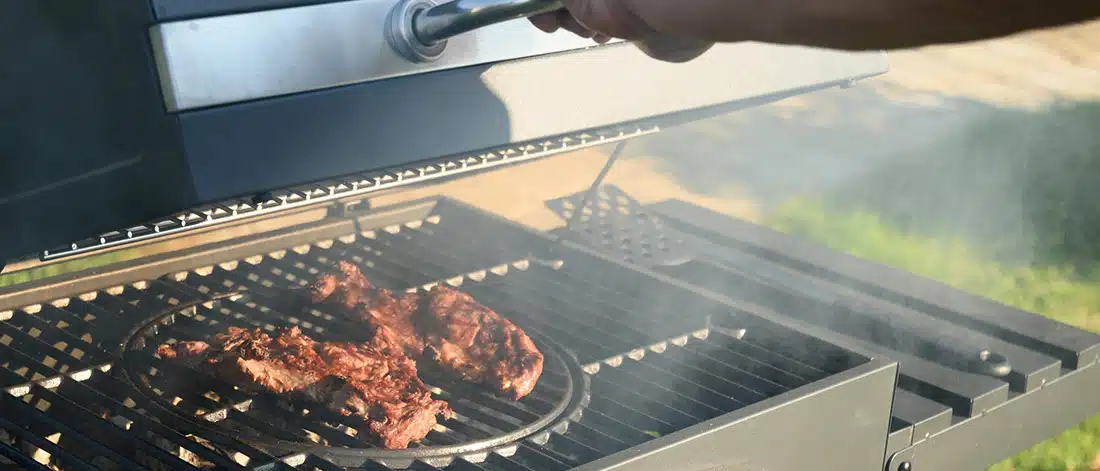
According to the National Fire Protection Association (NFPA), grills cause an average of 10,600 fires each year, highlighting the importance of safety, whether you use a gas grill, charcoal grill, or smoker. Grilling is a beloved activity that brings friends and family together over delicious meals and warm summer evenings, but it also carries potential fire risks that should never be overlooked. Many of these fires result from simple mistakes or a lack of proper maintenance. By prioritizing safety and following essential precautions, you can enjoy your outdoor cooking without endangering your home or loved ones. These expert tips for preventing fire hazards while grilling will help ensure that the flames stay safely on the grill and under your control.
Choose the Right Location for Your Grill
To keep everyone safe while grilling, you have to pick the right spot.
Put your grill at least 10 feet away from your house, garage, or shed. Make sure it’s on a flat surface like concrete or gravel.
Don’t put your grill under roofs, trees, or anything that can catch fire.
Keep an eye on where the wind is blowing so smoke doesn’t go towards buildings. Clear the space around the grill of leaves, dry grass, or anything that can burn easily.
If you live in an apartment, remember that grilling on balconies is usually not allowed unless the local rules say it’s okay.
Maintain Safe Distance From Structures
To keep everyone safe, make sure your grill is at least 10 feet away from any buildings like houses, garages, sheds, or deck rails.
If you live in an apartment or condo, don’t use grills on balconies unless local fire rules say it’s okay.
This space stops heat from damaging buildings and keeps fire from spreading. It also helps smoke and harmful gases go away instead of getting trapped near windows or doors.
Look out for things above, like tree branches, awnings, or roof edges, and keep at least 3 feet of space above the grill.
If it’s windy, give even more space to stop flying sparks.
Clean Your Grill Before Each Use
Cleaning your grill before using it is important for safety. Grease and leftover food can catch on fire and cause accidents. To keep your grill safe, use a wire brush to scrub off any food stuck on the grates. A scraper can help clean the inside parts of the grill and the burner holes.
After brushing, use a damp cloth to wipe the grates. Always empty and clean the grease trap, because too much grease can be dangerous.
If you have a gas grill, make sure the burner holes are not blocked, so the flames spread out properly. Also, check that grease isn’t building up in the lid or near the burners. Doing these things will help stop grill fires.
Check for Gas Leaks
Regularly testing for gas leaks is important to stop fires and explosions.
Before you grill, do a soap test. Mix water and dish soap. Put this on all gas connections and hoses.
If you see bubbles when the gas is on, there’s a leak that needs fixing right away.
Check the tank valve, regulator, and all connection points closely. Replace hoses if they are worn or damaged. Tighten any loose connections. Don’t use tape or temporary fixes on gas lines.
Also, smell for gas. It smells like rotten eggs. If you smell it, turn off the tank right away and don’t use the grill until it’s fixed.
Keep a Fire Extinguisher Nearby
Keep a good fire extinguisher close when you grill. It should be for Class B fires (like oil) and Class C fires (like wires). An ABC extinguisher works for most fires.
Check that the extinguisher’s gauge says it’s full. Make sure the pin is still in place. Store it where you can see it and get to it fast, but keep it safe from rain.
Everyone in the house should know where it is and how to use it. Remember PASS: Pull the pin, Aim low at the fire, Squeeze the handle, Sweep side to side.
Get a new one if it’s broken, old, or has been used before.
Never Leave Your Grill Unattended
Always stay by your grill when cooking to keep things safe. Leaving your grill alone can quickly cause big fires, putting people and homes at risk. Even stepping away for a few minutes can lead to serious problems.
- Grease fires can get out of hand fast and might spread to nearby houses or trees.
- Wind might suddenly change, pushing flames toward buildings or causing the grill to tip over if no one is there.
- Kids or pets could get too close to a grill that’s not watched, risking burns or knocking it over.
Watching your grill the whole time means you can fix problems right away and keep the heat just right.
Proper Lighting Techniques for Charcoal
Lighting charcoal safely needs certain steps to prevent sudden flames and make sure the heat spreads evenly.
To light charcoal the right way, pile the charcoal in a pyramid shape. Use an electric charcoal starter or a chimney starter. Do not use gasoline or other dangerous liquids to start the fire.
If you use lighter fluid, pour it only on cold charcoal before lighting. Wait 30 seconds so the fluid can soak in. Light the charcoal in different places using a long lighter or long matches, and quickly step back after lighting.
After the charcoal is lit, don’t add more lighter fluid; it can cause dangerous flames. The charcoal is ready to use when it turns gray-white and is covered with a light layer of ash. This usually takes about 15-20 minutes.
Managing Grease Buildup
Managing grease buildup is essential for preventing house fires while grilling. Over time, grease and fat drippings can collect on grill grates, drip trays, and burners, creating a highly flammable layer. If left unchecked, this buildup can ignite suddenly when exposed to high heat or open flames, leading to dangerous flare-ups and even spreading fire to nearby structures.
To stay safe, clean your grill thoroughly after each use—scrape grates, empty drip trays, and wipe down surfaces. Regular maintenance not only reduces fire risk but also keeps food tasting fresh and prevents lingering odors.
Weather Considerations While Grilling
Grilling safely depends a lot on the weather. If it’s windy, flames and hot bits can blow onto buildings and start fires. It’s best not to grill when it’s windy or if there are weather warnings.
Rain is another problem. Water can make hot grease splash and can make people put grills too close to houses or under things like trees or roofs. This is dangerous because it can cause a fire.
When it’s super hot and dry, there are other things to watch out for. If there are warnings about fires, keep your grill far from buildings and have a hose or fire extinguisher nearby.
Always think about the weather before you grill to keep everyone safe.
Teaching Children Grill Safety
Grilling is a fun family activity, but kids need to learn how to stay safe. Parents should make a “safety zone” around the grill that is at least 10 feet wide. Kids should not play, run, or gather in this area.
Kids need to be told about the dangers of hot surfaces, open flames, and propane tanks. They should learn to spot warning signs like smoke, gas smells, or strange noises. Grown-ups should explain why things like spraying water on the grill or touching the grill can be dangerous.
Older kids can learn how to use the grill safely, but only with an adult watching them. They can learn how to light the grill safely and how to turn it off in an emergency. This helps them become responsible while keeping safe.
Close the Lid While You Grill
When grilling, always keep the lid closed. The lid is like a safety cover. It keeps the heat inside and stops any flames from getting out of control. By closing the lid, you stop the wind from blowing sparks and stop grease fires from spreading.
- Closing the lid keeps oxygen from making flames bigger and keeps any fire contained while you cook.
- With the lid closed, heat spreads evenly. This means you don’t have to turn up the gas or add more charcoal, which can be dangerous.
- A closed lid also stops leaves or other things that can catch fire from getting into the grill.
Keeping the lid closed makes grilling safer and helps cook food evenly.
Understanding Your Grill’s Safety Features
Modern grills have important safety features. Users should know and check these parts often. Here are some key parts of a grill:
- Automatic Gas Shutoff Valve: This stops gas if the flame goes out. It helps prevent gas leaks.
- Flame Failure Protection: This feature ensures the flame stays on. If it goes out, this system kicks in to keep things safe.
- Heat Deflectors: They help stop flare-ups by deflecting heat away from certain areas.
- Burner Control Knobs: These knobs let you control the flame size and heat level.
- Ignition System: This is how you light the grill. It needs to work properly to start the grill safely.
- Ventilation Design: Good airflow helps prevent dangerous gas build-up.
- Grease Management System: This system catches and moves cooking oils away from flames to stop fires.
- Pressure Regulator: It keeps the right amount of gas flowing to the grill.
Checking these parts regularly helps make sure they are working right.
Look at the owner’s manual to find out where these parts are and how to take care of them. This keeps the grill safe to use.
Wear the Right Clothing
When grilling, what you wear can help keep you safe. Loose or flammable clothes can catch fire from the grill’s flames or hot surfaces, which is dangerous.
- Wear snug-fitting clothes made of natural fibers like cotton. These won’t hang over the grill or catch a breeze that could blow flames toward you.
- Stay away from clothes made of synthetic materials such as polyester or nylon. These can melt if they get too hot and might give you bad burns.
- Put on closed-toe shoes with non-slip soles. This will protect your feet from hot coals, grease splatter, or things you might drop.
Wearing the right clothes is important to keep you safe from fire when grilling.
Creating a Safe Grilling Zone
To make grilling safer, set up a special grilling area away from buildings and things that can catch fire. This will help stop accidents.
Follow these steps to set up your grilling area:
- Keep the grill at least 10 feet away from houses, wooden decks, branches, and things that can catch fire, like dry leaves or outdoor furniture.
- Put the grill on a flat, sturdy surface like concrete or patio blocks. This helps keep the grill steady and spreads heat evenly.
- Make a 3-foot “kid-free zone” around the grill with barriers or signs, so kids know to stay away.
Also, have a fire extinguisher or garden hose close by in case of emergencies.
If the Flame Goes Out, Wait to Re-Light
If the flame on your grill goes out, follow these steps to light it again safely.
- First Step (0 minutes): Turn off the gas. This stops gas from building up.
- Second Step (5 minutes): Open the grill lid. This lets any trapped gas escape.
- Third Step (5-10 minutes): Wait a few minutes. This gives time for leftover gas to go away.
- Fourth Step (10 minutes): Smell the air near the grill. Make sure you don’t smell gas.
- Fifth Step (10+ minutes): Light the grill again. It’s safe to try now.
Keep the lid open when you light the grill again to keep air flowing.
If you have a charcoal grill, wait a bit before lighting it again to avoid burns from hot coals.
Proper Tool Selection and Use
Using the right tools for grilling is important for safety and making cooking easier. Professional grilling tools help prevent accidents and ensure food is handled properly. They also keep you at a safe distance from the heat.
- Long-handled tongs (at least 16 inches) let you move food without getting too close to the grill.
- Heat-resistant gloves or mitts protect your hands and arms when touching hot food or grill parts.
- Metal spatulas with strong handles help you flip food and clean the grill without breaking.
These tools are basic safety gear for grilling.
Managing Flare-Ups Safely
When grilling, sudden flames can happen if fat or oil drips onto the fire.
Never use water to put out these flames because it can make the fire spread and burn you.
The safest way to handle this is by closing the grill lid to stop the flames from getting oxygen.
If your grill doesn’t have a lid, move the food to a cooler spot on the grill.
Always keep a fire extinguisher nearby that’s good for grease fires.
If you use a charcoal grill, a spray bottle with water can help control small flames.
Just spray the coals from a safe distance and never spray directly onto the flames.
Safe Startup and Shutdown Procedures
Grilling safely is important to prevent house fires. For gas grills, open the lid before turning on the gas. Wait 30 seconds, then light it to avoid gas buildup.
When done cooking, turn off the gas at the tank first, then the burners.
For charcoal grills, use the right amount of charcoal and start them with chimney starters or electric starters. Never add lighter fluid to hot coals.
When finished, close all vents and let the coals cool for 48 hours before throwing them away in a metal container. Keep a spray bottle with water nearby to manage flare-ups.
Managing Hot Coals and Ashes
Handling hot coals and ashes safely is important to stop fires. After cooking on the grill, coals and ashes stay hot for hours. Use a metal can with a tight lid to throw them away.
- Let the coals cool for 2 days before getting rid of them. Pour water on them and mix them to make sure they are out.
- Keep the metal can on a surface that can’t catch fire. Don’t put it near buildings, wooden decks, or plants.
- Never throw hot ashes in plastic, paper, or cardboard containers. These can catch fire from the heat.
These steps help stop fires from starting or spreading to nearby buildings or plants.
Storing Your Grill Safely
Storing your grill the right way can prevent fires and keep your home safe. Follow these simple tips to make sure your grill doesn’t cause trouble.
- Keep your grill at least 10 feet away from houses, wooden decks, and things that hang over it. Even when not in use, leftover heat and gas can be dangerous.
- Take off the propane tank from the gas grills before storing them. Store the tank upright in a place outside with good air flow, not in direct sunlight.
- Clean your grill well before you store it. Get rid of any grease and ash since they could catch fire.


