
The Importance of Professional Roof Inspections After Winter
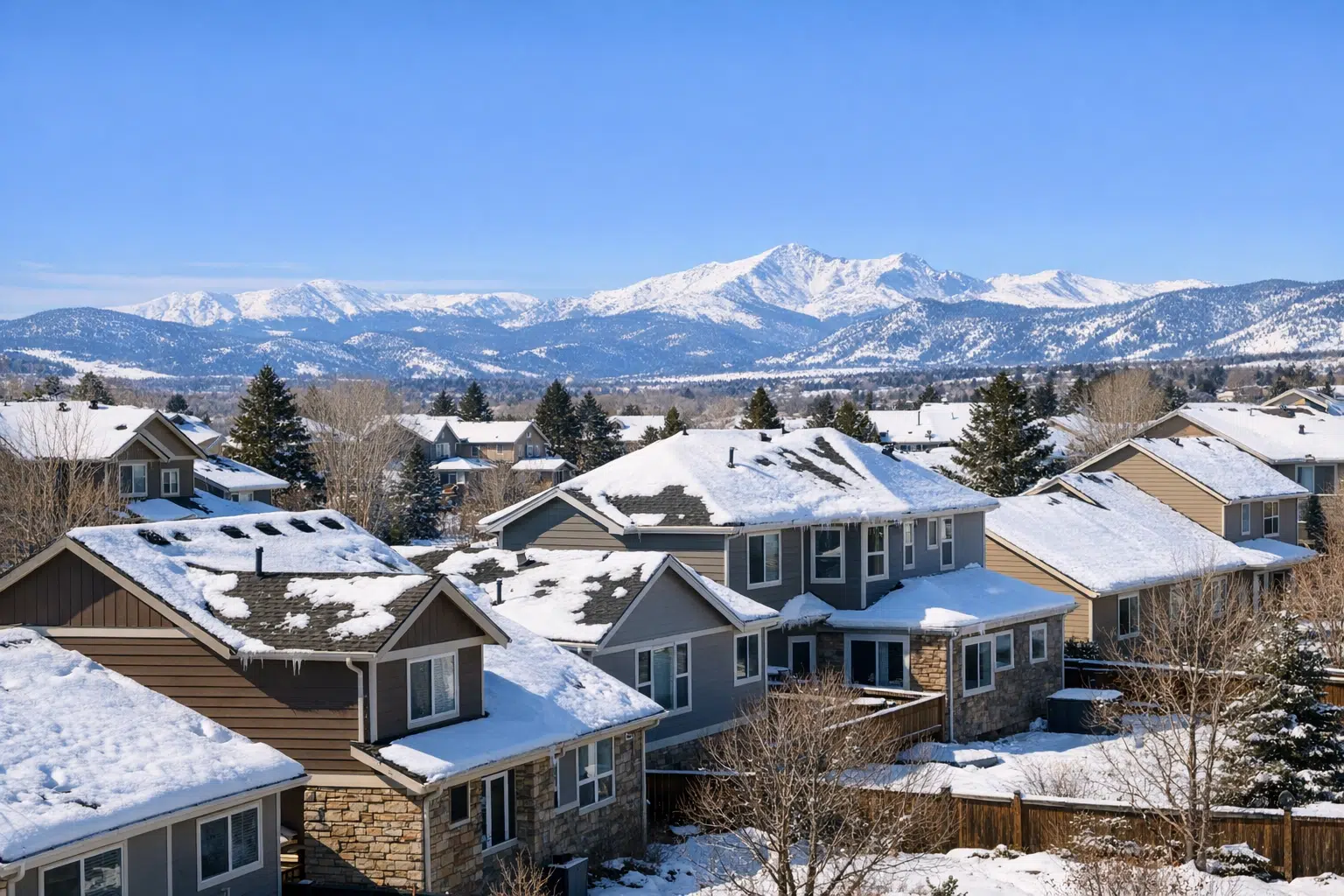
Professional roof inspections after winter are essential to identify hidden damage caused by ice, snow, and temperature fluctuations. These inspections help protect the structural integrity of homes and prevent costly repairs.
- Winter weather can loosen shingles and create leaks that damage insulation and ceilings. Professional inspectors use specialized tools to detect hidden issues that homeowners might miss.
- Insurance companies often require detailed inspection reports for claims, making professional assessments crucial for coverage.
- Scheduling inspections in late spring allows for timely repairs before summer storms, preventing minor issues from escalating into major expenses.
Professional roof inspections after winter are vital for identifying hidden damage caused by ice, snow, and freezing temperatures. These inspections help ensure your roof's structural integrity is maintained, preventing costly repairs and protecting your home from potential leaks and further deterioration.
Winter weather leaves behind more than just melted snow and spring flowers. Hidden beneath your roof’s surface, ice, snow, and freezing temperatures create damage that threatens your home’s structural integrity.
A professional roof inspection after winter identifies problems before they become expensive disasters. This comprehensive guide reveals what winter does to your roof and why expert assessment protects your investment.
How Winter Weather Damages Roofs
Colorado winters subject roofs to extreme temperature fluctuations that cause materials to expand and contract repeatedly. This constant movement loosens shingles, opens seams, and creates entry points for water.
Ice dams form when heated air melts roof snow, creating water that refreezes at gutters and eaves. The resulting ice buildup forces water under shingles, leading to leaks that damage insulation, ceilings, and walls.
Snow accumulation adds significant weight stress to roof structures. Heavy, wet spring snow can exceed design limits, causing sagging or structural damage that remains invisible from ground level.
Common Winter Roof Damage
- Loose or missing shingles from wind and ice expansion
- Damaged flashing around chimneys, vents, and skylights
- Clogged or damaged gutters from ice formation
- Compromised roof deck from water infiltration
- Insulation damage from hidden leaks
Professional Roof Inspection Benefits
Professional inspectors identify damage that homeowners miss during casual visual checks. They access dangerous roof areas safely and recognize subtle signs of structural compromise.

Expert inspectors use specialized equipment like moisture meters and thermal imaging cameras to detect hidden water damage and insulation problems. These tools reveal issues invisible to the naked eye.
Insurance companies often require professional documentation for winter damage claims. A detailed inspection report provides the evidence needed to secure coverage for necessary repairs.
What Professional Inspectors Examine
- Structural integrity of roof deck and support beams
- Shingle condition including granule loss and cracking
- Flashing integrity around penetrations and joints
- Gutter and downspout function and attachment security
- Ventilation system performance and blockages
- Insulation condition and moisture presence
Signs Your Roof Needs Post-Winter Inspection
Interior water stains on ceilings or walls indicate roof leaks that require immediate professional assessment. Even small stains suggest significant hidden damage that spreads over time.

Exterior signs include visible shingle damage, sagging rooflines, or ice dam formation during winter months. Missing or loose gutters also signal potential roof system compromise.
Increased heating bills may indicate insulation damage from roof leaks. When warm air escapes through compromised roof areas, energy costs rise noticeably.
Emergency Inspection Indicators
- Active leaks during or after snowmelt
- Visible sagging in roof deck or rafters
- Large sections of missing shingles
- Damaged or separated flashing
- Granules accumulating in gutters
Timing Your Post-Winter Maintenance
Schedule roof inspections in late spring after snowmelt reveals winter damage but before summer storms arrive. This timing allows repairs before weather conditions worsen existing problems.
Post-winter maintenance prevents minor issues from becoming major expenses. A loose shingle costs dollars to replace, while the water damage it allows can require thousands in structural repairs.
Early detection also ensures repair materials and contractor availability. Waiting until emergency repairs become necessary limits options and increases costs significantly.

I’ve had the opportunity to get to know Chris and his team, and learn more about how this company operates, and I’m consistently impressed by their professionalism and integrity. In the restoration industry responsiveness and trust matter, and this team clearly takes both seriously.
They are knowledgeable, organized, and genuinely care about doing things the right way. If you’re looking for a restoration company that values communication and accountability, this is a team worth calling.
 Posted on Google
DIY Inspection Limitations
Homeowner roof inspections miss critical damage signs that trained professionals recognize immediately. Walking on potentially compromised roofs also creates serious safety risks.
Professional inspectors carry liability insurance and safety equipment that protects both the property and the inspection process. They also understand local building codes and weather-related damage patterns.
Insurance claims require professional documentation to validate damage claims. DIY assessments lack the credibility and technical detail insurers demand for coverage approval.
Professional vs. DIY Assessment
- Safety equipment – Professionals use proper fall protection
- Technical knowledge – Understanding of structural engineering principles
- Specialized tools – Moisture meters, thermal imaging, and measuring devices
- Insurance documentation – Proper reporting for claims processing
- Repair coordination – Connections with qualified contractors
Cost Benefits of Early Detection
Preventive roof inspections cost hundreds of dollars while avoiding thousands in emergency repairs. Water damage spreads quickly through building materials, multiplying repair expenses exponentially.
Insurance companies often cover winter damage repairs when documented promptly by professionals. Delayed reporting may result in claim denials or reduced coverage amounts.
Property values decline when roof problems remain unaddressed. Regular professional maintenance preserves home equity and prevents depreciation from deferred maintenance issues.
Choosing Professional Inspection Services
Licensed restoration companies provide comprehensive roof inspections that identify both visible and hidden winter damage. They understand how water infiltration affects entire building systems.
Look for inspectors with insurance restoration experience who can document findings properly for claim submissions. This expertise ensures maximum coverage for necessary repairs.
Choose companies that provide detailed written reports with photographic evidence and repair recommendations. This documentation supports insurance claims and guides repair prioritization.
Professional roof inspections after winter protect your home from expensive damage and preserve your property investment. Early detection through expert assessment prevents minor problems from becoming major disasters.
Contact ARC Restoration at 720-664-7765 for comprehensive post-winter roof inspections. Our experienced team identifies hidden damage and provides detailed reports for insurance claims and repair planning.
Sources
- FEMA – Protecting Your Property from High Winds
- International Association of Certified Home Inspectors – Roof Inspection Standards
- Washington State Office of Insurance Commissioner – Ice Dams and Insurance Coverage


