
Sump Pump Failures: The #1 Cause of Denver Basement Floods
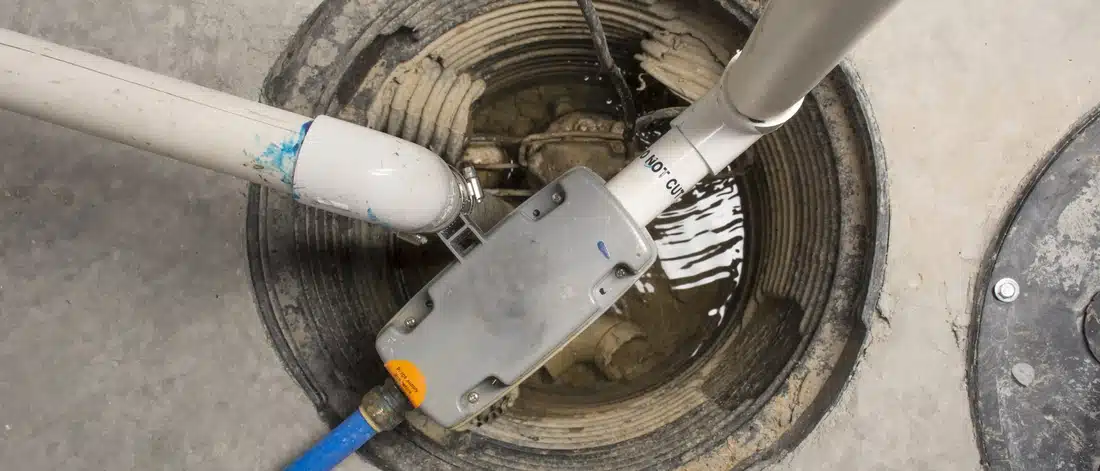
Sump pump failures are the primary cause of basement floods in Denver, accounting for 87 percent of incidents. Factors such as heavy storms, poor maintenance, and improper installation contribute to these failures, leaving homes at risk of significant water damage.
- Heavy storms and Denver's clay soil create high underground water pressure, challenging sump pump efficiency. Regular maintenance and backup systems are essential to prevent costly flooding. Homeowners should ensure proper installation to avoid mechanical wear and system failures.
- Sump Pump Failures: The #1 Cause of Denver Basement Floods Sump pump failures are the leading cause of basement floods in Denver, responsible for 87 out of every 100 incidents.
- Heavy storms, neglected maintenance, and improper installation all put pumps at risk, leaving basements vulnerable to water damage.
The primary cause of basement floods in Denver is sump pump failures, which account for 87 out of every 100 incidents. Factors such as heavy storms, lack of maintenance, and improper installation contribute to these failures, leaving basements susceptible to significant water damage.
Sump pump failures are the leading cause of basement floods in Denver, responsible for 87 out of every 100 incidents. Heavy storms, neglected maintenance, and improper installation all put pumps at risk, leaving basements vulnerable to water damage. Denver’s dense clay soil and spring snowmelt create intense underground water pressure, and small or poorly sized pumps can’t keep up. Without proper sump pump protection, including backup systems, annual professional inspections, and correctly sized, code-compliant equipment, homeowners face costly basement flooding that standard insurance often won’t cover. Regular maintenance and smart upgrades can extend pump life, prevent reverse water flow, and keep Denver basements dry year after year.
Why Denver’s Geography Makes Basement Flooding a Persistent Threat
Denver sits where the Rocky Mountains meet the High Plains, creating natural conditions that cause basement flooding problems. The city’s dry climate produces heavy rainstorms that dump large amounts of water in short periods.
Spring brings melting snow from the mountains, while summer delivers powerful thunderstorms that release water faster than the ground can absorb it.
The soil throughout the Denver area contains high levels of clay. Clay-heavy soil does not let water pass through easily, which traps moisture near building foundations. This trapped water pushes against the basement walls with a force called hydrostatic pressure.
Denver’s mile-high elevation (5,280 feet above sea level) means temperatures change quickly between day and night, and between seasons. These temperature swings cause the ground to freeze and thaw repeatedly, which creates cracks in concrete foundations over time.
The water table, the underground level where soil becomes saturated with water, changes height throughout the year in Denver. From March through June, melting snow causes the water table to rise significantly closer to the surface, where homes are built.
All these factors work together: clay soil that blocks drainage, heavy rainstorms and snowmelt that deliver more water than the ground can handle, elevation-related temperature changes that damage foundations, and a rising water table during spring months.
The result is constant water buildup beneath homes. Sump pumps installed in basements must work harder and longer than they were designed for, often leading to system failures and flooded basements.
How Sump Pumps Protect Your Basement From Water Damage
A working sump pump system acts as your basement’s main defense against underground water pressure and water seeping through the ground. The system turns on when water builds up in the collection pit, pumping it out before damage happens to your home’s foundation.
The protection works through four key steps:
- Water Collection: Drainage pipes around your basement floor guide groundwater into the sump pit.
- Float Switch Activation: The rising water level lifts a float device that starts the pump motor.
- Mechanical Discharge: The electric pump pushes water through outlet pipes to a safe location away from your house.
- Pressure Relief: The pump keeps running to hold back water pressure below dangerous levels.
This automatic drainage system stops basement floods by keeping water levels below your basement floor. The system protects your foundation’s strength and your basement’s walls, floors, and belongings from water damage, black mold colonies, and foundation cracks caused by soil pressure.
The perimeter drain tile network connects to the sump basin to intercept water before it enters living spaces. Modern submersible pump units with backup battery systems provide reliable moisture control even during power outages, safeguarding your property value and indoor air quality.
Power Outages During Storms: When Your Sump Pump Stops Working
When a storm cuts electricity to your home, your sump pump stops working right when the flooding risk is highest. Your basement water removal system becomes useless equipment at the worst possible time.
| Power Outage Duration | Basement Flooding Risk | Protection Needed |
| 0-2 hours | Moderate | Battery backup system |
| 2-6 hours | High | Generator connection |
| 6-12 hours | Severe | Water-powered backup |
| 12-24 hours | Critical | Multiple backup systems |
| 24+ hours | Catastrophic | Emergency response plan |
Standard electric sump pumps need constant power from wall outlets to remove water from basement sumps. Battery backup pumps protect your basement for 5-7 hours when power fails. The runtime depends on how often the pump cycles on and off. Portable generators or standby generators keep sump pumps running as long as you have gasoline or natural gas fuel. Generators require proper electrical transfer switches that meet National Electrical Code safety standards. Water-powered backup pumps connect to municipal water supply lines and work without electricity, though they use 1 gallon of city water for each gallon pumped out. Each backup type protects against specific failure scenarios in residential drainage systems.
Mechanical Wear and Tear: The Silent Killer of Sump Pumps
Most sump pump failures happen from slow mechanical breakdown that homeowners miss until the system stops working. The bearing assemblies (metal parts that help the pump spin smoothly) wear down from constant use. This damage reduces how well the impeller (the spinning blade inside the pump) moves water.
Float switches (devices that turn the pump on and off based on water level) can stick in place when minerals from groundwater build up on them. When float switches stick, the pump won’t start when the water rises. Discharge check valves (one-way gates in the output pipe) lose their tight seal over time. Water flows backward through worn valves, forcing the motor to work harder than designed.
Watch for these signs that parts are wearing out:
- Motor turns on and off more than 15 times per hour (check your pump’s manual for the recommended maximum)
- Water flow drops below 80% of the gallons per minute listed on the pump label
- Grinding, squealing, or rattling sounds from bearings mean the lubricating grease is gone, or the metal shaft is bent
- Motor gets very hot, then cools, then gets hot again in short cycles (suggests blocked cooling vents or damaged electrical wiring)
A pump service technician should inspect your sump pump system each year. Professional diagnostics catch worn parts before total failure.
This preventive maintenance stops basement flooding and avoids expensive emergency pump replacement during spring storms and heavy rain when plumbers charge premium rates.
Improper Installation: A Setup for Failure From Day One
A top-quality sump pump fails early when workers ignore the manufacturer’s instructions and local building codes. Installation mistakes create problems that lead to basement flooding and expensive repairs.
Discharge Pipe Problems
The pipe that carries water away from your home needs correct sizing. A pipe that’s too small restricts water flow and forces the pump motor to work harder.
The National Electrical Code (NEC) requires specific electrical connections to prevent house fires and electrical shocks. Missing a check valve means water flows backward into the basin after each pump cycle, causing the motor to run constantly.
Float Switch Position
The float switch acts as the on/off trigger for your pump. When positioned too high, water rises dangerously before the pump starts.
A float set too low creates short-cycling—the pump turns on and off rapidly, which burns out the motor within months instead of years.
Discharge Line Requirements
The pipe carrying water from your pump must slope downward continuously. Building codes specify minimum distances from your foundation where the pipe must end—typically 10 to 20 feet away.
Without a proper slope, water pools in the pipe and freezes during the winter months.
Air Relief Holes
Small holes drilled in the discharge pipe prevent airlock conditions. Air trapped in the pipe creates a vacuum that stops water from leaving the basin.
The pump runs but moves no water, leading to overflow and basement damage.
Basin Installation
The sump basin (also called a pit or crock) needs sufficient depth to hold water between pump cycles.
A shallow basin causes frequent cycling and motor failure. The basin liner must fit tightly to block sediment, clay, and gravel from entering.
These materials damage the impeller, the spinning component that moves water, and clog the intake screen.
Safety Systems
Battery backup systems keep your pump working during power outages, which occur frequently during the severe storms that cause flooding.
Alarm mechanisms send alerts when water reaches critical levels or the pump malfunctions.
Homeowners who install pumps themselves usually skip these components to save money, then face thousands of dollars in water damage costs.
Overwhelmed Systems: When Spring Snowmelt Exceeds Pump Capacity
Sump pumps carry ratings that show how many gallons per hour (GPH) they can move. These basement water pumps stop working when groundwater flows in faster than the pump can push it out.
Denver’s spring thaw creates surge events—periods when melting snow sends large volumes of water through the soil into basements. This water accumulates faster than undersized pumps can remove it.
Capacity failures happen in these situations:
- 1/3 horsepower pumps (2,000-3,500 GPH capacity) face soil conditions where groundwater enters at 4,000+ GPH.
- Single-pump setups have no backup pump during peak snowmelt periods.
- Small discharge pipes (1.25-inch diameter instead of the needed 1.5 to 2-inch diameter) restrict water flow like a narrow straw.
- Sump basins lack sufficient volume to hold temporary water buildup between pump cycles.
Systems built without extra capacity for extreme weather face continuous operation, motor overheating, and equipment breakdown. The pump runs without stopping, gets too hot, and burns out.
Correct sizing needs three types of data: soil percolation tests (how fast water drains through soil layers), historical water table records (past groundwater levels), and drainage area calculations (total square footage that drains toward the basement).
Generic installation estimates based only on basin size create undersized systems that fail during the snowmelt season.
Switch Problems That Prevent Your Pump From Activating
A sump pump’s capacity is useless if its switch fails to activate the motor, and switch problems are the leading cause of pump breakdowns during storms and spring thaws.
Float switches, the most common type, operate like a see-saw: rising water lifts the float, triggering the pump. Vertical floats can be blocked by debris, tethered floats may tangle on cords or pipes, and diaphragm pressure switches can clog with dirt and sediment, preventing them from sensing water. Poor installation, like placing the pump too close to the basin wall, also stops the float from reaching the “on” position.
Debris such as gravel, construction scraps, tree roots, and algae can further hinder movement. Pressure-activated switches face similar problems when mineral deposits or sediment seal the sensor port.
To ensure your switch works, lift the float manually before heavy rain or spring thaw. The motor should start immediately. Test quarterly to keep your sump pump ready for emergencies.
Clogged Discharge Lines and Their Impact on Pump Performance
When the float switch turns on the motor, the sump pump pushes water through the discharge pipe to remove it from your basement. A blocked discharge pipe creates resistance that forces the pump to work harder. This resistance slows down water removal and damages pump parts faster.
In Denver’s cold weather, frozen pipes cause most discharge line failures.
What blocks discharge lines:
- Ice buildup where the pipe exits outside your home in winter
- Mud, dirt, rocks, and leaves that get stuck inside the pipe
- Bent or flattened pipes from shifting soil or poor installation work
- Broken check valves that let mud and debris flow backward into the line
Check your discharge pipes every season to make sure water flows freely. The pipe must carry water at least 10 feet away from your house foundation to prevent basement flooding.
Install freeze-proof pipe extensions that resist ice formation in cold months. Make sure the discharge pipe slopes downward at all points so gravity helps water flow and prevents standing water that can freeze or collect sediment.
A working discharge system protects your basement waterproofing investment by moving groundwater safely away from your foundation walls.
When discharge pipes fail, water backs up into the sump basin, the pump runs without removing water, and your basement faces flooding risk even with a functioning pump motor.
The Role of Lack of Maintenance in Sump Pump Breakdowns
Regular inspection schedules prevent most sump pump failures that homeowners blame on broken parts or old equipment. Testing your pump every three months helps find worn-out parts before the whole system stops working. Important maintenance jobs include checking the float switch, cleaning the impeller blade, and looking at the check valve.
Hard water minerals build up on moving parts within six months of use. This buildup stops parts from moving freely and cuts water flow by 40 percent. Dirt and leaves in the basin make the float switch give wrong readings. The pump turns on and off too many times, which makes the motor overheat.
Backup battery systems need testing under load every 90 days to make sure they work during power outages. The pipes that carry water away from your home get loose from heating and cooling cycles. These loose connections create leaks that can damage your home’s foundation and walls.
Professional plumbers measure how many amps your pump draws and how much water it moves per minute. These baseline numbers show how well your pump works when new. Comparing these numbers over time shows when your pump starts wearing out. Keeping up with maintenance costs about $150 each year. Emergency replacement during a flood costs around $3,500.
Water removal systems in basements protect homes from flooding damage. Homeowners’ insurance policies often require documented maintenance records for water damage claims.
The National Association of Home Builders reports that neglected sump pumps fail at five times the rate of maintained units.
Warning Signs Your Sump Pump Is About to Fail
Your sump pump shows specific warning signs before it stops working completely.
Watch your equipment carefully to avoid major flooding in your basement.
- Strange Running Patterns: The pump turns on too often or keeps running when there’s barely any water in the pit.
- Unusual Noises: The motor makes grinding, rattling, or struggling sounds that mean parts are wearing out.
- Rust and Corrosion: Orange or brown rust on the pump body, impeller, or discharge pipe weakens the metal and affects how well it works.
- Broken Float Switch: The floating device that tells the pump when to start doesn’t move properly or gets stuck.
Other Problems to Watch For
Higher electric bills without an explanation point to a motor working harder than it should.
The discharge pipe (the tube carrying water away from your house) shakes or vibrates during operation.
Dirt, sand, and debris build up in the sump basin (the pit holding the pump).
Water backs up into your basement during rainstorms or when the snow melts.
These problems mean your sump pump system is failing and needs immediate attention from a plumbing professional.
Check your pump regularly—especially before spring rains and after winter—to catch these warning signs early.
Finding problems before complete failure saves you from expensive water damage repairs, ruined belongings, mold growth, and foundation damage to your home.
Battery Backup Systems: Your Insurance Against Power Loss
Power outages happen when you need electricity most—during bad storms when your sump pump must keep running. Battery backup systems give you a second layer of protection when the main power stops working.
These systems include three main parts: a heavy-duty marine battery, a charging controller, and a battery-powered backup pump that turns on by itself when the power goes out.
Expert installers add separate float switches from the main pump to create a safety net that works even if one part fails. The battery size controls how long the system runs—most systems pump water on and off for 4-8 hours, which covers typical power outages.
Keep your system working right by testing the battery power under real conditions, checking wire connections for rust buildup, and putting in new batteries every 3-5 years, even when they seem fine.
Better systems include warning alarms and remote monitoring through smartphone apps or web interfaces. The installation needs good air flow to stop dangerous hydrogen gas from building up.
The charging system must connect to a GFCI outlet on its own electrical circuit for safe operation. This equipment protects your basement and foundation from flood damage when storms knock out neighborhood power lines.
Professional Installation vs. DIY: What Denver Homeowners Need to Know
Denver sits at 5,280 feet above sea level. This height changes how sump pumps work compared to pumps at lower elevations. The air pressure at this altitude affects pump strength, water lifting power, and valve functions. Home installers often miss these important details.
Licensed contractors follow Denver’s building rules, including Internation Residential Code (IRC) Section P2503 and local codes. They handle:
- Basin size based on soil type and groundwater depth
- Sealed covers that prevent radon gas from entering homes
- Discharge pipes are buried 30-36 inches deep to avoid freezing
- Ground fault circuit interrupter (GFCI) outlets and separate electrical circuits per NEC Article 210.8
Common DIY mistakes include poor air venting, wrong float switch placement, and small discharge pipes. These errors cause system breakdowns.
Professional installers examine each property’s unique conditions—soil drainage rates, seasonal water table fluctuations, and foundation characteristics—that standard instruction manuals cannot predict.
Basement flooding prevention requires equipment matched to Denver’s clay-heavy soil composition and semi-arid climate patterns. Certified plumbers use pressure testing and flow rate calculations specific to Mile High City conditions.
They verify check valve operation under reduced atmospheric pressure and ensure backup power systems function during Front Range winter storms.
Creating a Preventive Maintenance Schedule for Your Sump Pump
Taking care of your sump pump makes it last longer. The National Association of Home Builders found that pumps with regular maintenance work for 12-15 years instead of the normal 7-10 years. Good maintenance also cuts pump failures by 67%.
Monthly Tasks
Test your pump every month. Pour a bucket of water into the sump pit. Watch the float switch rise and turn on the pump. Make sure water flows out through the discharge pipe without problems.
Every Three Months
Check the check valve for dirt, leaves, or other debris stuck inside. Test your backup battery system or secondary pump to confirm it works when the main pump stops.
Look at all electrical connections for rust or loose wires.
Once Each Year
Clean the pump intake screen where water enters the unit. Push the test button on your GFCI outlet to verify the safety circuit works.
Use an amp meter to check how much electricity the motor draws. Compare this number to what the manufacturer says is normal. Replace worn parts before they break completely.
Seasonal Checks for Denver Homes
Before spring arrives, inspect all discharge pipes and outdoor lines. Look for cracks from frozen water during winter.
Remove ice blockages that stop water flow. Before late summer monsoon rains start, clear debris from discharge line openings and make sure water drains away from your home’s foundation.
Keep Records
Write down every maintenance task with the date completed. Note how the pump performs each time you test it.
These records show normal operation patterns. When performance changes, your notes help identify which parts need replacement. This system prevents sudden pump failure during heavy rain or snowmelt when you need protection most.
Smart Monitoring Technology to Detect Pump Problems Early
Regular maintenance catches many problems, but smart monitoring systems watch your sump pump 24/7. These internet-connected devices track how your pump works and send warnings when something starts to go wrong.
Smart monitoring systems check these key signs of pump health:
- How often and how long the pump runs – The system spots unusual run times that mean parts are wearing out, or something is blocking the pump.
- How much electricity the pump uses – Changes in power use show when the motor struggles because of clogs or worn bearings.
- How water levels change in the basin – The monitor tracks whether the float switch works correctly and if the pump moves water out as it should.
- How hot the motor gets – Temperature sensors catch overheating problems before the motor burns out.
The monitoring system sends alerts to your phone when it finds a problem. You need to connect it to your home’s electrical system and Wi-Fi network.
The system saves all the data it collects, which helps you see patterns that predict when failures might happen. This information helps you fix small problems before they turn into major failures that flood your basement.
Smart monitoring protects your home by catching pump problems early. The data helps you maintain your equipment better and makes your sump pump last longer.
Protecting Your Investment: Insurance Considerations for Basement Flooding
Smart monitoring systems and regular maintenance help prevent problems, but sump pumps can still fail and create expensive water damage in your home. Most basic homeowners’ insurance policies do not cover water damage from groundwater seeping in or broken sump pumps. You need a special type of insurance called water backup coverage to protect against these flooding risks.
Water backup coverage policies protect your home when water enters through sewers, drains, and broken sump pump equipment. These policies pay between $5,000 and $25,000 for damage, depending on which coverage limit you choose. The insurance costs $40 to $250 per year. Your price depends on how much coverage you buy and whether you’ve filed water damage claims before.
When you file an insurance claim, you must show proof of what happened. Keep all maintenance records for your sump pump, receipts from when you bought and installed equipment, and photos of any water damage. Insurance companies need this paperwork to pay your claim.
Building codes set safety rules for basement water systems. These rules, found in IRC Section P2503 standards, tell contractors how to install mechanical pumps correctly. Your local building inspector checks that new sump pump installations follow these code requirements.
Insurance companies set their own rules before they sell you water backup coverage. Most insurers require a licensed plumber to inspect your sump pump every year. They also require you to install a battery backup system that keeps the pump running during power outages.
These requirements reduce the number of claims because they catch small problems before major flooding occurs. When homeowners maintain their equipment and use backup power systems, fewer pumps fail anircd fewer basements flood.


