
Spring Flood Preparation: Protecting Your Home from Spring Thaws
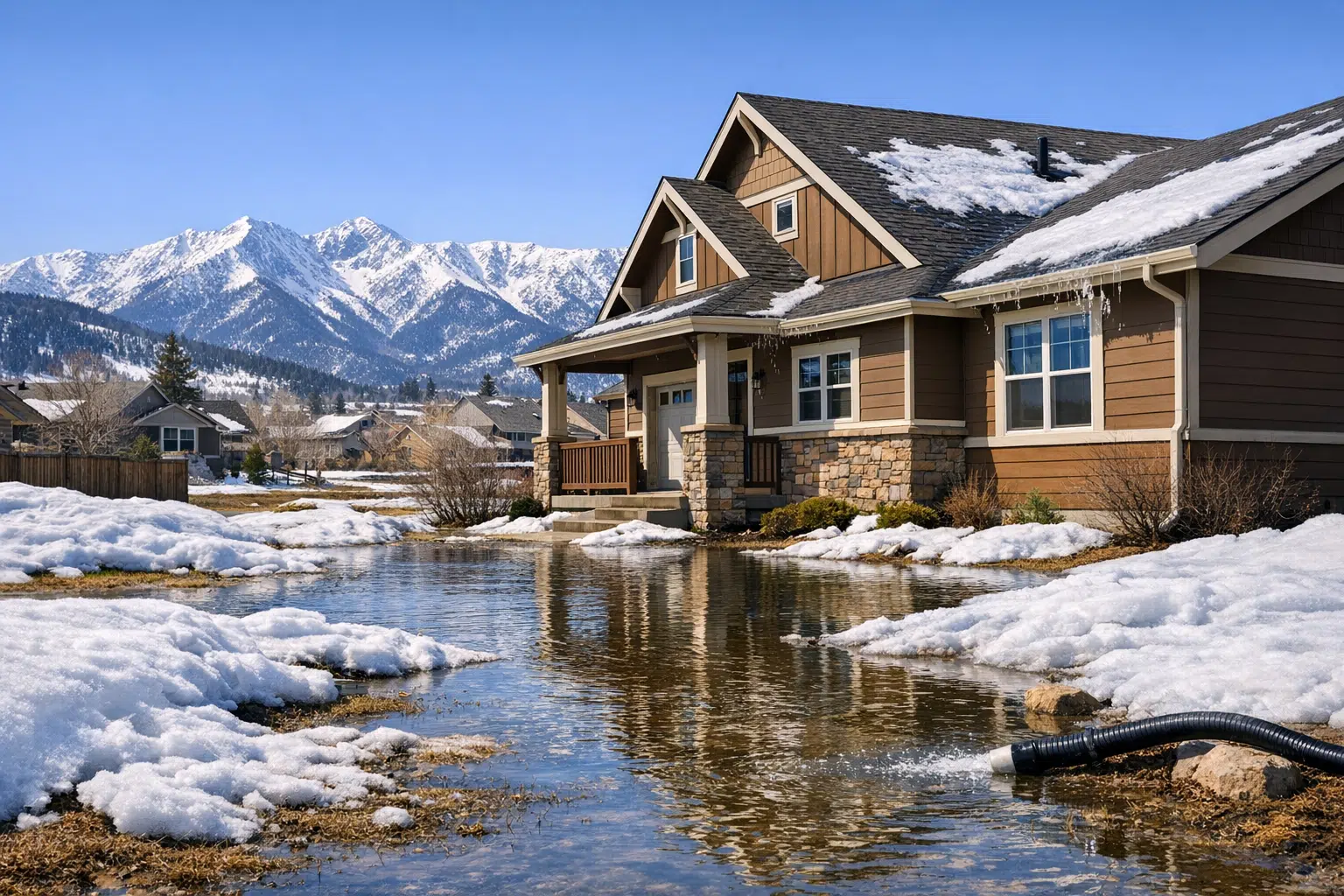
Colorado's spring thaw increases the risk of flooding due to melting snow and rain. This guide outlines steps homeowners can take to prepare for potential flooding and protect their properties.
- Homeowners should inspect drainage systems and seal foundation cracks to prevent water entry. Proper landscaping can also help direct water flow away from structures.
- Emergency supplies like sandbags and water removal equipment should be stored in accessible locations.
- Flood insurance is essential, as standard homeowner policies typically do not cover flood damage.
Preparing your home for spring floods involves several proactive steps. Start by clearing gutters and downspouts to ensure proper drainage. Inspect your property for any potential water entry points, such as cracks in the foundation, and seal them. Additionally, consider landscaping adjustments to redirect water away from your home and create a flood emergency plan.
Colorado’s spring thaw brings warmer weather and increased flooding risks to homes across the state. Melting snow combined with spring rains can overwhelm drainage systems and cause significant water damage. Spring flood preparation starts before the snow melts and water levels rise.
This guide covers actionable steps to protect your home from spring flooding. You’ll learn how to identify vulnerable areas, implement protective measures, and know when to call professionals.
Understanding Spring Flood Risks in Colorado
Spring flooding occurs when snowmelt combines with rainfall to create excessive water flow. The ground often remains frozen beneath the surface, preventing proper water absorption. This creates runoff that can quickly overwhelm natural and man-made drainage systems.
Colorado’s elevation changes make spring flooding particularly dangerous. Water flows rapidly from higher elevations toward valleys and residential areas. Home protection becomes critical as this water seeks the path of least resistance, often through basements and ground-level entry points.
Common Flood Entry Points
Water typically enters homes through predictable locations during spring floods:
- Foundation cracks: Small fissures expand under water pressure
- Basement windows: Below-grade windows are vulnerable to groundwater
- Floor drains: Overwhelmed sewer systems can back up through drains
- Crawl spaces: Poor ventilation traps moisture and allows water accumulation
- Doorway thresholds: Water flows under doors during surface flooding
Spring Flood Preparation Checklist
Effective flood preparation requires systematic inspection and maintenance of your property. Start these tasks in late winter before snowmelt begins.

Exterior Inspection and Maintenance
Your home’s exterior provides the first line of defense against flood damage. Focus on drainage systems and structural integrity.
Gutters and downspouts must function properly to direct water away from your foundation. Clean all debris from gutters and test water flow during the next rain. Extend downspouts at least six feet from your home’s foundation.
Foundation inspection reveals potential water entry points. Walk around your home’s perimeter looking for cracks, gaps, or damaged caulking. Seal small cracks with hydraulic cement or polyurethane sealant.
- Clear gutters and downspouts of leaves, ice, and debris
- Test downspout drainage and redirect water flow away from foundation
- Inspect foundation for cracks and seal openings larger than hairline width
- Check window wells for proper drainage and clear any blockages
- Ensure ground slopes away from foundation at minimum 6-inch drop per 10 feet
Interior Flood Prevention
Interior preparation focuses on basements, mechanical systems, and valuable possessions. These steps minimize damage if water does enter your home.
Basement waterproofing includes checking sump pumps, installing backup power, and moving stored items off the floor. Test your sump pump monthly and consider a battery backup system for power outages.
Utility protection prevents dangerous situations and expensive repairs. Elevate water heaters, furnaces, and electrical panels above potential flood levels. Install ground fault circuit interrupters (GFCIs) in areas prone to moisture.
Landscaping for Flood Prevention
Strategic landscaping directs water flow and reduces flooding risks around your property. These modifications work with natural drainage patterns rather than against them.

Grading and drainage improvements channel water away from structures. Create swales or shallow ditches to guide surface water toward storm drains or natural drainage areas. Remove soil buildup against foundation walls.
Plant selection affects water absorption and soil stability. Deep-rooted native plants absorb excess moisture and prevent soil erosion. Avoid shallow-rooted plants near foundations as they provide limited flood protection.
Emergency Drainage Solutions
Temporary drainage solutions help during unexpected flooding events:
- Sandbags: Create barriers to redirect surface water flow
- French drains: Install gravel-filled trenches for permanent drainage
- Dry wells: Underground chambers collect and slowly release excess water
- Permeable surfaces: Replace solid concrete with permeable pavers or gravel
Emergency Equipment and Supplies
Having the right equipment ready before flooding occurs saves time and reduces damage. Store these items in easily accessible locations above potential flood levels.
Water removal equipment helps respond quickly to minor flooding. Keep a wet/dry vacuum, portable pump, and extension cords in good working condition. Battery-powered equipment works during power outages.
Protective materials create temporary barriers and protect belongings:
- Plastic sheeting and duct tape for temporary sealing
- Sandbags or quick-dam flood barriers
- Rubber boots and waterproof gloves
- Flashlights and battery-powered radio
- Important documents in waterproof containers
Insurance and Documentation
Standard homeowner’s insurance typically excludes flood damage. Separate flood insurance through the National Flood Insurance Program provides coverage for spring flood damage.
Policy timing matters because flood insurance includes a 30-day waiting period before coverage begins. Purchase flood insurance before spring flood season arrives.
Documentation preparation speeds insurance claims if flooding occurs. Photograph your home’s interior and exterior, including valuable possessions. Store digital copies in cloud storage or offsite locations.

 Posted on Google
When to Call Professionals
Some flood preparation tasks require professional expertise or specialized equipment. Recognize when DIY solutions aren’t sufficient for your situation.
Structural concerns need professional assessment if you find large foundation cracks, basement wall bowing, or previous flood damage. These issues indicate potential major flooding risks that require engineered solutions.
Electrical and plumbing work should be performed by licensed professionals. Moving electrical panels, installing sump pump systems, and modifying drainage systems require proper permits and expertise.
Post-Flood Recovery Planning
Even with proper preparation, some flooding may still occur. Having a recovery plan minimizes damage and speeds restoration.
Immediate response involves safety first, then water removal. Turn off electricity to affected areas before entering standing water. Document damage with photographs before cleanup begins.
Professional restoration becomes necessary for significant water damage. Water extraction, structural drying, and mold prevention require specialized equipment and expertise that most homeowners lack.
Conclusion
Spring flood preparation protects your home through systematic inspection, maintenance, and emergency planning. Start preparations in late winter before snowmelt creates flooding conditions.
Focus on exterior drainage, foundation sealing, and emergency equipment to minimize flood risks. Professional help ensures complex issues receive proper attention.
If spring flooding does affect your Colorado home, ARC Restoration provides emergency water extraction and complete flood damage restoration services. Call 720-664-7765 for immediate response and professional flood recovery assistance.
Sources
- Ready.gov – Flood Safety and Preparedness
- FEMA – National Flood Insurance Program
- American Red Cross – Flood Safety Checklist
- U.S. Geological Survey – Understanding Floods and Flood Plains


