
Odor Sources After Sewage Mitigation: Why Smells Linger
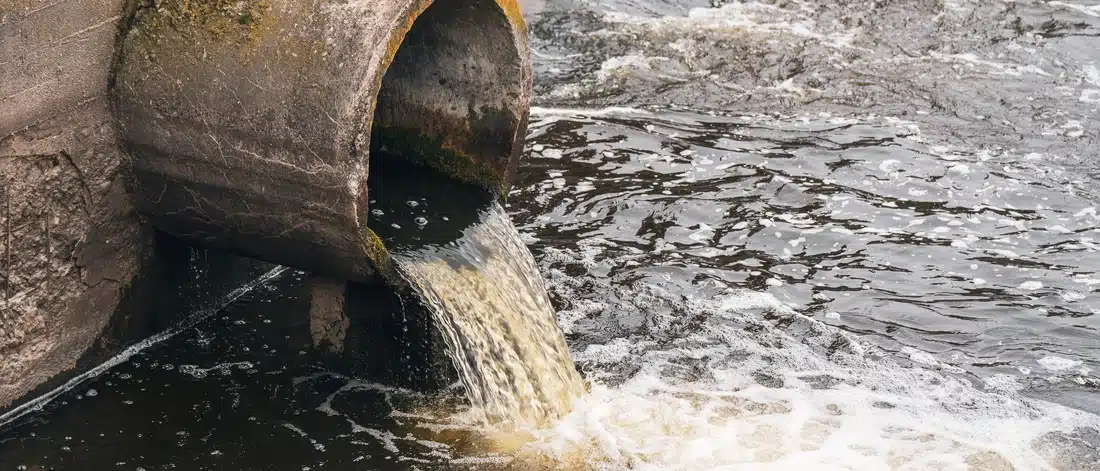
Lingering odors after sewage cleanup are a clear sign that contamination may still be hiding inside your home. Even after visible messes are removed, sewage waste can soak deep into porous building materials like drywall, insulation, subflooring, and structural wood. Standard surface cleaning methods simply can’t reach these hidden areas, allowing moisture and organic matter to remain trapped inside walls and floors.
When contaminated materials aren’t fully removed or treated, bacteria continue to grow out of sight and release gases that cause persistent, foul smells throughout the home. Understanding where these odors come from and why they don’t go away on their own is critical to resolving sewage-related odor issues properly and protecting your indoor air quality and health.
Contaminated Porous Materials That Absorb Sewage Particles
Porous materials create the biggest problem when cleaning up sewage damage. These materials have tiny holes and spaces (capillary structure) that pull contaminated water deep inside, like a sponge soaking up liquid. Common examples include drywall (gypsum board), wood framing, insulation batting, and concrete surfaces.
Category 3 water (black water) carries dangerous germs (pathogenic microorganisms), waste material (organic matter), and dissolved chemicals. Once these substances soak into porous materials, they stay trapped inside. The Institute of Inspection Cleaning and Restoration Certification (IICRC) S500 Standard requires removal and disposal of any porous materials that touched sewage water. Cleaning the surface cannot kill germs buried deep within the material.
Surface drying does not solve the problem. Harmful gases like volatile organic compounds (chemical vapors) and hydrogen sulfide (rotten egg gas) keep being released from the sewage residue trapped inside. Bacteria continue breaking down waste material in the wet substrate layers, which makes the smell worse over time.
When contamination soaks deeper than cleaning products can reach, the material must be thrown away completely. Trying to save these materials leaves behind permanent odor sources and breeding grounds for harmful bacteria.
Proper sewage cleanup means removing all affected porous materials, including wall cavities, subflooring systems, and insulation layers. This complete removal protects building occupants from health hazards and prevents long-term indoor air quality problems (microbial volatile organic compounds).
Inadequate Removal of Affected Building Materials
Restoration companies sometimes fail to take out all contaminated materials after sewage damage. When this happens, sewage particles stay trapped inside walls, floors, and ceilings. These leftover particles keep creating bad smells that won’t go away.
Building materials like drywall, insulation, and the wood under your floors soak up sewage water like a sponge. Leaving any contaminated sections behind allows mold, bacteria, and smell-causing chemicals to keep growing and spreading.
Restoration contractors sometimes remove too little material because they misjudge how far the sewage traveled into the structure. Other times, they cut corners to save money. Sewage seeps into hidden spaces behind walls and under floors where you can’t see it. Professional moisture meters and thermal cameras help find these hidden wet zones that show no visible signs of damage.
The professional restoration industry requires removal of all porous materials that contacted Category 3 water. Skipping this step leaves odor sources that never disappear and creates health risks from bacteria and pathogens.
Written records showing what materials were removed protect both the restoration company and the property owner from legal problems. These records also prove the cleanup job was done right.
Moisture Trapped in Subfloors and Crawl Spaces
Removing damaged drywall and insulation does not eliminate all sewage water problems. Contaminated water stays hidden under floors in places standard pumps and vacuums cannot reach.
The dark, enclosed spaces beneath your home create perfect conditions for harmful bacteria to multiply and foul odors to develop.
- Plywood subfloor connections – Sewage seeps through the interlocking edges where subfloor panels join together. These tongue-and-groove joints act like channels that spread contamination across wide areas.
- Crawl space dirt – Bare soil beneath homes soaks up sewage like a sponge. The contaminated ground then releases harmful vapors that rise through any openings in your floor system.
- Spaces between floor joists – Water collects in the gaps along wooden support beams that hold up your floors. These horizontal cavities trap liquid where air cannot circulate.
- Damaged plastic sheeting – Tears or gaps in the moisture barrier allow water to move continuously from the ground up into your home’s structure.
Professional restoration teams must check subflooring with specialized tools before declaring the cleanup finished.
Moisture detection meters measure water content inside wood and other materials. Thermal imaging cameras reveal wet areas by showing temperature differences invisible to the human eye.
The Environmental Protection Agency (EPA) requires a complete subflooring evaluation as part of proper sewage remediation.
Hidden moisture causes long-term structural damage, health hazards from mold growth (specifically toxic black mold species like Stachybotrys chartarum), and recurring odor problems that resist surface-level cleaning attempts.
Bacterial Growth in HVAC Systems and Ductwork
Flood water carrying sewage enters heating and cooling systems, turning the air distribution network into a breeding ground for harmful bacteria and bad smells. Contaminated water flows into supply vents, return air grilles, and air handler units, leaving behind organic waste material inside the ductwork.
The combination of moisture and organic nutrients creates perfect conditions for bacteria, mold spores, and other microorganisms to multiply on duct interior surfaces, fiberglass insulation, and evaporator coil fins.
When the HVAC system runs, it spreads bacteria cells and odor-causing gases into rooms where people live and work. Air filter compartments catch sewage particles and debris, becoming smell sources when the system starts back up.
The Institute of Inspection, Cleaning and Restoration Certification (IICRC) S500 Water Damage Standard requires HVAC system inspection after any flood involving contaminated water or sewage backup.
Trained restoration technicians clean affected HVAC components using specific methods: they examine ductwork with small fiber-optic cameras to find contamination zones, apply EPA-registered antimicrobial solutions to reachable surfaces, install new air filters, and disinfect condensate drain pans.
Technicians clean evaporator coils and condenser coils to remove biofilm layers, sticky bacterial colonies that regular air filters cannot capture. Duct cleaning equipment removes contaminated insulation materials.
Blower wheel assemblies receive detailed cleaning to eliminate sewage residue from fan blades. Systems with porous duct liner material often require complete removal and replacement because antimicrobial cleaning cannot reach bacteria deep inside absorbent materials.
UV-C germicidal lights installed near cooling coils help prevent future bacterial regrowth in moisture-prone areas.
Sewage Residue in Wall Cavities and Insulation
Floodwater mixed with sewage enters hidden spaces inside walls through gaps around baseboards, electrical outlets, and pipe openings. This contaminated water soaks the insulation and leaves dangerous residue on wood framing.
Cleaning only the surfaces you can see will not fix these hidden problem areas, which keep producing bad smells months after the cleanup appears finished.
Wall cavity contamination needs specific professional treatment:
- Moisture mapping – Technicians use thermal cameras and moisture meters that pierce walls to find wet areas beyond the water stains you can see.
- Selective demolition – Workers remove damaged materials including drywall panels, wet insulation, and other non-load-bearing components while preserving structural elements.
- Antimicrobial treatment – Professionals apply EPA-registered disinfectants to exposed wood framing following IICRC S500 standards designed for Category 3 water damage.
- Documentation – Environmental testing before and after treatment confirms that dangerous microorganisms are gone before new walls get installed.
Skipping proper wall cavity cleanup creates ongoing health risks and odor problems that surface cleaning cannot solve.
Professional restoration companies must access these hidden spaces, remove contaminated materials, disinfect structural components, and verify the space is safe before reconstruction begins.
Incomplete Drying of Structural Components
Water damage repair technicians spray antimicrobial solutions into wall cavities to kill mold and bacteria. The building materials must dry completely before workers rebuild walls and floors. The IICRC S500 standard sets specific moisture limits: wood framing needs moisture content under 15%, and concrete needs moisture under 5%.
When materials stay too wet, bacteria grow back inside the damp wood and concrete. These bacteria create sulfur compounds and organic acids that cause bad smells. The odors pass through walls and floors into living spaces. Wood beams appear dry on the outside but stay wet deep inside the grain. This wet core lacks oxygen, which creates perfect conditions for odor-producing microorganisms.
Technicians must measure moisture levels every 12 inches across water-damaged areas using penetrating moisture meters. These devices check moisture deep inside materials, not just at the surface. Workers record each measurement on moisture maps that document drying progress.
Closing up walls too soon traps moisture behind plastic vapor barriers and drywall. The trapped moisture feeds bacterial growth, making odors worse instead of better. Dense materials like thick lumber and concrete require longer drying times than thin materials. Saturated wood that absorbed water to its center needs more time than wood wet only near the surface.
Proper dehumidification takes 72 hours minimum for minor water damage. Severe flooding may require several weeks of continuous drying equipment operation. Air movers, dehumidifiers, and heaters work together to pull moisture from structural components.
Reconstruction begins only after moisture readings meet industry safety standards at all measurement points.
Sewage Backup in Floor Drains and Plumbing Traps
Floor drains sit in basements, laundry rooms, and utility areas. Each drain contains a U-shaped trap, a curved pipe section that holds standing water. This water creates a barrier that stops sewer gases from coming up through the drain and into the building.
When sewage backs up into a building, the contaminated material fills these U-shaped traps. The dirty water stays in the trap even after someone cleans the floor surface. The trapped sewage breaks down over time and creates strong smells. These odors rise through the drain and spread into rooms where people live and work.
Property owners must clean all affected floor drains properly:
- Flush each floor drain with clean water to push out the contaminated water sitting in the U-shaped trap.
- Apply disinfectant inside the trap using EPA-registered cleaning products designed for sewage cleanup.
- Refill the trap with clean water mixed with odor-blocking additives.
- Check the trap seal for cracks, breaks, or other damage that would let sewer gases escape.
Floor drains that don’t get cleaned cause most odor problems after sewage cleanup work ends.
The problem gets worse in buildings with heating and air conditioning systems because the water in the traps evaporates slowly. The contaminated water stays longer and produces smells for weeks or months.
Building managers, restoration contractors, and property owners need to include plumbing trap maintenance in every sewage backup response plan.
Porous Concrete and Grout That Retain Odors
Concrete and grout act like sponges at the microscopic level. These materials contain tiny air pockets and connected holes that draw dirty water deep inside through a process called capillary action.
When sewage water enters these porous building materials, organic waste and harmful bacteria get trapped within the internal structure. This creates long-lasting odor problems that normal surface cleaning cannot fix.
Concrete starts out alkaline, which temporarily hides bad smells. As the material dries out over several weeks or months, trapped volatile organic compounds escape into the air.
Most antimicrobial cleaning products cannot reach deep enough into the concrete to kill all the bacteria. Contamination remains in the lower layers of the substrate.
Restoration professionals must use alkaline degreasers to break down organic matter, enzymatic cleaners to digest biological waste, or vapor-barrier sealants to trap contaminants inside the concrete.
In serious contamination cases, property owners must remove and replace affected concrete sections.
Complete removal provides the only way to eliminate all odor sources and meet public health regulations for safe indoor environments.
Overlooked Personal Belongings and Furniture
Structural materials need immediate attention during sewage cleanup, but contaminated personal property creates just as many odor problems. Remediation teams often miss these items. Upholstered furniture, mattresses, and porous belongings soak up sewage water containing harmful bacteria and pathogens. These items hold onto smelly compounds even after they appear dry.
Teams frequently overlook these contaminated items:
- Fabric-covered furniture with foam cushions and padding that pulls sewage water deep inside through absorption.
- Cardboard boxes and paper items stored in basements, crawl spaces, and closets that soak up contaminated water.
- Clothing, bedding, and fabric items left in affected rooms, especially garments in bottom drawers or containers on the floor.
- Electronic devices and household appliances containing foam insulation, wiring sleeves, and internal components where odor-causing bacteria hide and multiply.
Missing contaminated belongings allows bacterial colonies to grow and produce continuous foul odors throughout the building. Property owners must understand that visible drying does not mean sanitation.
Porous materials retain microscopic sewage particles, creating ongoing health risks and persistent odor problems without proper removal or professional decontamination.
Insufficient Use of Antimicrobial Treatments
Restoration workers often use too little antimicrobial product after sewage spills. They miss spots or don’t cover enough area to kill dangerous germs. EPA-approved disinfectants need the right mixing strength and enough time to sit on surfaces to destroy harmful bacteria like E. coli, Salmonfacoccus, and Clostridium. These treatments must also remove the bacteria that create foul sewage odors.
Common mistakes include mixing the disinfectant too weak, wiping surfaces too soon, or missing porous materials like drywall and wood subflooring. Sewage creates a slimy bacterial layer called biofilm that sticks to surfaces. Workers must scrub or pressure wash this biofilm away before applying any antimicrobial product. Skipping this cleaning step means the treatment cannot reach the bacteria underneath.
Sewage contamination spreads into hidden spaces that surface spraying cannot reach. Wall cavities between studs, crawl spaces under floors, and air ducts inside HVAC systems need special treatment methods. These include antimicrobial fogging machines that create a disinfectant mist or injection equipment that pumps product into enclosed areas.
Workers must document their antimicrobial work. Records should show how much product they used per square foot, how long the product stayed wet on surfaces (dwell time), and photos proving complete coverage.
The IICRC S500 Standard for water damage restoration requires this documentation. Insurance companies and health inspectors need these records to verify that proper disinfection protocols occurred. Without proof of adequate antimicrobial treatment, bacterial regrowth and continued health risks remain possible.
Hidden Moisture in Drywall and Baseboards
Sewage water soaks into drywall and baseboards in places you cannot see during a normal walk-through. Moisture meters check wetness levels at different depths to find where contamination has spread.
These microorganisms create gases that cause bad smells that will not go away. Wiping down surfaces does not remove contamination that has soaked deep into materials.
Important areas to check:
- Bottom wall plates where drywall connects to the floor
- Wall spaces behind baseboards (remove baseboards to inspect)
- Paper layers on both front and back surfaces of drywall
- Areas 6-12 inches above the highest water mark (water climbs through tiny material pores)
IICRC S500 guidelines state that materials holding more than 20% water content must be removed after sewage exposure.
Thermal imaging works alongside moisture meters to show heat patterns that reveal wet materials hidden from view. Leaving moisture problems unaddressed allows mold and bacteria to keep spreading.
Sewage Particles Settled in Unsealed Wood Framing
Exposed wood framing soaks up sewage waste deep into its grain structure. The porous nature of lumber means contamination reaches places surface cleaning cannot touch. Once sewage particles settle inside the wood fibers, removing them becomes nearly impossible without taking out the entire board. Unsealed wood acts like a sponge that holds onto dangerous waste material. This trapped sewage releases bad smells for months or years, even after cleaning the surface.
| Wood Component | Contamination Risk |
| Floor plates (bottom boards touching ground) | Extreme—sewage flows directly across these boards |
| Wall studs (vertical support beams) | High—moisture travels upward through wood fibers |
| Subflooring (boards under finished floor) | Severe—long contact time lets sewage soak deep inside |
| Joists (horizontal support beams) | Moderate to high—risk depends on how wet they got |
| Blocking (small pieces between studs) | Variable—risk changes based on air movement and contact time |
Cleaning the surface does not kill germs living inside the wood. Bleach, disinfectants, and deodorizers cannot reach contamination trapped in wood grain. The only way to remove the health hazard and stop the smell is to cut out and replace contaminated wood framing members. Professional restoration companies follow this removal process to protect people living in the building and prevent long-term indoor air quality problems.
Improper Ventilation During the Mitigation Process
When air cannot move freely during water damage cleanup, dirty moisture gets stuck inside walls, floors, and insulation. This trapped moisture creates perfect conditions for bacteria and mold growth, especially when sewage contamination is present. Stagnant air keeps humidity levels too high, above 60%, which feeds microbial growth and causes bad smells that regular cleaning cannot remove.
Professional ventilation systems solve this problem through specific techniques:
- Air movers create negative pressure zones in contaminated areas, which stops dirty air from spreading to clean spaces.
- HEPA-filtered air scrubbers run 24/7 to trap microscopic particles, spores, and odor-causing gases floating in the air.
- Dehumidifiers keep humidity under 50% during the entire drying period, which prevents mold and bacteria from multiplying.
- Equipment placement targets hidden spaces behind drywall, inside wall cavities, and beneath flooring materials where moisture collects.
Each ventilation component serves a distinct function in the drying ecosystem:
- Air movers generate directional airflow patterns across wet surfaces and through structural materials.
- Air scrubbers filter contaminated air through multi-stage filtration systems, removing particles as small as 0.3 microns.
- Dehumidifiers extract water vapor from indoor air, converting humid air into dry air while collecting liquid water in reservoir tanks.
- Pressure differentials control air movement between rooms, keeping contaminated zones isolated from occupied living spaces.
Professional technicians document equipment placement, humidity readings, and air quality measurements throughout the restoration process. This documentation proves compliance with IICRC S500 water damage restoration standards and provides verifiable evidence of proper mitigation procedures for insurance claims and property owners.


